
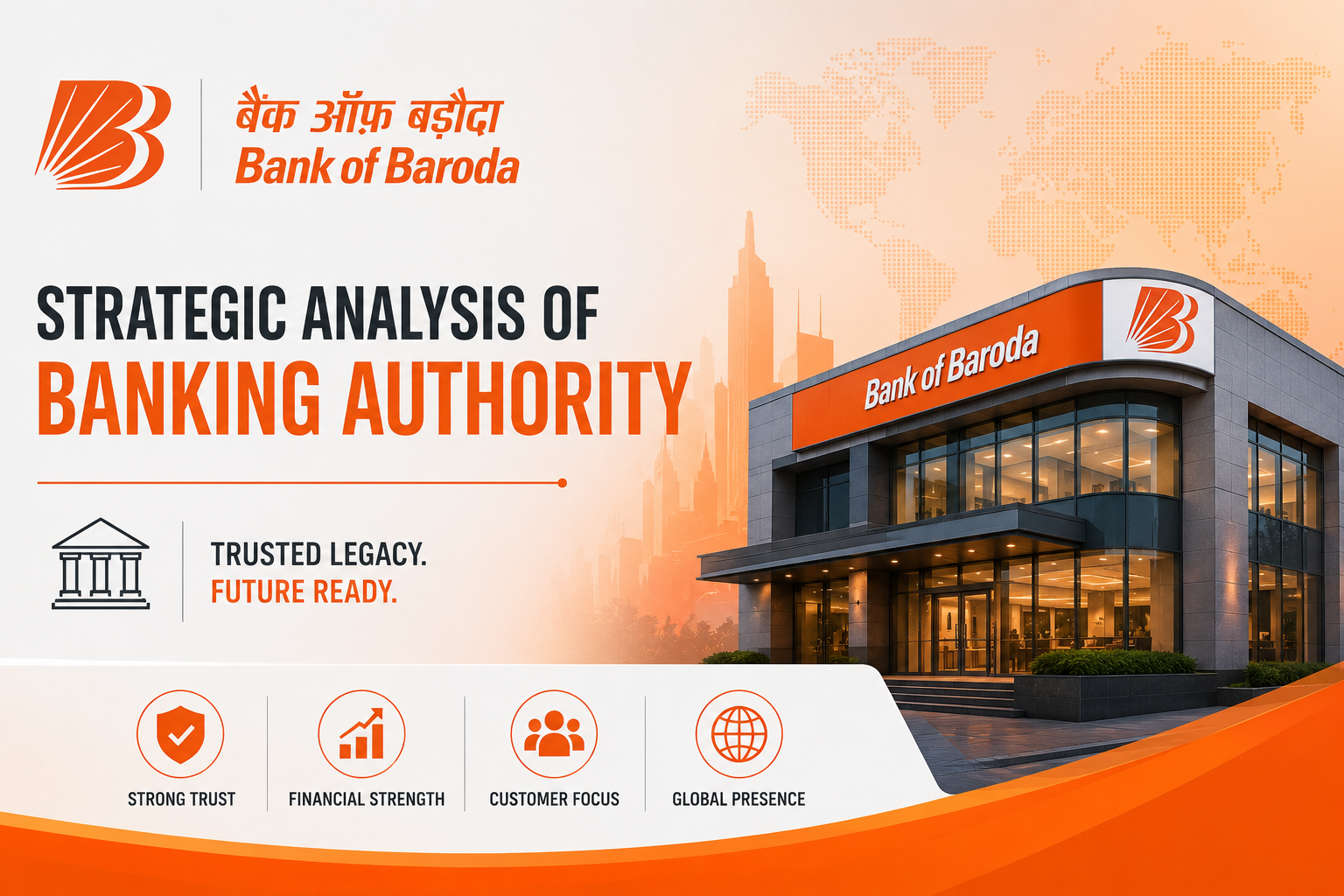
💡 Bank of Baroda: Strategic Analysis of Banking Authority
A comprehensive analysis of Bank of Baroda’s financial performance, digital transformation, and market position as India’s second-largest public sector bank.
Executive Summary
Bank of Baroda stands as a cornerstone of the Indian financial ecosystem, currently holding the position of the second-largest public sector bank in India. In the fiscal year 2024, the institution demonstrated remarkable resilience and growth, reporting a net profit of 17,788 crore INR, which represents a 26 percent increase compared to the previous year. This growth is underpinned by a robust improvement in asset quality, with the Gross Non-Performing Asset (GNPA) ratio declining to 2.92 percent from 3.79 percent. The bank has successfully navigated the complexities of a post-merger environment following its historic integration with Vijaya Bank and Dena Bank, emerging with a leaner balance sheet and a more diversified loan portfolio. Key data highlights include a Capital Adequacy Ratio (CAR) of 16.31 percent and a Net Interest Margin (NIM) sustained at 3.18 percent, signaling strong operational efficiency and capital stability.
Introduction
Founded in 1908 by Maharaja Sayajirao Gaekwad III, Bank of Baroda has transitioned from a regional entity to a global banking powerhouse. With a network spanning over 8,200 branches and a customer base exceeding 150 million, the bank is a critical driver of financial inclusion and corporate credit in India. The current banking landscape is defined by rapid digitalization and shifting regulatory requirements. Bank of Baroda has positioned itself at the forefront of this change, balancing traditional banking values with modern technological advancements. This analysis examines the strategic pillars that support the bank’s authority, focusing on its financial health, digital infrastructure, and its role in the broader economic framework of South Asia and its international territories.
The Deep Dive: Financial Fortitude and Strategic Growth
The financial trajectory of Bank of Baroda over the last three years provides a blueprint for public sector bank revitalization. The bank’s total business crossed the 24 trillion INR mark in FY24, driven by a balanced growth in both domestic and international advances. Domestic advances grew by nearly 13 percent, with a significant push toward retail, agriculture, and MSME (RAM) segments. The RAM portfolio now constitutes a substantial portion of the bank’s total credit, reducing the historical over-reliance on large corporate accounts that were prone to slippages.
Asset quality remains the most significant metric for any banking institution. Bank of Baroda has achieved a decade-low GNPA ratio, a result of aggressive recovery strategies and a more conservative underwriting approach. The Provision Coverage Ratio (PCR) stands at an impressive 93.30 percent including technical write-offs, providing a massive buffer against potential future defaults. This financial discipline is a primary reason why the bank has maintained high credit ratings from domestic and international agencies alike.
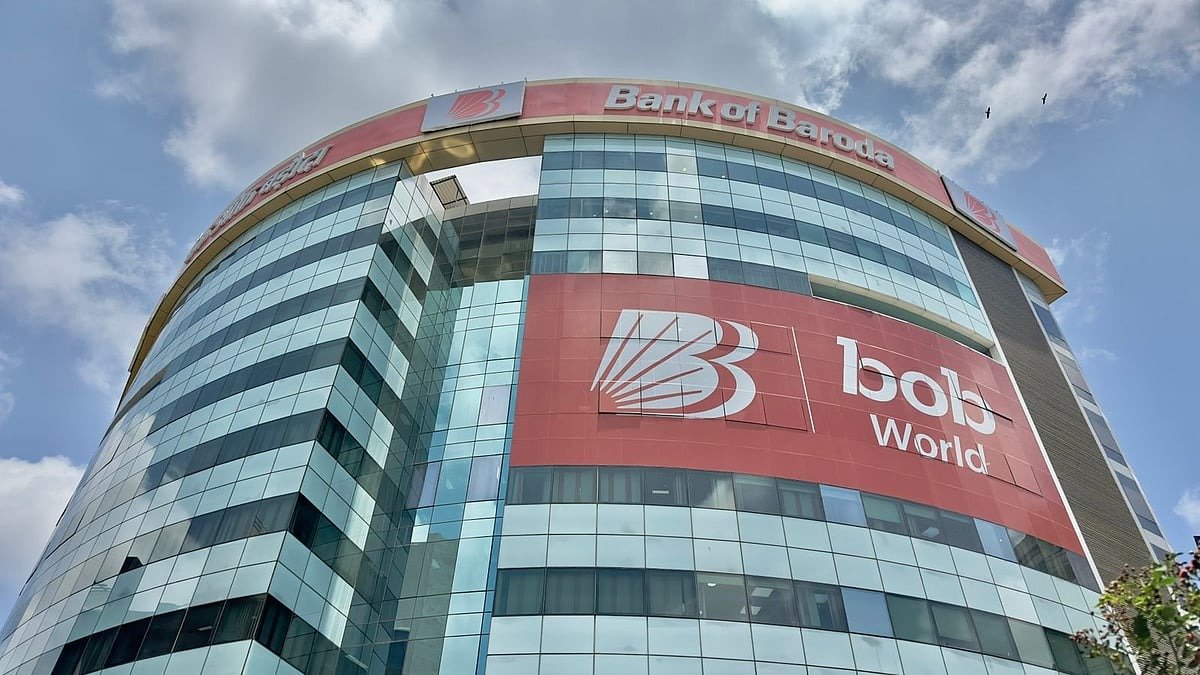
In terms of digital infrastructure, the bank has prioritized platform reliability to prevent service interruptions that have plagued other major institutions. The bob World application, despite facing regulatory scrutiny in late 2023, has undergone a rigorous compliance overhaul. The bank has invested heavily in cybersecurity and cloud computing to ensure that its digital ecosystem can handle the surge in UPI and mobile banking transactions. This focus on technology mirrors the strategic analysis of digital governance seen in other large-scale Indian public institutions, where the goal is to provide seamless service to millions of users simultaneously.
The Global Footprint and Domestic Dominance
Unlike many of its domestic peers, Bank of Baroda maintains a significant international presence, with operations in 17 countries. This global reach allows the bank to facilitate cross-border trade finance and tap into the non-resident Indian (NRI) deposit base, which provides a stable source of low-cost foreign currency funding. The international business contributes approximately 15 percent to the bank’s total assets, offering a geographic hedge against domestic economic fluctuations.
Domestically, the bank’s strategy revolves around the CASA (Current Account Savings Account) ratio. By maintaining a CASA ratio of around 40 percent, Bank of Baroda ensures access to low-cost deposits, which in turn allows for competitive lending rates. This liquidity management is crucial for maintaining the Net Interest Margin in a fluctuating interest rate environment. The bank's adherence to strategic compliance and analysis ensures it remains a leader in regulatory standards, specifically regarding Basel III norms and RBI mandates.
What This Means For You
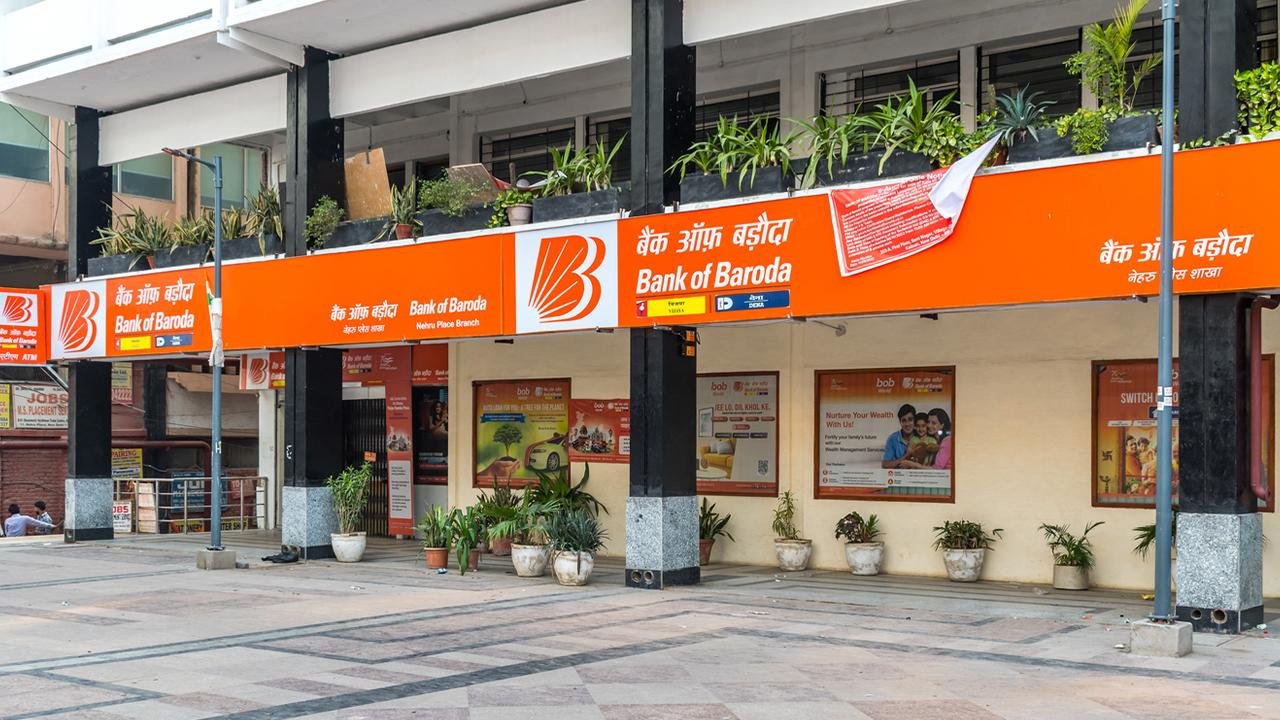
For the average consumer, Bank of Baroda offers a blend of safety and modern convenience. As a public sector bank, it carries the implicit backing of the Government of India, making it a safe haven for life savings. The digital-first approach means that most services, from personal loans to fixed deposit renewals, are available via smartphone, reducing the need for physical branch visits.
For investors, the bank represents a value play in the banking, financial services, and insurance (BFSI) sector. With a Price-to-Book (P/B) value that is often lower than private sector competitors despite similar growth metrics, it offers a margin of safety. The consistent dividend payout ratio also makes it attractive for income-focused portfolios. However, investors must stay informed about the bank’s quarterly results and any changes in the regulatory environment that might impact capital requirements.
Expert Verdict and Future Outlook
The outlook for Bank of Baroda is cautiously optimistic. The bank has successfully shed the image of a sluggish public sector entity, replacing it with a data-driven, customer-centric identity. The primary challenge moving forward will be the rising cost of deposits as competition for liquidity intensifies among Indian banks. Furthermore, the bank must continue to innovate in the Artificial Intelligence and Machine Learning space to improve credit scoring and fraud detection.
Industry experts suggest that if Bank of Baroda maintains its credit cost below 1 percent and continues to grow its retail book at 15 percent annually, it will likely see a further rerating of its stock. The integration of ESG (Environmental, Social, and Governance) factors into its lending practices will also be a key differentiator in attracting global institutional investment in the coming years.
Frequently Asked Questions
- Is Bank of Baroda a safe bank for long-term deposits? Yes, as a major public sector bank with majority government ownership and a high Capital Adequacy Ratio of 16.31 percent, it is considered one of the safest financial institutions in India.
- How has the bob World app issue affected customers? While there were temporary restrictions on onboarding new customers via the app in late 2023, the bank has implemented corrective measures. Existing services remained largely unaffected, and the bank has focused on enhancing security protocols.
- What are the current interest rates for home loans at Bank of Baroda? Interest rates are typically tied to the Repo Linked Lending Rate (RLLR) and vary based on the borrower’s credit score. They generally range between 8.40 percent and 10.60 percent.
- Does the bank offer international banking services for students? Yes, Bank of Baroda is a leader in education loans for overseas studies and provides specialized forex cards and remittance services for students.
- What is the significance of the Vijaya and Dena Bank merger? The merger, completed in 2019, allowed Bank of Baroda to expand its footprint in Western and Southern India, optimize its operational costs, and leverage a larger capital base for high-value corporate lending.
Important Note: Financial Disclaimer: This content is for educational purposes only and does not constitute professional financial advice. Always consult with a certified financial planner before making investment decisions.
Conclusion
Bank of Baroda has successfully redefined its role in the modern economy by combining the trust of a century-old institution with the agility of a digital competitor. Its strong financial performance in FY24, characterized by high profits and low bad loans, cements its position as a pillar of Indian banking. For stakeholders, the bank offers a compelling story of transformation and resilience, provided it continues to navigate the digital landscape with transparency and technological precision.





Comments 0
Leave a Reply
Your email address will not be published. Required fields are marked *
Be the first to share your thoughts!