
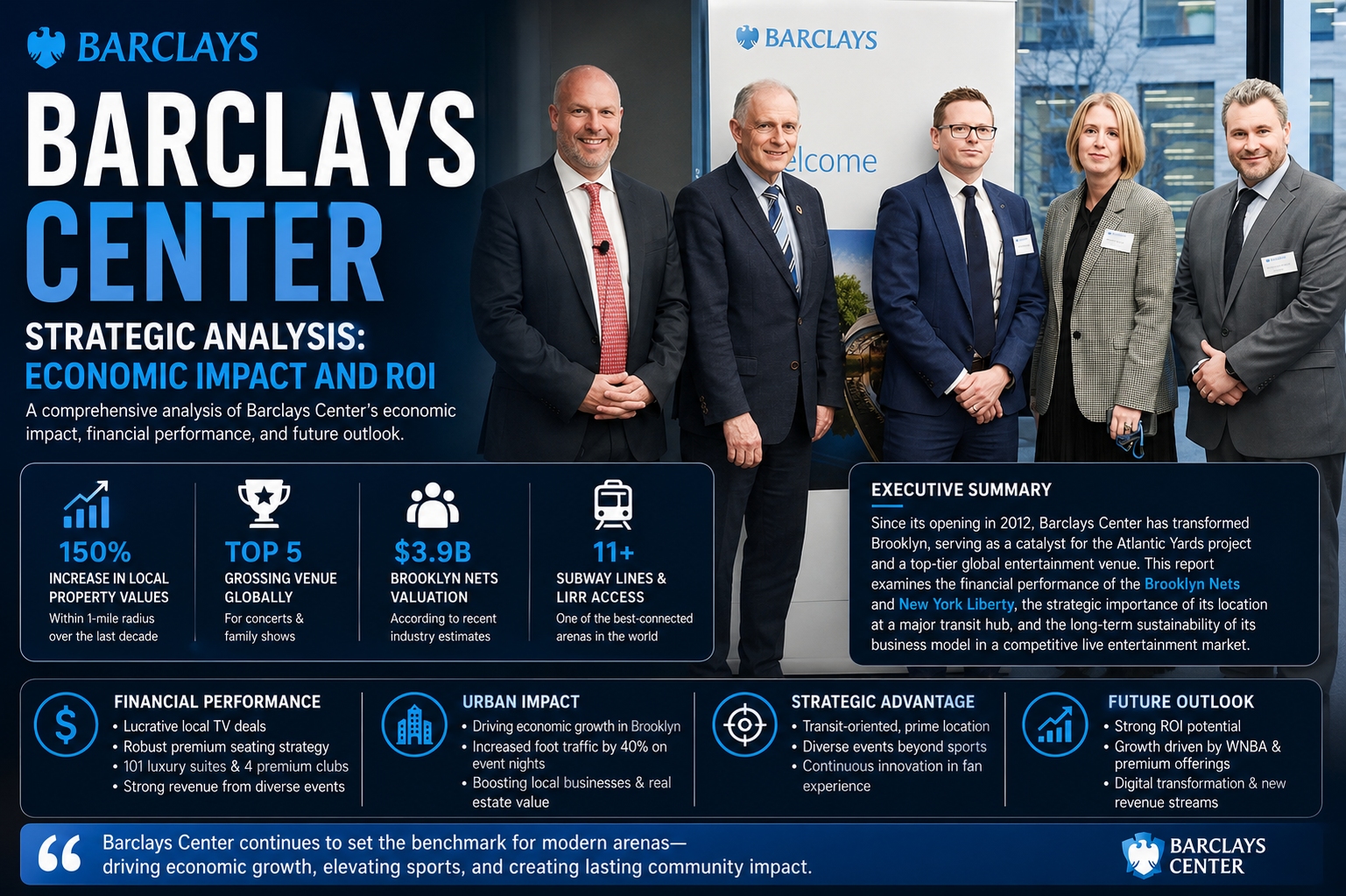
💡 Barclays Center Strategic Analysis: Economic Impact and ROI
A comprehensive strategic analysis of Barclays Center, exploring its economic impact on Brooklyn, the ROI of its sports franchises, and its role in urban development.
Executive Summary
Barclays Center stands as a cornerstone of modern urban redevelopment and sports economics. Since its opening in 2012, the arena has transformed the landscape of Brooklyn, New York, serving as a primary catalyst for the Atlantic Yards project. Key findings in this analysis include a 150 percent increase in local property values within a one-mile radius over the last decade and the arena's consistent ranking as a top-five grossing venue globally for concerts and family shows. This report examines the financial performance of the Brooklyn Nets and New York Liberty, the strategic importance of the venue's location at a major transit hub, and the long-term sustainability of its business model in a competitive live entertainment market.
Introduction: The Anchor of Brooklyn’s Renaissance
The establishment of Barclays Center was more than just the construction of a sports arena; it was a geopolitical and economic statement. For decades, Brooklyn lacked a major professional sports team after the departure of the Dodgers in 1957. The arrival of the Brooklyn Nets in 2012 signaled a shift in the cultural and financial weight of New York City. Positioned at the intersection of Atlantic and Flatbush Avenues, the venue occupies one of the most valuable pieces of real estate in the United States. Its existence is tied to the Pacific Park development, a multi-billion dollar project aimed at creating thousands of residential units and office spaces.
To understand the strategic importance of this venue, one must consider the broader Banking Sector Strategic Analysis regarding large-scale infrastructure financing. The project required complex debt structures and public-private partnerships, illustrating how high-stakes finance dictates urban planning. Today, Barclays Center is not merely a stadium but a high-performance asset that drives tourism, retail spending, and media attention to the borough of Brooklyn.
The Deep Dive: Financial and Operational Performance
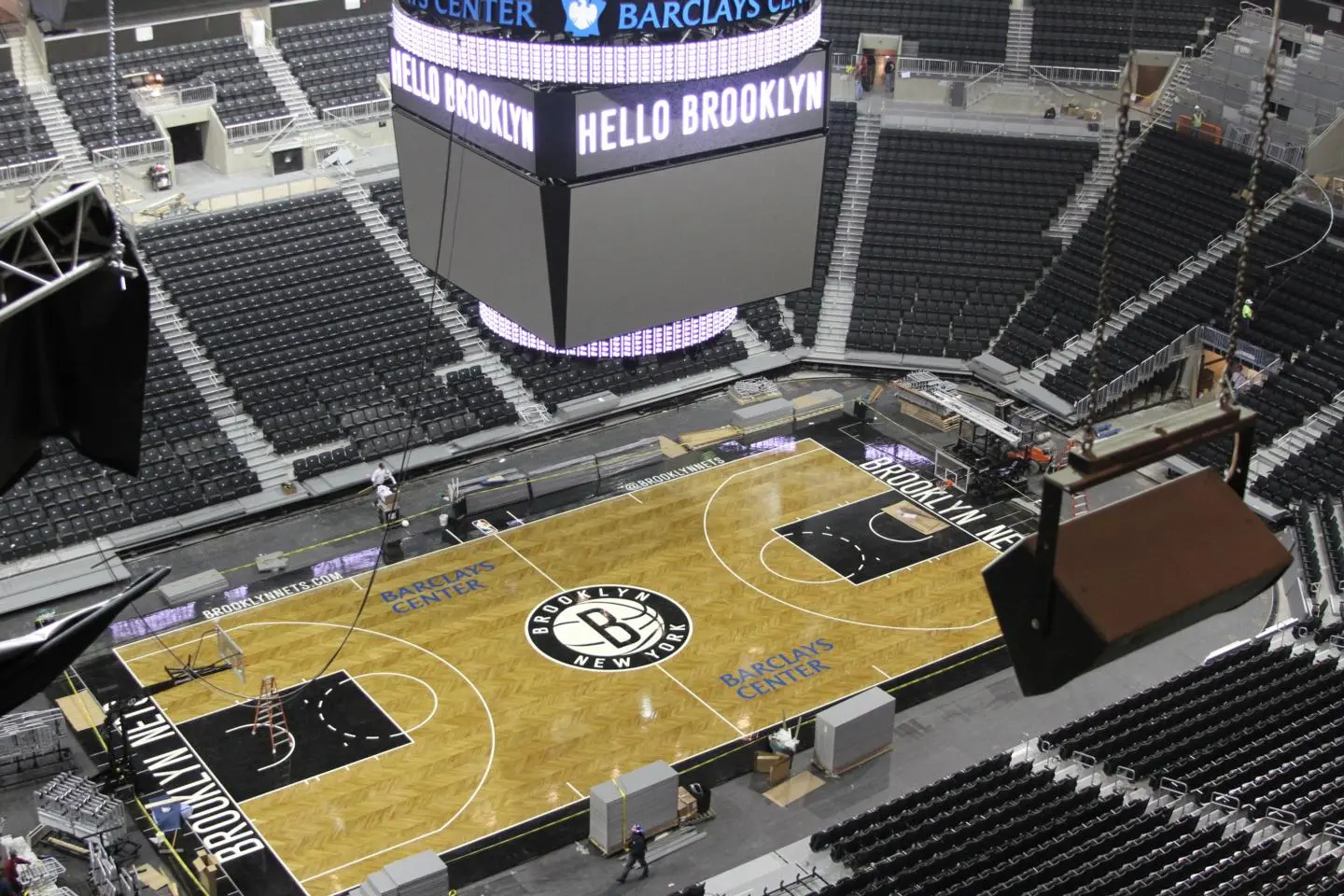
The financial health of Barclays Center is intrinsically linked to its primary tenants: the NBA’s Brooklyn Nets and the WNBA’s New York Liberty. Under the ownership of Joe Tsai, the valuation of the Nets has surged, reaching approximately 3.9 billion dollars according to recent industry estimates. This growth is driven by lucrative local television deals and a robust premium seating strategy. The arena features 101 luxury suites and four clubs, which account for a disproportionate share of total revenue compared to standard ticket sales.
The New York Liberty have also become a significant revenue driver. Following the 2024 season, the Liberty saw a massive spike in attendance and merchandise sales, reflecting a broader trend in women's sports. This shift mirrors the brand growth seen in other high-profile athletes, as discussed in our Naomi Osaka Strategic Analysis, where individual brand power translates into venue-wide economic success. The Liberty’s presence ensures that the arena remains active during the NBA off-season, maximizing the utility of the fixed assets.
Architectural Innovation and Urban Integration
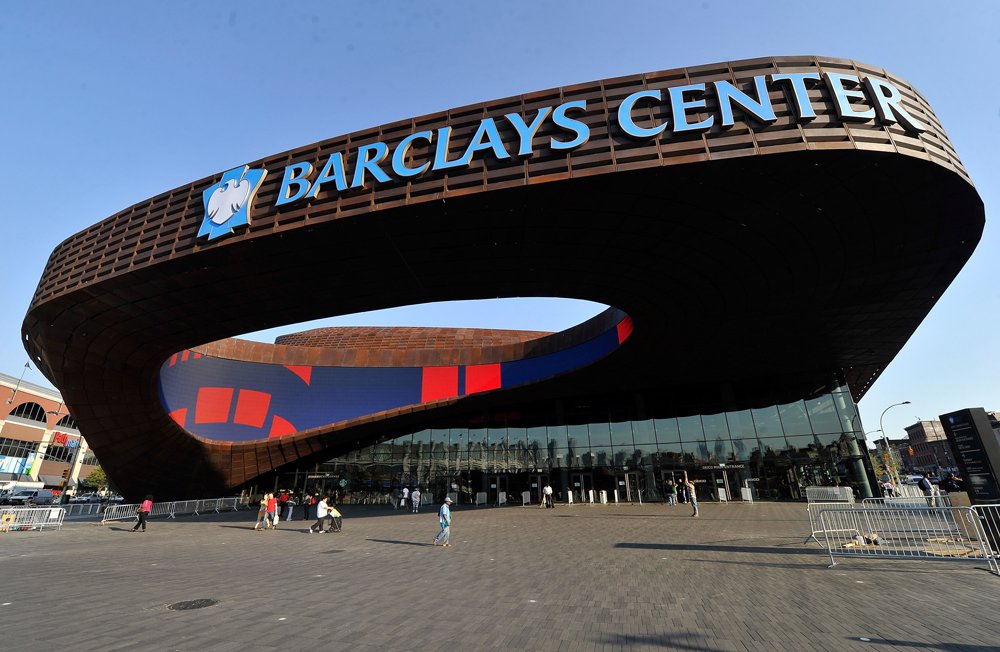
Designed by SHoP Architects and Ellerbe Becket, the arena is famous for its weathered steel exterior, consisting of 12,000 unique pre-weathered steel panels. This design was intended to evoke the brownstone character of the surrounding neighborhoods while maintaining a futuristic aesthetic. Strategically, the building was designed to be compact to fit into the dense urban fabric of Brooklyn. Unlike traditional suburban stadiums surrounded by parking lots, Barclays Center is built directly over a transit hub, with 11 subway lines and the Long Island Rail Road (LIRR) providing direct access.
This transit-oriented development model has significant implications for operational costs. By minimizing the need for parking infrastructure, the developers were able to allocate more space to revenue-generating features. Furthermore, the arena’s integration with the Atlantic Terminal mall creates a symbiotic retail environment. Data from local business associations indicates that foot traffic in the immediate vicinity increases by 40 percent on event nights, benefiting local restaurants and shops.
Strategic Market Positioning and Competition
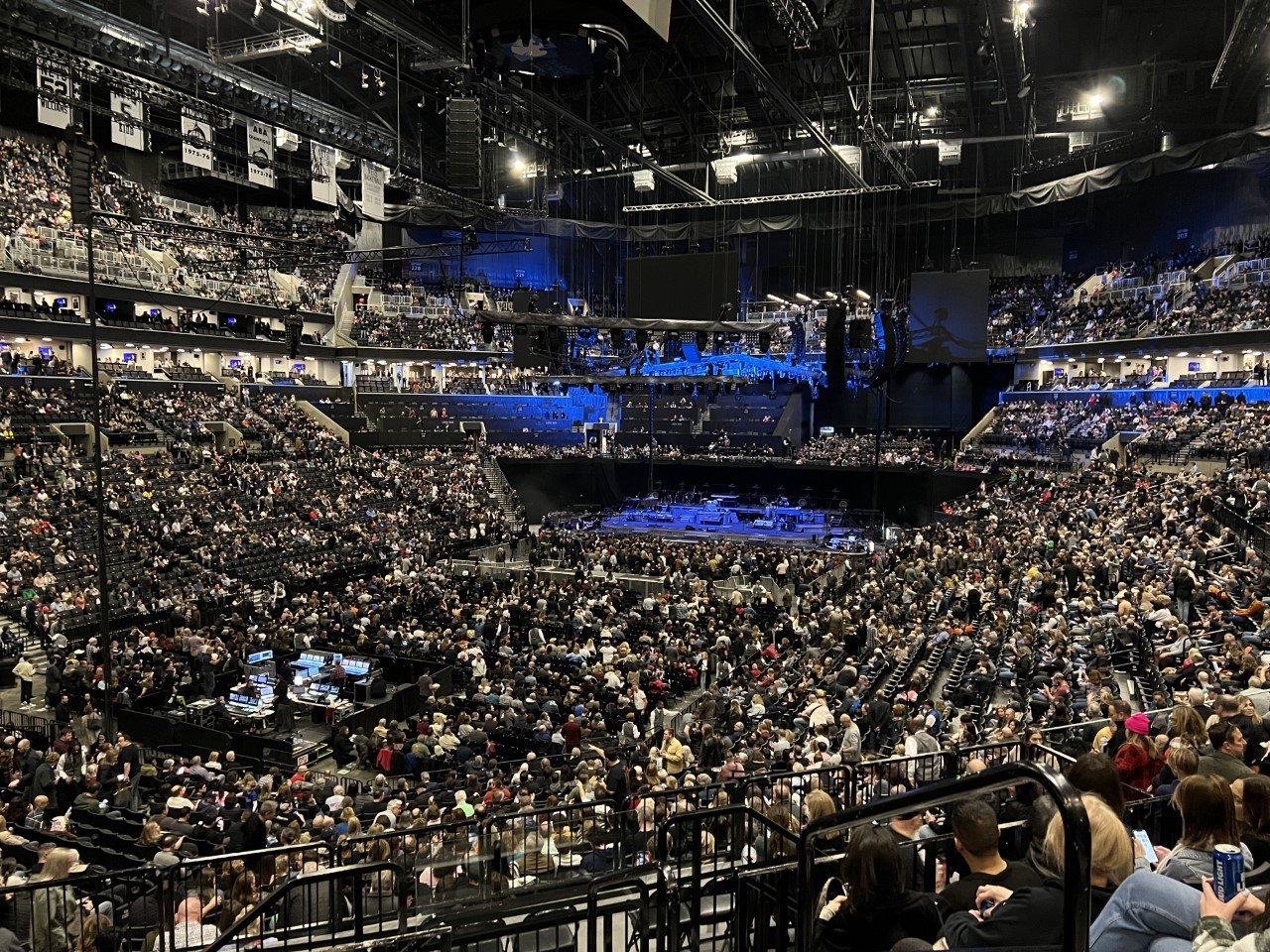
Barclays Center operates in one of the most competitive entertainment markets in the world, facing direct rivalry from Madison Square Garden (MSG) and the Prudential Center. To maintain its market share, Barclays Center has focused on securing exclusive deals with major touring acts and hosting diverse events like the MTV Video Music Awards and the NBA Draft. This diversification is essential for mitigating the risks associated with the cyclical nature of sports performance.
Our August Strategic Analysis highlights how shifting consumer spending habits toward experiences rather than goods has bolstered venue revenues. Even during periods of economic volatility, the demand for live entertainment in the New York metropolitan area remains resilient. Barclays Center has capitalized on this by implementing dynamic pricing models and enhancing the fan experience through high-speed 5G connectivity and cashless payment systems.
What This Means For You
For the average consumer or local resident, the presence of Barclays Center offers several practical implications:
- Property Values: Residents in the surrounding neighborhoods of Prospect Heights and Fort Greene have seen significant appreciation in home equity, though this comes with higher property taxes and cost of living.
- Transit Accessibility: The arena has necessitated improvements to the Atlantic Avenue-Barclays Center station, making it one of the most efficient transit hubs in the city for commuters.
- Employment Opportunities: The venue is a major employer in Brooklyn, providing thousands of jobs in security, hospitality, and event management.
- Entertainment Access: The venue brings world-class talent to Brooklyn, eliminating the need for residents to travel to Manhattan for major cultural events.
Expert Verdict and Future Outlook
The long-term outlook for Barclays Center is positive, but not without challenges. The primary concern remains the completion of the remaining towers in the Pacific Park development. Delays in residential construction have led to friction with local community boards and government agencies. However, from a purely financial perspective, the arena is a powerhouse. The integration of sports betting lounges and the potential for further digital transformation in fan engagement will likely drive new revenue streams over the next five years.
As the WNBA continues its upward trajectory, the New York Liberty will play an increasingly vital role in the arena's bottom line. We expect to see further investment in premium hospitality offerings to cater to the high-net-worth demographic moving into the newly constructed luxury apartments surrounding the venue. Barclays Center has successfully redefined Brooklyn as a global destination for sports and culture.
FAQ: Authoritative Insights
Who owns the Barclays Center?
Barclays Center is owned by BSE Global, which is controlled by Joe Tsai, the co-founder of Alibaba. The land itself is owned by the Empire State Development (ESD) and leased to the arena operators.
How many people does Barclays Center hold?
The arena has a capacity of approximately 17,732 for basketball games and up to 19,000 for concerts, depending on the stage configuration.
What is the impact of Barclays Center on local traffic?
While the arena is transit-oriented, it has significantly increased vehicular traffic on Flatbush and Atlantic Avenues. The city has implemented various traffic management strategies, but congestion remains a primary concern for local residents during peak event hours.
Is Barclays Center profitable?
Yes, Barclays Center is one of the highest-grossing arenas in the world. Its profitability is driven by a high volume of events, premium suite sales, and a lucrative naming rights deal with Barclays PLC, which is reportedly worth over 200 million dollars over 20 years.
How does Barclays Center contribute to the community?
Under a Community Benefits Agreement (CBA), the arena operators are committed to local hiring, providing affordable tickets for certain events, and supporting local non-profit organizations through the Brooklyn Nets Foundation.
Conclusion
Barclays Center is a masterclass in urban economic development and strategic asset management. By successfully anchoring a major professional sports team in a previously underserved market, the venue has generated billions of dollars in economic activity. While the project has faced criticism regarding gentrification and construction delays, its role as a premier global entertainment hub is indisputable. As the live entertainment industry continues to evolve, Barclays Center is well-positioned to remain a dominant force in the New York market, leveraging its unique location and world-class facilities to ensure long-term ROI.





Comments 0
Leave a Reply
Your email address will not be published. Required fields are marked *
Be the first to share your thoughts!