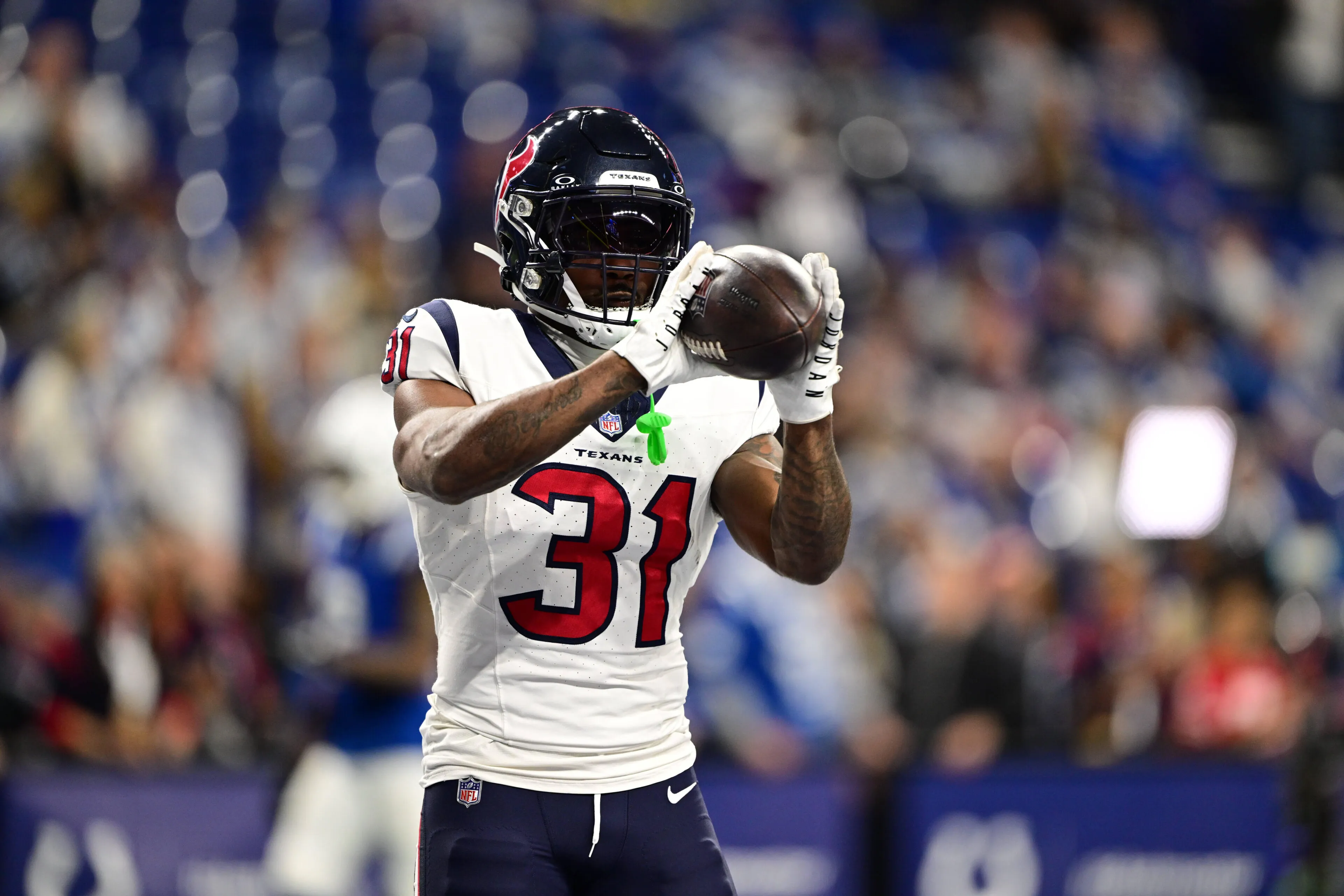
Running back roles in football have changed a lot in recent years. While many teams prioritize versatile players who can operate as receivers, there remains a vital need for the traditional power runner who can generate yards after contact. Dameon Pierce has emerged as a primary example of this physical archetype. Known for his aggressive north-south running style and exceptional contact balance, Pierce has become one of the most promising power runners in modern professional football. Understanding his trajectory requires a deep dive into his collegiate foundation, his transition to the professional level, and the technical nuances that define his performance on the field.
The value of a running back is often measured by their ability to remain efficient regardless of the blocking scheme. For Dameon Pierce, his reputation was built on his tenacity at the University of Florida, where he showcased a rare blend of lower-body strength and vision. This article explores his playing style, the importance of scheme fit in professional leagues, and how he navigates the complexities of modern defensive fronts.
The Anatomy of a Power Runner: Mechanics and Physicality
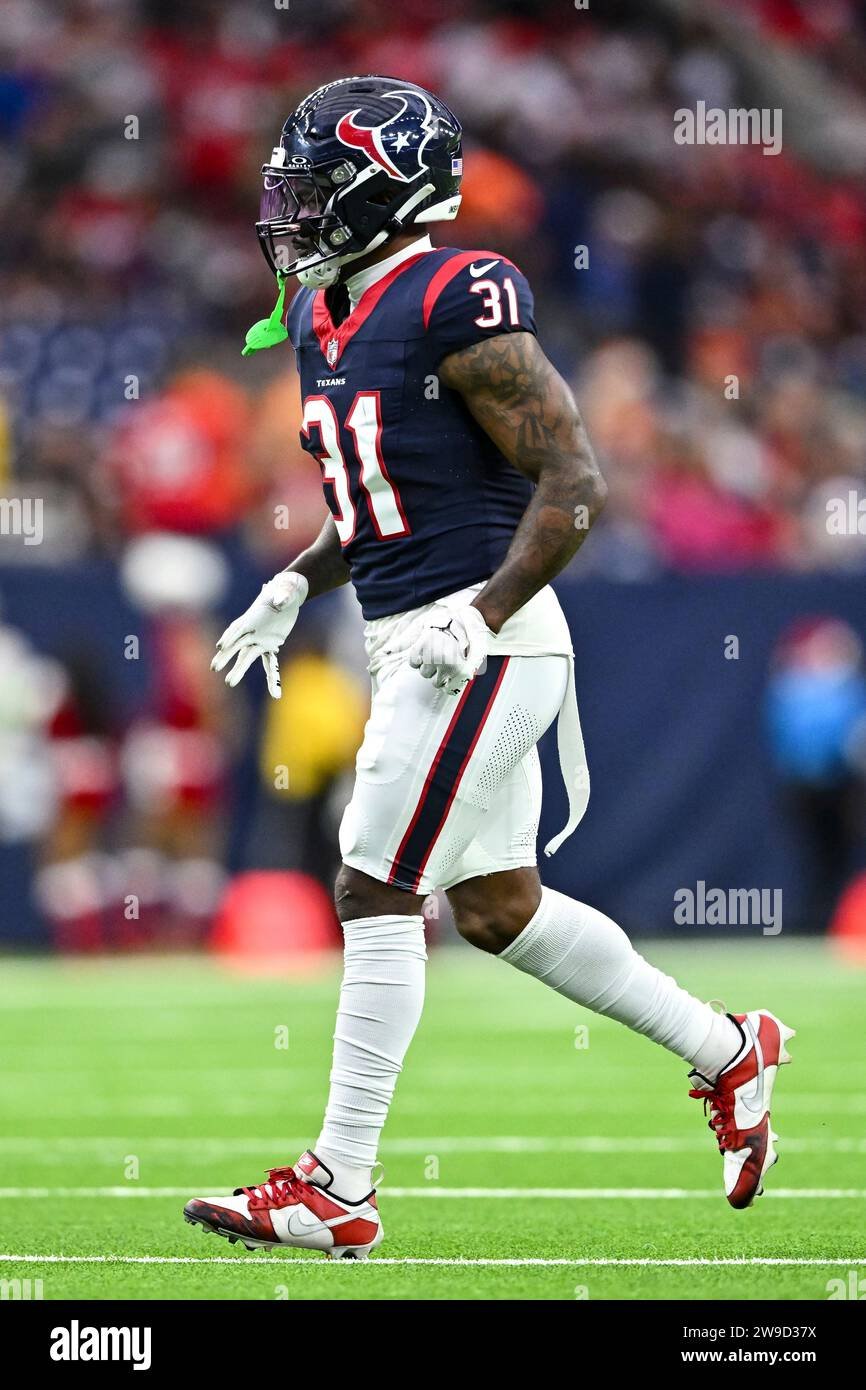
The success of a player like Dameon Pierce is not accidental; it is rooted in specific physical mechanics. A power runner must possess a low center of gravity and the ability to maintain momentum when met with resistance. Pierce excels in what is known as contact balance. This is the ability to absorb a hit from a defender and remain upright to continue the play. Unlike speed-based backs who look to outrun the secondary, power backs like Pierce use their quadriceps and core strength to drive through arm tackles.
One of the core concepts in Pierce's game is his leg drive. When a defender initiates contact, Pierce often keeps his feet moving, a technique taught at the highest levels of the sport to maximize yardage. In many games, his yards-after-contact numbers have ranked among the most impressive for young players in the league. This style of play is particularly effective in short-yardage situations and near the goal line, where the margin for error is slim.
Understanding Scheme Fit: Gap vs. Zone Blocking
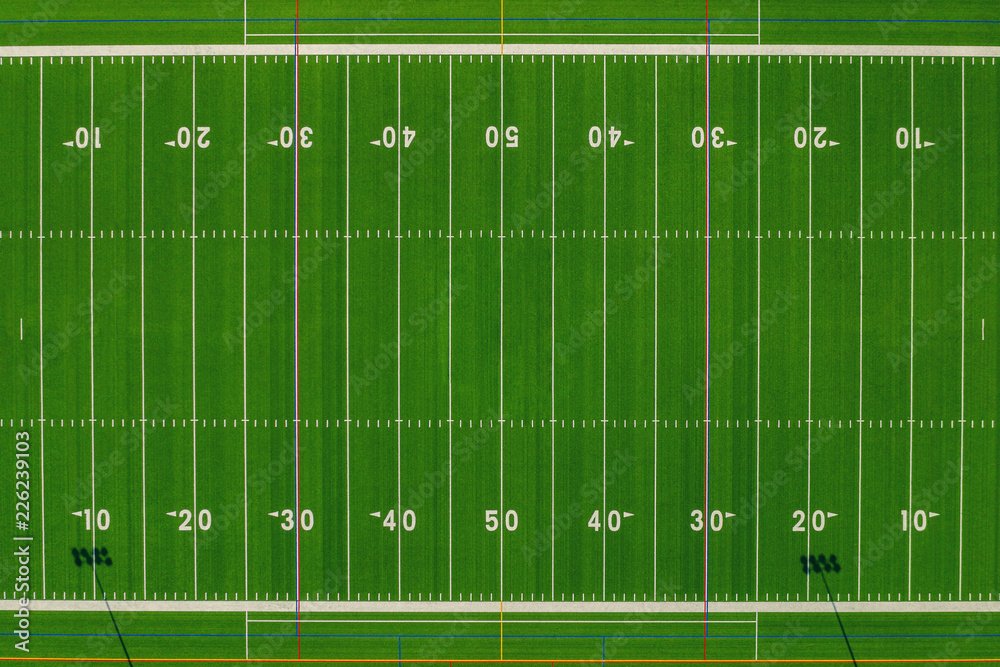
A critical aspect of any professional athlete's career is the system in which they play. For running backs, this usually comes down to two primary types of blocking: Gap and Zone. Dameon Pierce has experienced both, and the difference is vital for fans and students of the game to understand. In a Gap or Power scheme, the offensive line is responsible for creating a specific hole for the runner. This suits Pierce's aggressive, decisive nature, as it allows him to identify the lane and accelerate immediately.
In contrast, many modern offenses utilize a Wide Zone or Outside Zone blocking scheme. In this system, the offensive line moves laterally, and the running back must wait for a lane to develop before making a single cut. According to professional scouting reports, some players naturally gravitate toward one style over the other. Pierce's transition between these systems provides a case study in how offensive philosophy impacts individual production. For a runner who thrives on downhill momentum, the horizontal nature of a zone scheme requires a shift in timing and patience.
Technical Breakdown: Pass Protection and Receiving
To be a complete back in the modern era, a player must do more than just carry the ball. Pass protection is often the most difficult skill for young running backs to master. It involves identifying blitzing linebackers and maintaining a solid base to protect the quarterback. Pierce's physical frame and willingness to engage in contact make him a reliable asset in pass-blocking situations. This versatility allows him to stay on the field during third-down situations, which is crucial for maintaining offensive rhythm.
Furthermore, the ability to catch passes out of the backfield adds another layer to an offense. While Pierce is primarily known as a bruiser, his development as a receiver has been a point of focus for coaching staffs. By becoming a threat in the flat or on screen plays, a running back can force the defense to spread out, creating more room for the run game later.

Common Challenges and Professional Adaptation
The career of a professional running back is often characterized by the need for constant adaptation. Injuries are a common challenge due to the high-impact nature of the position. For a player with Pierce's style, the physical toll can be significant. This necessitates a rigorous off-season training program focused on durability and flexibility. Additionally, the introduction of new teammates and coaching changes can alter a player's role within the team hierarchy.
As per league performance metrics, the average career span for a running back is shorter than most other positions. Therefore, maximizing efficiency during their peak years is essential. Pierce has faced the challenge of competing for touches in a crowded backfield, a situation that requires mental toughness and a team-first mentality. This professional maturity is often what separates long-term starters from rotational players.
Pro Tips for Evaluating Running Back Talent
- Look for Contact Balance: A player who falls forward after a hit is often more valuable than one who has higher top-end speed but goes down easily.
- Analyze Vision: Watch if the runner anticipates the hole before it opens or if they simply run into the backs of their offensive linemen.
- Assess Pass Blocking: A running back who can block is more likely to earn the trust of the coaching staff and stay on the field for more snaps.
- Evaluate Scheme Versatility: Determine if the player can succeed in both power and zone systems, as this increases their longevity in the league.
Frequently Asked Questions
What makes Dameon Pierce's running style unique?
He runs with a highly physical style and is difficult to bring down once he gains momentum. He utilizes a low center of gravity and powerful leg drive to break tackles, making him a difficult player to bring down in one-on-one situations. His style is often described as angry or downhill.
How does the offensive line affect a running back's performance?
The offensive line is the foundation of the run game. In a power scheme, the line creates specific lanes, while in a zone scheme, they move as a unit to stretch the defense. The success of a runner like Pierce is heavily dependent on the line's ability to execute these blocks effectively.
What is the difference between a Power Back and a Scat Back?
A Power Back like Pierce focuses on strength, breaking tackles, and gaining tough yards between the tackles. A Scat Back is typically smaller, faster, and more focused on agility and catching passes in open space.
Why is pass protection important for running backs?
If a running back cannot block, the defense knows that a pass play is less likely when they are on the field, or they can exploit the back in blitz situations. Mastering pass protection makes the offense less predictable and keeps the quarterback safe.
Conclusion
Dameon Pierce represents the enduring importance of the power-running archetype in a league that is increasingly focused on the passing game. His blend of physicality, vision, and professional discipline serves as a model for aspiring athletes. By understanding the technical requirements of his position and the tactical importance of scheme fit, fans can gain a deeper appreciation for the complexities of the sport. As the game continues to evolve, players like Pierce remind us that the ability to gain tough yards through sheer will and technique remains a cornerstone of offensive success. The ultimate takeaway is that a running back's value is defined not just by their speed, but by their ability to adapt to the system and dominate the point of contact.



Comments 0
Leave a Reply
Your email address will not be published. Required fields are marked *
Be the first to share your thoughts!