
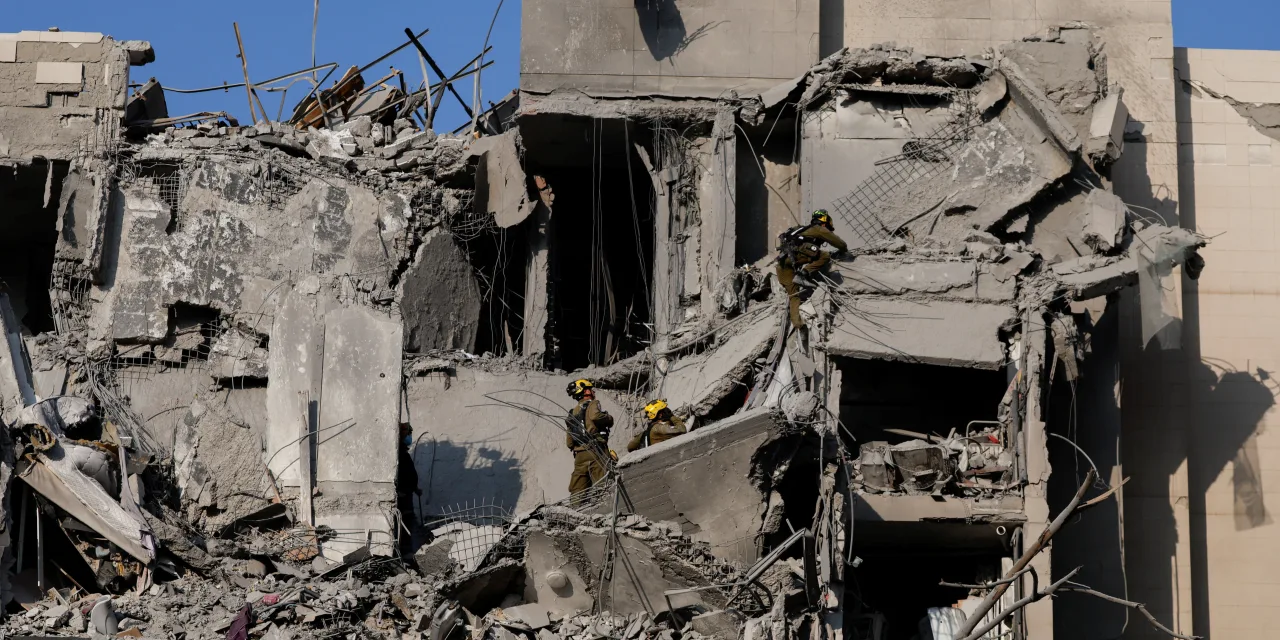
💡 Who is Dubai iran war?
Explore the complex geopolitical dynamics between Dubai and Iran, the importance of maritime security in the Persian Gulf, and the significant implications for India's energy and economic stability.
Geopolitical Tensions and Maritime Security: Understanding the Impact of a Potential Dubai Iran Conflict
The Persian Gulf remains one of the most strategically sensitive maritime corridors in the world. At the heart of this region lies the intricate relationship between the United Arab Emirates, specifically Dubai, and Iran. Any escalation of tension in these waters carries profound implications for global trade, energy security, and regional stability. For a country like India, which maintains deep economic and cultural ties with both nations, understanding the nuances of a potential Dubai Iran conflict is essential. This article provides an in-depth analysis of the geopolitical landscape, the importance of maritime safety, and the broader consequences of instability in the Gulf.

What is the strategic importance of Dubai in the Persian Gulf?
Dubai serves as a global hub for trade, finance, and logistics. Its geographical position near the Strait of Hormuz makes it a critical point for international shipping. According to global analysts, the Jebel Ali Port in Dubai is not just a regional asset but a cornerstone of the global supply chain. It acts as a gateway for goods entering the Middle East, Africa, and South Asia. Because of its proximity to Iran, Dubai has historically maintained a unique position, balancing its role as a Western ally with its status as a major trading partner for Iranian businesses.
Experts suggest that any disruption to the safety of Dubai’s ports or the surrounding waters would immediately resonate across the global economy. The Persian Gulf is the primary exit point for a significant portion of the world’s petroleum. When maritime security is compromised, such as through the targeting of commercial vessels or oil tankers, the cost of insurance for shipping rises, leading to increased prices for consumers worldwide. The stability of Dubai is, therefore, intrinsically linked to the stability of the global energy market.
How does maritime instability affect global energy corridors?
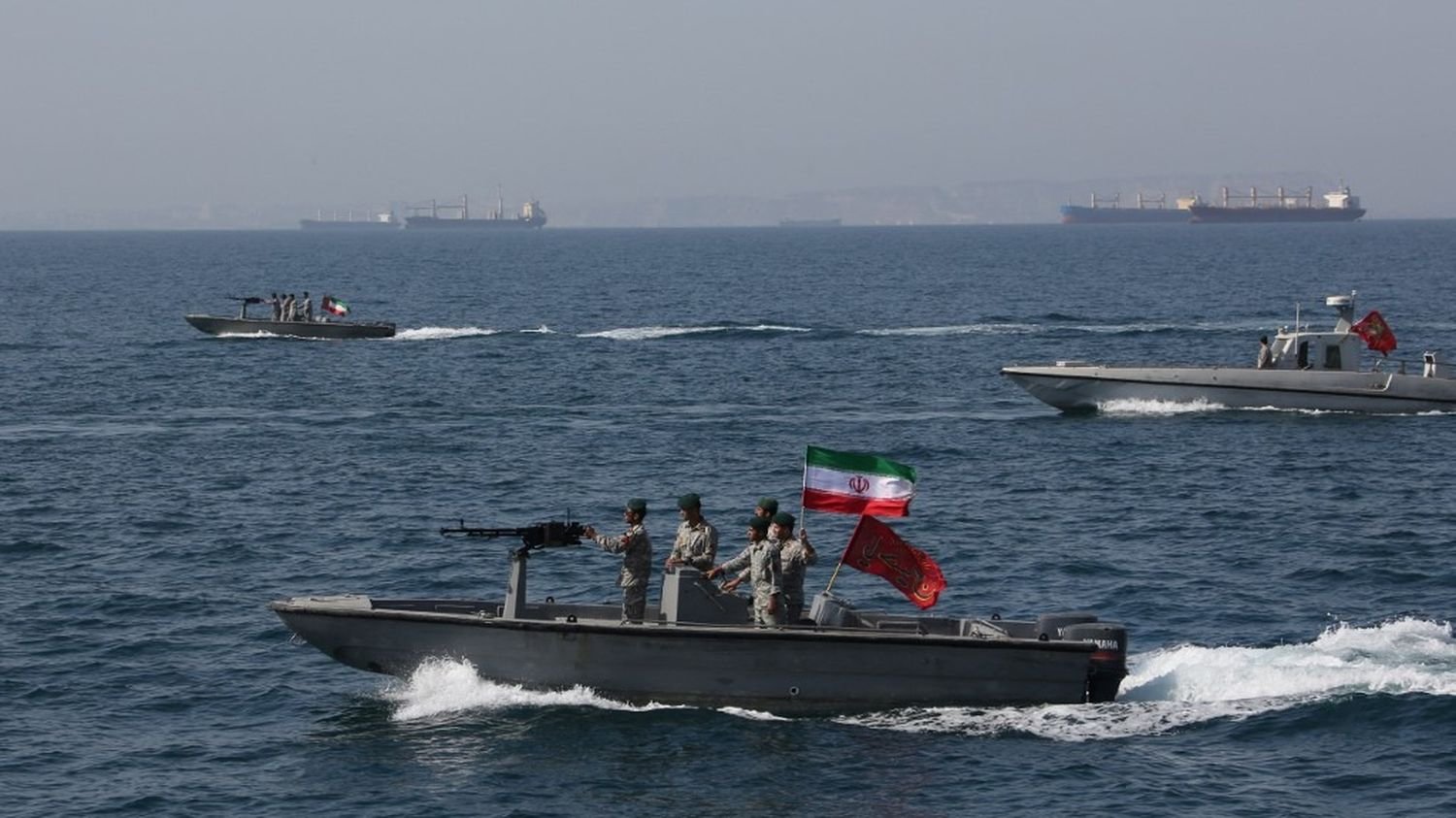
The Strait of Hormuz is a narrow waterway through which approximately 20 percent of the world’s total oil consumption passes daily. It is the only sea passage from the Persian Gulf to the open ocean. As per recent industry reports, even a minor threat to navigation in this area can cause immediate volatility in Brent crude oil prices. A conflict involving Dubai and Iran would likely center on this maritime choke point.
In a scenario where oil tankers are targeted, the global energy supply chain faces a dual threat: physical loss of cargo and the psychological fear of future disruptions. This often leads to stockpiling by major economies and a sharp spike in energy costs. For developing nations, these fluctuations can be devastating, impacting everything from transportation costs to the price of basic food items. International maritime law, governed by the United Nations Convention on the Law of the Sea, emphasizes the right of innocent passage, but enforcing these laws becomes increasingly difficult during active regional hostilities.
Why is India concerned about conflict in the Dubai Iran region?
India’s interest in the stability of the Persian Gulf is multi-faceted, involving energy security, the welfare of its diaspora, and economic remittances. According to geopolitical experts focusing on South Asia, India imports nearly 80 percent of its crude oil requirements, with a significant portion originating from or passing through the Gulf. Any conflict that hinders the flow of oil directly threatens India’s energy security and economic growth.
Furthermore, the United Arab Emirates is home to over 3.5 million Indian expatriates. Dubai, in particular, hosts a large portion of this community. In the event of a serious conflict, the safety and potential evacuation of these citizens would become a primary concern for the Indian government. Additionally, the remittances sent back to India by these workers are a vital source of foreign exchange. A regional war would not only endanger lives but also impact the livelihoods of millions of families back in India who rely on these funds.
The role of international peacekeeping and the United Nations
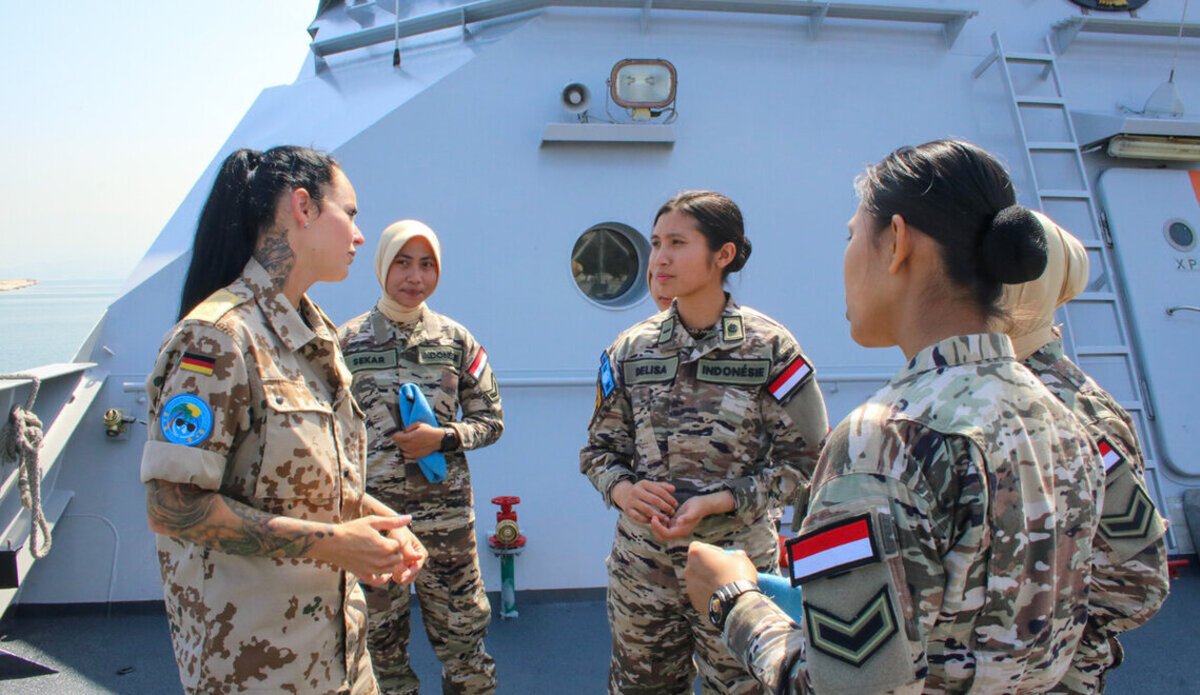
To maintain order in such a volatile region, international organizations often deploy monitors and peacekeeping forces. The presence of United Nations personnel is intended to act as a deterrent against aggression and to provide neutral observation of maritime activities. However, the involvement of UN soldiers also increases the stakes. If international peacekeepers are caught in the crossfire or targeted, it often leads to a broader internationalization of the conflict, drawing in global powers like the United States, China, and the European Union.
As per recent reports from international security agencies, the safety of UN personnel is a barometer for regional stability. When international observers are harmed, it signals a breakdown in diplomatic communication and an escalation toward conventional warfare. This necessitates a robust diplomatic response to prevent a localized skirmish from turning into a full-scale regional war that could involve multiple nations across the Middle East.
Core concepts of maritime security in the Gulf
Understanding the dynamics of a Dubai Iran conflict requires familiarity with several core concepts of maritime security:
- Freedom of Navigation: The principle that ships flying the flag of any sovereign state shall not suffer interference from other states, apart from the exceptions provided for in international law.
- Asymmetric Warfare: A type of conflict where one side uses unconventional tactics, such as small speedboats or naval mines, to challenge a more powerful conventional navy.
- Maritime Domain Awareness: The effective understanding of anything associated with the maritime domain that could impact security, safety, economy, or environment.
- Choke Point Logistics: The strategic management of narrow channels like the Strait of Hormuz, where even small disruptions can have massive global consequences.
Common mistakes in analyzing Middle Eastern conflicts
Analysts often make several errors when evaluating the potential for war between Dubai and Iran. One common mistake is viewing the United Arab Emirates as a monolithic entity. While the UAE has a unified foreign policy, the individual emirates like Dubai have specific economic interests that may lead them to prefer de-escalation over confrontation. Dubai’s economy is heavily reliant on being an open, safe hub for international business, making it highly averse to any form of kinetic conflict.
Another mistake is underestimating the complexity of proxy involvement. Conflicts in the Gulf are rarely just between two nations. They often involve a web of alliances, including non-state actors and global superpowers. Experts suggest that failing to account for these external players can lead to an inaccurate assessment of how long a conflict might last or how far it might spread. Finally, many observers focus solely on military hardware, ignoring the power of economic warfare, such as sanctions and cyberattacks, which can be just as damaging as physical strikes.
Pro tips for businesses and investors
For those with interests in the region, staying informed and prepared is crucial. Experts suggest the following strategies:
- Diversify Supply Chains: Do not rely solely on routes passing through the Strait of Hormuz. Explore alternative logistics hubs in the Mediterranean or Southeast Asia.
- Monitor Insurance Premiums: Sudden spikes in maritime insurance are often the first indicator of rising tensions. Use these trends as early warning signals.
- Understand Local Nuance: Follow local news outlets and diplomatic briefings from both the UAE and Iran to get a balanced perspective on the ground reality.
- Risk Assessment: Regularly update risk assessments for assets located in the Gulf, accounting for both physical security and potential economic disruptions.
- Stay Neutral: For international businesses, maintaining a neutral stance and focusing on humanitarian and economic continuity is often the safest path during geopolitical friction.
Frequently Asked Questions (FAQs)
Where is the most likely location for a maritime conflict between Dubai and Iran?
The most likely location is the Strait of Hormuz and the waters immediately surrounding the UAE coastline. This area is a critical bottleneck for global shipping and is where most maritime incidents have historically occurred.
How would a conflict in Dubai affect the Indian economy?
A conflict would likely lead to higher fuel prices in India due to disrupted oil supplies. It could also lead to a decrease in remittances and the logistical challenge of repatriating millions of Indian citizens working in the UAE.
What is the role of the United Nations in preventing a Dubai Iran war?
The UN works through diplomatic channels, mediation, and the deployment of observers to de-escalate tensions. The UN Security Council can also pass resolutions to enforce maritime safety and encourage dialogue between the involved parties.
Why are oil tankers often the target in these regional tensions?
Oil tankers are high-value targets that represent the economic lifeblood of the region. Targeting them is a way for a nation to exert pressure on the global community and demonstrate the ability to disrupt the world economy without necessarily engaging in a full-scale land invasion.
What can the international community do to ensure maritime safety?
The international community can conduct joint naval patrols, share intelligence on maritime threats, and provide technical assistance to regional coast guards to improve surveillance and response capabilities.
Conclusion
The prospect of a conflict between Dubai and Iran is a matter of grave concern for the entire world. The interconnected nature of global trade means that a localized incident in the Persian Gulf can trigger an economic crisis thousands of miles away. For India, the stakes are particularly high, involving the safety of its citizens and the security of its energy needs. While the situation remains complex, a focus on diplomacy, international maritime law, and regional cooperation is the only sustainable path forward. By understanding the strategic importance of these waters and the potential consequences of instability, the global community can better work toward maintaining peace in this vital part of the world.
Important Note: Financial Disclaimer: This content is for educational purposes only and does not constitute professional financial advice. Always consult with a certified financial planner before making investment decisions.
Related Media
Quick View: Geopolitical Tensions and Maritime Security: Understanding the Impact of a Potential Dubai Iran Conflict





Comments 0
Leave a Reply
Your email address will not be published. Required fields are marked *
Be the first to share your thoughts!