
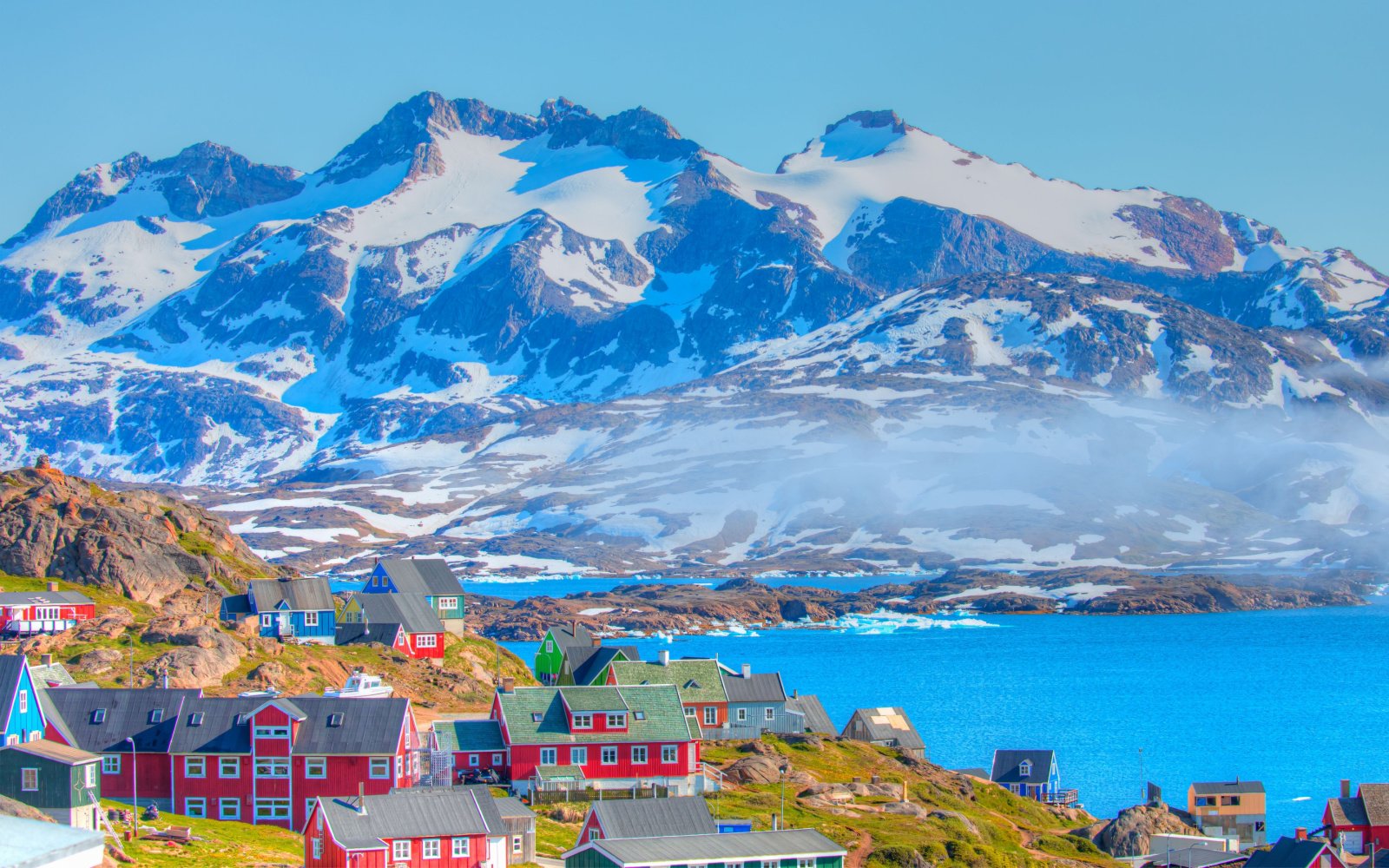
Greenland, the world's largest island, stands as a majestic frontier of ice, rock, and resilient culture. While it remains a territory of the Kingdom of Denmark, it possesses an autonomous identity that draws scientists, adventurers, and curious travelers from across the globe. For the Indian audience, Greenland represents one of the final frontiers of exploration, offering a stark contrast to the tropical landscapes of South Asia. Understanding Greenland requires looking beyond the white expanse of its ice sheet to appreciate its geopolitical value, its unique ecosystem, and its growing role in the global climate conversation.
According to reports from the United States Geological Survey (USGS) and the Arctic Council, Greenland is becoming a focal point for international interest due to its vast untapped natural resources and its strategic position in the Arctic Circle. As the world looks toward sustainable energy and new shipping routes, this island is no longer just a remote landmass but a central player in future global developments. For Indian researchers and high-end travelers, Greenland offers a unique perspective on the planet's history and its future challenges.
The Geography and Physical Landscape of Greenland
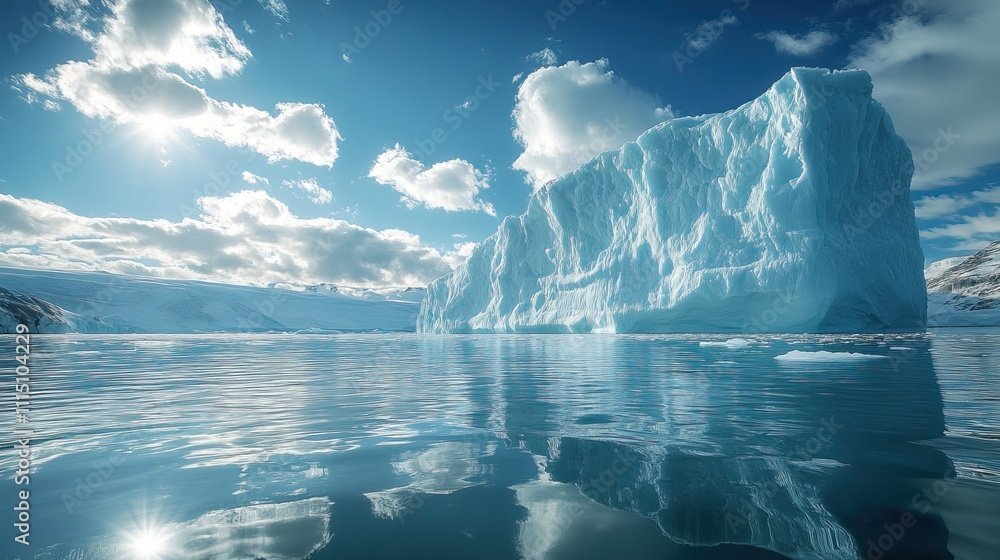
Greenland covers an area of approximately 2.16 million square kilometers. However, what makes its geography truly remarkable is that nearly 80 percent of this landmass is covered by the Greenland Ice Sheet. This ice sheet is the second largest in the world, surpassed only by the one in Antarctica. Scientific studies indicate that the ice reaches a thickness of over 3 kilometers in certain central regions, weighing down the landmass below sea level in some areas.
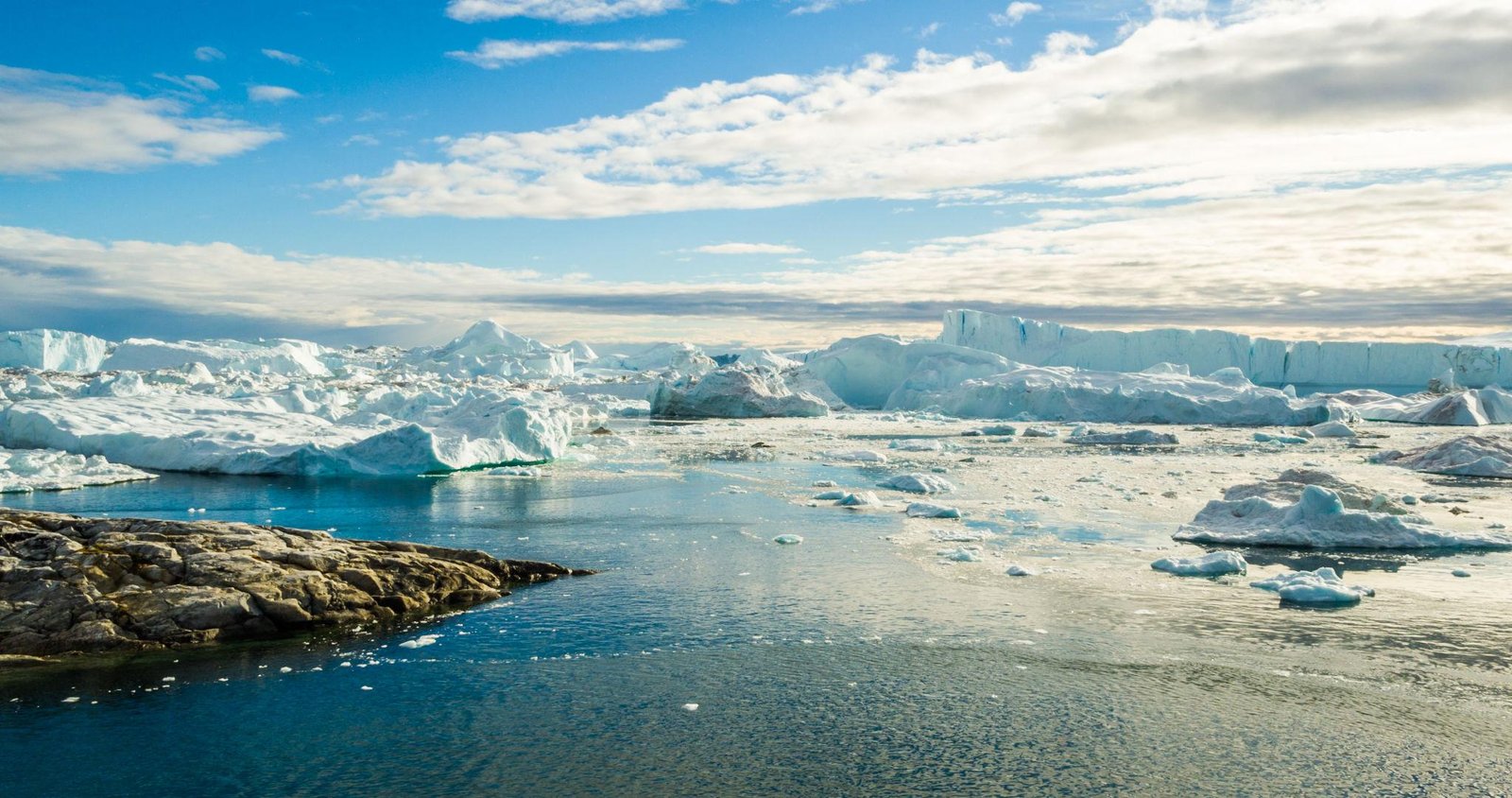
The ice-free coastal regions, though limited, are where the majority of the population resides. These areas are characterized by deep fjords, rugged mountains, and tundra. The Ilulissat Icefjord, a UNESCO World Heritage site, is perhaps the most famous geographical feature, where the Sermeq Kujalleq glacier meets the sea. This glacier is one of the fastest moving and most active in the world, calving massive icebergs into the Disko Bay. For more information, visit the official UNESCO World Heritage Centre: https://whc.unesco.org.
The climate in Greenland is classified as polar, but it varies significantly between the north and the south. While the northern regions experience extreme cold and long periods of darkness or light, the southern coastal areas can experience milder temperatures during the summer months, allowing for some limited agriculture and sheep farming. This environmental diversity is a key subject for those studying.
Travel Logistics for Indian Visitors
For Indian citizens planning a visit to Greenland, the logistics require careful preparation. Since Greenland is an autonomous territory of Denmark, the visa process is specific. A standard Schengen visa is not valid for Greenland. Indian travelers must apply for a Danish visa with specific authorization permitting entry into Greenland. Indian travelers must apply for a Danish Schengen visa that specifically includes an endorsement for Greenland. This is a critical distinction that many travelers overlook.
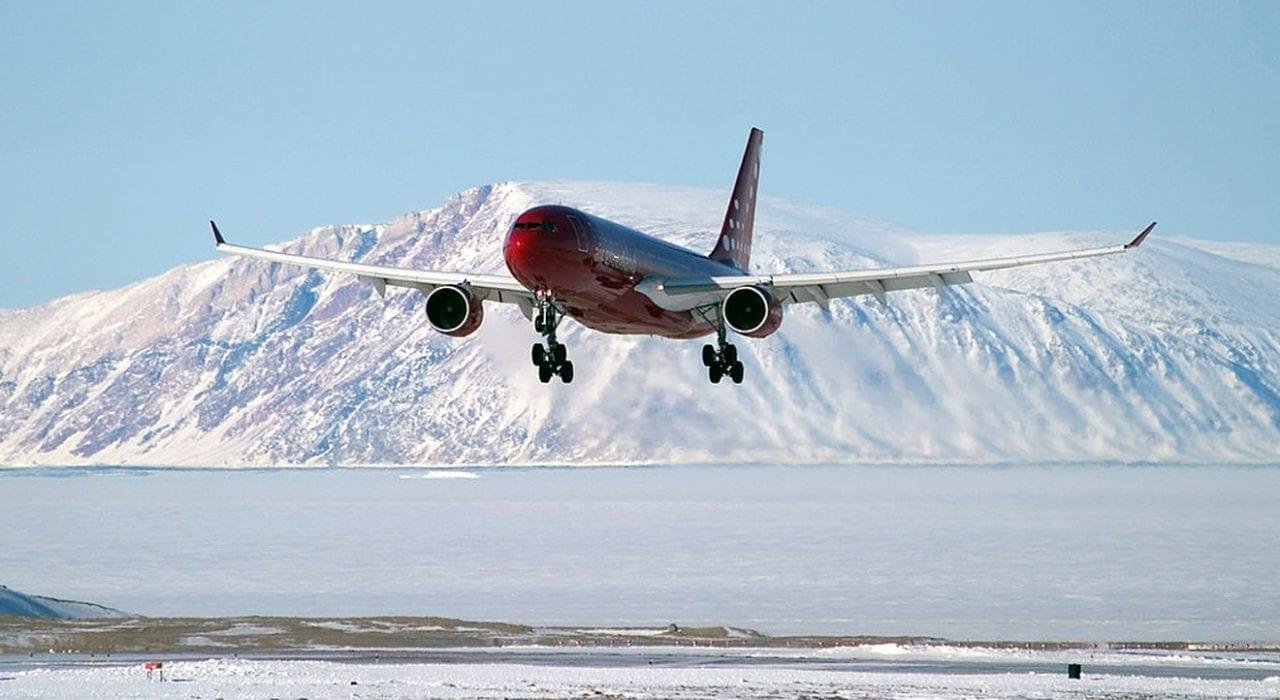
There are no direct flights from India to Greenland. The most common route involves flying from major Indian hubs like Delhi or Mumbai to Copenhagen, Denmark. From Copenhagen, Air Greenland operates regular flights to Kangerlussuaq or Narsarsuaq. Alternatively, travelers can fly via Reykjavik, Iceland, which offers seasonal connections to various Greenlandic towns. According to infrastructure and tourism reports from the Government of Greenland and Visit Greenland, the expansion of airports in Nuuk and Ilulissat is expected to improve international accessibility in the coming years.
The currency used is the Danish Krone (DKK). While credit cards are widely accepted in larger towns like Nuuk and Ilulissat, carrying some cash is advisable for smaller settlements. English is spoken by many in the tourism sector, but the official language is Greenlandic (Kalaallisut), with Danish also being widely used in administration and education.
Key Destinations and Experiences
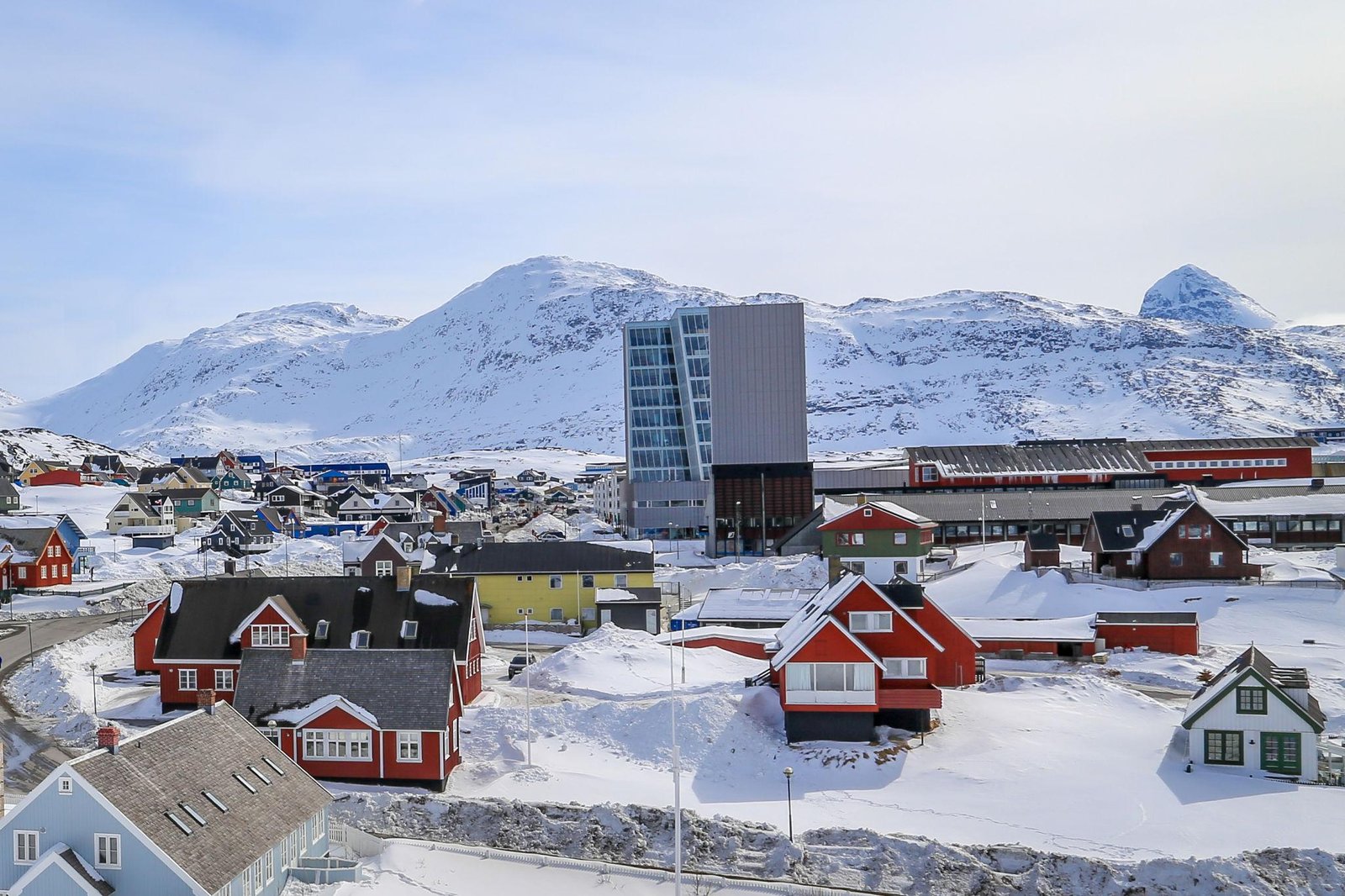
1. Nuuk (The Capital): Nuuk is a blend of traditional culture and modern urban life. The Greenland National Museum, located here, houses the famous Qilakitsoq mummies, which provide a window into the life of the Thule people from centuries ago. The city is also a hub for gourmet Arctic cuisine, where visitors can try local specialties like muskox and snow crab.
2. Ilulissat: Located in the west, this is the most popular tourist destination. The main attraction is the icefjord, where visitors can take boat tours among towering icebergs or hike along the coast to witness the sheer scale of the Arctic ice. Helicopter tours over the glacier provide a perspective that is impossible to gain from the ground.
3. East Greenland (Tasiilaq): For those seeking isolation and raw nature, East Greenland is less developed and more rugged. It offers opportunities for dog sledding in winter and kayaking among icebergs in the summer. The culture here remains deeply tied to traditional hunting and fishing practices.
Economic and Geopolitical Significance
Greenland is increasingly viewed as a land of immense economic potential. Experts suggest that the island holds some of the world's largest deposits of rare earth elements, which are essential for manufacturing electronics and green energy technologies like wind turbines and electric vehicle batteries. Additionally, there are significant reserves of minerals such as gold, iron ore, and zinc.
The melting of Arctic ice, while environmentally concerning, is also opening up new shipping routes. The Northern Sea Route and the Northwest Passage could significantly reduce transit times between Asia and Europe. For a maritime nation like India, these shifting trade routes are of strategic interest. Furthermore, Greenland's waters are rich in fisheries, which currently account for the majority of the island's export revenue.
According to global analysts, the geopolitical competition for influence in Greenland is intensifying. Major global powers are looking to establish stronger diplomatic and economic ties with the Greenlandic government, recognizing that the island will play a pivotal role in the 21st-century global economy. Further insights can be found on the official Arctic Council website: https://arctic-council.org.
Environmental Impact and Global Connections
The health of the Greenland Ice Sheet is a primary indicator of global climate change. Scientific data shows that the rate of ice loss has accelerated over the past two decades. This is not just a local issue; it has direct consequences for countries like India. As the ice melts, it contributes to global sea-level rise, which threatens coastal Indian cities such as Mumbai, Chennai, and Kolkata.
Researchers in Greenland are working to understand the feedback loops that cause rapid melting. For example, as the ice surface darkens due to dust or algae, it absorbs more solar radiation, leading to faster melting. International collaborations, including those involving Indian scientists through polar research programs, are essential for monitoring these changes and developing mitigation strategies. India's polar research initiatives are coordinated by the National Centre for Polar and Ocean Research (NCPOR): https://ncpor.res.in.
Common Mistakes and Pro Tips for Visitors
One of the most common mistakes travelers make is underestimating the weather. Even in summer, temperatures can drop rapidly, and wind chill can make it feel much colder than the thermometer suggests. Layering is essential. A moisture-wicking base layer, an insulating middle layer, and a waterproof, windproof outer shell are the standard requirements for any Arctic excursion.
Another mistake is failing to book activities and accommodation well in advance. Because the tourism season is short and the infrastructure is limited, popular tours and hotels in places like Ilulissat can be fully booked months ahead. Pro tip: If you want to see the Northern Lights (Aurora Borealis), plan your visit between September and April. For the Midnight Sun, where the sun never sets, visit between late May and July.
Respecting local culture is also paramount. The Inuit culture is deeply connected to the land and the sea. Visitors should be mindful of local customs, especially regarding photography of individuals and the consumption of traditional foods. Engaging with local guides not only provides a safer experience but also ensures that tourism revenue stays within the community.
Frequently Asked Questions (FAQ)
1. Is Greenland a country?
Greenland is an autonomous territory within the Kingdom of Denmark. It has its own domestic government and parliament, but Denmark handles its foreign affairs and defense.
2. Can I see the Northern Lights in Greenland?
Yes, Greenland is one of the best places in the world to view the Northern Lights. They are visible from most parts of the island from autumn through early spring when the skies are dark and clear.
3. What is the best time to visit Greenland?
The best time depends on your interests. For hiking, boat tours, and the Midnight Sun, June to August is ideal. For dog sledding and Northern Lights, the winter months from February to April are preferred.
4. How expensive is it to travel to Greenland?
Greenland is considered a high-cost destination. Due to its remote location, everything from flights to food must be imported or transported over long distances, making prices significantly higher than in mainland Europe or India.
5. Is it safe to travel to Greenland?
Greenland is very safe with extremely low crime rates. The primary safety concerns are related to the environment, such as extreme weather and rugged terrain. Always follow the advice of local guides and authorities.
Conclusion
Greenland is a land of profound contrasts, where ancient ice meets modern ambition. Whether it is the scientific community studying the impacts of a changing climate or travelers seeking the raw beauty of the Arctic, Greenland offers insights and experiences found nowhere else on Earth. As the island moves toward greater economic independence and global visibility, understanding its geography, culture, and challenges becomes increasingly important. For those in India and beyond, Greenland remains a testament to the resilience of nature and the human spirit in one of the most extreme environments on the planet.
The ultimate takeaway for any reader is that Greenland is not just a remote island of ice, but a critical barometer for the health of our planet and a burgeoning hub of geopolitical and economic significance.




Comments 0
Leave a Reply
Your email address will not be published. Required fields are marked *
Be the first to share your thoughts!