Understanding the Significance of Haifa
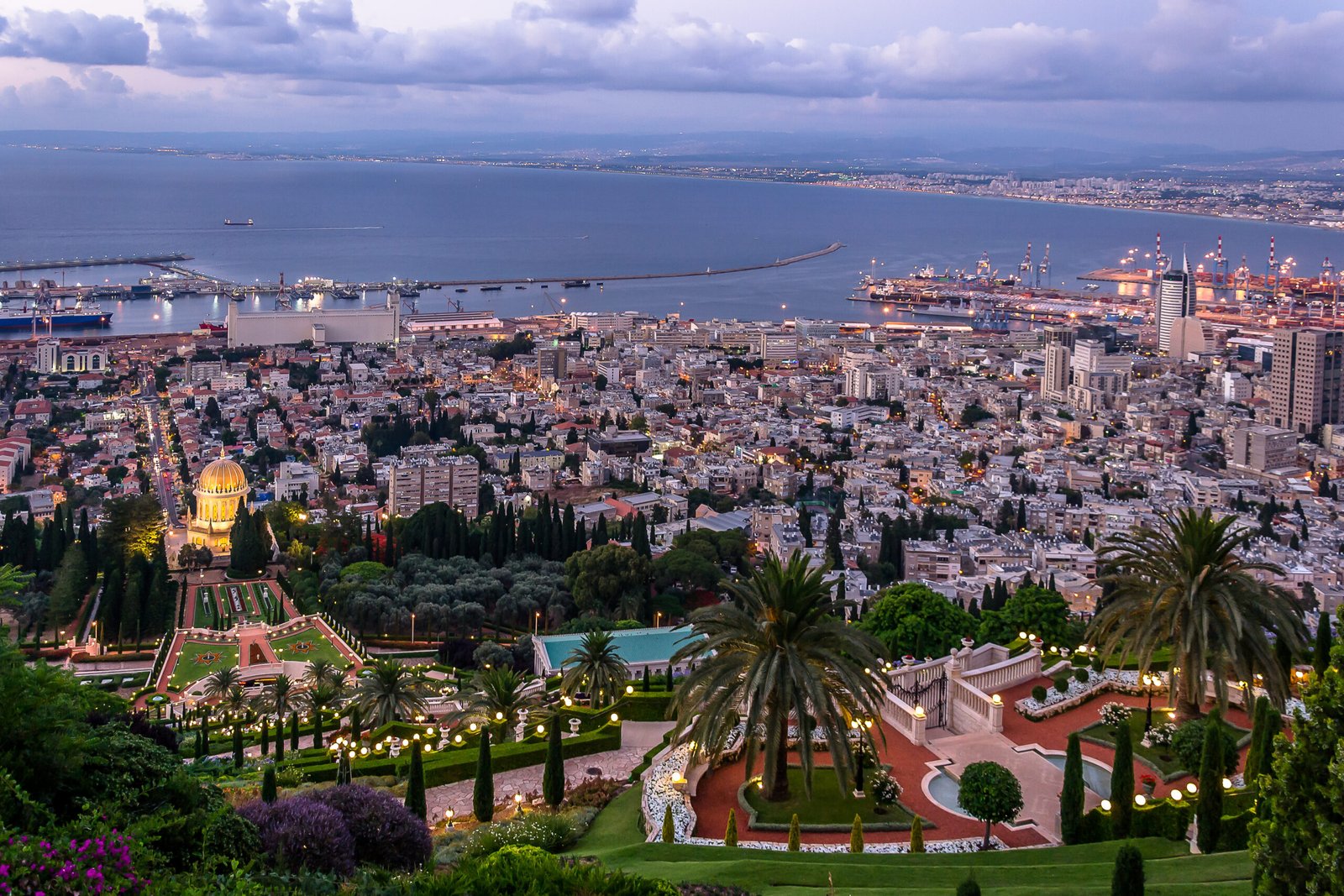
Haifa stands as a unique urban center in the Mediterranean basin, serving as a vital link between historical heritage and modern industrial innovation. As the third-largest city in Israel, it occupies a strategic position on the slopes of Mount Carmel, overlooking the Mediterranean Sea. This vertical orientation distinguishes Haifa from other coastal cities, creating a tiered urban structure that offers diverse microclimates and perspectives. For international observers and travelers, Haifa represents a successful model of urban planning where heavy industry, high-technology research, and spiritual centers coexist within a compact geographical area.
Haifa’s layout is commonly described as a three-tier city due to its unique hillside geography. The lower city is the hub of commerce and logistics, centered around the Port of Haifa. The middle level, known as Hadar HaCarmel, serves as a residential and traditional retail district. The upper level, situated on the ridge of Mount Carmel, hosts luxury residences, high-end hotels, and the city's major educational institutions. This stratification is not merely geographical but also reflects the historical evolution of the city from a small port town to a modern metropolis.
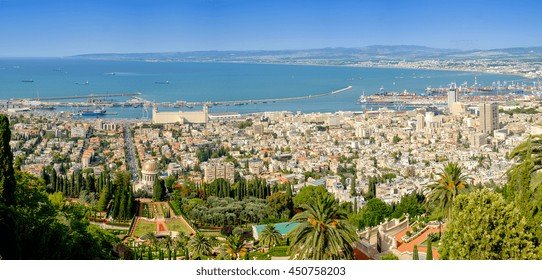
The importance of Haifa today lies in its role as a global center for the Bahai Faith and its contributions to the international technology sector. The city serves as a primary gateway for maritime trade, handling a significant portion of the region's imports and exports. Furthermore, the presence of world-class academic institutions like the Technion - Israel Institute of Technology ensures that the city remains at the forefront of scientific advancement. The Technion is considered one of the leading technology institutes in the region.
The Geography and Topography of Mount Carmel
Haifa is the only major city in the region built directly on a mountain range that meets the sea. Mount Carmel, often referred to as the Ever-Green Mountain, provides a lush backdrop to the urban landscape. This topography influences everything from transportation to local weather patterns. This shows that the elevation changes, ranging from sea level to approximately 546 meters (1,791 feet) at its highest point, create a unique urban experience where the Carmelit, an underground funicular, serves as one of the world's shortest subway systems to navigate the steep incline.
The mountain itself is composed primarily of limestone and dolomite, and it is home to the Mount Carmel National Park. This protected area offers extensive hiking trails and preserves local flora and fauna, acting as the lungs of the city. The interaction between the mountain and the sea creates a coastal breeze that helps mitigate the humidity common in Mediterranean summers. This geographical advantage has made the upper ridges of Haifa a preferred residential area for decades.
The Bahai World Centre: A UNESCO World Heritage Site
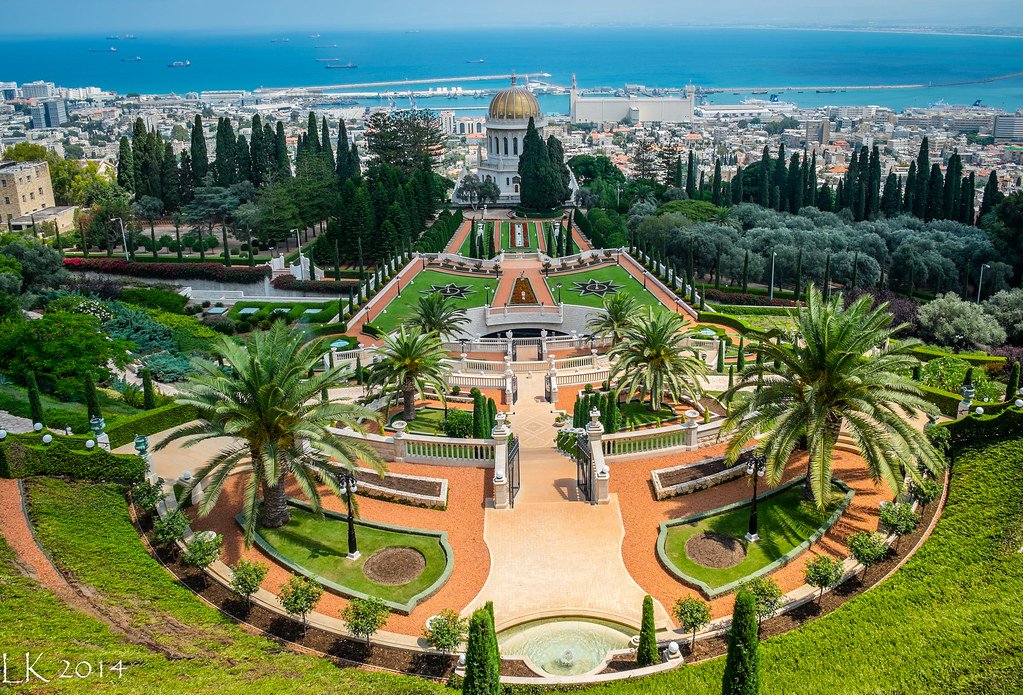
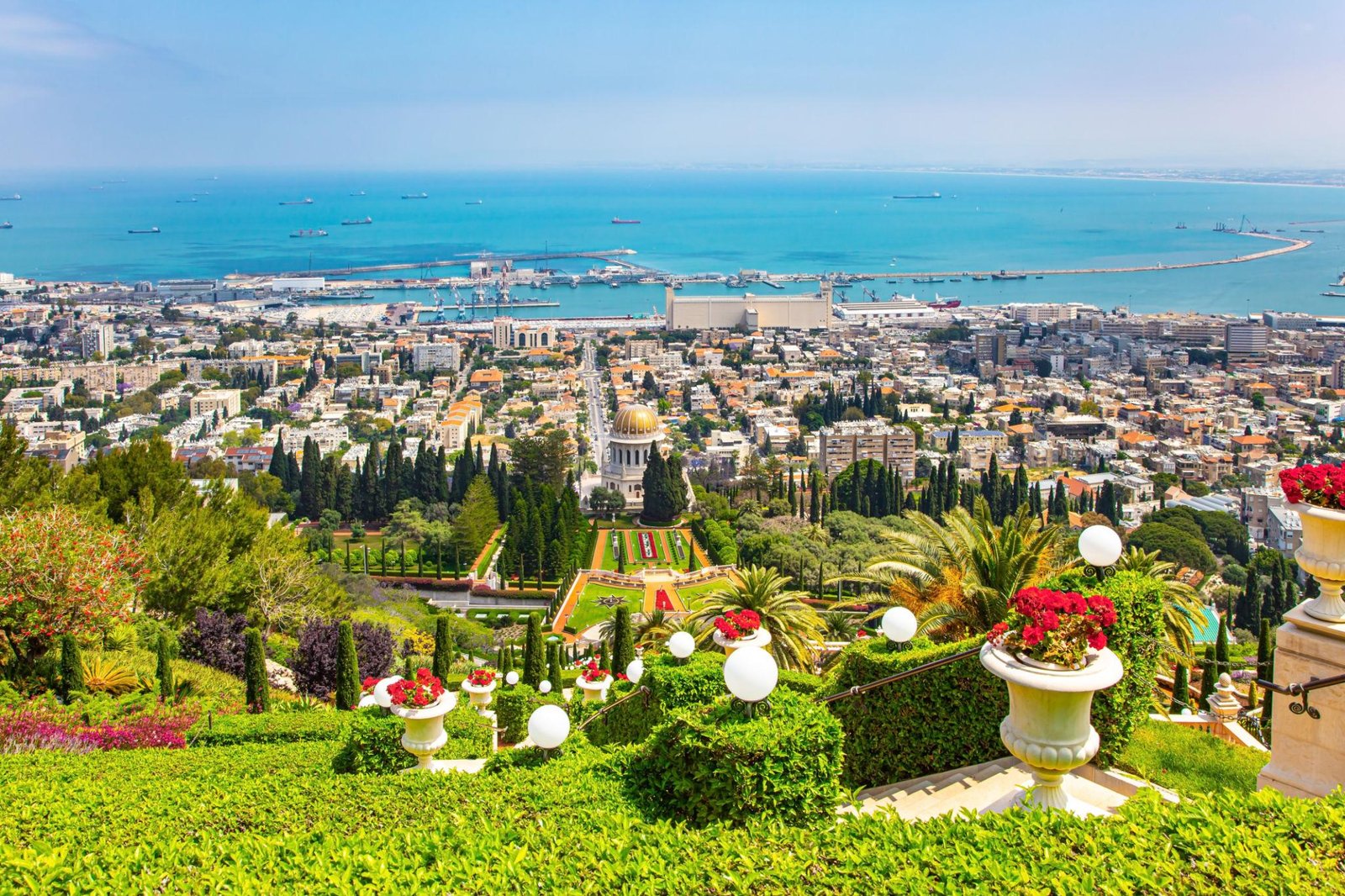
One of the most prominent features of Haifa is the Bahai World Centre, which includes the Shrine of the Bab and the surrounding Terraces. The Bahai World Centre is a UNESCO World Heritage Site known for its beautifully maintained terraces and golden dome. The eighteen terraces, representing the first disciples of the Bab, stretch nearly one kilometer up the northern slope of Mount Carmel.
The architecture of the Shrine of the Bab, with its golden dome, combines neoclassical European elements with traditional Eastern motifs. The gardens are meticulously maintained without the use of chemical pesticides, reflecting the Bahai principle of harmony with nature. For visitors, the gardens provide a tranquil space that contrasts with the bustling port activity below. It is important to note that while the gardens are a major tourist attraction, they serve as the administrative and spiritual heart of the Bahai community worldwide.
Economic Engines: The Port and Matam Park
Haifa's economy is anchored by two major pillars: maritime logistics and high-technology research. The Port of Haifa is a deep-water harbor that operates year-round. Logistics analysts suggest that the port's strategic location makes it a vital node in Mediterranean shipping routes. It features advanced container terminals and facilities for passenger cruise ships, contributing significantly to the national economy.
On the southern outskirts of the city lies the Matam High-Tech Park. This complex is one of the oldest and largest dedicated technology parks in the region. It hosts research and development centers for some of the world's leading multinational corporations, including Intel, Microsoft, Google, and IBM. The synergy between Matam and the nearby Technion creates a pipeline of talent and innovation that has earned Haifa a reputation as a key player in the Silicon Wadi. [Link to: Mediterranean Economic Corridors]
Cultural Coexistence: The Haifa Model
Haifa is frequently cited as a premier example of coexistence between different religious and ethnic groups. The city's population is a mosaic of Jews, Muslims, Christians, Druze, and Bahais. Unlike many other urban centers, Haifa has a long-standing tradition of mutual respect and shared public spaces. This is most evident in neighborhoods like Wadi Nisnas, where multicultural festivals are held annually to celebrate the diverse heritage of the inhabitants.
The German Colony, located at the base of the Bahai Gardens, is another example of cultural preservation. Originally established by the Templers in the late 19th century, the area has been restored and now serves as a vibrant district filled with cafes, restaurants, and boutique hotels. The red-tiled roofs and stone architecture provide a glimpse into the city's colonial past while serving as a modern social hub. This shows that this blend of cultures is a primary factor in the city's social stability and unique atmosphere.
Education and Research Excellence
The presence of elite educational institutions is a cornerstone of Haifa's identity. The Technion - Israel Institute of Technology is often referred to as the MIT of the Middle East. It has produced numerous Nobel Prize winners and is responsible for many of the technological breakthroughs that drive the global tech industry. The university's focus on engineering, medicine, and architecture makes it a magnet for international students and researchers.
Additionally, the University of Haifa, located at the summit of Mount Carmel, is known for its excellence in humanities, social sciences, and marine biology. The university's Eshkol Tower provides a 360-degree view of northern Israel, reaching as far as the border with Lebanon and the Galilee mountains. These institutions not only provide employment but also ensure that the city remains a center for intellectual discourse and scientific inquiry.
A Practical Guide for Navigating Haifa
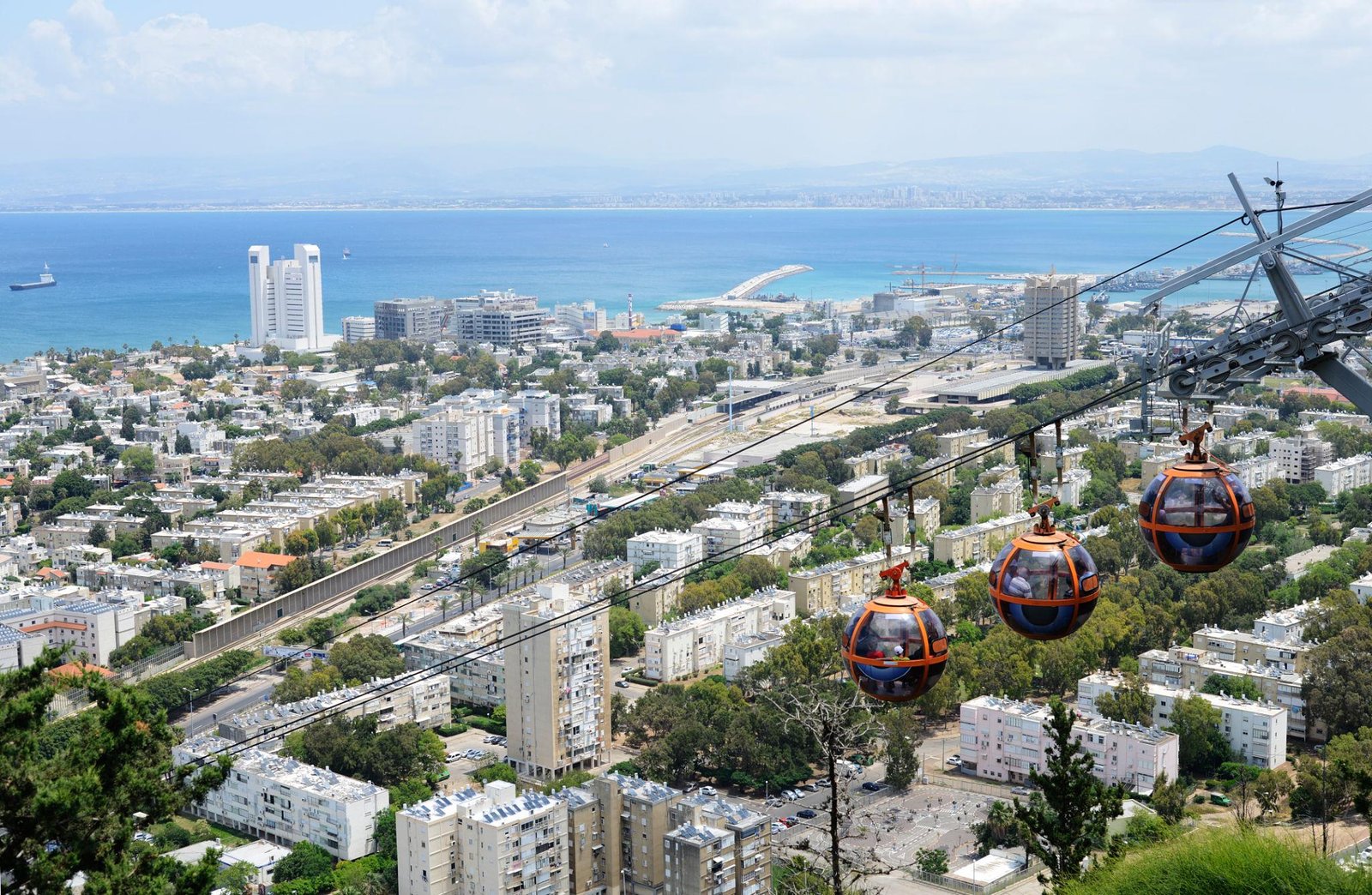
For those planning to explore or do business in Haifa, understanding the transportation network is essential. Because the city is built on a mountain, walking between different levels can be strenuous. The Carmelit funicular is the most efficient way to travel from the downtown area to the Carmel Center at the top. Additionally, the city features an extensive bus network and the Metronit, a high-capacity bus rapid transit system that connects Haifa with its northern suburbs.
When visiting the Bahai Gardens, it is important to follow the dress code, which requires modest clothing covering the shoulders and knees. Access to the inner shrines is limited to specific hours, so checking the official schedule is recommended. For those interested in history, the Clandestine Immigration and Naval Museum offers deep insights into the maritime history of the region and the city's role in mid-20th-century geopolitical shifts.
Benefits of Haifa's Urban Environment
- Strategic Location: Proximity to major shipping lanes and a well-developed rail network connecting to the rest of the country.
- Diverse Economy: A balanced mix of heavy industry, logistics, tourism, and high-tech R and D.
- High Quality of Life: Access to both urban amenities and natural landscapes, including beaches and mountain parks.
- Educational Opportunities: Home to two world-class universities and numerous research centers.
- Cultural Richness: A unique social fabric that promotes tolerance and multicultural engagement.
Common Mistakes to Avoid
One common mistake visitors make is attempting to navigate the city entirely on foot without considering the elevation changes. The distance on a map may look short, but the vertical climb can be significant. Another error is overlooking the lower city (Downtown). While the upper Carmel area is more modern, the lower city has undergone significant revitalization and contains some of the best culinary and nightlife spots in the region.
Additionally, many people assume that Haifa is purely an industrial port city. While industry is present, the city also contains some of the most pristine nature reserves and cleanest beaches in the Mediterranean. Failing to explore the Mount Carmel National Park means missing out on a significant part of the Haifa experience. Finally, visitors often forget that many businesses and public transport options operate differently on Saturdays compared to other cities, though Haifa is known for having more active public transport on the Sabbath than other regions.
Pro Tips for an Enhanced Experience
Best view: The Louis Promenade offers one of the most beautiful sunset views over Haifa Bay. It offers an unobstructed view of the Haifa Bay and the Western Galilee coastline. For food enthusiasts, visiting the Wadi Nisnas market on a weekday morning provides the most authentic experience of local flavors and produce. According to local residents, the best way to understand the city's layout is to take the Carmelit from Paris Square to Gan HaEm and then walk back down through the various neighborhoods.
Frequently Asked Questions (FAQ)
1. What is the best time of year to visit Haifa?
The spring (March to May) and autumn (September to November) offer the most pleasant weather for outdoor activities and hiking on Mount Carmel. Summers can be humid, while winters are mild but can be rainy.
2. Is Haifa a good location for tech startups?
Yes, Haifa offers a robust ecosystem for startups, particularly those in the fields of biotechnology, semiconductors, and hardware, due to the proximity of the Technion and Matam Park.
3. How do I get from Tel Aviv to Haifa?
The most efficient way is by train. The journey typically takes between 50 to 80 minutes, with trains running frequently throughout the day and stopping at multiple stations in Haifa.
4. Are the Bahai Gardens free to enter?
Yes, entrance to the gardens is free, but certain areas may only be accessible via pre-booked guided tours, which are also generally free of charge.
5. Is Haifa safe for international travelers?
Haifa is considered one of the safest cities in the region, with a low crime rate and a welcoming atmosphere for people of all backgrounds.
Conclusion
Haifa is a city of layers, both topographically and culturally. From the industrial prowess of its port to the serene beauty of the Bahai Gardens and the intellectual rigor of the Technion, it offers a multifaceted experience that caters to business professionals, students, and tourists alike. Its commitment to coexistence and innovation makes it a standout destination in the Mediterranean. By understanding its unique geography and economic drivers, one can fully appreciate the vital role Haifa plays on the global stage. Haifa stands out as a city where nature, industry, and culture exist together in a unique balance.
Lottery and gambling activities involve financial risk. This content is for informational purposes only. Please participate responsibly.




Comments 0
Leave a Reply
Your email address will not be published. Required fields are marked *
Be the first to share your thoughts!