
💡 Who is Iran israel war?
An in-depth exploration of the historical roots, current drivers, and the complex geopolitical requirements needed to resolve the long-standing Iran-Israel rivalry.
The tension between Iran and Israel is one of the most discussed topics in global politics. Many people refer to it as a “shadow conflict” because it is not always a direct war but involves indirect actions and regional influence.Understanding this situation can be difficult, but this guide explains it in simple terms, including its history, causes, and current situation. This friction, often referred to as a shadow war, has shaped diplomatic relations, military spending, and economic policies across the globe. Understanding the complexities of this relationship is essential for anyone looking to comprehend the broader dynamics of international security. While the conflict often manifests through proxy engagements and technological competition, the underlying causes are deeply rooted in history, ideology, and strategic interests.
The relationship between Iran and Israel was not always hostile, and it changed over time due to political developments. Prior to 1979, the two states maintained a level of cooperation. However, the shift in political structures led to a fundamental change in how each viewed the other. In the modern era, the tension has evolved into a multi-layered confrontation involving nuclear ambitions, regional influence, and sophisticated defense mechanisms. To explore what it would take to end this cycle of hostility, one must first dismantle the various components that keep the fire burning.
What are the historical roots of the Iran-Israel tension?
The history of the modern Middle East provides the necessary context for the current state of affairs. Following the 1948 establishment of the State of Israel, Iran was actually the second Muslim-majority country to recognize the new nation. During the era of the Pahlavi dynasty, the two countries shared common interests, particularly in energy and security. This period of cooperation was driven by a shared alignment with Western interests and a mutual desire to balance other regional powers.
Everything changed following the 1979 Revolution in Iran. The transition to a new ideological framework fundamentally altered Iran's foreign policy. The new leadership adopted a stance that was staunchly opposed to the existence of the Israeli state, viewing it as an extension of Western imperialism. This ideological shift transformed a former strategic partner into a primary adversary. Over the following decades, this opposition became a central pillar of regional identity and domestic political rhetoric. This shows that the conflict is mainly based on political and ideological differences that developed over time, rather than ancient history.
How do proxy dynamics influence the conflict?
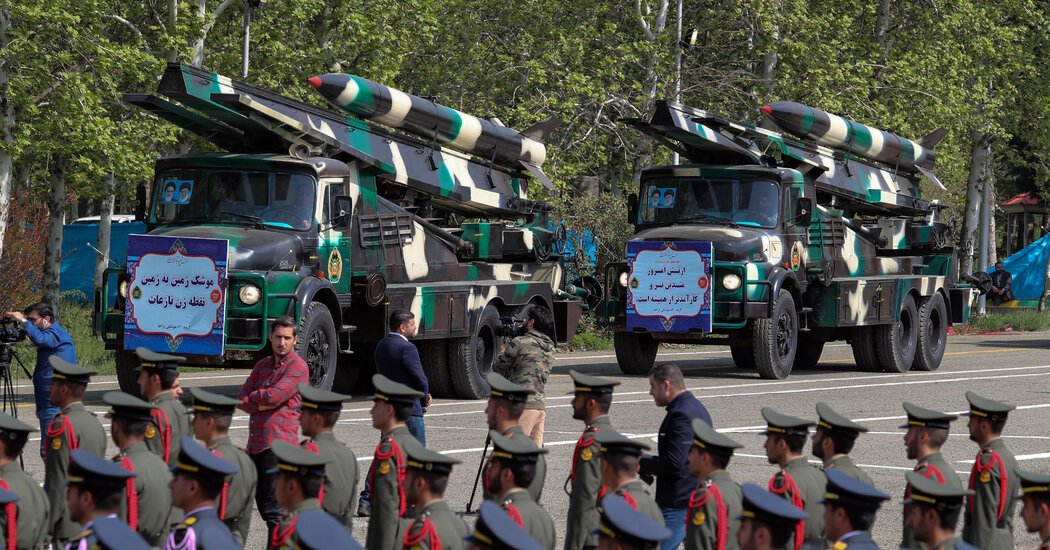
One of the most complex aspects of the Iran-Israel war is that it is rarely fought directly between the two nations' conventional militaries. Instead, it is characterized by the use of proxies and non-state actors. Instead of direct war, both sides are often involved in indirect conflicts through different groups in the region.
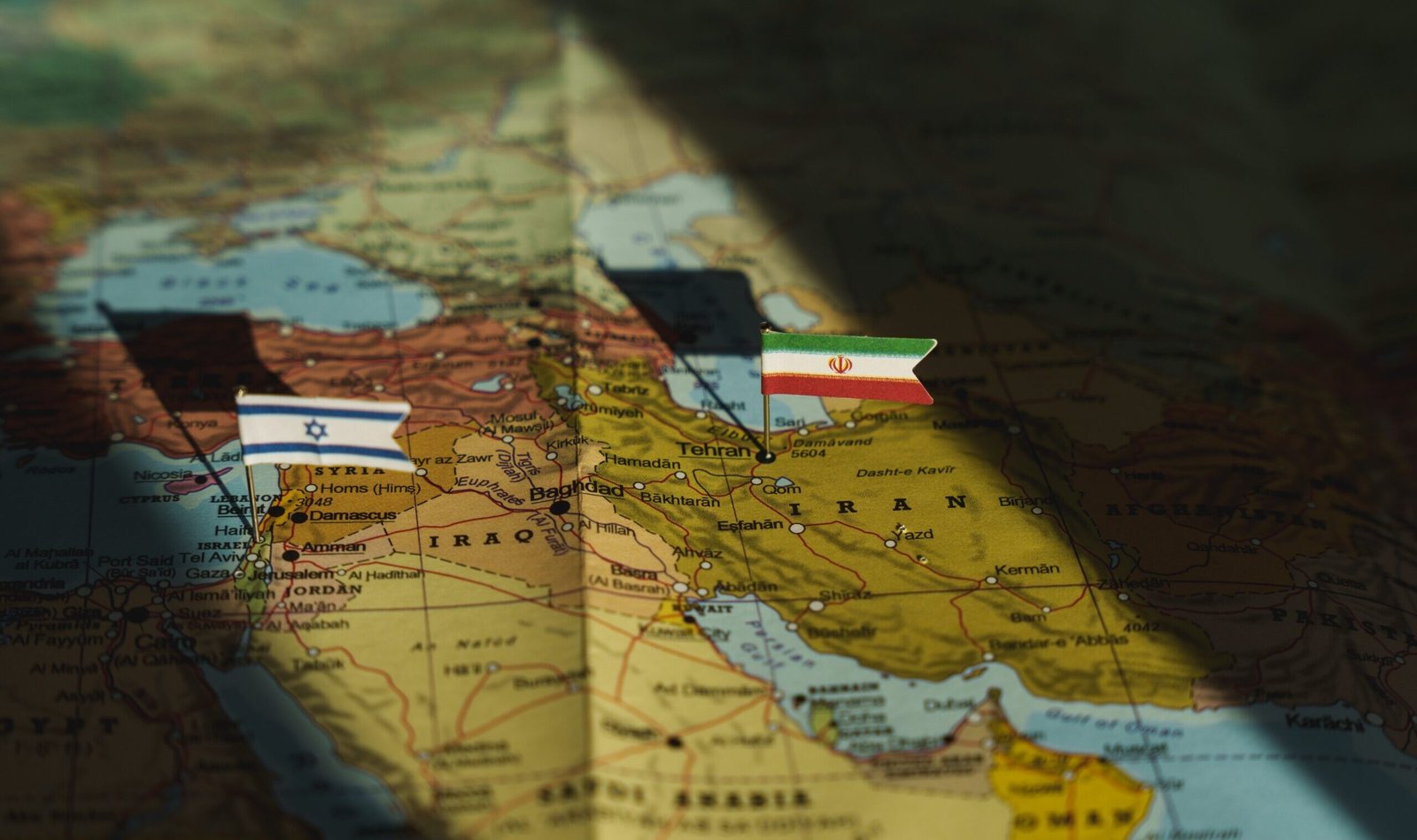
This regional influence extends through various groups in Lebanon, Gaza, Yemen, and Syria. By supporting these entities, a network of influence is created that surrounds the opposing side. For Israel, this represents a significant security challenge, as it necessitates constant vigilance on multiple fronts. The use of asymmetric warfare, including rocket technology and drone strikes, has become the standard method of engagement.Reducing tension will require changes in how both sides operate and how they deal with regional conflicts.
What are the primary drivers of the modern rivalry?
Several core issues drive the ongoing friction between these two powers. Understanding these drivers is the first step in identifying potential solutions. The main reasons behind this conflict include:
- Nuclear Ambitions: One major issue is nuclear development. Israel sees Iran’s nuclear program as a threat, while Iran says it is for peaceful purposes.. Israel views a nuclear-armed Iran as an existential threat, while Iran maintains that its program is for peaceful energy purposes. The lack of trust regarding enrichment levels and international monitoring remains a major hurdle.
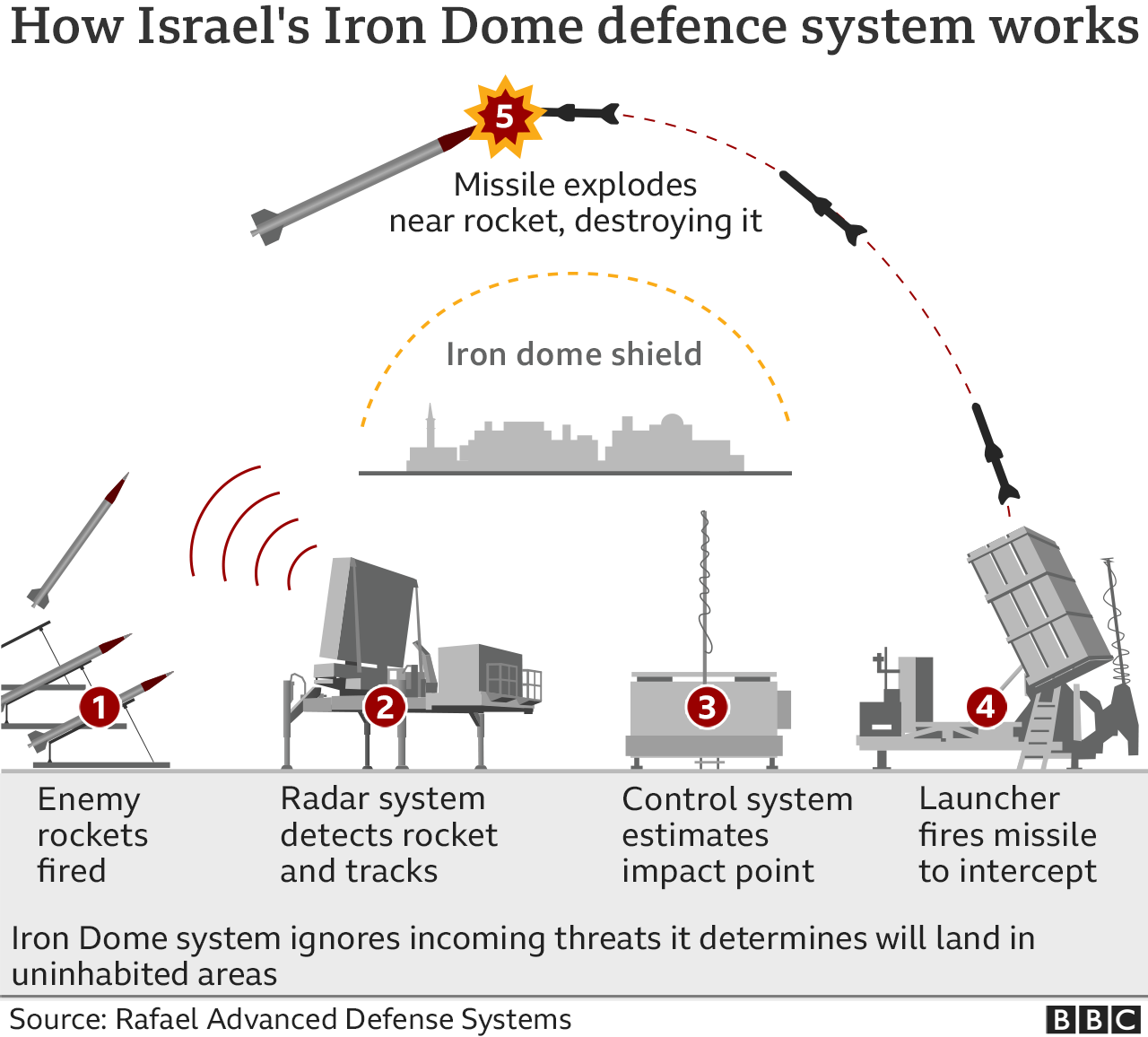
- Technological Superiority: Both nations invest heavily in cyber warfare, missile defense, and surveillance. This technological arms race creates a constant state of readiness and heightens the risk of accidental escalation.
- Regional Hegemony: Both countries seek to be the dominant influence in the Middle East. This competition for leadership affects everything from trade routes to diplomatic alliances with other Arab nations.
- Ideological Divergence: The fundamental disagreement over the legitimacy of statehood and regional governance creates a wall that traditional diplomacy often struggles to scale.
What would it take to end the Iran-Israel war?
Ending a conflict of this magnitude requires a multi-faceted approach that addresses both security concerns and ideological differences.For this conflict to reduce, several steps may be needed:
1. Comprehensive Nuclear Agreements
A verifiable and long-term solution to the nuclear issue is paramount. This would involve not only limits on enrichment but also intrusive inspections and guarantees that satisfy the security requirements of all regional stakeholders. Without a resolution to the nuclear question, the threat of preemptive strikes remains high.
2. Mutual Security Guarantees
For hostilities to end, both nations must feel secure within their borders. This would involve a commitment to non-interference in domestic affairs and a cessation of support for armed groups targeting the other. Establishing a direct line of communication, or a red phone, could prevent misunderstandings from escalating into full-scale conflict.
3. Regional Integration and Diplomacy
Peace cannot exist in a vacuum. It requires the involvement of the broader international community and regional neighbors. As more countries in the region normalize relations and focus on economic development, the pressure on Iran and Israel to de-escalate increases. A regional security architecture, similar to the frameworks seen in Europe or Southeast Asia, could provide a platform for resolving disputes through dialogue rather than force.
4. Economic Incentives
Transitioning from a war footing to an economic one provides a powerful incentive for peace. Lifting sanctions in exchange for verifiable behavioral changes could open up new markets and improve the quality of life for millions. When the cost of war outweighs the perceived benefits of ideological purity, the path to negotiation becomes clearer.
Where do global powers stand on this rivalry?
The Iran-Israel conflict is not just a regional issue; it is a global one. The United States, Russia, China, and the European Union all have significant stakes in the outcome. The U.S. has traditionally provided strong military and diplomatic support to Israel while leading the effort to contain Iranian influence through sanctions. Conversely, Russia and China have maintained complex relationships with Iran, often acting as intermediaries or providing economic lifelines.
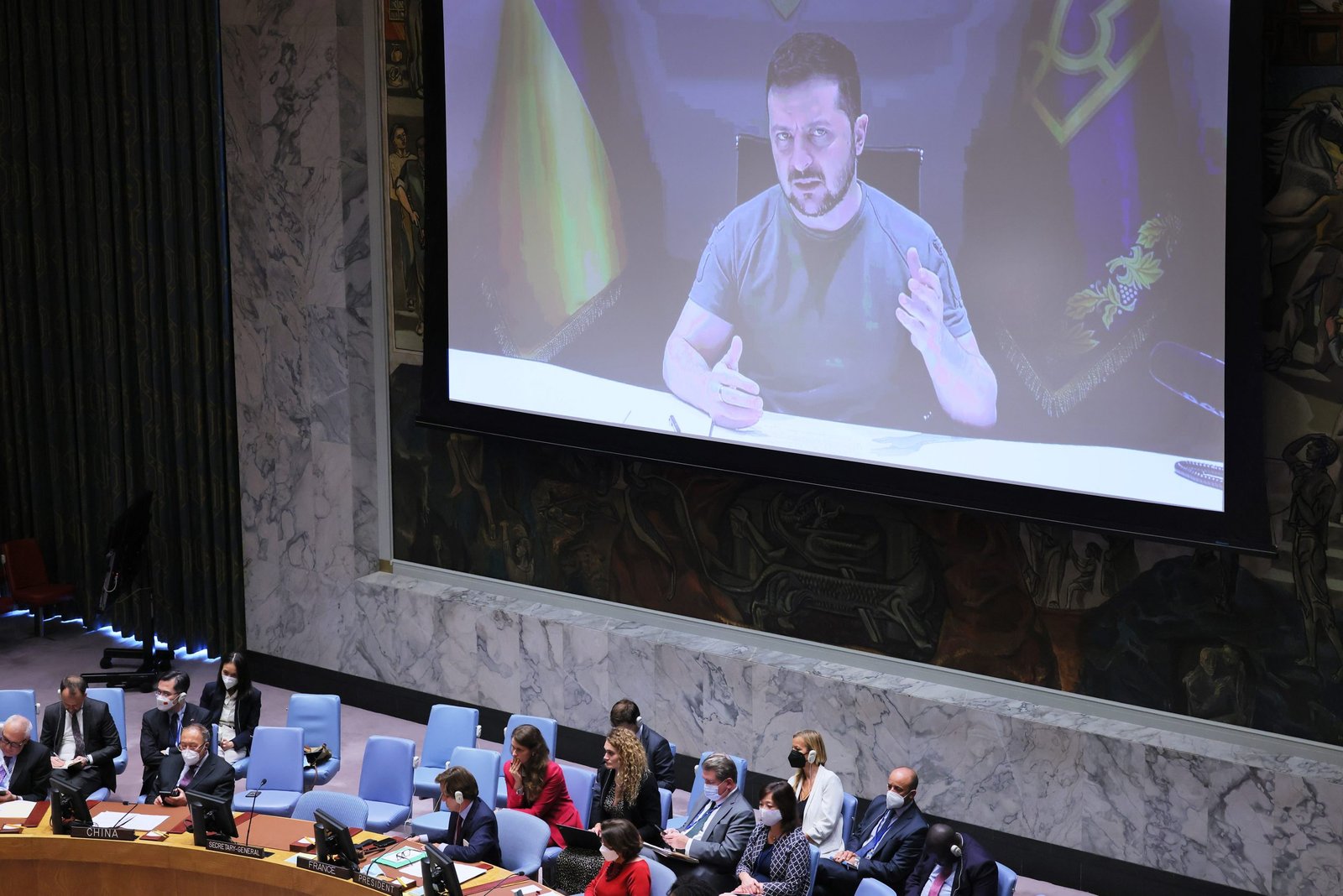
Global countries like the United States, Russia, and China also play an important role in this situation. If the conflict is used as a proxy for Great Power competition, local tensions will only be exacerbated. A unified international front that prioritizes regional stability over individual strategic gains is a necessary prerequisite for any meaningful de-escalation.
What are the economic benefits of a de-escalated Middle East?
If tensions are reduced, it can help improve global trade, oil prices, and economic stability. The Middle East is a central hub for global energy and trade. A reduction in tension would lead to:
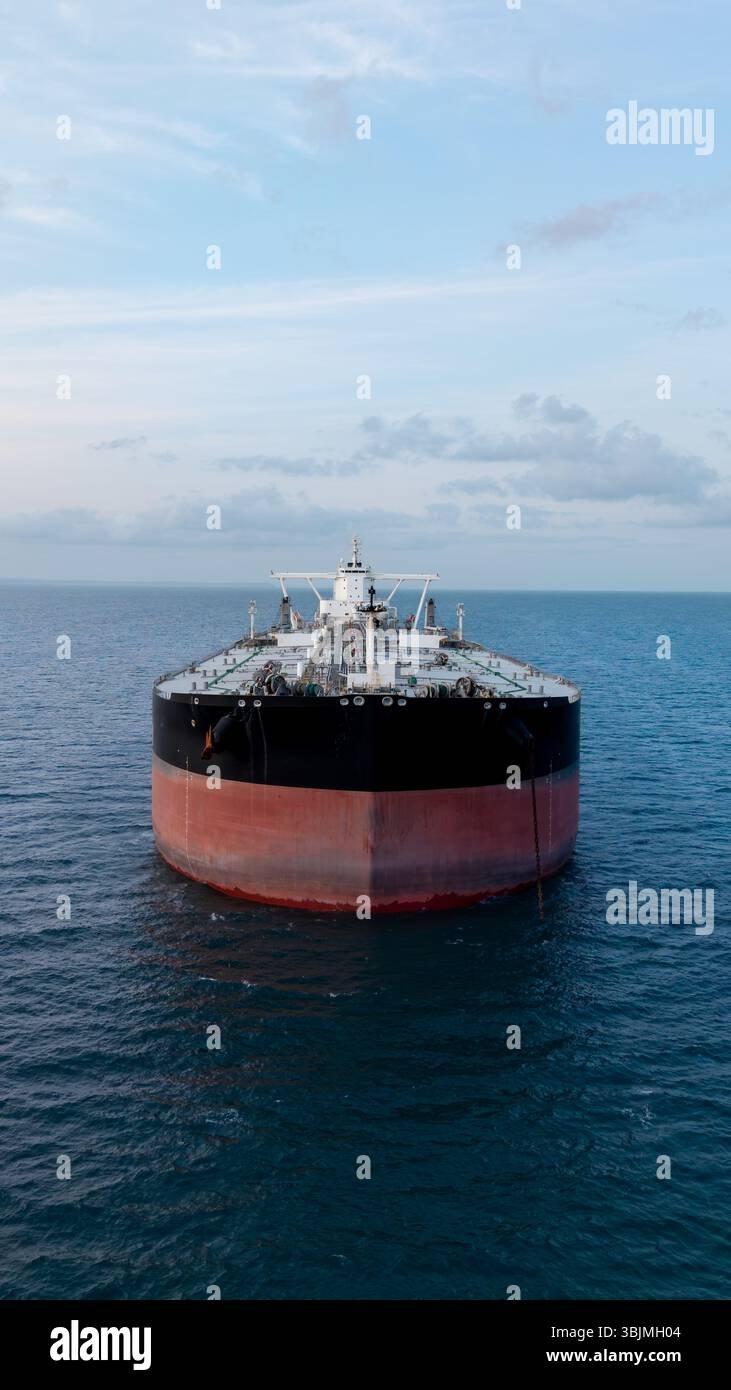
- Energy Security: Stable oil and gas prices are essential for the global economy. De-escalation reduces the risk of disruptions in the Strait of Hormuz, a critical maritime chokepoint.
- Increased Investment: Peace brings predictability, which attracts foreign direct investment. This could lead to a massive economic boom in infrastructure, technology, and tourism across the region.
- Reduced Military Spending: Both nations, and their neighbors, spend a significant portion of their GDP on defense. Redirecting these funds toward education, healthcare, and innovation would have a transformative effect on society.
Common mistakes in analyzing the conflict
People often misunderstand this conflict by thinking it is only about religion, but it also involves politics, power, and security. One common mistake is viewing the conflict as purely religious. While religious rhetoric is often used, the underlying drivers are frequently related to power, territory, and security. Another mistake is assuming that the status quo is sustainable. The rapid advancement of drone and missile technology means that the cost of the shadow war is constantly rising, making the risk of a miscalculation more dangerous than ever.
Pro tips for following regional developments
To stay informed about the complexities of Middle Eastern geopolitics,To better understand this topic:
- Look beyond the headlines: Pay attention to secondary actors and regional shifts, such as diplomatic movements in the UAE or Saudi Arabia, as these often signal larger changes in the Iran-Israel dynamic.
- Follow energy markets: Fluctuations in oil prices can often be a leading indicator of perceived risk in the region.
- Monitor technological advancements: The introduction of new defense systems or cyber capabilities often dictates the next phase of the conflict.
Frequently Asked Questions
Who are the primary mediators in the Iran-Israel conflict?
Historically, countries like Oman, Qatar, and Switzerland have acted as intermediaries, providing channels for communication when direct contact was impossible. International bodies like the United Nations and the European Union also play significant roles in attempting to facilitate dialogue and monitor agreements.
What is the role of the Strait of Hormuz in this war?
The Strait of Hormuz is a vital shipping lane through which a large percentage of the world's petroleum passes. It is often used as a strategic lever; threats to close the strait are a common way for regional actors to exert pressure on the global economy during times of high tension.
How do cyberattacks factor into the modern conflict?
Both nations are world leaders in cyber capabilities. The conflict often manifests in the digital realm, targeting infrastructure, government databases, and private sector entities. This allows for the projection of power with a degree of deniability that conventional military actions do not offer.
Can the conflict be resolved without a regime change?
Most diplomatic experts believe that peace is possible through behavioral change rather than necessarily requiring a change in government. If both sides find a way to coexist based on mutual interests and security guarantees, a functional peace can be achieved even within existing political structures.
What impact does this conflict have on global shipping?
Increased tensions often lead to higher insurance premiums for shipping companies and the need for military escorts in certain waters. This adds to the cost of global trade and can lead to delays in the delivery of goods worldwide.
Conclusion
The Iran-Israel conflict is complex and involves history, politics, and regional influence. While it may not always appear as a direct war, its impact is felt across the world.Understanding this situation helps people stay aware of global developments and their effects on everyday life.Ending the hostilities would necessitate verifiable nuclear agreements, mutual security guarantees, and a shift toward economic integration. While the challenges are immense, the potential benefits of a stable Middle East offer a powerful incentive for the international community to persist in seeking a peaceful resolution.
Related Media
Quick View: The Path to Stability: Analyzing the Iran-Israel Conflict and the Requirements for Lasting Peace





Comments 0
Leave a Reply
Your email address will not be published. Required fields are marked *
Be the first to share your thoughts!