The geopolitical relationship between Iran and Saudi Arabia remains one of the most significant drivers of stability and instability in the Middle East. For decades, the friction between these two regional powers has influenced global energy prices, international diplomacy, and the security architecture of the Persian Gulf. Understanding the mechanics of this rivalry, including the history of direct and indirect confrontations, is essential for global analysts, energy investors, and students of international relations. This guide provides a detailed look at the core drivers of the conflict, the economic consequences of regional attacks, and the shifting diplomatic landscape.
The Historical Framework of the Rivalry
To understand why Iran and Saudi Arabia are often at odds, one must look back to the 1979 Iranian Revolution. This event transformed Iran from a pro-Western monarchy into an Islamic Republic, creating a fundamental shift in regional power. The Council on Foreign Relations notes that this period marked the beginning of a competition for leadership within the Islamic world. Saudi Arabia, as the custodian of the two holiest sites in Islam, and Iran, as the largest Shia power, found themselves on opposite sides of both ideological and political spectrums.
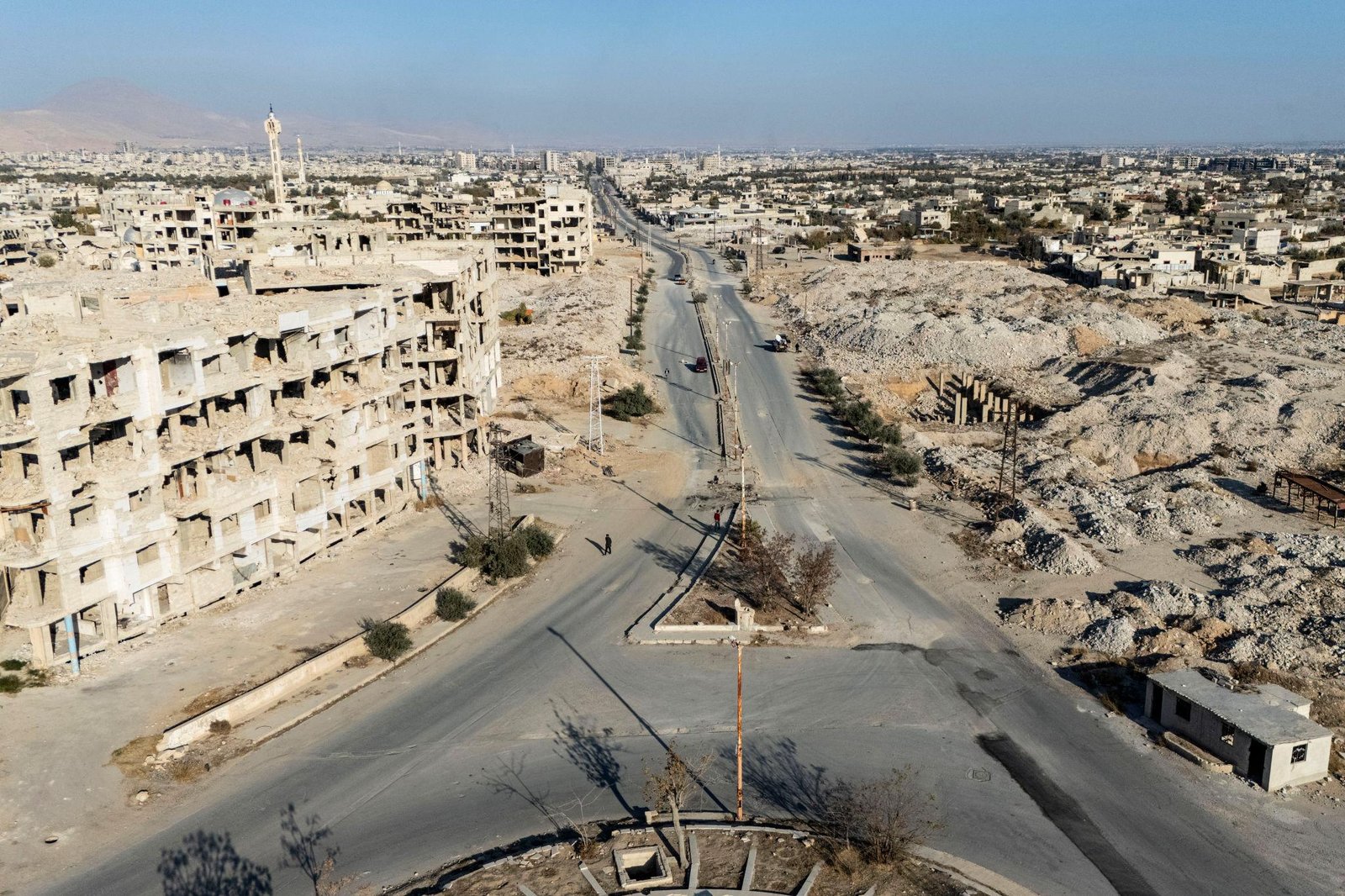
This competition has rarely manifested as a direct full-scale war between the two nations. Instead, it is characterized by proxy conflicts in neighboring countries such as Yemen, Syria, and Lebanon. By supporting opposing factions in these regions, both nations aim to expand their sphere of influence without engaging in a direct military confrontation that could devastate their own economies. [Link to: History of Middle East Proxy Wars]
Geopolitical risk studies show that the tension is not merely religious but also deeply rooted in energy dominance. Both nations are top-tier oil producers within OPEC (Organization of the Petroleum Exporting Countries), and their ability to influence global oil supply gives them immense leverage on the world stage. Any disruption to the infrastructure of either nation has immediate repercussions for the global economy.
Case Study: The 2019 Abqaiq-Khurais Attacks
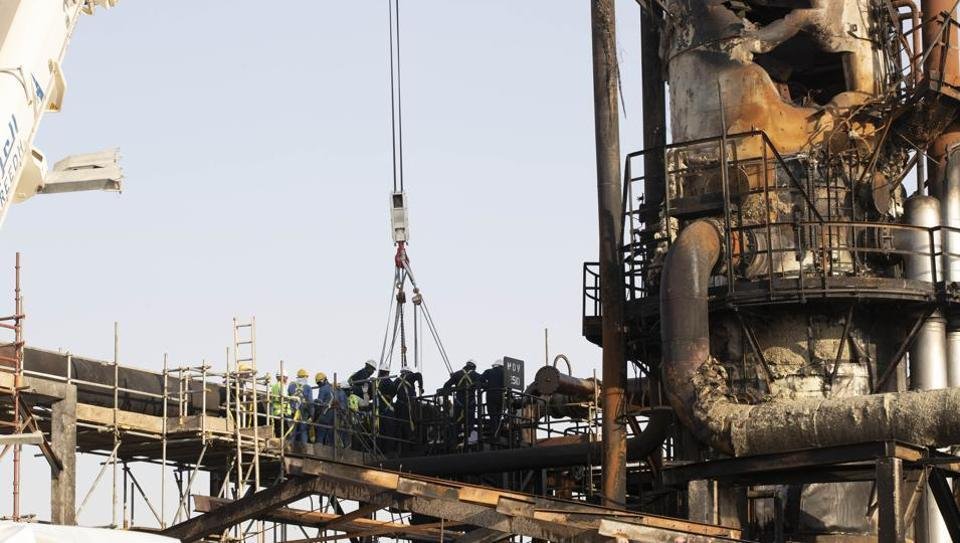
One of the most significant events in the history of this rivalry was the 2019 attack on the Abqaiq and Khurais oil processing facilities in Saudi Arabia. While responsibility was initially claimed by Houthi rebels in Yemen, international investigators and Western intelligence agencies pointed toward Iranian involvement. This attack showed how drones and missiles can bypass traditional defense systems.
The 2019 attacks resulted in the temporary loss of 5.7 million barrels of oil production per day. This represented approximately 5 percent of the total global oil supply at the time. The precision of the strikes showed a shift toward modern asymmetric warfare using drones and missiles. This event forced global security firms to reconsider the vulnerability of critical infrastructure to non-traditional aerial threats.
The aftermath of these attacks led to a significant increase in defense spending across the Gulf Cooperation Council (GCC). Saudi Arabia, in particular, accelerated its acquisition of advanced missile defense systems, including the Patriot Advanced Capability-3 (PAC-3). However, the 2019 incident demonstrated that even sophisticated radar systems can struggle against small, low-altitude drones that have a minimal radar cross-section. [Link to: Modern Drone Warfare Technology]
The Economic Ripple Effects on Global Markets
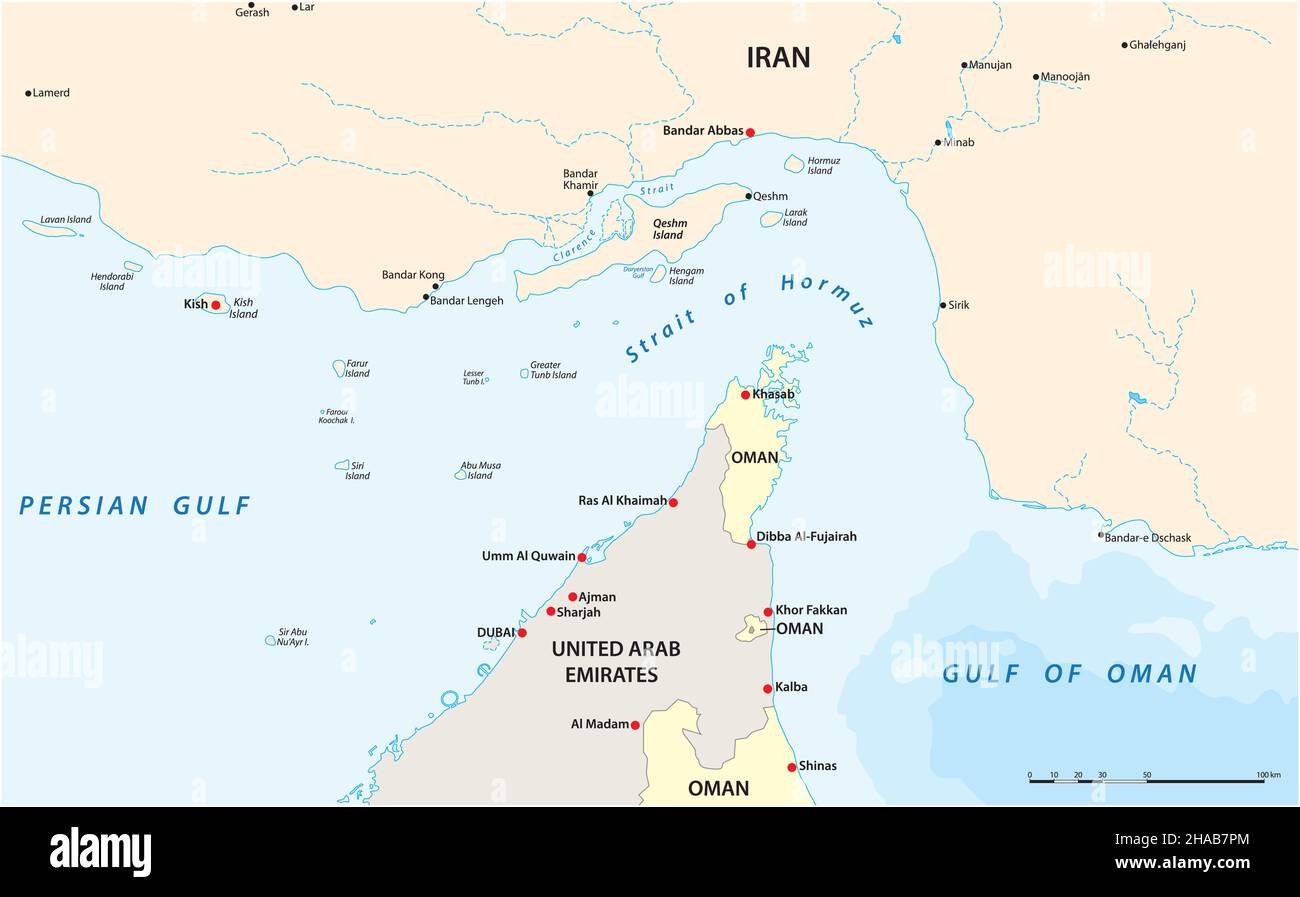
When tensions between Iran and Saudi Arabia escalate, the primary concern for the global community is the security of the Strait of Hormuz. This narrow waterway is the world's most important oil transit chokepoint. According to data from the U.S. Energy Information Administration (EIA), roughly one-fifth of the world's total petroleum liquids consumption passes through this strait daily.
The economic impact of a potential attack or blockade in this region includes:
- Oil Price Volatility: Even the threat of an attack can cause Brent Crude prices to spike by 10 percent or more in a single trading session.
- Increased Insurance Costs: Maritime insurance premiums for tankers operating in the Persian Gulf rise significantly during periods of high tension.
- Supply Chain Disruptions: Beyond oil, the region is a hub for liquefied natural gas (LNG) and petrochemicals, essential for manufacturing in Asia and Europe.
- Global Inflation: Sustained high energy prices contribute to inflationary pressures in consumer economies like Canada and the United States.
Military Capabilities and Defense Strategies
The military balance between Iran and Saudi Arabia is a study in contrasting philosophies. Saudi Arabia possesses one of the highest defense budgets in the world, often ranking in the top five globally. Their military is equipped with high-end Western technology, including F-15SA fighter jets and advanced naval vessels. Experts at the International Institute for Strategic Studies note that the Saudi strategy focuses on air superiority and high-tech deterrence.
In contrast, Iran, facing decades of international sanctions, has focused on self-sufficiency and asymmetric capabilities. This includes an extensive arsenal of ballistic missiles, a large fleet of fast-attack naval craft, and an advanced domestic drone program. The Shahed series of drones has become a central component of Iran's regional strategy, providing a cost-effective way to project power across borders. [Link to: Middle East Defense Systems Comparison]
Official specifications for some of these systems are not fully confirmed due to the classified nature of military hardware, but performance in regional conflicts suggests a high level of technical proficiency. For example, the range of certain Iranian ballistic missiles is estimated to exceed 2000 kilometers, placing all major Saudi infrastructure within reach.
Diplomatic De-escalation and the Role of China
In a significant shift in regional dynamics, the two nations have recently explored diplomatic avenues to reduce the risk of direct conflict. A landmark agreement brokered by China in 2023 saw the restoration of diplomatic ties between Tehran and Riyadh. This move suggests that both nations recognize the high cost of perpetual hostility, particularly as they seek to diversify their economies away from oil dependence.
Saudi Arabia's Vision 2030, a massive economic overhaul project, requires regional stability to attract the necessary foreign direct investment. Similarly, Iran seeks relief from economic isolation. This diplomatic thaw has reduced direct public hostility between the two countries, though the underlying structural issues and proxy competitions remain unresolved. The presence of China as a mediator also signals a move toward a multipolar Middle East, where the United States is no longer the sole external arbiter of security.
Common Misconceptions about the Conflict
There are several myths regarding the Iran-Saudi relationship that can cloud objective analysis. It is important to address these to understand the true nature of the risk:
Misconception 1: The conflict is purely religious. While the Sunni-Shia divide is a factor, the primary drivers are geopolitical influence, national security, and economic competition. It is a struggle for regional hegemony rather than a simple religious war.
Misconception 2: A direct war is inevitable. Historically, both nations have shown a high degree of caution regarding direct military engagement. Both regimes prioritize survival, and a full-scale war would be mutually assured destruction for their economic goals.
Misconception 3: Oil is the only factor. While energy is crucial, maritime security, cyber warfare, and influence over regional governance are equally important parts of the strategic puzzle.
Pro Tips for Analyzing Regional Risks
For those monitoring these developments for professional or investment purposes, consider the following expert insights:
- Monitor the Strait of Hormuz: Watch for naval exercises or increased patrols, as these are often precursors to heightened tensions.
- Track Proxy Activity: Escalations in Yemen or Lebanon often serve as a barometer for the direct relationship between Riyadh and Tehran.
- Watch OPEC+ Statements: Changes in production quotas or cooperation levels between the two nations within OPEC can signal the current temperature of their diplomatic ties.
- Analyze Defense Procurement: Shifts in the types of weapons systems being purchased (e.g., moving from offensive jets to defensive anti-drone systems) indicate the perceived threat level.
Frequently Asked Questions (FAQ)
1. Why did Iran and Saudi Arabia stop talking for several years?
Diplomatic ties were severed in 2016 after the execution of a prominent Shia cleric in Saudi Arabia and the subsequent storming of the Saudi embassy in Tehran. This was the culmination of years of rising tensions over regional conflicts.
2. How do these tensions affect the price of gas in Canada?
Because oil is a globally traded commodity, any disruption in the Middle East reduces the global supply, which drives up the price of crude oil everywhere, including the benchmarks used to set gas prices in Canada.
3. What role does the United States play in this conflict?
The U.S. has historically been a key security partner for Saudi Arabia, providing military equipment and maintaining a naval presence in the Persian Gulf to ensure the free flow of oil. However, the U.S. role has shifted as it seeks to reduce its military footprint in the region.
4. Can either country actually block the Strait of Hormuz?
While Iran has the military capability to temporarily disrupt traffic using mines, missiles, and small boats, a full blockade would be very difficult to maintain against a coordinated international naval response.
5. What is the current status of their relationship?
The relationship is currently in a phase of cold peace or cautious de-escalation. While formal diplomatic ties have been restored, significant trust issues and competing interests remain.
Conclusion
The relationship between Iran and Saudi Arabia is a complex interplay of history, religion, and modern geopolitics. While the threat of direct attacks remains a concern for global markets, the recent shift toward diplomacy offers a potential path for stability. However, the underlying competition for regional leadership ensures that this rivalry will remain a central focus of international security for the foreseeable future. By understanding the economic and military levers at play, global observers can better navigate the risks associated with this critical part of the world.
Final Takeaway: The stability of the global energy market depends on the delicate balance of power and diplomatic restraint between Iran and Saudi Arabia.





Comments 0
Leave a Reply
Your email address will not be published. Required fields are marked *
Be the first to share your thoughts!