
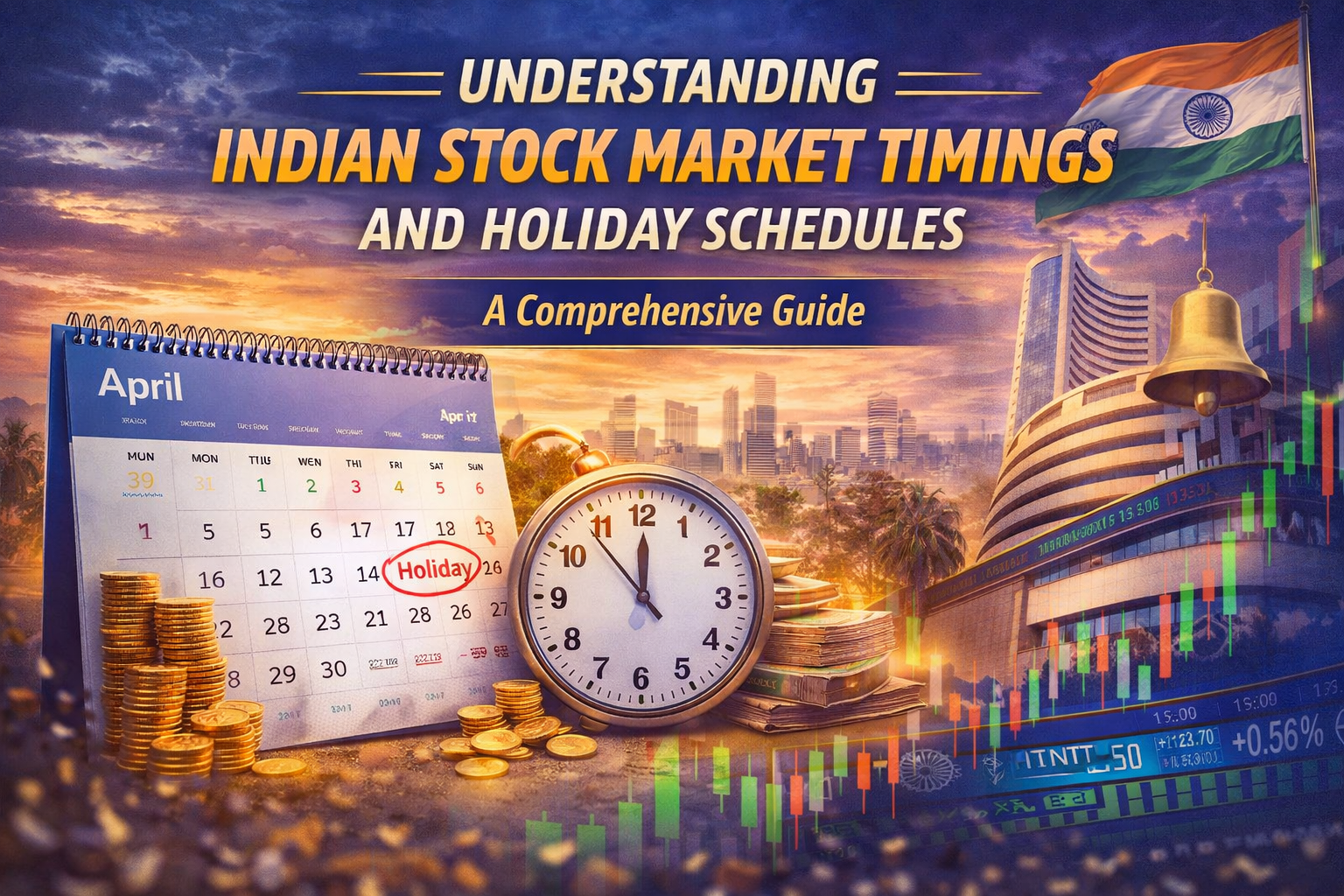
💡 Where is Is market open today?
A comprehensive guide to the National Stock Exchange (NSE) and Bombay Stock Exchange (BSE) trading hours, holiday calendars, and the impact of market volatility in India.
For any investor or trader in the Indian financial landscape, the question of whether the market is active is the first step in a daily routine. Navigating the complexities of the National Stock Exchange (NSE) and the Bombay Stock Exchange (BSE) requires more than just capital; it requires a precise understanding of timing, schedules, and the various factors that dictate when trading floors are buzzing and when they are silent. This is particularly crucial following periods of intense volatility, such as the historic 11.4 percent dip seen in the Nifty 50 during a single month of March, which marked the worst monthly performance in six years for the index.
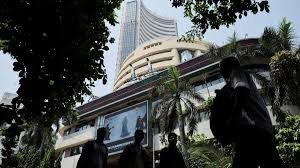
According to global analysts, understanding market cycles and operational hours is fundamental to risk management. When the market experiences significant drawdowns, the urge to check the status of the exchange becomes even more frequent as investors look for opportunities to recover or rebalance their portfolios. This guide provides a deep dive into the operational structure of Indian stock exchanges, ensuring you are never caught off guard by a market closure.
What are the Standard Trading Hours in India?
The Indian stock market does not simply switch on and off. It follows a structured timeline designed to ensure price discovery and stability. Most equity trading occurs between Monday and Friday, excluding specific holidays declared by the exchanges. As per recent industry reports, the standard timing for the equity segment is divided into three distinct sessions.
1. The Pre-Open Session
This session occurs before the main trading begins, typically from 9:00 AM to 9:15 AM. It is designed to reduce volatility during the market opening. During the first eight minutes, orders are collected, modified, or cancelled. The subsequent minutes are used for order matching and calculating the opening price. Experts suggest that this period is vital for absorbing overnight news that might affect stock prices.
2. The Normal Trading Session
This is the primary window where most retail and institutional activity happens. It runs from 9:15 AM to 3:30 PM. During this time, the exchange follows a continuous trading model where buy and sell orders are matched based on price and time priority. This is the period when the Nifty 50 and Sensex fluctuate the most based on real-time demand and supply.
3. The Post-Closing Session
After the main doors close at 3:30 PM, a post-market session occurs from 3:40 PM to 4:00 PM. During this time, trades are executed at the closing price. If you missed the regular session, this window allows for limited transactions, though liquidity is significantly lower than during the day.

How to Identify Market Holidays in India?
The Indian stock market remains closed on Saturdays and Sundays. However, there are numerous additional holidays throughout the year that coincide with national celebrations, religious festivals, and gazetted holidays. According to the Securities and Exchange Board of India (SEBI) guidelines, the holiday list is published at the beginning of every calendar year.
Common holidays include Republic Day, Independence Day, and Gandhi Jayanti. Additionally, festivals like Diwali, Holi, Eid, and Christmas often result in market closures. It is important to distinguish between a trading holiday and a clearing holiday. On a trading holiday, the exchange is closed for buying and selling. On a clearing holiday, the banks might be closed, meaning that while you can trade, the actual settlement of funds and securities might be delayed by a day.
Why did the Nifty 50 Experience an 11.4 Percent Dip?
Understanding the market status is often driven by the need to react to significant movements. Market historians point to the 11.4 percent decline in the Nifty 50 during March as a landmark event in Indian financial history. This period of extreme volatility was driven by global macroeconomic shifts and domestic liquidity concerns. When the market experiences such a sharp correction, the importance of knowing the exact opening and closing times becomes paramount for executing stop-loss orders and protecting capital.
As per recent industry reports, such drawdowns often lead to increased regulatory oversight and potential changes in circuit breaker limits. A circuit breaker is a mechanism that temporarily halts trading if the index falls or rises by a certain percentage (usually 10 percent, 15 percent, or 20 percent). Knowing if the market is open also involves knowing if it has been temporarily paused due to these safety triggers.
What is Muhurat Trading?
One of the most unique aspects of the Indian stock market is the Muhurat Trading session. Even if a day is marked as a holiday for Diwali, the exchange opens for one hour in the evening. This is considered an auspicious time for investors to make new beginnings. According to cultural experts and financial veterans, this session is more about tradition than high-volume trading, yet it often sees participation from thousands of retail investors across the country.
Common Mistakes Investors Make Regarding Market Timings
Even seasoned traders can make errors when it comes to the operational status of the NSE and BSE. Here are some frequent pitfalls:
- Assuming all bank holidays are market holidays: Not every day the bank is closed means the stock market is closed. Always check the specific NSE/BSE holiday list.
- Forgetting the Pre-Open Session: Many retail investors wait until 9:15 AM to place orders, missing out on the price discovery that happens in the pre-market.
- Ignoring the Settlement Cycle: With the transition to T+1 settlement in India, understanding when the market is open is crucial for knowing when your funds will be available for withdrawal.
- Miscalculating International Impact: While the Indian market might be closed for a local festival, global markets like the NYSE or NASDAQ remain open. This can lead to a gap-up or gap-down opening when the Indian market finally resumes.
Pro Tips for Managing Your Portfolio During Market Closures
Market experts suggest that the hours when the exchange is closed are just as important as when it is open. This is the time for research, analysis, and strategy. Since the Nifty 50 has shown it can dip significantly in a short period, using the downtime to review your asset allocation is a sign of a disciplined investor.
Use the weekends to catch up on corporate earnings reports and global economic data. According to financial planners, setting GTT (Good Till Triggered) orders can help you manage your positions even when you are not actively watching the screen during the 9:15 AM to 3:30 PM window.
Frequently Asked Questions
How can I check if the market is open right now?
The most reliable way is to visit the official websites of the NSE or BSE. Most brokerage applications also show a live status indicator (Green for open, Red for closed) on their dashboard.
Does the Indian stock market open on weekends?
No, the equity, F&O, and currency segments are closed on Saturdays and Sundays, except for special circumstances like emergency sessions or Muhurat Trading if it falls on a weekend.
What happens to my order if I place it while the market is closed?
If you place an After Market Order (AMO), it will be queued and sent to the exchange when the market opens the next business day. However, it will be executed at the prevailing market price at that time.
Are the timings for Commodity markets different?
Yes, the Multi Commodity Exchange (MCX) typically has longer trading hours than the equity markets, often staying open until late evening (11:30 PM or 11:55 PM) to align with global commodity prices.
Who decides the holiday list for the NSE and BSE?
The holiday list is decided by the exchange authorities in coordination with SEBI and follows the central and state government holiday notifications for Maharashtra, where the exchanges are headquartered.
Important Note: Financial Disclaimer: This content is for educational purposes only and does not constitute professional financial advice. Always consult with a certified financial planner before making investment decisions.
Conclusion
Understanding the operational hours and holiday schedule of the Indian stock market is essential for any serious investor, especially in the wake of significant index fluctuations like the Nifty 50's historic 11.4 percent decline. By staying informed about pre-market sessions, settlement cycles, and special trading events, you can navigate the financial landscape with greater confidence. Always rely on official exchange calendars to plan your trades and use market closures as an opportunity for strategic reflection.
Related Media
Quick View: Understanding Indian Stock Market Timings and Holiday Schedules: A Comprehensive Guide





Comments 0
Leave a Reply
Your email address will not be published. Required fields are marked *
Be the first to share your thoughts!