
In the modern era of professional tennis, where raw power and 140 mph serves often dominate the headlines, Jenson Brooksby has emerged as a fascinating anomaly. Known for a style that many analysts describe as unorthodox or even funky, Brooksby has carved out a reputation as a tactical mastermind on the court. His ability to neutralize heavy hitters and manipulate the geometry of the court makes him a subject of intense study for fans and aspiring players alike. Understanding the mechanics of his game provides a unique look into how strategy can overcome pure physical force in high-level athletics.
Many tennis fans see Brooksby as a player who brings a smarter and more tactical style back into modern tennis. While many young players focus on hitting the ball as hard as possible, Brooksby prioritizes placement, depth, and rhythm disruption. This approach has allowed him to compete with the elite of the ATP Tour, proving that there is still a significant place for variety and high tennis intelligence in the contemporary game. This guide explores the specific elements that define his career and his unique contribution to the sport.
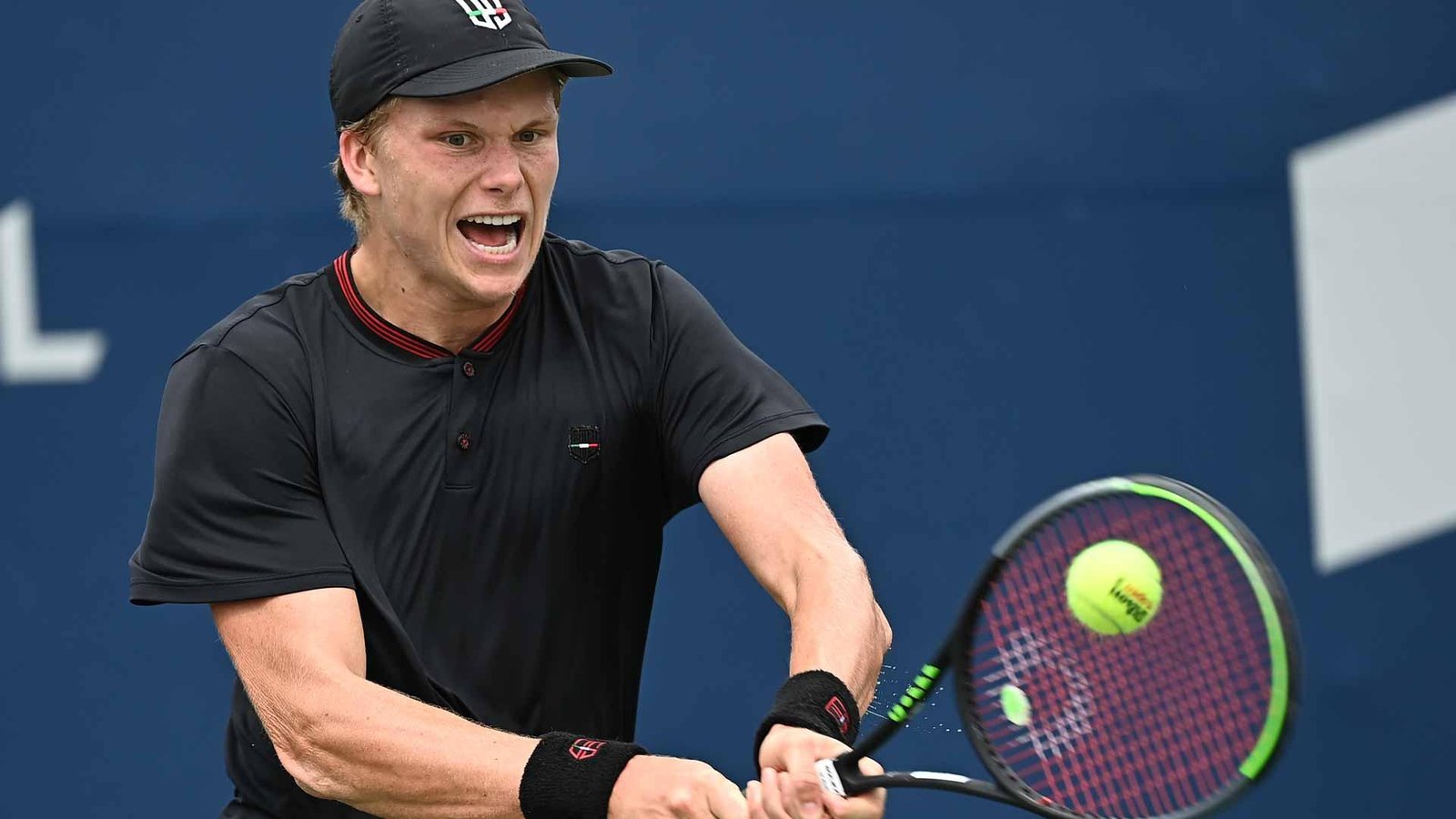
Understanding Brooksby’s Playing Style
To understand the success of Jenson Brooksby, one must first look at his technical foundations. Unlike the textbook strokes taught at many modern academies, Brooksby uses abbreviated backswings and unique weight transfers. His two-handed backhand is particularly notable for its disguise and ability to change direction at the last possible microsecond. His shorter swing helps him hit the ball earlier, giving his opponents less time to react.
Another hallmark of his technical arsenal is the slice backhand. In an age where the slice is often used as a defensive desperation shot, Brooksby employs it as an offensive tool. He uses it to keep the ball low, forcing taller opponents to bend their knees and hit up on the ball, which sets him up for a passing shot or a drop volley. This tactical versatility is a core component of [Link to: Modern Tennis Strategy] and serves as a blueprint for players who may not possess elite-level power.
His serve, while not the fastest on the tour, is built on precision. His serve usually ranges around 110 to 118 mph, focusing more on accuracy than raw power. However, his placement in the corners and his ability to follow the serve to the net for a clinical volley are what make the delivery effective. He focuses on high first-serve percentages to avoid being pressured on second serves, a strategy that emphasizes consistency over risk.

Core Concepts of the Brooksby Game Plan
The core of Brooksby game is psychological as much as it is physical. He operates on the principle of attrition. By returning almost every ball and varying the height and speed of his shots, he forces opponents into a state of frustration. This style is often referred to as counter-punching, but with a more aggressive, court-positioning twist. He does not just wait for errors: he induces them through discomfort.
One of Brooksby’s biggest strengths is his ability to stay consistent and control long rallies. He is comfortable moving from the baseline to the mid-court to finish points. His court coverage is exceptional, fueled by a high level of physical conditioning. He utilizes a low center of gravity to change direction quickly, which is essential for his style of play that requires constant movement and recovery. This physical resilience is a requirement for anyone attempting to emulate his high-intensity tactical style.
One specific tactic he uses is the deep return of serve. By landing the return within a few feet of the opponent baseline, he immediately neutralizes the advantage of the server. This allows him to reset the point into a neutral rally where his superior point-construction skills can take over. This is a vital lesson for [Link to: Improving Tennis Return of Serve] and highlights the importance of depth over sheer pace.
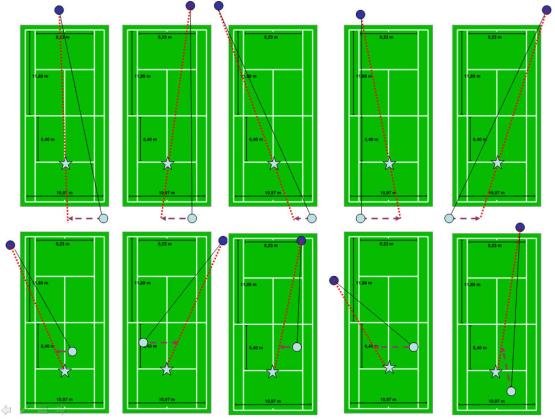
Real-Life Use Cases: Dismantling Power Hitters
The effectiveness of Brooksby approach is best seen when he faces high-velocity opponents. In several high-profile matches against top-ten players, Brooksby has demonstrated the ability to absorb pace and redirect it. For instance, when facing a player with a massive forehand, he will often play a series of non-rhythmic shots: a heavy topspin ball followed by a low-skidding slice, followed by a flat drive. This prevents the power hitter from finding a consistent strike zone.
By forcing the opponent to generate their own power from a low and slow ball, Brooksby exposes technical flaws in those who rely on the opponent pace. This shows how changing shot styles can break an opponent’s rhythm and force mistakes. Professional coaches often point to these matches as examples of how to beat a stronger athlete through mental fortitude and shot selection. The primary takeaway from his performance in these scenarios is that the player who controls the tempo of the match usually controls the outcome.
Benefits and Advantages of the Tactical Approach
Adopting a style similar to Brooksby offers several long-term benefits for competitive athletes:
- Lower Injury Risk: His style does not depend only on power, which may reduce physical strain compared to aggressive power hitters.
- Mental Edge: Opponents often find this style annoying or difficult to read, which can lead to mental fatigue and unforced errors from the other side of the net.
- Adaptability: A tactical game works on all surfaces. Whether on the slow red clay of Europe or the fast hard courts of North America, the ability to manipulate the ball is a universal asset.
- Longevity: Players who rely on craft rather than raw athleticism often have longer careers as they can still compete effectively even as their peak physical speed naturally declines with age.
Common Mistakes Opponents Make Against Him
Players often make the mistake of trying to hit winners too early against him, which leads to errors. Because Brooksby defense is so stout, opponents feel pressured to hit closer to the lines. This leads to a high volume of unforced errors. Another mistake is failing to come to the net. Because Brooksby plays with a lot of variety, staying at the baseline often plays right into his hands. Opponents who fail to apply forward pressure often find themselves caught in a web of slices and drop shots.
Additionally, many players become impatient with the lack of rhythm. They expect a standard baseline exchange and become agitated when they receive a ball with no pace or an unusual bounce. Maintaining emotional composure is the biggest challenge for anyone standing across the net from him. Those who lose their temper almost invariably lose the match.
Pro Tips for Implementing Tactical Tennis
If you are looking to incorporate Brooksby-style tactics into your own game, consider these expert insights:
- Focus on Depth: In practice, aim to land 80 percent of your shots past the service line. Depth is the best defense against an aggressive opponent.
- Master the Change of Pace: Do not hit every ball at the same speed. Practice hitting one ball at 50 percent power with high arc, and the next at 80 percent power flat.
- Stay Low: Brooksby success comes from his ability to play from a crouched position. Work on leg strength and flexibility to handle low balls effectively.
- Study Court Geometry: Learn where to hit the ball to make your opponent run the furthest distance. Use cross-court angles to open up the court for down-the-line winners.
Frequently Asked Questions
What is Jenson Brooksby known for in tennis?
He is primarily known for his unorthodox technique, exceptional court sense, and a highly tactical counter-punching style that disrupts the rhythm of more traditional power players.
What kind of racket does Jenson Brooksby use?
His serve usually ranges around 110 to 118 mph, focusing more on accuracy than raw power.
How tall is Jenson Brooksby?
He stands at 6 feet 4 inches (193 cm), which provides him with excellent reach and leverage, though his game is built more on movement than the typical big-man serve.
What is the Brooksby slice?
It is a tactical backhand shot characterized by a high-to-low motion that puts backspin on the ball, causing it to stay very low to the ground and making it difficult for opponents to attack.
Conclusion
Jenson Brooksby remains one of the most intriguing figures in professional tennis due to his refusal to conform to standard playing styles. His career serves as a vital reminder that tennis is a game of chess played on a physical stage. By prioritizing strategy, depth, and mental resilience, he has proven that technical perfection is less important than tactical execution. Whether you are a fan of his style or a player looking to improve, the lessons from Brooksby game are clear: intelligence and variety are the ultimate equalizers on the court.
The primary takeaway for any observer is that mastering the mental and tactical aspects of the sport can provide a competitive edge that rivals even the most powerful physical attributes.




Comments 0
Leave a Reply
Your email address will not be published. Required fields are marked *
Be the first to share your thoughts!