
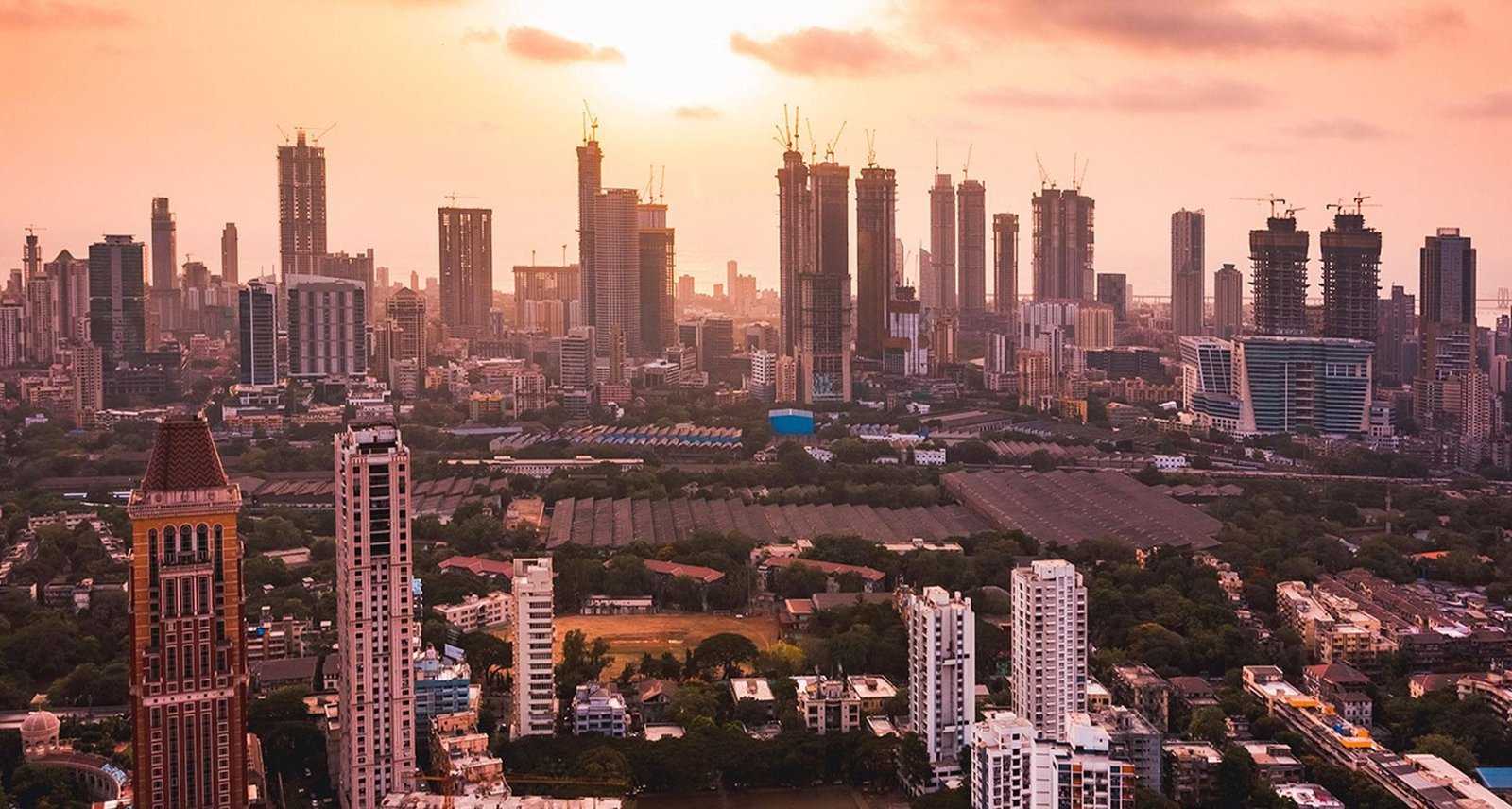
Maharashtra has long been recognized as the powerhouse of India, contributing significantly to the nation's economic fabric. The vision of Maharashtra Pudhcha represents a strategic roadmap designed to elevate the state from a regional leader to a global economic hub. This vision is not merely about industrial growth but encompasses a holistic approach involving infrastructure, technological innovation, and social welfare. According to the Government of India and the Ministry of Statistics and Programme Implementation (MOSPI), Maharashtra contributes approximately 14–15% to India's Gross Domestic Product (GDP), making it the largest state economy in the country, making its future trajectory vital for the entire country's progress.
Understanding the core pillars of this development strategy is essential for investors, residents, and policymakers alike. The focus is shifting from traditional manufacturing to high-tech industries, sustainable energy, and advanced logistics. According to reports from NITI Aayog and the Maharashtra Industrial Development Corporation (MIDC), the state is prioritizing specialized industrial zones to attract global investments that cater to the needs of the 21st-century global market. This guide provides an in-depth look at the various facets that define the future of Maharashtra.
The Roadmap to a One Trillion Dollar Economy
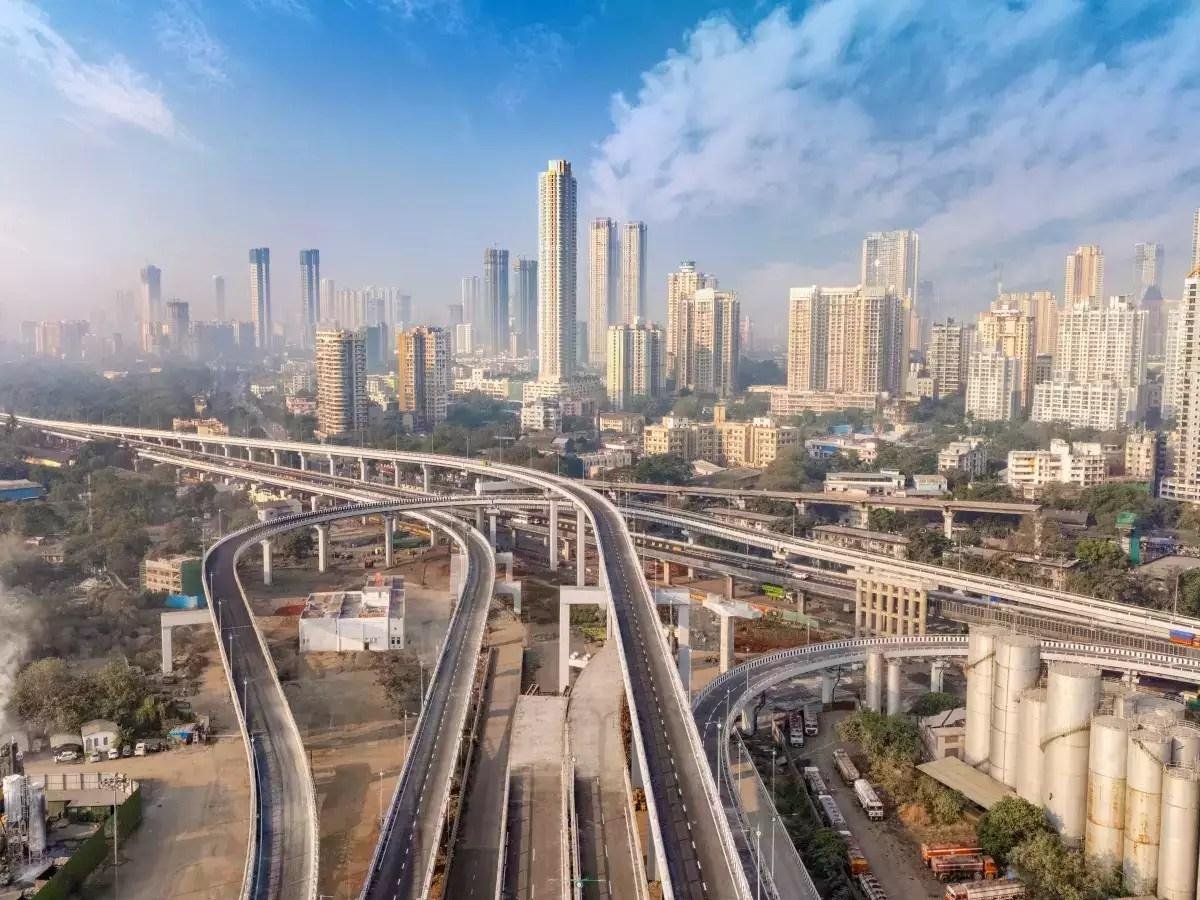
The most ambitious goal under the Maharashtra Pudhcha framework is the transition into a 1 trillion USD economy. Economic analysts and policy reports indicate that achieving this milestone will require sustained high economic growth, strong investments, and robust infrastructure development consistently over the next decade. This objective relies heavily on attracting Foreign Direct Investment (FDI) and fostering a conducive environment for startups and large-scale enterprises. According to data from the Department for Promotion of Industry and Internal Trade (DPIIT), Maharashtra consistently ranks as one of the top recipients of FDI in India.
Key sectors identified for this growth include financial services, information technology, and high-end manufacturing. The state government is actively working on simplifying regulatory processes to enhance the ease of doing business. [Link to: Ease of Doing Business in India]. By streamlining land acquisition and environmental clearances, the state aims to reduce the time-to-market for new industrial projects. This systematic approach is designed to build trust among international investors and ensure long-term capital inflow.
Furthermore, the focus is not limited to the Mumbai-Pune belt. The vision includes the development of secondary cities like Nagpur, Nashik, and Aurangabad (Chhatrapati Sambhajinagar) as new engines of growth. These cities are being equipped with modern infrastructure to host IT parks and manufacturing clusters, thereby decentralizing economic activity and reducing the pressure on the capital city.
Infrastructure: The Backbone of Future Maharashtra
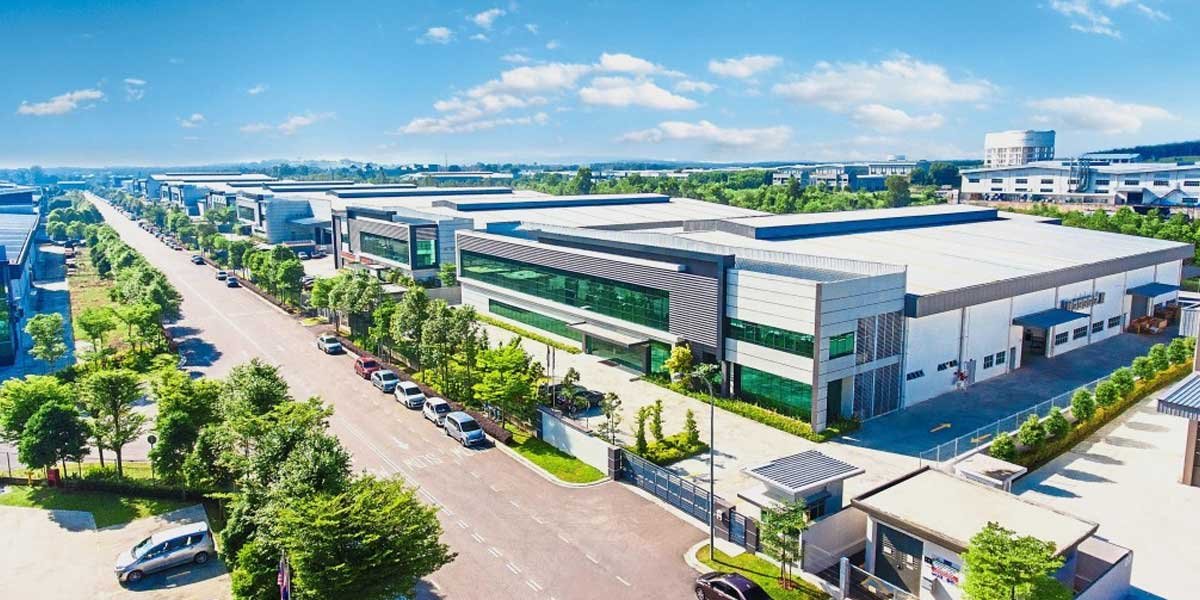
Infrastructure serves as the physical manifestation of the Maharashtra Pudhcha vision. Massive projects are underway to connect the far-reaching corners of the state with its economic centers. The Delhi Mumbai Industrial Corridor (DMIC) is a prime example of such a project, expected to revolutionize the logistics landscape. Experts suggest that high-speed connectivity is the primary driver for industrial expansion in rural areas.
Key infrastructure components include:
- High-Speed Expressways: Projects like the Samruddhi Mahamarg are designed to cut travel time between major cities by half, facilitating faster movement of goods.
- Metro Rail Networks: Expanding metro systems in Mumbai, Pune, and Nagpur aim to provide sustainable and efficient public transport, reducing carbon footprints.
- Port Modernization: With a vast coastline, the state is upgrading its ports to handle larger cargo volumes, enhancing its role in international trade.
- Smart Cities Mission: Implementing technology-driven urban planning to improve the quality of life for citizens. [Link to: Smart City Initiatives in India].
While advanced transit concepts such as hyperloop have been explored, they remain in developmental or proposal stages, with feasibility studies ongoing, but the state continues to explore these cutting-edge technologies. The integration of multi-modal transport hubs is also a priority, ensuring that rail, road, and sea transport work in a synchronized manner to optimize the supply chain.
The Digital and Technological Leap
In the era of the Fourth Industrial Revolution, Maharashtra is positioning itself as a leader in digital transformation. The state is home to some of the largest data centers in Asia, and the government is actively promoting the adoption of Artificial Intelligence (AI) and Blockchain technology. According to the Government of Maharashtra’s Digital Maharashtra initiative, the focus is on delivering citizen services through advanced digital platforms and expanding technological infrastructure where government services are accessible to every citizen via mobile platforms.
The startup ecosystem in Pune and Mumbai is thriving, with a high concentration of fintech, edtech, and healthtech companies. Educational institutions are also aligning their curricula with industry needs to create a future-ready workforce. Experts suggest that the state's ability to produce skilled engineers and researchers will be its greatest competitive advantage in the coming years.
Moreover, the push for 5G connectivity is expected to unlock new possibilities in remote healthcare and agriculture. Tele-medicine facilities are being planned for rural areas, ensuring that quality healthcare is not restricted to urban centers. This digital bridge is essential for the inclusive growth envisioned in the Maharashtra Pudhcha roadmap.
Sustainable Agriculture and Rural Transformation
While urban development is crucial, the future of Maharashtra is deeply rooted in its agricultural sector. The vision includes a shift from traditional farming to precision agriculture. This involves the use of IoT (Internet of Things) devices to monitor soil health and water levels, ensuring maximum yield with minimal resources. According to the Ministry of Agriculture and Farmers Welfare, promoting organic farming and agro-processing industries is essential for increasing farmers’ income and improving sustainability to increasing farmer income.
Water management remains a critical challenge. The state is investing in large-scale irrigation projects and decentralized water harvesting systems. By empowering local communities to manage their water resources, the state aims to achieve drought resilience. [Link to: Sustainable Water Management Practices]. The establishment of food parks near farming clusters is also a significant step toward reducing post-harvest losses and ensuring better prices for farmers.
Common Mistakes and Challenges to Overcome
Despite the ambitious plans, several challenges could hinder the progress of Maharashtra Pudhcha if not addressed proactively. One common mistake in rapid urbanization is the neglect of environmental conservation. Experts suggest that balancing industrial growth with green cover is vital for long-term sustainability. Over-centralization of resources in a few cities can also lead to regional imbalances, which the state must mitigate through equitable fund distribution.
Another challenge is the gap between skill sets and industry requirements. While the state produces a large number of graduates, employability remains a concern. Addressing this through vocational training and industry-academia partnerships is essential. Additionally, maintaining the pace of infrastructure projects without over-leveraging the state's debt is a delicate fiscal balance that policymakers must maintain.
Pro Tips for Stakeholders
For those looking to be a part of Maharashtra's future, here are some expert insights:
- Investors: Look beyond the tier-1 cities. Emerging hubs like Nashik and Nagpur offer significant growth potential with lower entry costs.
- Entrepreneurs: Focus on sectors that solve local problems, such as waste management, renewable energy, and rural logistics.
- Students: Acquire skills in data science, AI, and sustainable technologies, as these will be the most sought-after fields.
- Farmers: Adopt cooperative farming models to gain better bargaining power and access to modern machinery.
Frequently Asked Questions (FAQ)
1. What is the primary goal of the Maharashtra Pudhcha vision?
The primary goal is to transform Maharashtra into a 1 trillion USD economy through integrated development in infrastructure, technology, and agriculture.
2. How does Maharashtra plan to improve rural connectivity?
The state is investing in high-speed expressways like the Samruddhi Mahamarg and improving the network of state highways to connect rural production centers with urban markets.
3. Which sectors are expected to drive future growth in the state?
Financial services, Information Technology, Electric Vehicle (EV) manufacturing, and Renewable Energy are identified as the key growth drivers.
4. What steps are being taken for environmental sustainability?
The state is promoting the use of renewable energy, implementing strict waste management protocols in cities, and encouraging green building practices in new developments.
5. How can startups benefit from the state's future plans?
Startups can benefit from specialized incubation centers, government grants for innovation, and a simplified regulatory environment designed to foster entrepreneurship.
Conclusion
The Maharashtra Pudhcha vision represents a bold and strategic roadmap for transforming the state into a global economic powerhouse. By focusing on infrastructure, digital innovation, sustainable agriculture, and inclusive development, Maharashtra is positioning itself as a leader in India's growth story. With consistent policy support, private sector participation, and technological advancement, the state is well on its way to achieving its ambitious goal of becoming a one-trillion-dollar economy.



Comments 0
Leave a Reply
Your email address will not be published. Required fields are marked *
Be the first to share your thoughts!