
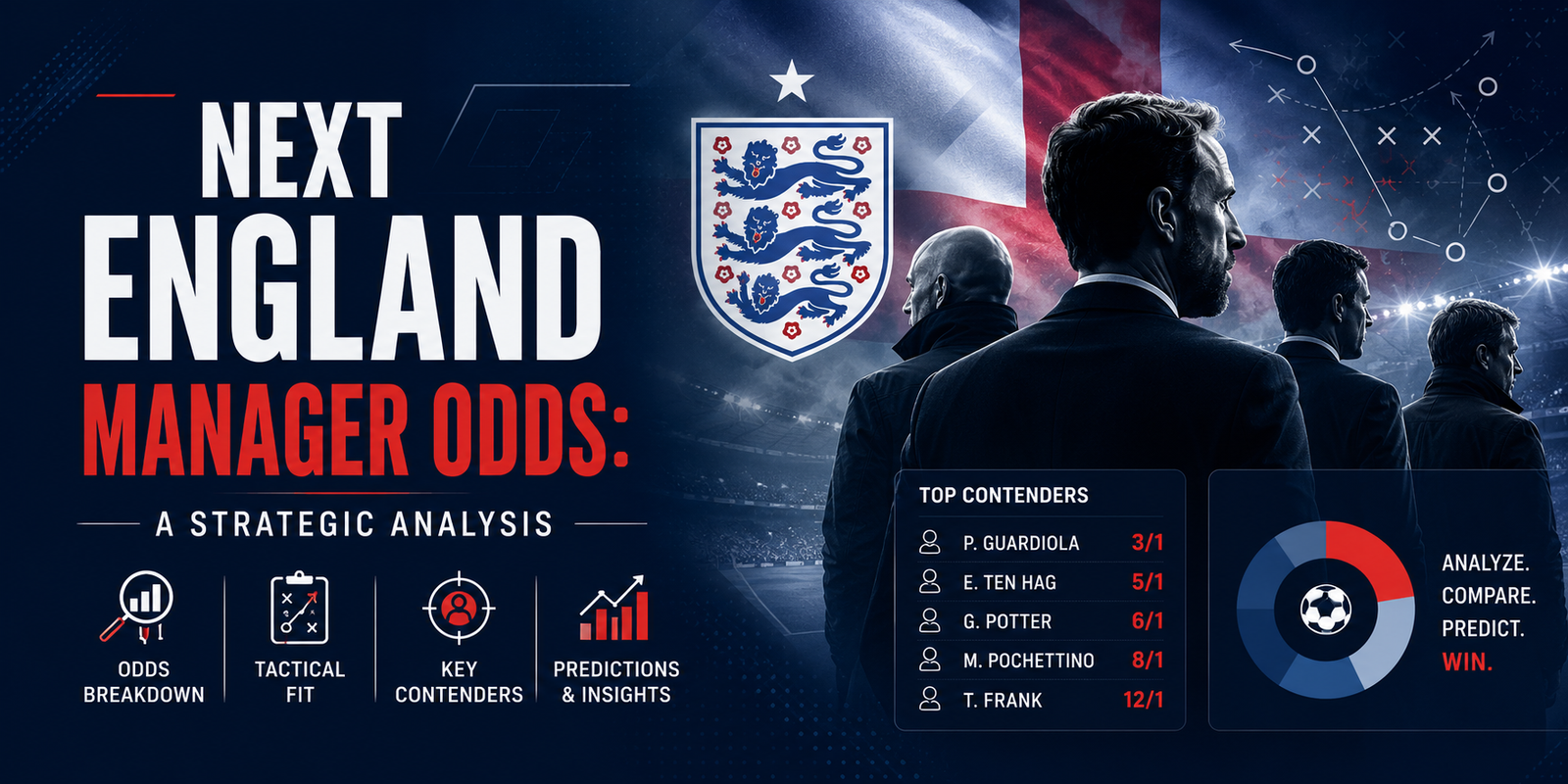
💡 Next England Manager Odds: A Strategic Analysis
A comprehensive strategic analysis of the betting markets, candidate profiles, and FA selection criteria for the England national team manager role.
Executive Summary
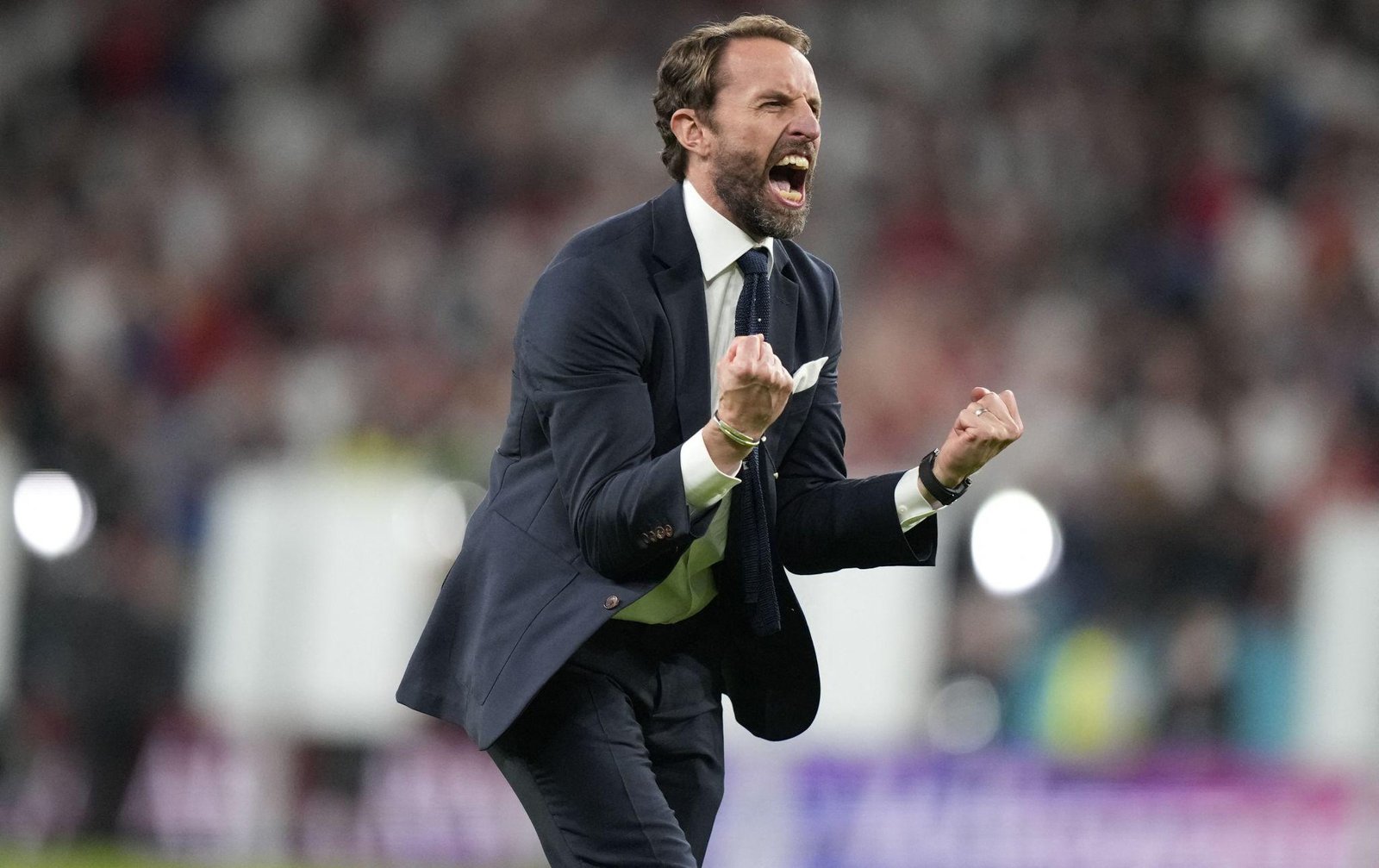
The search for the England senior men's national team manager represents one of the most scrutinized recruitment processes in global sports. Following the departure of Gareth Southgate, who maintained a win percentage of 59.8 percent over 102 games, the Football Association (FA) shifted its strategic focus toward elite tactical proficiency. Current market data indicates that while interim solutions and domestic candidates often lead early betting odds, the FA's long-term financial health, boasting a revenue of 481 million GBP in the 2023 fiscal year, allows for the pursuit of world-class talent. This analysis examines the primary candidates, the statistical benchmarks required for the role, and the economic factors influencing the betting markets.
Introduction: The Strategic Value of the England Post
The England managerial position is frequently characterized as the impossible job, yet it remains one of the most prestigious roles in international football. The vacancy created a significant vacuum in the sporting world, leading to volatile fluctuations in the next England manager odds. Unlike club football, where recruitment is driven by immediate transfer windows, the FA's selection process is governed by a long-term vision known as the England DNA. This initiative, launched in 2014, mandates a consistent playing style across all age groups, making the senior manager's role a hybrid of tactical coaching and cultural stewardship.
Understanding the odds requires more than a cursory look at bookmaker listings. It requires a deep understanding of the FA's technical directorate, led by John McDermott, and the organization's historical preference for stability. The leadership transition in English football can be compared to other high-stakes environments, such as the strategic analysis of hockey leadership seen in the NHL, where a single figurehead must balance tradition with modern performance metrics.
The Deep Dive: Candidate Profiles and Market Dynamics
The betting market for the next England manager is rarely a reflection of insider knowledge. Instead, it is a reactive mechanism influenced by media reports and public sentiment. However, by analyzing the tactical requirements and the FA's stated goals, we can categorize the leading candidates into three strategic tiers.
Tier 1: The Elite Tactical Specialists
In the modern era, the FA has shown a willingness to break from the tradition of hiring only English managers. The appointment of Thomas Tuchel marked a significant shift toward proven tournament winners. The odds for candidates like Pep Guardiola or Jurgen Klopp often remain high due to their contractual obligations elsewhere, yet they represent the gold standard for the FA's technical ambitions. A manager of this caliber typically demands a salary exceeding 6 million GBP per year, a figure the FA can justify through increased sponsorship and commercial revenue associated with deep runs in the World Cup and European Championships.
Tier 2: The Domestic Successors
Eddie Howe and Graham Potter have consistently featured at the top of the odds lists. Howe's success at Newcastle United and Potter's reputation for tactical flexibility make them natural fits for the England DNA model. From a data perspective, the FA values managers who can integrate young talent from the St. George's Park pipeline. This is similar to the cultural management seen in popular media, as explored in the strategic analysis of a cultural phenomenon, where the ability to manage player egos and public expectations is as vital as the tactical setup on the pitch.
- Eddie Howe: Known for high-intensity pressing and a 4-3-3 formation.
- Graham Potter: Noted for positional fluidity and a focus on psychological well-being.
- Lee Carsley: Representing the internal pathway, having successfully managed the Under-21 squad.
Tier 3: The International Dark Horses
Market volatility often introduces names that provide high value for bettors but lower probability for the FA. This includes managers with successful international pedigrees from other nations. The criteria here are strict: a minimum of a UEFA Pro License, a history of managing high-pressure environments, and a willingness to reside in the United Kingdom to oversee the broader development of English football.
Financial and Statistical Benchmarks
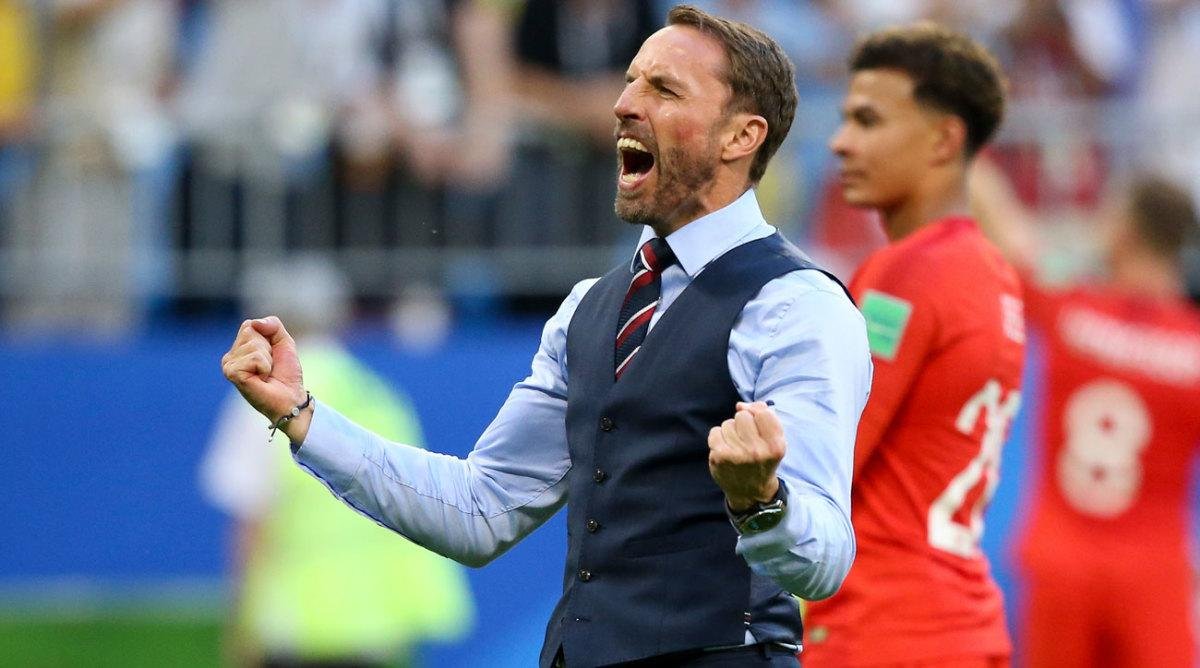
The FA's decision-making is heavily influenced by performance data. Gareth Southgate's tenure was defined by reaching two consecutive European Championship finals. Any successor is statistically measured against a 60 percent win rate and a consistent ability to reach the semi-final stage of major tournaments. Financially, the managerial salary represents approximately 1.5 percent of the FA's annual turnover, making it a high-leverage investment. The betting odds often fail to account for these internal financial constraints, focusing instead on the popularity of the candidate.
What This Means For You
For the average observer or sports enthusiast, the next England manager odds serve as a barometer for the health of the national game. If the odds favor a foreign elite manager, it suggests a lack of confidence in the domestic coaching pathway. Conversely, if an English manager is the favorite, it signals a commitment to the St. George's Park system. For those engaging with betting markets, it is essential to distinguish between a rumor-driven price drop and a genuine shift in the FA's strategic direction.
Expert Verdict and Future Outlook
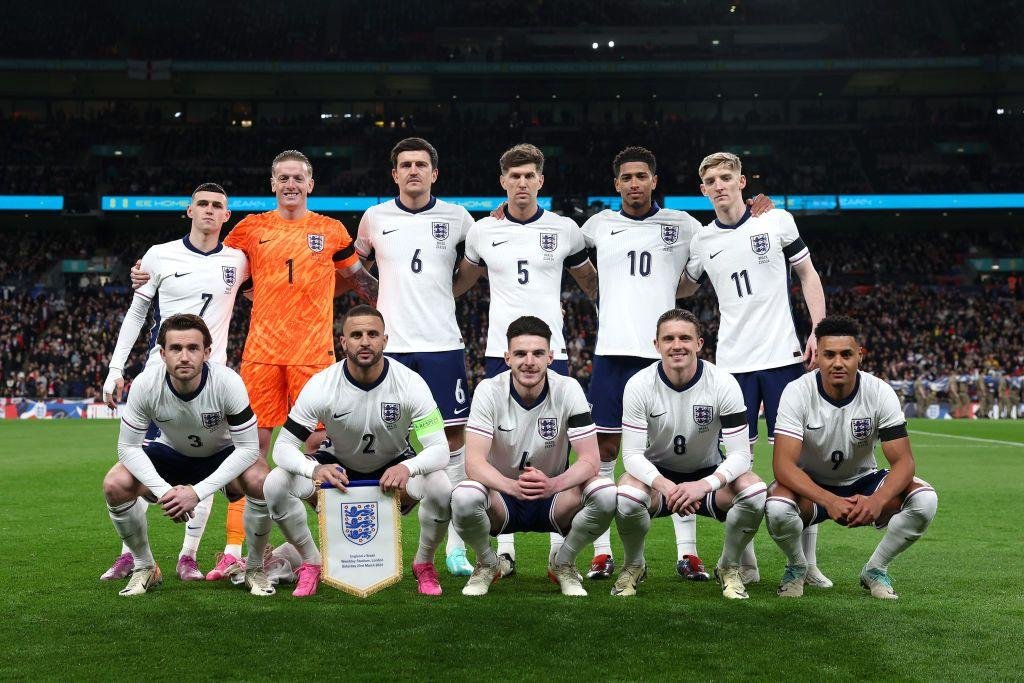
The future of the England managerial role will likely move toward a more specialized, short-term contract model. The FA has observed that the lifecycle of an international manager is approximately six to eight years. Moving forward, we expect the organization to prioritize tactical innovation over long-term cultural building, as the foundational work of the England DNA is now firmly established. The next appointment will be tasked with one specific objective: winning a major trophy for the first time since 1966. This singular focus will narrow the field of candidates to those who have demonstrated success in knockout-style competitions.
FAQ: Understanding the Managerial Selection Process
Who decides who the next England manager will be?
The decision is primarily made by a three-person panel including the FA Chief Executive, the Technical Director, and the Chair of the FA Board. They present their recommendation to the full FA Board for final approval.
Do betting odds actually predict the next manager?
Not necessarily. Betting odds reflect where the public is placing their money. While a significant shift can indicate a leak, the odds are often manipulated by small amounts of money on unlikely candidates.
What is the average salary for an England manager?
Historically, the salary has ranged from 3 million to 6 million GBP. However, for a world-class manager, the FA has the financial capacity to exceed this range through performance-based bonuses.
Does the manager have to be English?
No. While there is a preference for a manager who understands the English football culture, the FA's primary goal is winning. They have previously hired foreign managers like Sven-Goran Eriksson, Fabio Capello, and Thomas Tuchel.
How does the FA's revenue affect the search?
With annual revenues nearing 500 million GBP, the FA is one of the wealthiest national associations in the world. This allows them to compete with top European clubs for managerial talent.
Conclusion: A Strategic Takeaway
The next England manager odds are more than just numbers on a screen: they are a reflection of the high-stakes environment of international sports governance. As the FA continues to refine its selection criteria, the focus remains on balancing tactical excellence with the unique pressures of the English media landscape. Whether the next appointment is a domestic favorite or a global icon, the strategic objective remains unchanged: the pursuit of clinical excellence on the world stage.





Comments 0
Leave a Reply
Your email address will not be published. Required fields are marked *
Be the first to share your thoughts!