
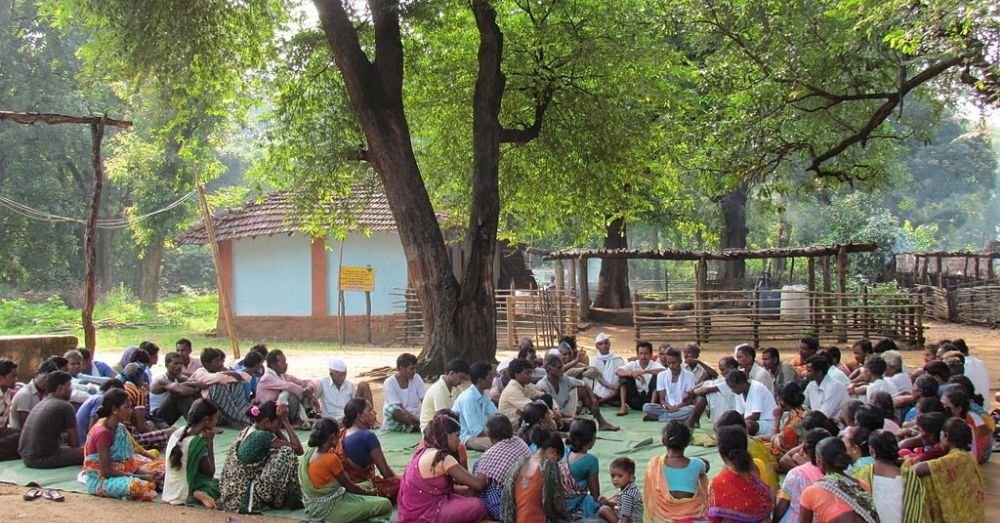
The Architecture of Rural Democracy: A Deep Dive into the Indian Panchayat System
In the framework of Indian democracy, the Panchayati Raj System serves as the foundational pillar of local self-government. It is a decentralized administrative model that empowers rural communities to manage their own affairs, fostering grassroots development and political participation. Understanding how a Panchayat functions is essential for every citizen, as it directly influences the implementation of welfare schemes, infrastructure development, and social justice at the village level. Experts suggest that the efficiency of a nation's democracy is often measured by the strength of its local governing bodies.
The concept of the Panchayat is not merely an administrative convenience but a constitutional mandate. It bridges the gap between the central government and the individual citizen, ensuring that the voices of the rural population are heard in the corridors of power. Government and policy reports indicate that on governance, the integration of technology into these local bodies is transforming how services are delivered to the common man. Digital India programs improving rural governance and online service delivery systems in villages.

The Constitutional Foundation: The 73rd Amendment Act
The modern Panchayati Raj System was formalized through the 73rd Constitutional Amendment Act of 1992. This landmark legislation provided a constitutional status to the three-tier system of local governance. According to legal experts, this amendment was a pivotal moment in Indian history because it mandated the regular conduct of elections and ensured the representation of marginalized groups. The act added Part IX to the Constitution of India, titled The Panchayats, and introduced the Eleventh Schedule, which lists 29 functional items under the jurisdiction of these local bodies.
Key features of this act include the mandatory establishment of Gram Sabhas, a uniform three-tier structure across states with populations over 20 lakhs, and the reservation of seats for Scheduled Castes (SC), Scheduled Tribes (ST), and women. Specifically, the law requires that no less than one-third of the total number of seats and offices of chairpersons be reserved for women. This provision has significantly altered the social landscape of rural India by bringing women into active leadership roles. initiatives that promote women participation and leadership roles in Panchayati Raj institutions across India.
The Three-Tier Structure of Panchayati Raj
The system is organized into three distinct levels, each with specific roles and geographical jurisdictions. This hierarchical structure ensures that administration remains close to the people while maintaining a link to higher levels of government planning.
- Gram Panchayat (Village Level): This is the primary tier of the system. It consists of a Sarpanch (President) and Ward Members (Panches) elected directly by the villagers. The Gram Panchayat is responsible for village-level planning, sanitation, and primary education.
- Panchayat Samiti (Block Level): This intermediate tier acts as a link between the Gram Panchayat and the Zila Parishad. It coordinates the activities of all the Gram Panchayats within its block and processes development plans for approval.
- Zila Parishad (District Level): The highest tier of the system operates at the district level. It oversees the functioning of Panchayat Samitis and ensures that government funds are distributed equitably across the district.
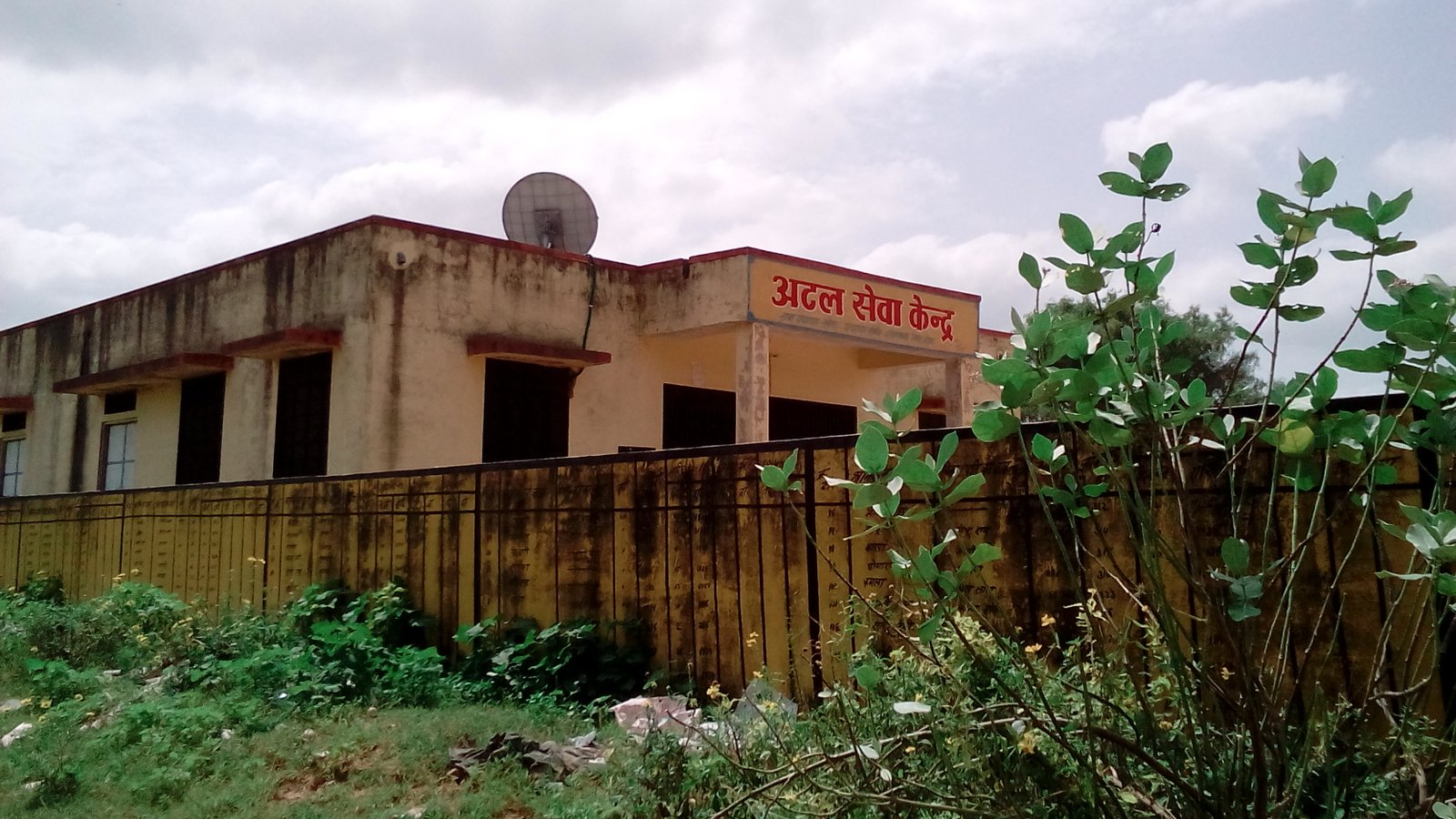
The Role and Power of the Gram Sabha
The Gram Sabha is often described as the soul of the Panchayati Raj System. It is a permanent body consisting of all registered voters within a village. Unlike the Gram Panchayat, which is an elected executive body, the Gram Sabha is a deliberative forum where every citizen has a direct say in local governance. According to administrative analysts, the Gram Sabha acts as a watchdog, ensuring transparency and accountability in the functioning of the elected representatives.
The functions of the Gram Sabha include reviewing the annual statement of accounts, discussing the audit reports, and approving the selection of beneficiaries for various government welfare schemes. Experts suggest that active participation in Gram Sabha meetings is the most effective way for citizens to prevent corruption and ensure that development projects align with the actual needs of the community. systems that ensure transparency and accountability in village-level governance and public fund usage.
Financial Framework and Sources of Revenue
A Panchayat cannot function effectively without financial autonomy. The 73rd Amendment Act provides for the establishment of a State Finance Commission every five years to review the financial position of the Panchayats and recommend principles for the distribution of taxes and grants. The revenue sources for a Panchayat are categorized into several streams:
- Internal Revenue: Taxes on houses, marketplaces, and local transport; fees for services like water supply and street lighting.
- Grants-in-Aid: Funds provided by the Central and State governments under various development schemes.
- Assigned Revenues: A share of certain taxes collected by the State government, such as land revenue or stamp duty.
As per recent administrative reports, the shift toward direct benefit transfers (DBT) has streamlined the flow of funds, reducing leakages and ensuring that resources reach the intended projects more efficiently. Official specifications for fund allocation are determined by the respective State Finance Commissions based on population, area, and development indices.
Common Challenges and Barriers to Success
Despite its robust legal framework, the Panchayati Raj System faces several operational hurdles. Industry analysts point out that the lack of adequate financial powers remains a significant bottleneck. Many Panchayats are heavily dependent on government grants, which limits their ability to initiate independent projects. Furthermore, political interference from higher levels of government can sometimes undermine the autonomy of local leaders.
Another challenge is the technical capacity of the elected representatives. In many cases, the Sarpanch and Ward Members lack the necessary training to manage complex budgets or utilize digital governance tools. Experts suggest that continuous capacity-building programs are essential to bridge this skill gap. Additionally, the phenomenon of Sarpanch-Pati, where the husbands of elected women representatives exercise actual power, remains a social barrier to genuine women empowerment.
Step-by-Step Guide: How to Engage with Your Local Panchayat
For a citizen living in a rural area, engaging with the Panchayat is the most direct way to solve local issues. Follow these steps to participate effectively:
- Verify Voter Status: Ensure your name is on the electoral roll of the Gram Sabha.
- Attend Gram Sabha Meetings: These are usually held four times a year. Use this forum to raise concerns regarding local infrastructure or welfare schemes.
- Request Information: Citizens have the right to ask for the details of the Panchayat's budget and expenditure. Use the Right to Information (RTI) if necessary.
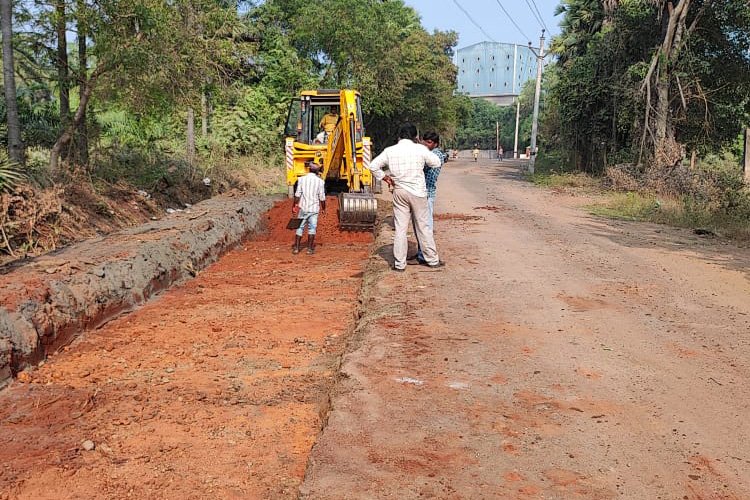
- Monitor Projects: Keep an eye on the quality of work being done in your ward, such as road repairs or school maintenance, and report discrepancies to the Block Development Officer (BDO).
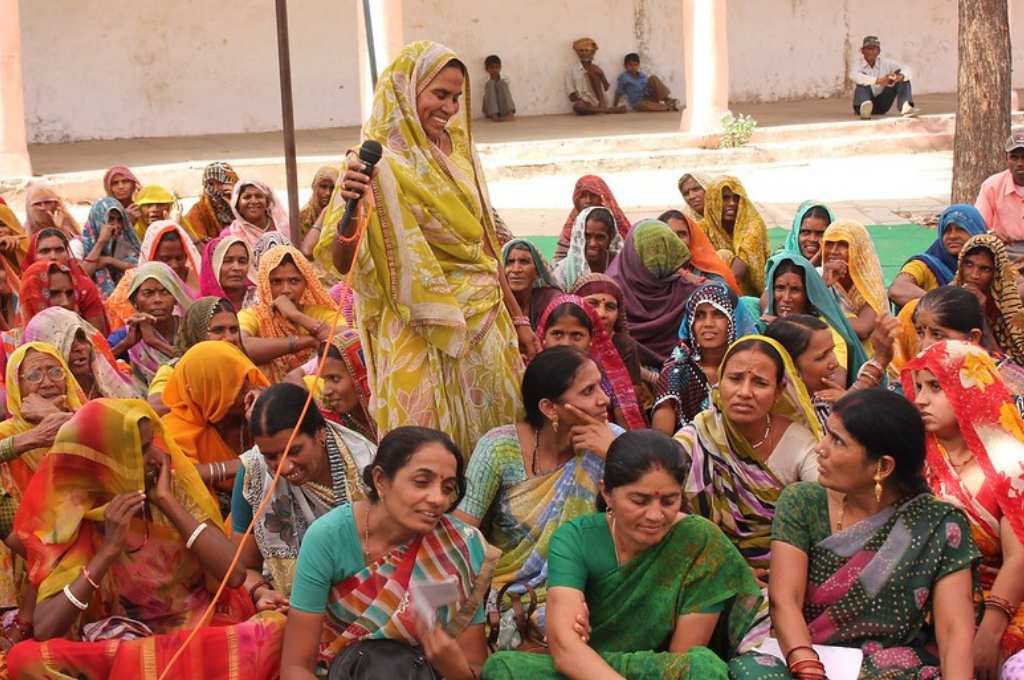
Pro Tips for Effective Local Governance
Experts suggest that the most successful Panchayats are those that prioritize social auditing. A social audit involves the community reviewing the official records of a project to ensure that the work was actually completed as claimed. Another pro tip is to leverage the Ward Sabha meetings. While the Gram Sabha is for the whole village, the Ward Sabha focuses on specific neighborhoods, allowing for more granular problem-solving. social audit methods used to verify the implementation of rural development schemes at the village level.
Furthermore, integrating sustainable practices like rainwater harvesting and waste management into the Panchayat's development plan can attract additional environmental grants from the central government. Studies on rural governance show that, local bodies that embrace green initiatives often see a faster improvement in the quality of life for their residents.
Frequently Asked Questions (FAQ)
1. What is the tenure of a Panchayat?
A Panchayat is elected for a fixed term of five years from the date of its first meeting. If it is dissolved before the completion of its term, elections must be held within six months.
2. Who is eligible to vote in Panchayat elections?
Every person who is a registered voter in the electoral roll of the village and is at least 18 years of age is eligible to vote in the Gram Sabha and Panchayat elections.
3. Can a Panchayat levy taxes?
Yes, state legislatures can authorize Panchayats to levy, collect, and appropriate certain taxes, duties, tolls, and fees to generate internal revenue.
4. What is the role of the Sarpanch?
The Sarpanch is the head of the Gram Panchayat. Their role includes presiding over meetings, maintaining records, and supervising the implementation of development projects in the village.
5. Is there a minimum age to contest Panchayat elections?
To contest an election for any position in the Panchayat, a person must have attained the age of 21 years.
Conclusion
The Panchayati Raj System is the backbone of rural development in India. By decentralizing power and placing it in the hands of the people, it ensures that governance is both inclusive and responsive. While challenges like financial dependency and capacity gaps persist, the system remains the most effective tool for social and economic transformation at the grassroots level. Active participation from citizens is the key to unlocking the full potential of these local bodies. The future of Indian democracy lies in the strength and integrity of its Panchayats.





Comments 0
Leave a Reply
Your email address will not be published. Required fields are marked *
Be the first to share your thoughts!