
💡 What is Property tax?
An in-depth guide to property tax in India, focusing on Bengaluru's BBMP manual and partial payment options, calculation methods, and expert tips for homeowners.
Understanding Property Tax in India: A Comprehensive Guide to BBMP Manual and Partial Payment Systems
Property tax serves as a primary revenue source for municipal corporations across India. This tax is levied on real estate, including residential, commercial, and vacant land. The funds collected are essential for maintaining local infrastructure such as roads, sewage systems, parks, and street lighting. In recent times, major urban centers like Bengaluru have introduced specific provisions to assist taxpayers who face challenges with digital portals or financial constraints. Specifically, the Bruhat Bengaluru Mahanagara Palike (BBMP) has facilitated manual and partial payment options to ensure every citizen can fulfill their civic obligations effectively.
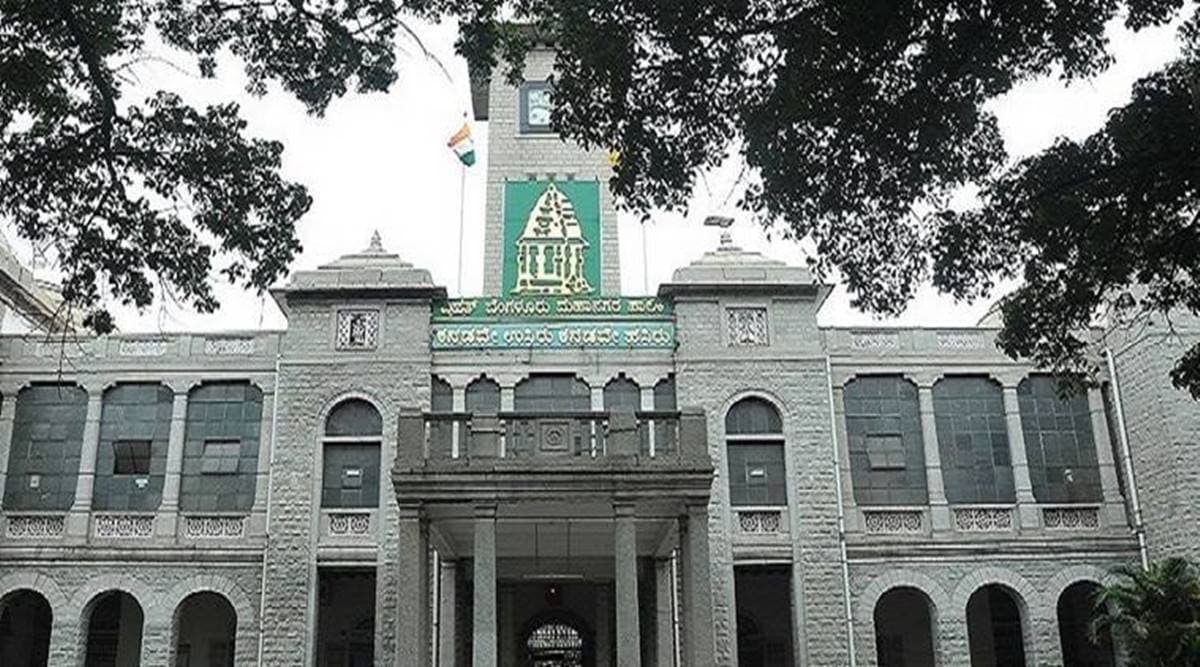
What is property tax and why is it mandatory?
Property tax is a localized tax paid by property owners to the municipal government or the local civic body. According to urban planning experts, this tax is not merely a financial burden but a contribution toward the shared amenities of a city. Whether a property is self-occupied, rented out, or left vacant, the owner is liable to pay this tax annually. Failure to pay property tax can lead to significant penalties, legal complications, and even the attachment of the property by the municipal authorities in extreme cases.
In the context of Indian cities, the tax amount varies based on the location, the size of the property, the type of construction, and the usage (residential versus commercial). Municipalities use these funds to manage waste, provide clean water, and improve public health facilities. Therefore, understanding how to navigate the payment system is crucial for every responsible homeowner.
How is property tax calculated in major Indian cities?
As per municipal administration reports, there are three primary methods used by Indian civic bodies to calculate property tax. Understanding these methods helps taxpayers verify if their assessment is accurate.
- Unit Area Value (UAV) System: This is the most common method used in cities like Bengaluru and Delhi. The tax is calculated based on the expected returns from the property per unit of its area (per square foot). The city is divided into different zones based on property values, and a specific rate is applied to each zone.
- Capital Value System (CVS): In this system, the tax is a percentage of the market value of the property. This market value is typically determined by the state government and updated annually. This system is widely used in Mumbai.
- Annual Rental Value (ARV) System: Here, the tax is calculated based on the annual rent the property is expected to fetch. The actual rent collected is often irrelevant, as the municipal body sets a standard rental value for the area.
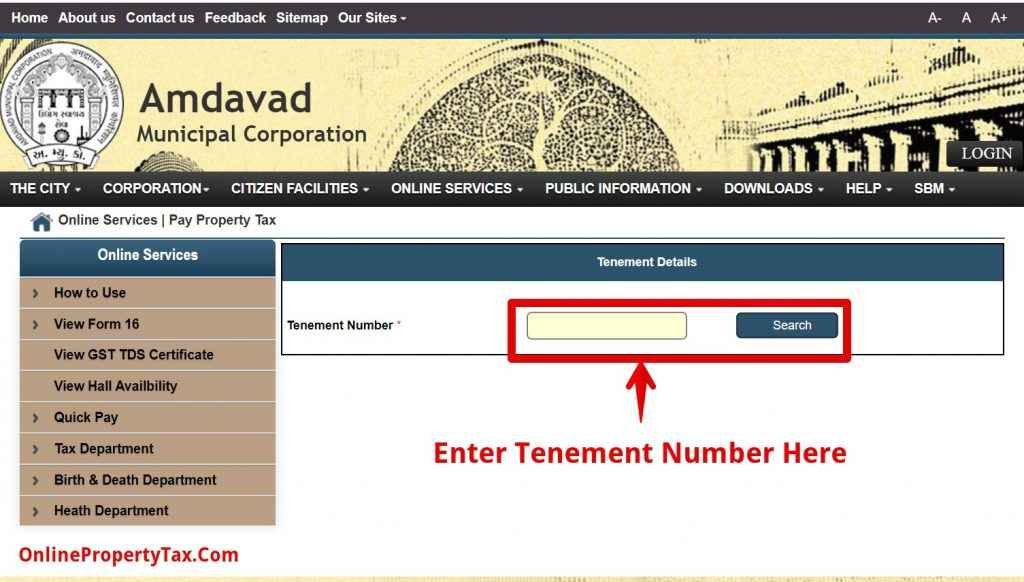
How to navigate manual and partial property tax payments in Bengaluru?
While digital India initiatives have pushed most municipal services online, there are instances where manual intervention becomes necessary. In Bengaluru, the BBMP has recognized that technical glitches in the online portal or complex arrears can hinder the payment process. Consequently, they have permitted manual payments through designated channels.
Manual payments are typically handled at the Assistant Revenue Officer (ARO) offices or through authorized bank branches. This is particularly helpful for senior citizens who may not be tech-savvy or for property owners dealing with disputed tax records. Furthermore, the provision for partial payments allows taxpayers to clear their dues in installments rather than a single lump sum. This is a significant relief for those facing temporary financial liquidity issues.
To make a manual payment, a taxpayer usually needs to generate a challan or fill out a physical form provided by the ARO office. Once the payment is made at the bank, the receipt must be preserved carefully, as manual entries might take longer to reflect in the digital database. Experts suggest cross-verifying the updated status on the official BBMP portal after a few weeks of manual payment.
What are the benefits of the partial payment system?
Financial advisors suggest that the introduction of partial payment systems is a proactive step toward increasing tax compliance. The benefits include:
- Reduced Financial Strain: Homeowners can manage their cash flow better by paying smaller amounts over a period rather than a large annual sum.
- Avoiding Heavy Penalties: By paying at least a portion of the tax, owners can sometimes mitigate the high-interest rates typically charged on total defaults.
- System Flexibility: It accommodates property owners who might be disputing a part of their tax assessment but wish to pay the undisputed amount to show good faith.
- Inclusion: It ensures that lower-income households can remain compliant without facing immediate financial distress.
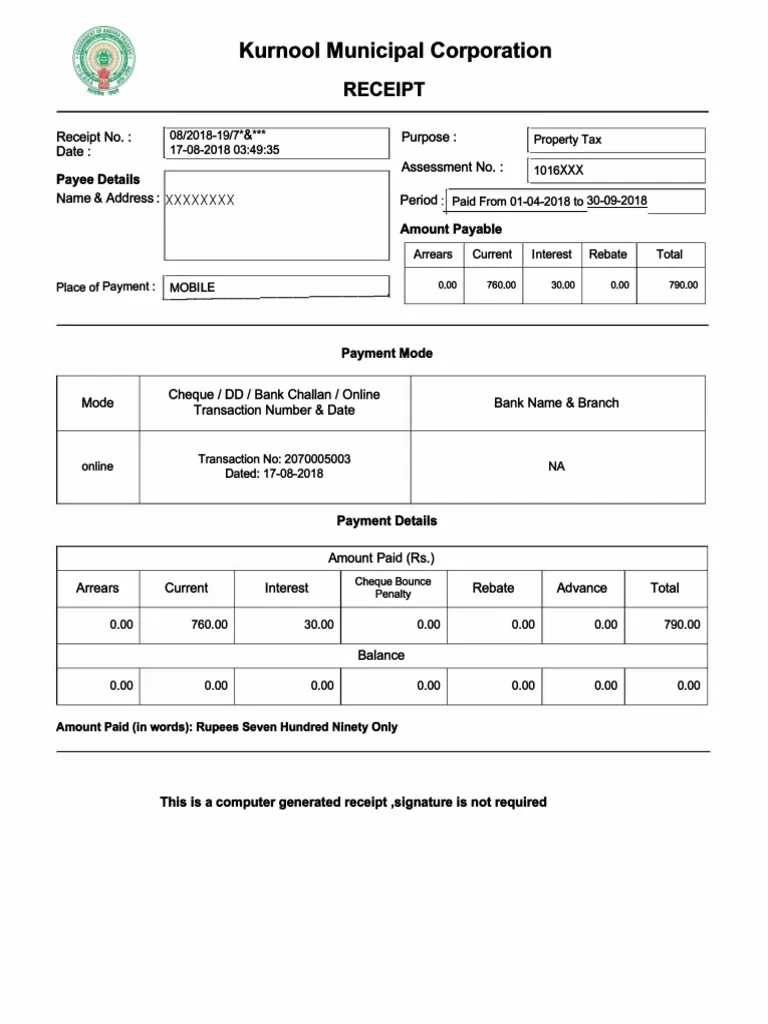
How to pay property tax: A step-by-step guide
Whether you are paying in Bengaluru or any other major Indian city, the process generally follows these steps:
Step 1: Identify your Property Identification Number (PID). Every registered property has a unique PID or Khata number. This is essential for both online and offline payments.
Step 2: Choose the Payment Mode. Decide if you will use the online portal or visit an ARO office for manual payment. If the online portal shows errors, the manual route is the safest alternative.
Step 3: Calculate the Tax Due. Use the online calculator provided by the municipal corporation. For Bengaluru, the BBMP website has a detailed calculator based on the current Unit Area Value zones.
Step 4: Fill the Form. For online payments, fill in the digital Form IV or Form V. For manual payments, obtain the physical copies from the ward office. Form IV is generally for properties with no changes, while Form V is for properties where changes (like construction or change of use) have occurred.
Step 5: Make the Payment. Use credit cards, debit cards, or net banking for online transactions. For manual payments, use a demand draft or cash as per the bank's limit.
Step 6: Save the Receipt. The tax receipt is a vital legal document. It is required for property sales, applying for loans, and obtaining building plan approvals.
What are the common mistakes to avoid in property tax payment?
According to municipal auditors, many taxpayers inadvertently make errors that lead to notices or penalties later. One common mistake is selecting the wrong category for the property. For example, marking a commercially rented property as self-occupied residential can lead to heavy fines for tax evasion. Another mistake is ignoring the depreciation benefit. Most systems allow you to deduct a certain percentage based on the age of the building, which reduces the overall tax liability.
Failing to update records after a property transfer is another significant issue. If you have recently purchased a property, ensure the tax records are updated in your name through a process called 'Mutation'. Paying tax in the name of the previous owner can create legal hurdles during future transactions.

Pro tips for efficient property tax management
To stay ahead of your financial obligations, consider these expert insights:
- Early Bird Discounts: Most municipal corporations offer a 5 percent rebate if the full tax is paid within the first month of the financial year. Always try to capitalize on this.
- Regular Record Checks: Even if you have paid, log into the portal periodically to ensure there are no 'arrears' showing due to system errors.
- Document Everything: Maintain a physical and digital folder for all your property tax receipts spanning at least the last 10 years.
- Consult the ARO: If your property tax suddenly spikes without any change in the property, visit the ARO office instead of paying blindly. There might be a zonal reclassification that you can contest if it is erroneous.
Frequently Asked Questions (FAQs)
1. Can I pay property tax if I do not have a PID number?
No, a PID or Khata number is mandatory. If you do not have one, you must first apply for property registration and Khata through your local municipal office.
2. What happens if I miss the March 31 deadline for property tax?
Missing the deadline usually attracts a penalty, often calculated at 2 percent per month on the outstanding amount. It is advisable to use the manual or partial payment options if you cannot pay the full amount by the deadline.
3. Is property tax the same as professional tax or income tax?
No, property tax is a local tax paid to the city corporation based on real estate ownership. Income tax is paid to the central government based on your earnings, and professional tax is a state-level tax on professions and trades.
4. Can I get a refund if I overpay my property tax?
Getting a cash refund is difficult. Usually, municipal bodies adjust the excess amount against the tax liability of the following year. You must submit a formal application to the Revenue Officer for such adjustments.
5. Does paying property tax prove ownership of the land?
While a property tax receipt is a strong evidence of possession and is used in many legal processes, the primary document for ownership is the registered Sale Deed and the Khata certificate.
Conclusion
Property tax is a fundamental aspect of urban living that ensures our cities remain functional and habitable. The flexibility provided by city corporations, such as Bengaluru's BBMP, through manual and partial payment options, reflects an understanding of the diverse challenges faced by taxpayers. By staying informed about calculation methods, avoiding common pitfalls, and utilizing available payment channels, homeowners can contribute to their city's growth while maintaining a clean legal record for their assets. Always remember that timely payment not only saves money in penalties but also simplifies future real estate transactions.
Important Note: Financial Disclaimer: This content is for educational purposes only and does not constitute professional financial advice. Always consult with a certified financial planner before making investment decisions.
Related Media
Quick View: Understanding Property Tax in India: A Comprehensive Guide to BBMP Manual and Partial Payment Systems





Comments 0
Leave a Reply
Your email address will not be published. Required fields are marked *
Be the first to share your thoughts!