
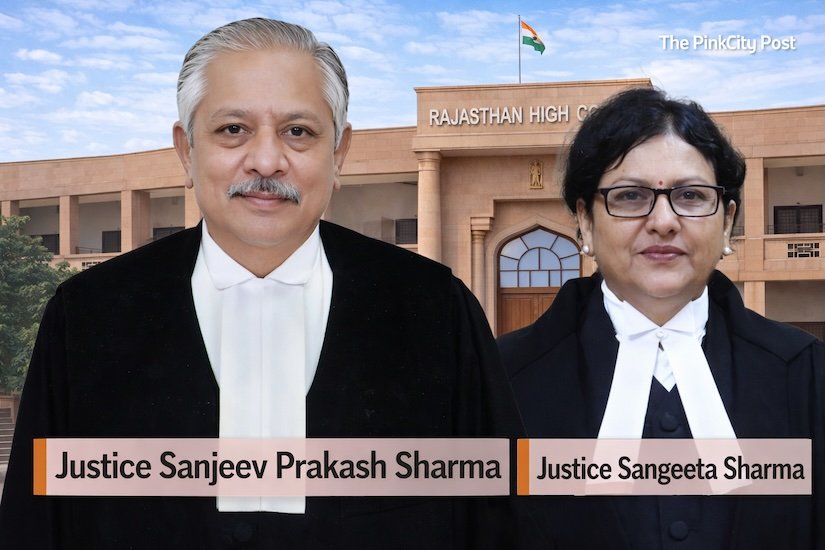
💡 Sanjeev Prakash Sharma: Judicial Excellence and Strategic Legal Analysis
A comprehensive analysis of Justice Sanjeev Prakash Sharma's judicial career, his impact on the Indian legal system, and his strategic contributions to constitutional law.
Executive Summary
Justice Sanjeev Prakash Sharma stands as a prominent figure within the Indian judiciary, characterized by a career spanning over three decades of legal practice and judicial service. Appointed as a Judge of the Rajasthan High Court in 2016, his subsequent transfers to the Patna High Court and later the Punjab and Haryana High Court underscore a strategic movement within the higher judiciary aimed at balancing judicial expertise across different jurisdictions. Key data highlights include his involvement in thousands of disposals, a specialized focus on service and constitutional law, and a reputation for maintaining rigorous legal standards. This analysis explores his career trajectory, the implications of his judicial philosophy, and his role in the broader framework of Indian governance.
Introduction
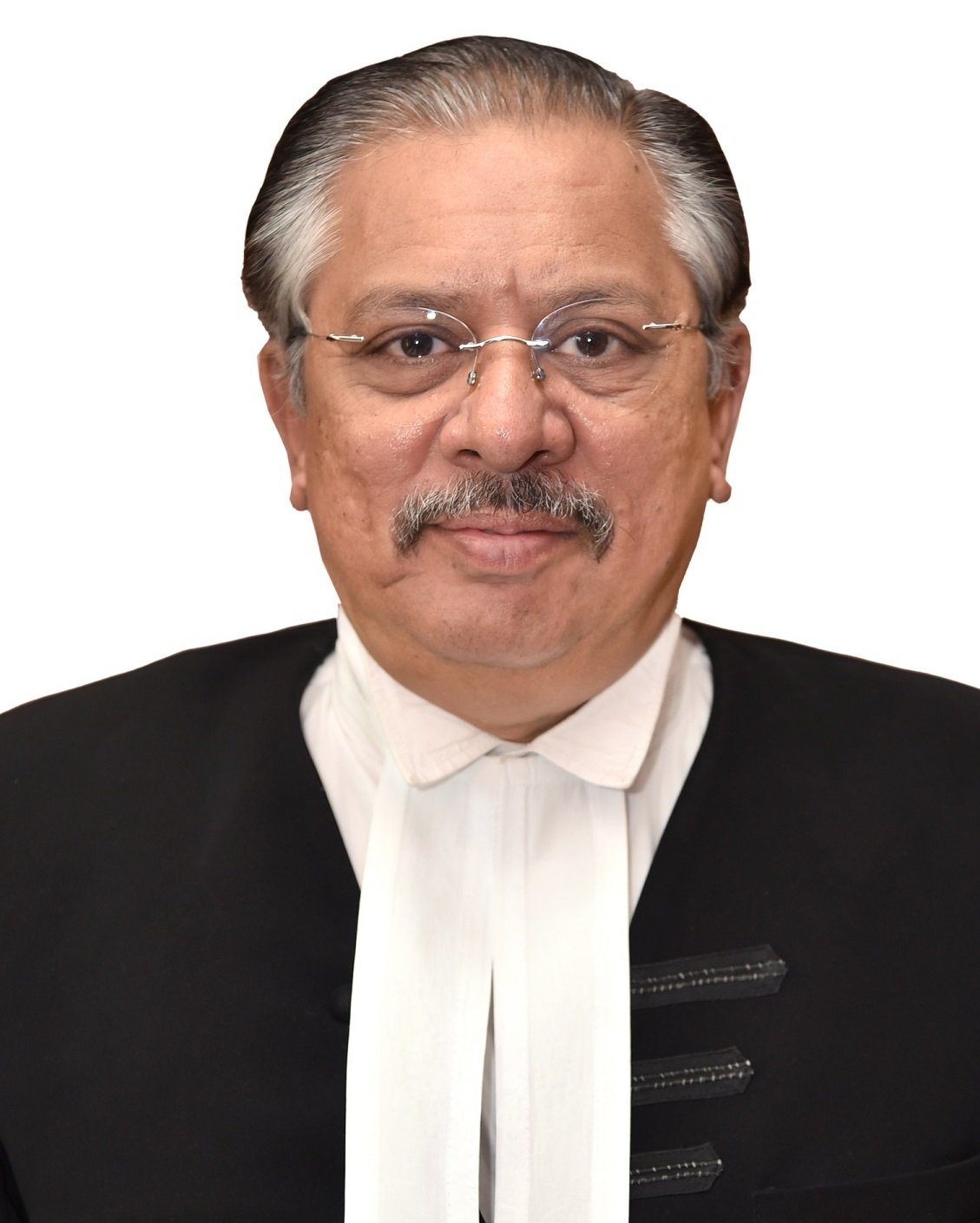
The integrity of a democratic nation relies heavily on the strength and independence of its judiciary. Justice Sanjeev Prakash Sharma has emerged as a vital component of this institutional strength. Born on September 27, 1964, his journey from a dedicated advocate to a Senior Judge reflects the rigorous demands of the Indian legal landscape. Understanding his career is not merely an exercise in biography but a strategic look at how judicial leadership influences public policy and civil rights. His work often intersects with the administrative functions of the state, much like the concepts explored in Ministerial Leadership: A Strategic Analysis of Governance, where the balance of power between the executive and the judiciary is constantly negotiated.
The Deep Dive: Career Trajectory and Judicial Impact
Justice Sharma began his legal career after enrolling as an advocate in 1987. For nearly 30 years, he practiced in the Rajasthan High Court, developing a deep expertise in various branches of law, including civil, constitutional, and service matters. His elevation to the bench on November 16, 2016, marked a significant transition from an advocate of the law to a neutral arbiter of justice.
One of the most notable aspects of his career is the strategic nature of his judicial transfers. In the Indian judicial system, the transfer of judges is a mechanism used to ensure a diverse perspective across different High Courts. Justice Sharma's transfer from Rajasthan to the Patna High Court on January 1, 2022, and his subsequent appointment to the Punjab and Haryana High Court, highlights his adaptability and the high regard in which his legal acumen is held by the Supreme Court Collegium. These movements are essential for maintaining the democratic integrity of the nation, a principle also central to the Election Commission of India: Strategic Analysis of Democratic Integrity.

During his tenure, Justice Sharma has been known for his strict adherence to procedural law and his focus on clearing the backlog of cases. In the Rajasthan High Court alone, the pendency of cases remains a significant challenge, with over 500,000 cases awaiting resolution as of recent judicial reports. Justice Sharma’s contribution to the disposal rate has been a critical factor in addressing this administrative hurdle. His rulings often emphasize the rights of employees in service law disputes, ensuring that the principles of natural justice are upheld in the face of bureaucratic overreach.
Furthermore, his judicial philosophy often touches upon the intersection of law and public welfare. In cases involving public health and social schemes, his judgments have provided the necessary legal scaffolding to ensure that government initiatives reach their intended beneficiaries. This alignment with public interest is comparable to the strategic implementation of national programs like Ayushman Bharat: A Strategic Analysis of Universal Healthcare, where legal oversight ensures the equitable distribution of resources.
The Strategic Importance of Judicial Transfers
The transfer of Justice Sanjeev Prakash Sharma is a case study in judicial administration. According to Article 222 of the Constitution of India, the President, after consultation with the Chief Justice of India, may transfer a judge from one High Court to any other High Court. This process is often viewed through a strategic lens to ensure that courts with high vacancy rates or complex caseloads benefit from the experience of seasoned judges. Justice Sharma’s move to the Punjab and Haryana High Court, which serves two states and a Union Territory, placed him in one of the busiest judicial hubs in the country.
- Service Law Excellence: Justice Sharma has consistently provided clarity on complex recruitment and pension disputes.
- Constitutional Rigor: His interpretations of fundamental rights have strengthened the legal protections available to citizens.
- Administrative Efficiency: He is recognized for his disciplined approach to court management, reducing unnecessary delays in the litigation process.
What This Means For You
For the average citizen and legal professional, the career of Justice Sanjeev Prakash Sharma signifies the reliability of the judicial process. When a judge with his level of experience is presiding, it ensures that cases are heard with a deep understanding of precedent and a commitment to fairness. For those involved in service litigation or constitutional challenges, his presence on the bench means that the rule of law will be applied with precision. It also highlights the importance of the judiciary in acting as a check on executive power, ensuring that governance remains transparent and accountable.
Expert Verdict / Future Outlook
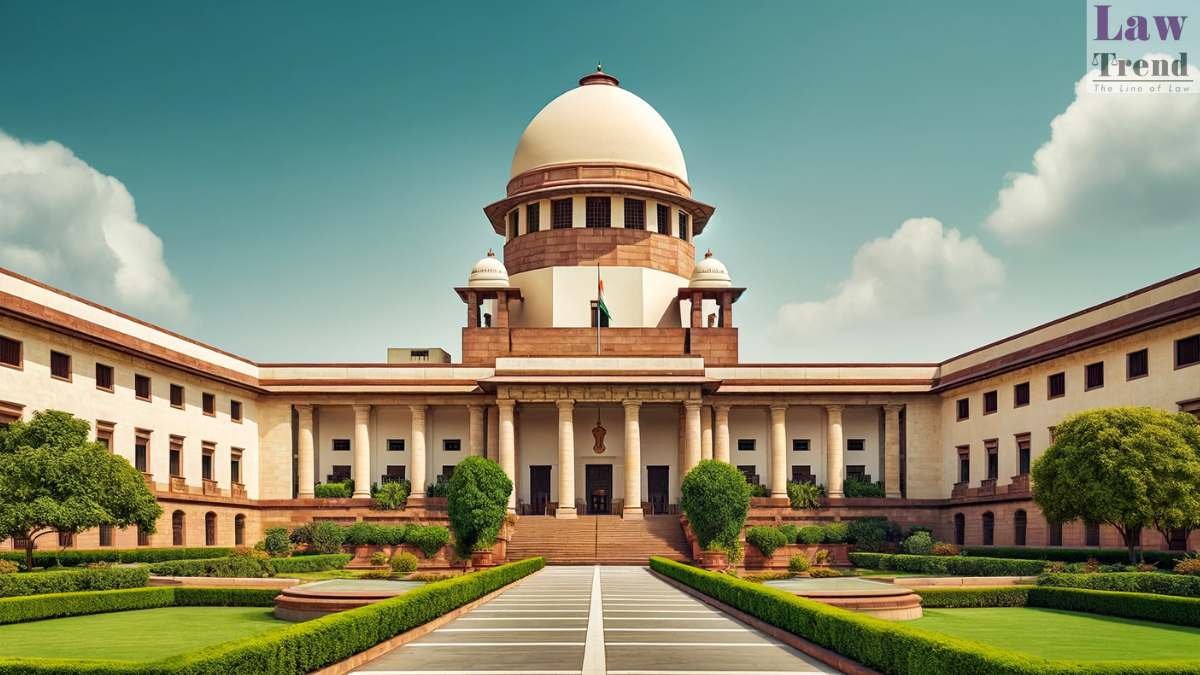
The future of the Indian judiciary depends on leaders who can navigate the complexities of modern law while maintaining traditional judicial values. Justice Sanjeev Prakash Sharma exemplifies this balance. As he continues his service, his influence on the Punjab and Haryana High Court will likely be seen in the streamlining of civil procedures and the reinforcement of constitutional safeguards. Experts suggest that his career path makes him a significant candidate for further elevations, potentially contributing to the Supreme Court of India in the future, given his broad experience across multiple state jurisdictions.
FAQ
- Who is Justice Sanjeev Prakash Sharma? He is a senior judge currently serving in the Punjab and Haryana High Court, previously having served in the Rajasthan and Patna High Courts.
- What is his area of legal expertise? He is widely recognized for his expertise in constitutional law, service law, and civil litigation.
- When was he appointed as a High Court Judge? He was elevated to the bench as a Judge of the Rajasthan High Court on November 16, 2016.
- Why was he transferred between different High Courts? Transfers are a standard administrative procedure in the Indian judiciary to balance expertise and address the needs of various regional courts.
- What is his judicial philosophy? He is known for a disciplined, procedural approach that prioritizes the rule of law and the efficient disposal of cases.
Conclusion
Justice Sanjeev Prakash Sharma represents the pinnacle of judicial dedication and strategic legal thinking. His journey through various High Courts serves as a testament to the robust nature of the Indian judicial system. By upholding the principles of the Constitution and ensuring administrative efficiency, he continues to play a vital role in the delivery of justice and the maintenance of democratic integrity.





Comments 0
Leave a Reply
Your email address will not be published. Required fields are marked *
Be the first to share your thoughts!