School Closures Update: Severe Weather and Power Outages Impact Hawaii, Quebec, and Colorado
Educational institutions across North America are currently facing significant disruptions as severe weather patterns and infrastructure challenges force widespread school closures. From the tropical climate of Hawaii to the mountainous terrain of Colorado and the storm-battered regions of Quebec, school districts are prioritizing public safety over classroom instruction. These closures, while necessary for the protection of students and staff, highlight the ongoing vulnerability of educational systems to extreme environmental conditions.
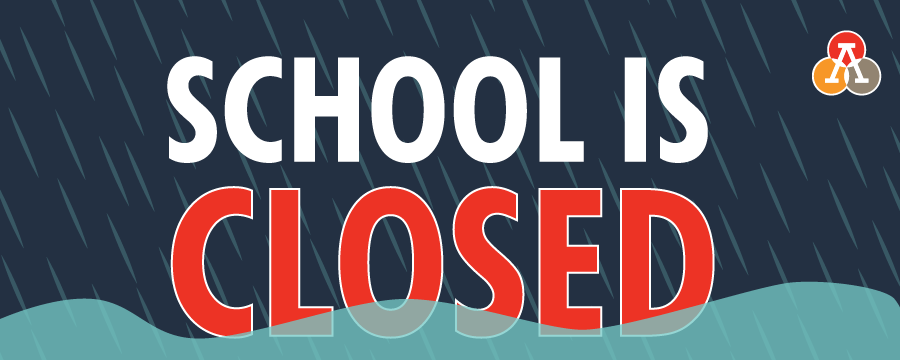
In the Pacific, the Hawaii Department of Education (HIDOE) has taken a proactive stance against an approaching weather system. According to official statements, all public schools and HIDOE offices statewide will be closed on March 13. This decision was made in anticipation of severe weather conditions that are expected to impact the island chain. The closure is not limited to a single district but encompasses the entire state, reflecting the potential severity of the incoming storm.
Hawaii’s Statewide Precautionary Measures
The Hawaii Department of Education's decision to shut down facilities statewide is a significant logistical undertaking. Reports from KHON2 and Hawaii News Now confirm that schools on Oahu, Kauai, and Maui are all affected by the weather-related shutdowns. By closing both schools and administrative offices, the HIDOE aims to minimize the number of people on the roads during the peak of the severe weather, thereby reducing the risk of accidents and ensuring that emergency services can operate without unnecessary congestion.
Parents and guardians across the Hawaiian Islands have been advised to monitor local news outlets for further updates. The HIDOE’s decision to close schools in anticipation of the weather, rather than reacting after the conditions have worsened, is a common strategy in modern emergency management. This allows families to make childcare arrangements and ensures that students are not stranded at school if weather conditions deteriorate rapidly during the day.
The impact of these closures extends beyond the classroom. With HIDOE offices closed, administrative functions, extracurricular activities, and community events hosted on school grounds are also suspended. This comprehensive shutdown underscores the department's commitment to the safety of the entire community during high-risk weather events.
Quebec: Infrastructure Challenges and Power Restoration
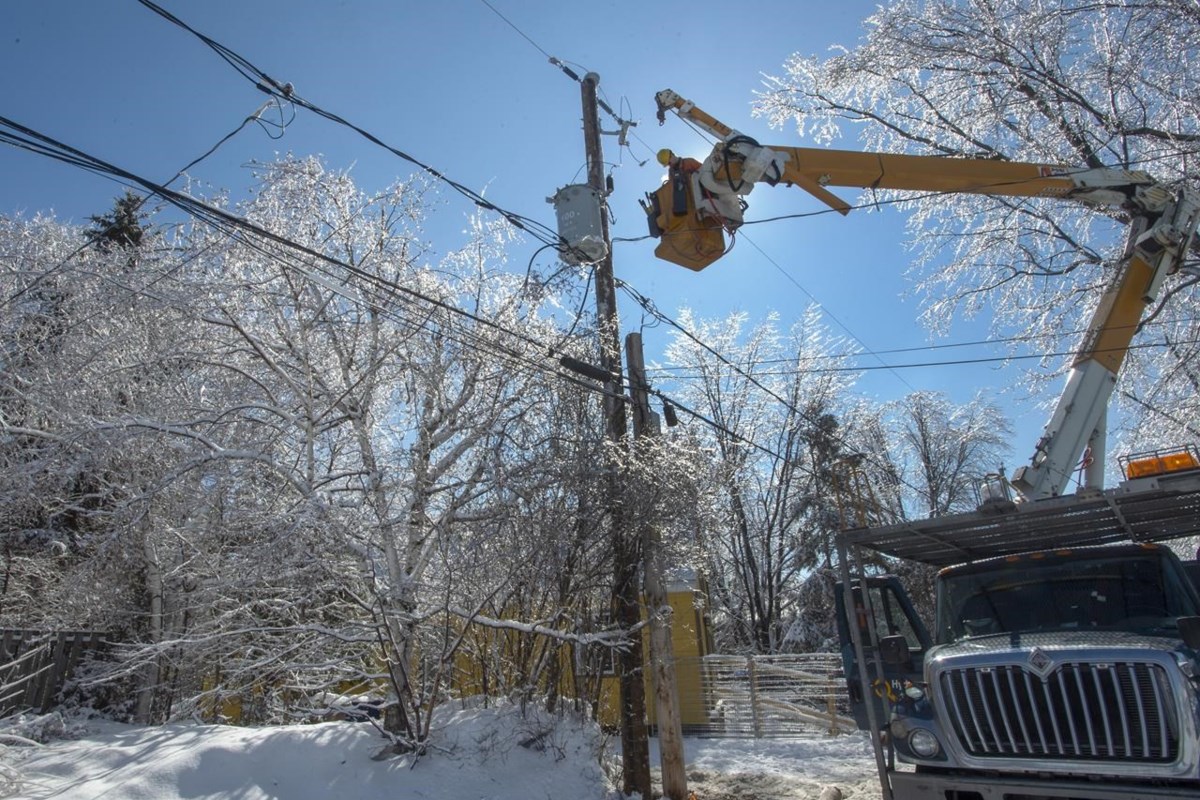
While Hawaii prepares for an incoming storm, regions of Quebec are dealing with the aftermath of recent severe weather. In Canada, Hydro-Québec is currently working around the clock to restore power to thousands of residents following a destructive storm. The loss of electricity has had a direct impact on the education sector, with several schools forced to remain shut for another day as utility crews struggle to stabilize the grid.
The situation in Quebec highlights the critical link between infrastructure and education. Without reliable power, schools cannot provide adequate heating, lighting, or ventilation, making the learning environment unsafe and impractical. The CBC reports that the decision to keep schools closed is tied directly to the progress of Hydro-Québec’s restoration efforts. As long as power lines remain down and facilities lack electricity, local school boards have little choice but to extend the closures.
This multi-day disruption poses unique challenges for families and educators. Unlike a single-day weather closure, extended shutdowns due to power outages require ongoing communication between utility providers and school administrators. Parents are forced to navigate shifting schedules as they wait for word on when their local schools will be deemed safe for reopening.
Colorado: Mountain Schools Face Winter Conditions
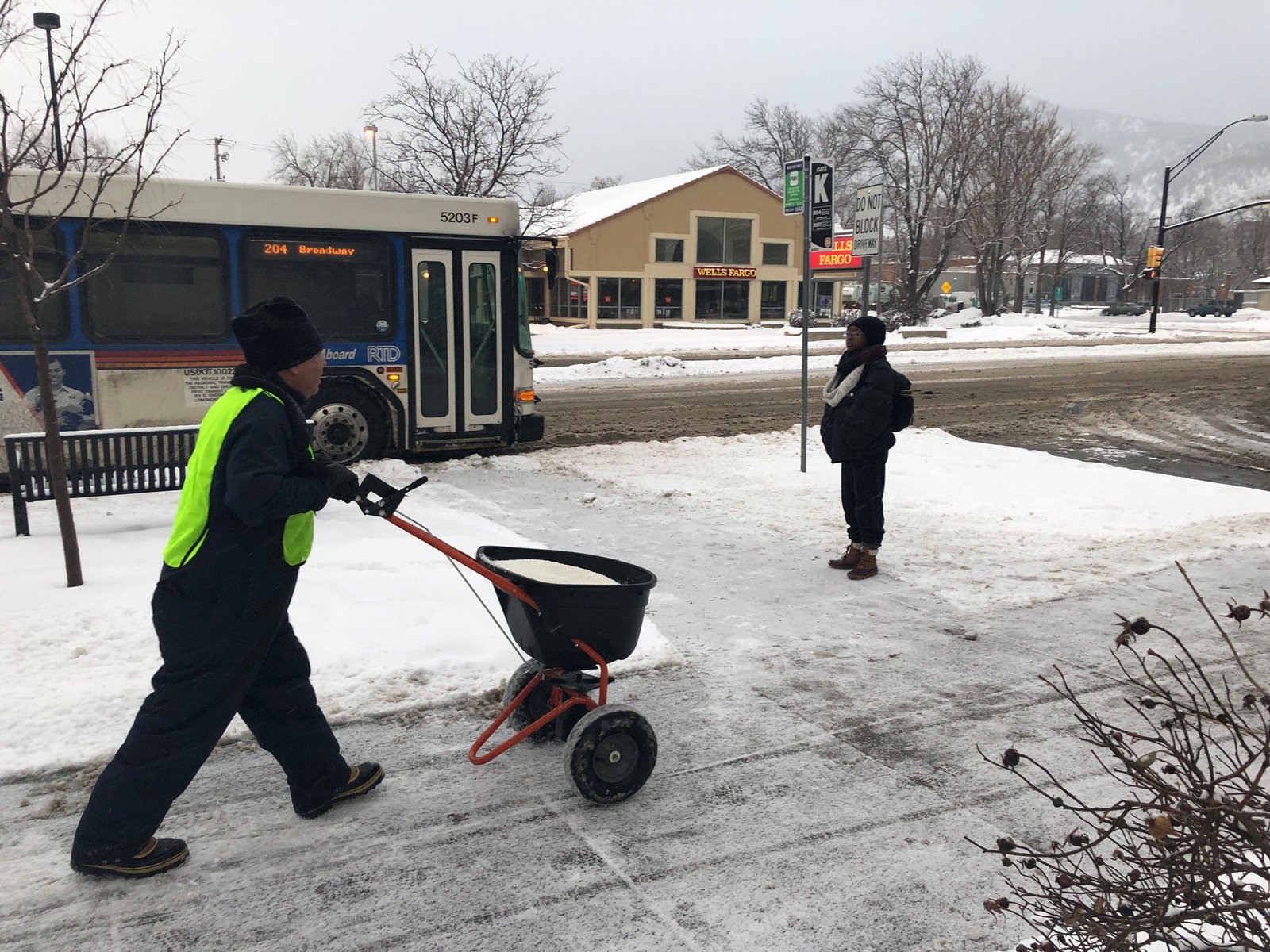
In the mainland United States, geography plays a major role in school closure decisions. The Boulder Valley School District (BVSD) in Colorado recently announced the closure of its mountain schools for Thursday. According to reports from KUSA.com, the decision was necessitated by weather conditions specific to the higher elevations of the district. While schools in the lower-lying areas of Boulder may remain operational, the unique hazards of mountain travel—including steep grades and unpredictable snow accumulation—make school bus transportation particularly dangerous in the peaks.
Mountain school closures are a recurring reality for districts like Boulder Valley, which must balance the needs of urban, suburban, and rural student populations. The safety of school bus routes is the primary driver behind these decisions. When mountain roads become impassable or visibility drops to dangerous levels, the risk of transporting students outweighs the benefits of an in-person school day.
The BVSD’s targeted approach to closures—shutting down mountain schools while potentially keeping others open—demonstrates the localized nature of weather-related decision-making. It requires precise coordination and a deep understanding of local terrain to ensure that students in high-risk areas are protected without unnecessarily disrupting the education of those in less affected zones.

The Broader Impact on Public Safety and Society
The synchronized school closures across these diverse regions illustrate a broader trend in public safety management. Whether it is the HIDOE managing a statewide weather threat, Quebec dealing with infrastructure failure, or Boulder Valley navigating treacherous mountain terrain, the priority remains the same: the preservation of life and safety. School closures serve as a critical tool for emergency managers to reduce the volume of commuters and keep the public out of harm's way during environmental crises.
However, these closures also bring to light the social and economic pressures placed on families. When schools close, many parents must miss work or find last-minute childcare, which can lead to economic strain. Furthermore, for students who rely on school programs for meals or specialized services, a closure can represent a significant gap in their daily needs. This is why school districts often wait until they have definitive data from weather services or utility companies before making the final call to suspend classes.
As climate patterns continue to fluctuate, the frequency and duration of school closures due to severe weather may become a more prominent feature of the academic calendar. Districts are increasingly looking at ways to integrate remote learning or flexible scheduling to mitigate the loss of instructional time. For now, the focus in Hawaii, Quebec, and Colorado remains on immediate safety and the restoration of essential services. Residents in these areas are encouraged to stay informed through official channels as the situations evolve.
In summary, the current wave of school closures serves as a reminder of the power of natural elements to disrupt even the most established societal systems. From the tropical shores of Oahu to the snow-covered peaks of the Rockies and the storm-hit streets of Quebec, education has taken a temporary backseat to the urgent demands of public safety and infrastructure recovery.