
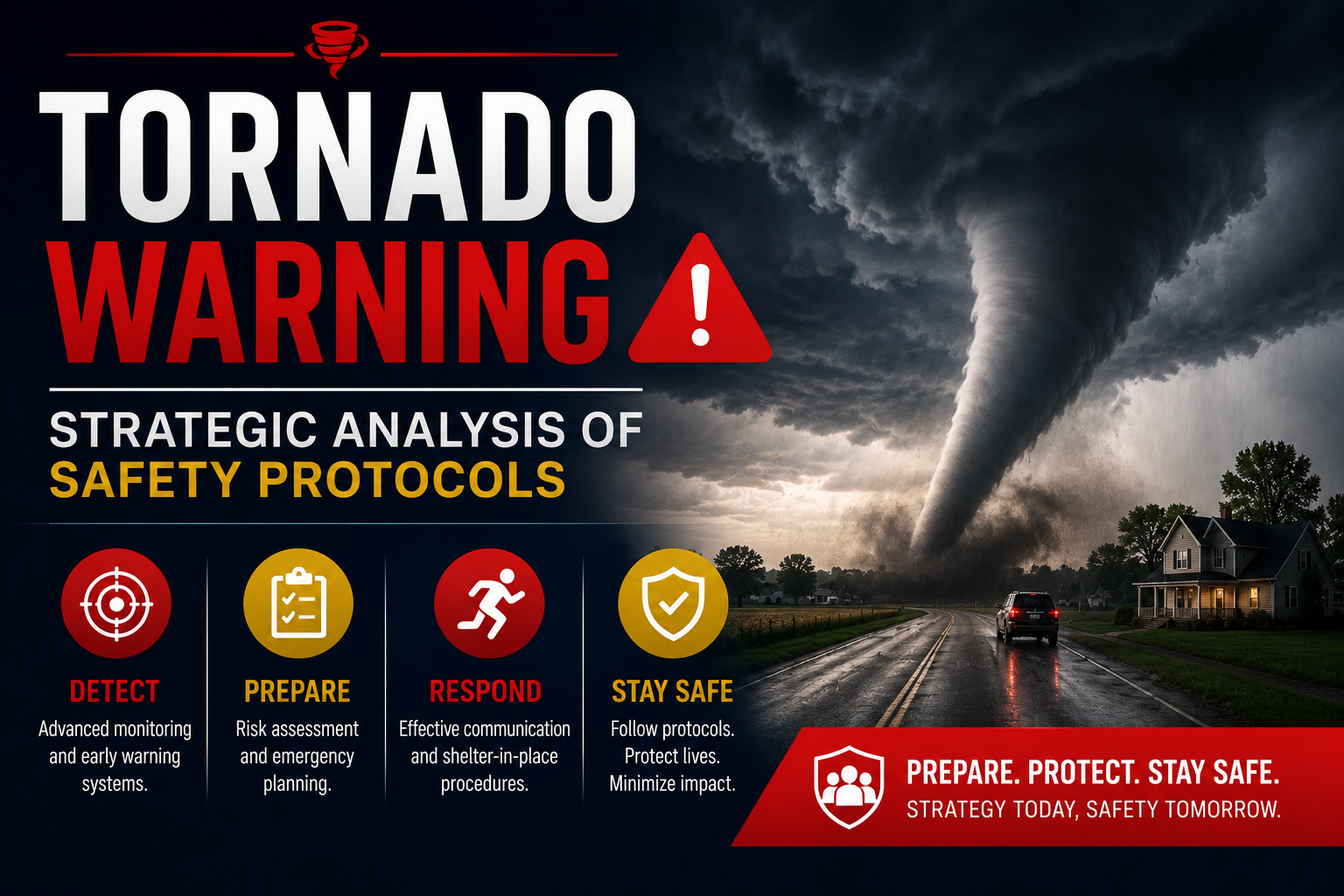
💡 Tornado Warning: Strategic Analysis of Safety Protocols
A comprehensive expert analysis of tornado warning systems, meteorological data, lead times, and strategic safety protocols for severe weather events.
Executive Summary
Tornado warnings represent the final line of defense between meteorological detection and public safety action. This strategic analysis examines the evolution of warning systems from early radar detection to modern AI-integrated forecasting. Key data highlights include the current national average lead time of approximately 13 to 15 minutes, the critical distinction between a tornado watch and a tornado warning, and the economic implications of severe weather events which cause billions in annual property damage. This report provides an authoritative framework for understanding atmospheric risk and the infrastructure required to mitigate loss of life.
Introduction
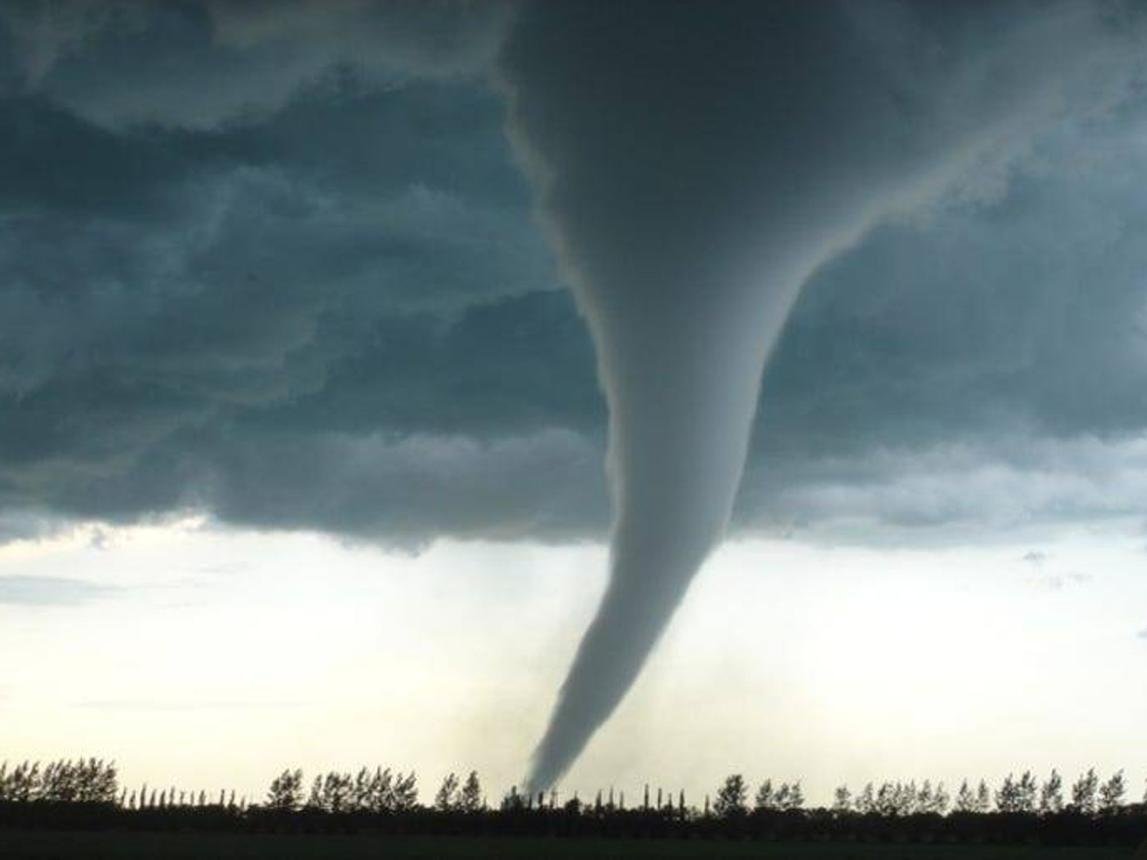
The issuance of a tornado warning is a high-stakes communication event that requires the seamless integration of atmospheric science, telecommunications infrastructure, and public psychology. Unlike a tornado watch, which indicates that conditions are favorable for development over a broad area, a warning signifies that a tornado has been sighted or indicated by weather radar. In the United States, the National Weather Service (NWS) is the primary authority responsible for these life-saving alerts. Understanding the mechanics of these warnings is essential for risk management in regions prone to convective storms. This analysis builds upon the principles of Weather Dynamics: Strategic Analysis of Global Meteorological Trends to provide a focused look at localized atmospheric threats.
THE DEEP DIVE: The Science and Strategy of Warnings
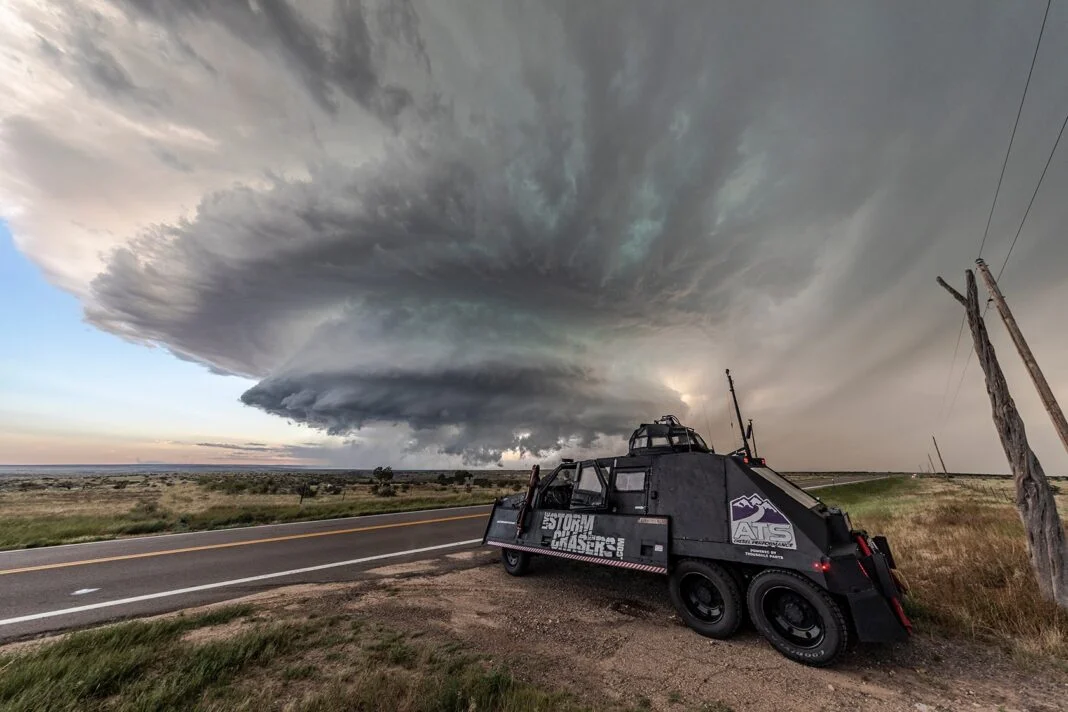
The process of issuing a tornado warning begins with the detection of rotation within a supercell thunderstorm. Modern meteorology relies heavily on the NEXRAD (Next-Generation Radar) system, which consists of 159 high-resolution Doppler radar sites. These systems utilize the Doppler effect to measure the velocity of precipitation particles, allowing meteorologists to identify mesocyclones, the rotating updrafts that precede tornado formation.
The Evolution of Lead Times
Historical data from the National Oceanic and Atmospheric Administration (NOAA) shows a significant improvement in warning accuracy. In the 1980s, the average lead time for a tornado was less than five minutes, often leaving residents with insufficient time to seek appropriate shelter. Through the implementation of Dual-Polarization radar technology, lead times have stabilized at approximately 13 minutes. While this window is brief, it is sufficient for the execution of established safety protocols. However, the industry faces a challenge known as the False Alarm Ratio (FAR). Currently, approximately 70 percent of tornado warnings do not result in a confirmed touchdown. While this high ratio ensures safety, it can lead to warning fatigue among the population, a psychological phenomenon that reduces the likelihood of immediate action during subsequent alerts.
Technological Infrastructure and Dissemination
The dissemination of a warning is as critical as its detection. The Integrated Public Alert and Warning System (IPAWS) utilizes multiple channels to reach the public, including Wireless Emergency Alerts (WEA), the Emergency Alert System (EAS), and NOAA Weather Radio. This multi-layered approach ensures that even if one communication channel fails, others remain active. This level of redundancy is a hallmark of high-authority reporting, similar to the standards discussed in the BBC: Strategic Analysis of Global Media Authority regarding crisis communication.
Economic and Structural Impact
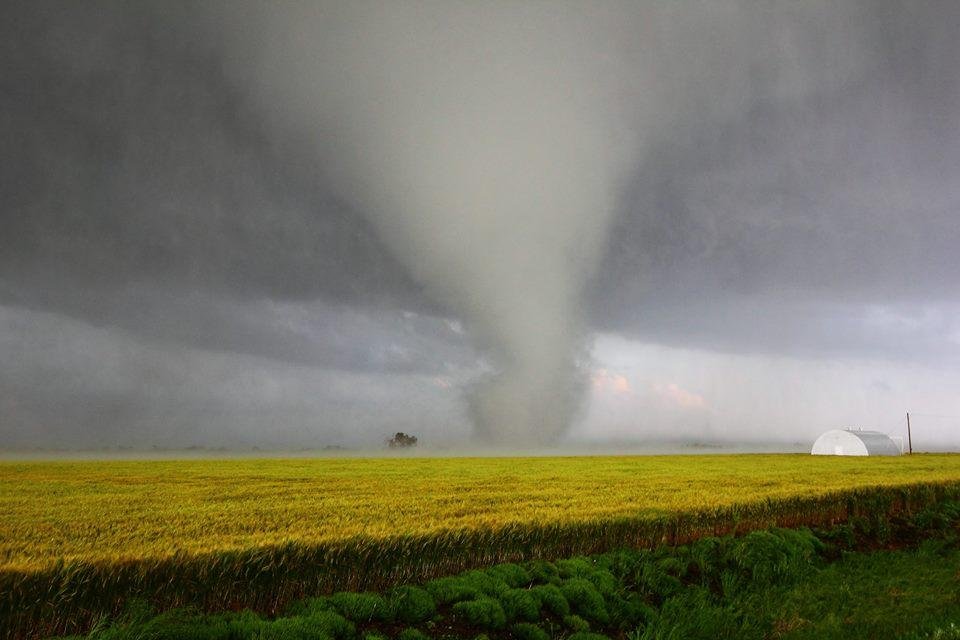
Tornadoes are among the most destructive natural disasters. The Enhanced Fujita (EF) Scale, which ranges from EF0 to EF5, categorizes these events based on estimated wind speeds and related damage. An EF5 tornado, with winds exceeding 200 miles per hour, can result in total structural failure of even reinforced buildings. From a strategic financial perspective, the insurance industry pays out an average of 15 billion to 20 billion dollars annually for wind and hail damage in the United States. Effective warning systems are estimated to save the economy over 1 billion dollars annually by allowing for the protection of mobile assets and the reduction of medical costs associated with storm-related injuries.
Risk Assessment and Public Safety
Safety during a tornado warning is predicated on the immediate transition to a pre-designated shelter. The most effective shelters are purpose-built storm cellars or reinforced safe rooms that meet FEMA standards. In the absence of a dedicated shelter, an interior room on the lowest floor of a sturdy building, away from windows, provides the best protection. This focus on physical safety and risk mitigation mirrors the protocols examined in the Alligator Attack Florida: Strategic Safety and Risk Analysis, where immediate environment-specific action is the primary factor in survival.
WHAT THIS MEANS FOR YOU
- Identify the difference: A watch means stay informed; a warning means take shelter immediately.
- Multiple alert sources: Do not rely solely on outdoor sirens, which are intended for people who are already outside. Use a weather radio and enable emergency alerts on your smartphone.
- Shelter preparation: Ensure your shelter is stocked with a first-aid kit, water, a battery-powered radio, and sturdy shoes.
- Communication plan: Have a pre-arranged method to contact family members after the threat has passed.
- Post-storm safety: Be aware of downed power lines, gas leaks, and structural instability in the aftermath of a tornado.
Expert Verdict and Future Outlook
The future of tornado warnings lies in the transition from detection-based warnings to Warn-on-Forecast (WoF) systems. Current technology reacts to what is already happening; WoF aims to use high-resolution computer models to predict tornado formation before it is visible on radar. This could potentially increase lead times to 30 or even 60 minutes. Artificial Intelligence and machine learning are now being integrated into these models to process vast amounts of atmospheric data in real-time. As these systems mature, the goal is to reduce the False Alarm Ratio while maintaining or increasing the Probability of Detection (POD). The strategic integration of these technologies will redefine the landscape of emergency management over the next decade.
FAQ: Authoritative Guidance
What should I do if a tornado warning is issued while I am driving?
If you are in a vehicle and a tornado is imminent, your best option is to seek a sturdy building immediately. If no building is available, do not seek shelter under a highway overpass, as these can create a wind-tunnel effect. Instead, stay in the car with your seatbelt on, put your head below the windows, and cover your head with your hands or a blanket. If you can safely get lower than the level of the roadway, exiting the vehicle and lying flat in a ditch is a secondary option.
Can a tornado warning be issued without a radar signature?
Yes. While radar is the primary tool, warnings are also issued based on reports from trained storm spotters who provide ground-truth verification of funnel clouds or tornadoes on the ground. These human observations are a vital component of the NWS warning process.
Why did my phone not go off during a tornado warning?
Wireless Emergency Alerts are geographically targeted. If you are outside the specific polygon defined by the National Weather Service, your phone will not alert you, even if you are in the same county. Additionally, ensure that emergency alerts are enabled in your device settings.
How long do tornado warnings typically last?
Most warnings are issued for 30 to 45 minutes, though they may be canceled early if the storm weakens or moves out of the specified area. Always wait for an official all-clear or the expiration of the warning before leaving your shelter.
What is the safest room in a house without a basement?
The safest location is an interior room on the lowest floor, such as a closet, bathroom, or hallway. The goal is to put as many walls as possible between yourself and the outside of the structure.
Conclusion
The strategic framework of a tornado warning is a testament to the intersection of advanced science and public service. By maintaining a high level of situational awareness and understanding the technological limitations and strengths of current systems, individuals can significantly mitigate their personal risk. As forecasting technology moves toward more predictive models, the emphasis remains on the speed and accuracy of the public response. Safety is a proactive endeavor that requires both institutional authority and individual responsibility.





Comments 0
Leave a Reply
Your email address will not be published. Required fields are marked *
Be the first to share your thoughts!