💡 What is Nba standings?
A comprehensive guide to NBA standings, explaining how team rankings are calculated, the impact of the Play-In tournament, and the evolution of the 2026 season.
How are NBA Standings Calculated and Why Do They Matter?
The NBA standings serve as the definitive leaderboard for professional basketball, providing a clear snapshot of how all thirty teams are performing throughout the grueling eighty-two game regular season. For fans, analysts, and players alike, these rankings are far more than just a tally of wins and losses. They represent the culmination of strategy, roster depth, and endurance. According to global analysts, the standings are the primary tool used to determine which teams earn the right to compete for the Larry O'Brien Trophy in the postseason. Each game played contributes to a team's winning percentage, which is the foundational metric for ranking teams within their respective conferences.
As the 2026 calendar year progressed, the intensity of the competition reached new heights. The shift from the early season experimentation to the mid-season grind often reveals the true contenders from the pretenders. Experts suggest that a team's performance since the start of 2026 is often a better indicator of playoff readiness than their overall season record, as it accounts for roster adjustments, health, and momentum. Understanding the nuances of these standings requires a deep dive into the conference structures, division rules, and the relatively new Play-In Tournament format.
What is the Structure of the NBA Conference System?
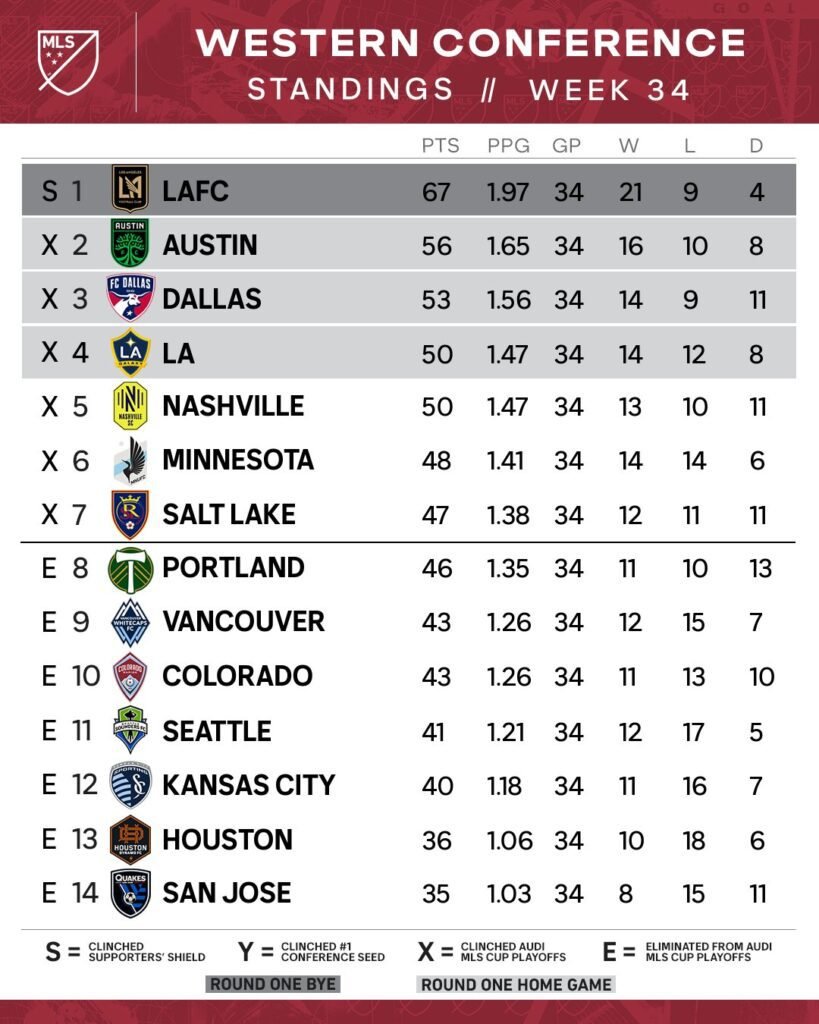
The NBA is divided into two primary conferences: the Eastern Conference and the Western Conference. Each conference contains fifteen teams, further subdivided into three divisions of five teams each. While the divisions (Atlantic, Central, Southeast in the East; Northwest, Pacific, Southwest in the West) were once critical for playoff seeding, their importance has evolved. As per recent industry reports, the league now prioritizes overall conference record over division titles to ensure that the most deserving teams receive the highest seeds.
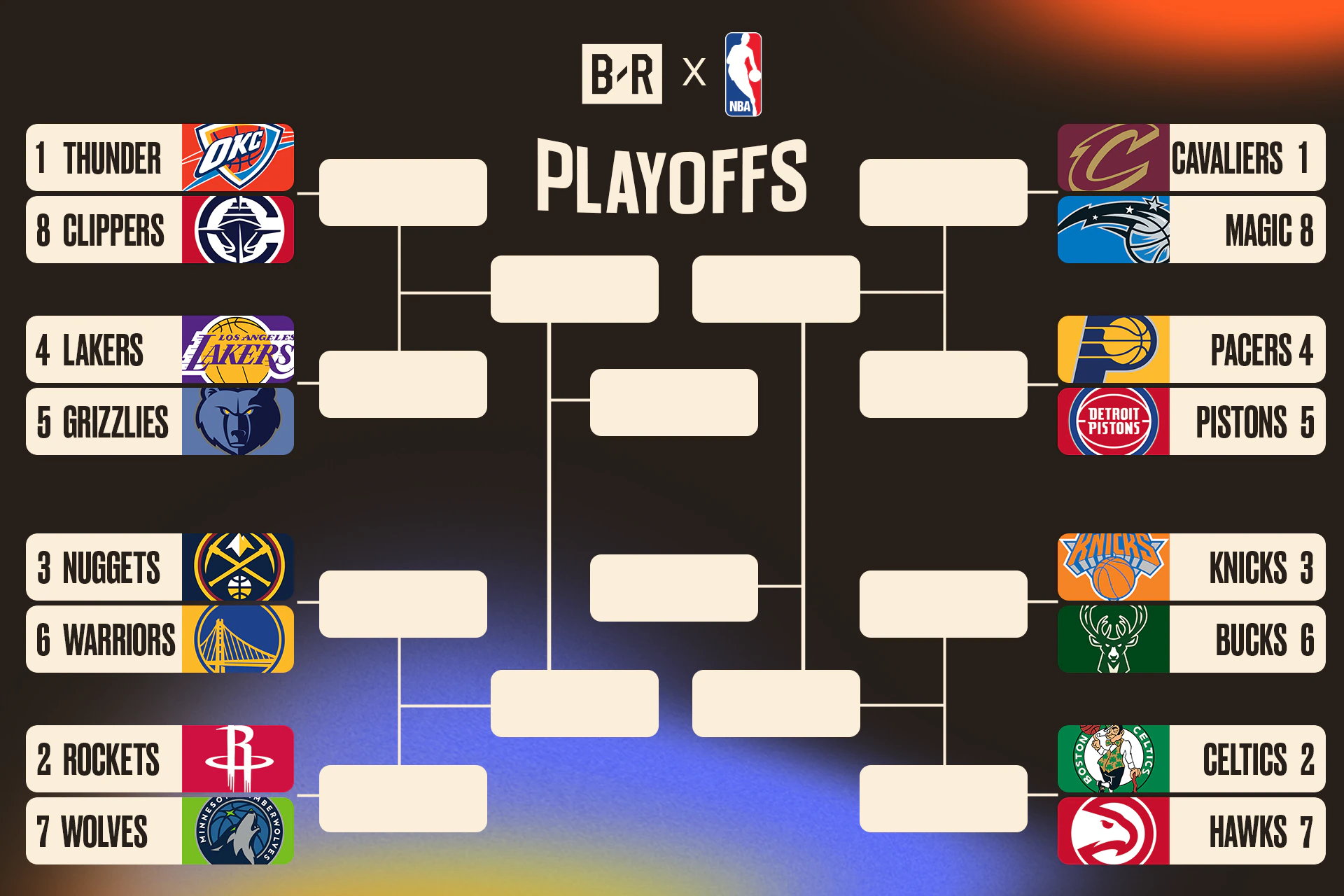
The primary goal for every franchise is to finish within the top six of their conference. Securing a top six spot guarantees a direct entry into the first round of the playoffs. Teams ranked seventh through tenth must participate in the Play-In Tournament, a high-stakes series of games that determines the final two playoff spots in each conference. This system has added a significant layer of excitement to the middle of the standings, as teams fight to avoid the volatility of a single-elimination scenario.
How Does the Play-In Tournament Affect Team Rankings?
Introduced to increase late-season competitiveness, the Play-In Tournament has fundamentally changed how we interpret the NBA standings. Before this change, the top eight teams in each conference simply moved on. Now, the seventh and eighth seeds have two opportunities to win one game to secure their spot, while the ninth and tenth seeds must win two consecutive games without a loss. Analysts point out that this has discouraged teams from tanking or resting players prematurely, as the gap between the sixth and seventh seeds has become a critical threshold.
Since the beginning of 2026, the race for these middle-tier spots has been particularly fierce. Teams that might have been comfortable in previous eras are now forced to maintain a high level of play through April. This shift has led to a more engaged global audience, as more fanbases remain invested in the standings for a longer duration of the season.
What are the Critical Tiebreaker Rules in the NBA?
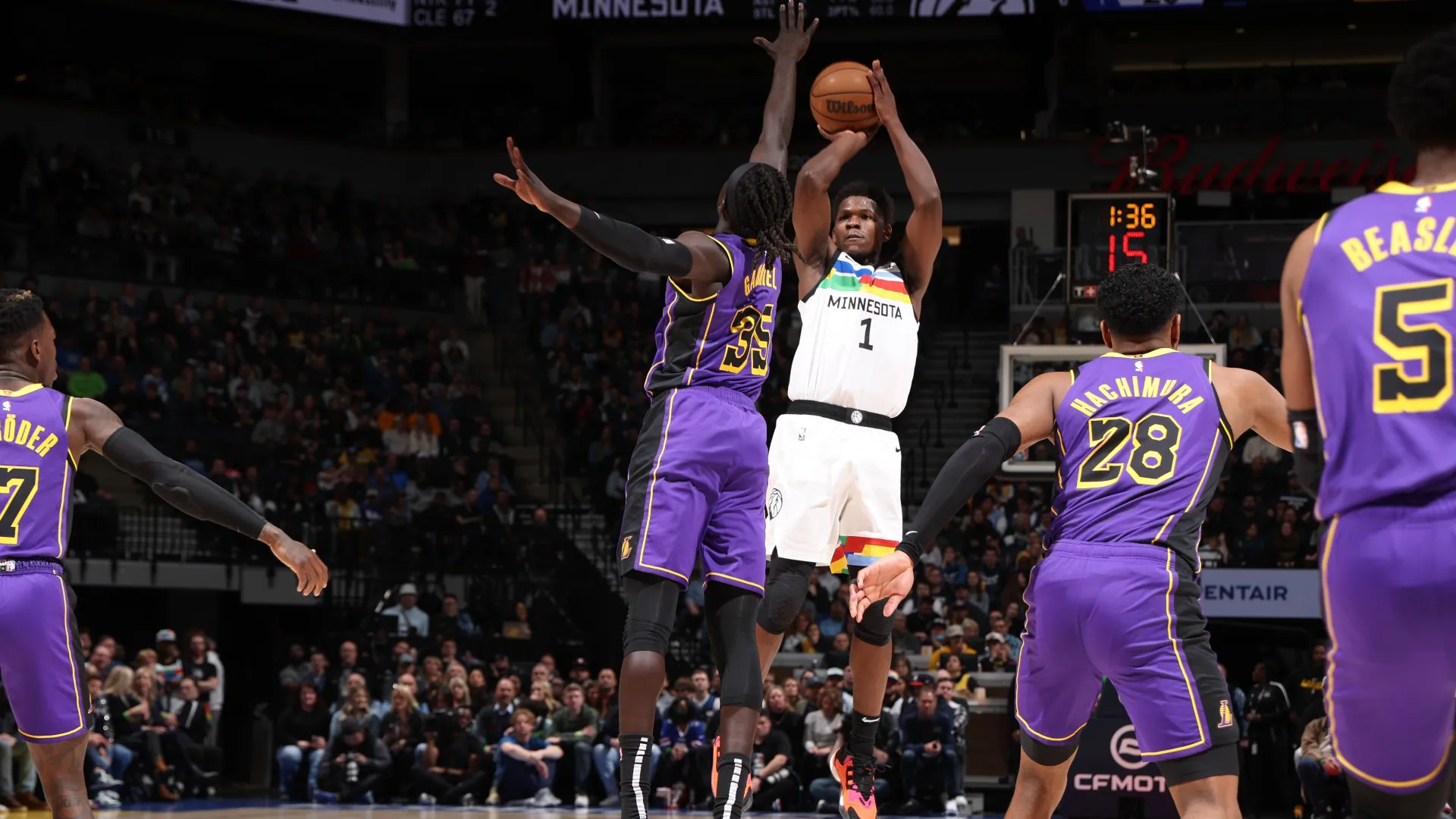
When two or more teams finish the season with identical win-loss records, the NBA employs a specific hierarchy of tiebreakers to determine the final standings. This is where the intricacies of the schedule come into play. According to official league guidelines, the first tiebreaker is always the head-to-head record between the tied teams. If a team has won the majority of the games played against their rival during the season, they receive the higher ranking.
If the head-to-head record is also tied, the next criteria include whether a team won their division, followed by the win percentage against teams within their own conference. In rare cases where these are still equal, the league looks at the win percentage against playoff-eligible teams in the same conference. These rules ensure that every single game, regardless of when it was played in the 2026 calendar year, carries weight in the final analysis of the standings.
How to Read Advanced Standings and Performance Metrics?
For a more sophisticated understanding of the NBA standings, experts suggest looking beyond the basic win-loss column. Advanced metrics like Net Rating, Strength of Schedule, and ELO ratings provide a clearer picture of a team's true quality. Net Rating measures the point differential per one hundred possessions, highlighting teams that may be winning games by luck versus those who are truly dominant. A team with a high Net Rating but a mediocre record is often considered a dangerous sleeper in the playoffs.
Strength of Schedule is another vital component. Not all schedules are created equal; some teams may have faced a gauntlet of top-tier opponents early in 2026, while others enjoyed a softer stretch. Evaluating the standings through the lens of remaining schedule difficulty allows fans to predict potential moves in the rankings as the season concludes. This analytical approach is now standard practice for front offices and professional bettors alike.

What are the Benefits of Finishing as a Top Seed?
The advantages of finishing at the top of the NBA standings are substantial and multifaceted. The most immediate benefit is home-court advantage. In the NBA playoffs, the team with the better regular-season record hosts more games in a seven-game series, including the pivotal Game 7. Statistically, playing in front of a home crowd significantly increases the probability of victory due to familiar surroundings and fan support.
Furthermore, higher-seeded teams typically face lower-seeded opponents in the early rounds. For example, the first seed plays the winner of the eighth-seed Play-In game. This theoretically provides an easier path to the later rounds, allowing star players to conserve energy and reducing the risk of injury. As per recent industry reports, the correlation between a top-three seed and reaching the Conference Finals remains incredibly high, making the regular-season standings a reliable predictor of postseason success.
What Common Mistakes Do Fans Make When Analyzing Standings?
One of the most common errors is overreacting to short-term win streaks or slumps. A team might look unstoppable over a ten-game stretch in February 2026, but if their underlying metrics like defensive efficiency are poor, they are likely to regress. Another mistake is ignoring the impact of injuries on the standings. A team that is currently tenth might have played half their games without their primary star. Experts suggest that when evaluating the standings, one must always consider the health of the roster during specific stretches of the season.
Additionally, many fans fail to account for the difference between the Eastern and Western Conferences. Historically, one conference is often deeper and more talented than the other. A team with forty-five wins in the West might be significantly more talented than a team with forty-eight wins in the East, depending on the year's competitive balance. Understanding this context is essential for a holistic view of the league.
How do the Standings Impact the NBA Draft Lottery?
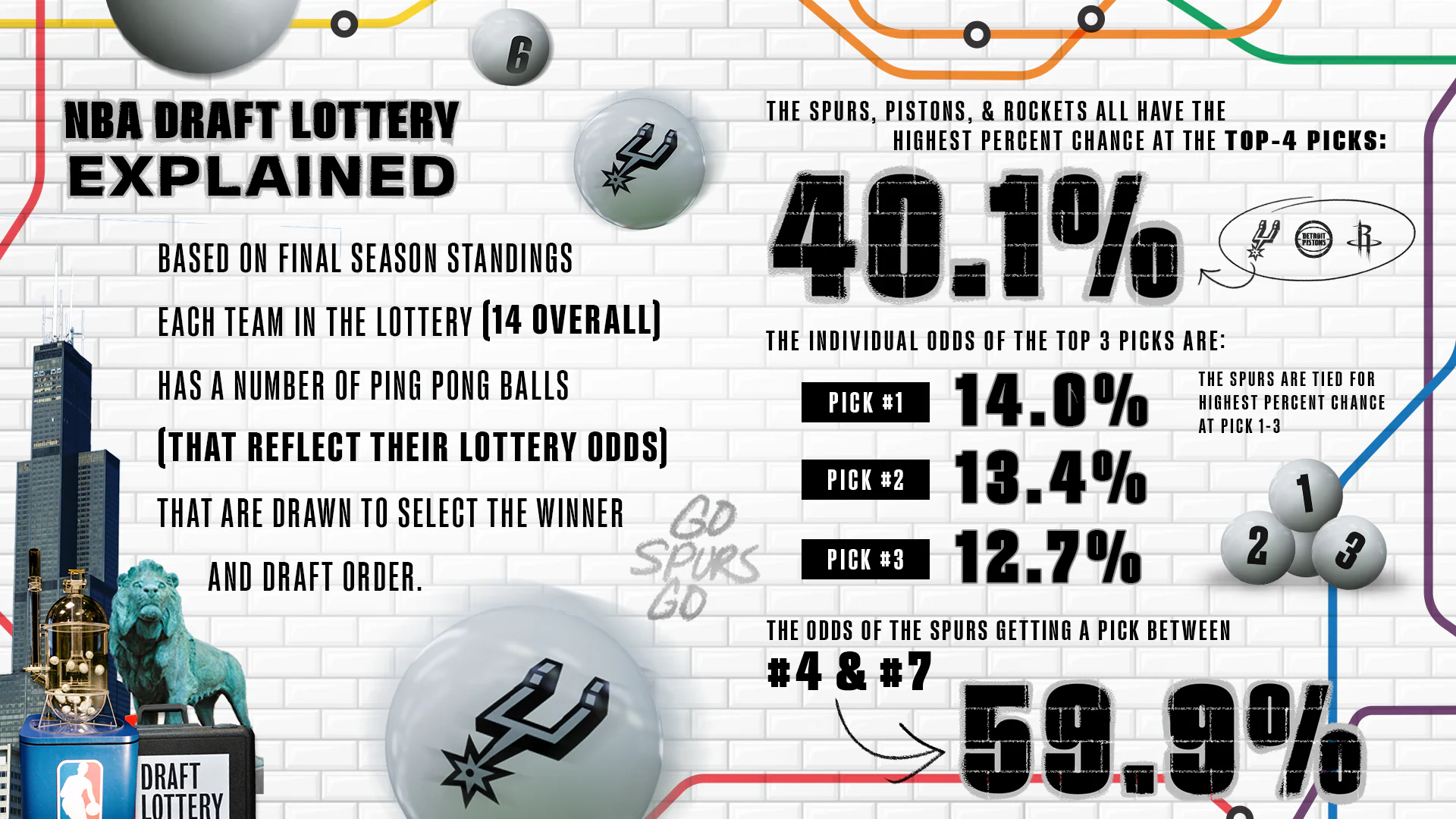
While the top of the standings focuses on the championship, the bottom of the standings is focused on the future. The NBA uses a lottery system for the fourteen teams that do not make the playoffs. The teams with the worst records have the highest mathematical odds of securing a top-four pick in the upcoming NBA Draft. This system is designed to promote parity by giving struggling franchises access to elite young talent.
However, the league flattened the odds in recent years to discourage teams from losing on purpose, a practice known as tanking. Now, the three teams with the worst records all have an equal fourteen percent chance at the number one overall pick. This has made the race to the bottom of the standings less predictable and has encouraged teams to remain competitive even if they are out of the playoff hunt. Monitoring the bottom of the standings since 2026 began provides insight into which franchises are positioned for a rebuild.
Frequently Asked Questions About NBA Standings
What does Games Behind mean in the standings?
Games Behind is a calculation used to show the gap between a leading team and another team in the standings. It is calculated by taking the difference in wins plus the difference in losses, and then dividing that sum by two. For example, if Team A is 40-20 and Team B is 38-22, Team B is two games behind Team A.
How many teams make the NBA playoffs in 2026?
A total of sixteen teams make the official NBA playoffs, eight from each conference. However, twenty teams are involved in the postseason process when including the four teams from each conference that participate in the Play-In Tournament.
Does winning a division title guarantee a top seed?
No, winning a division does not guarantee a top-four seed. While division winners used to be guaranteed a high ranking, the NBA changed the rules to seed teams strictly by their overall conference record. Division titles are now primarily used as tiebreakers.
What happens if three teams have the same record?
In a three-way tie, the league uses a specific set of criteria starting with the head-to-head winning percentage among all teams involved in the tie. If one team has a better record against the other two combined, they receive the highest seed among the group.
When are the final NBA standings determined?
The final standings are set on the last day of the regular season. All eighty-two games must be completed before the official seeds for the Play-In Tournament and the NBA Playoffs are locked in.
Conclusion
The NBA standings are the ultimate reflection of a team's consistency and talent over the course of a long season. By understanding the mechanics of conference rankings, tiebreakers, and the Play-In Tournament, fans can gain a much deeper appreciation for the game. As the 2026 season continues to unfold, tracking these metrics will remain the best way to predict who will eventually hoist the championship trophy.
Related Media
Quick View: Understanding NBA Standings and Team Performance Metrics in the Modern Era



Comments 0
Leave a Reply
Your email address will not be published. Required fields are marked *
Be the first to share your thoughts!