
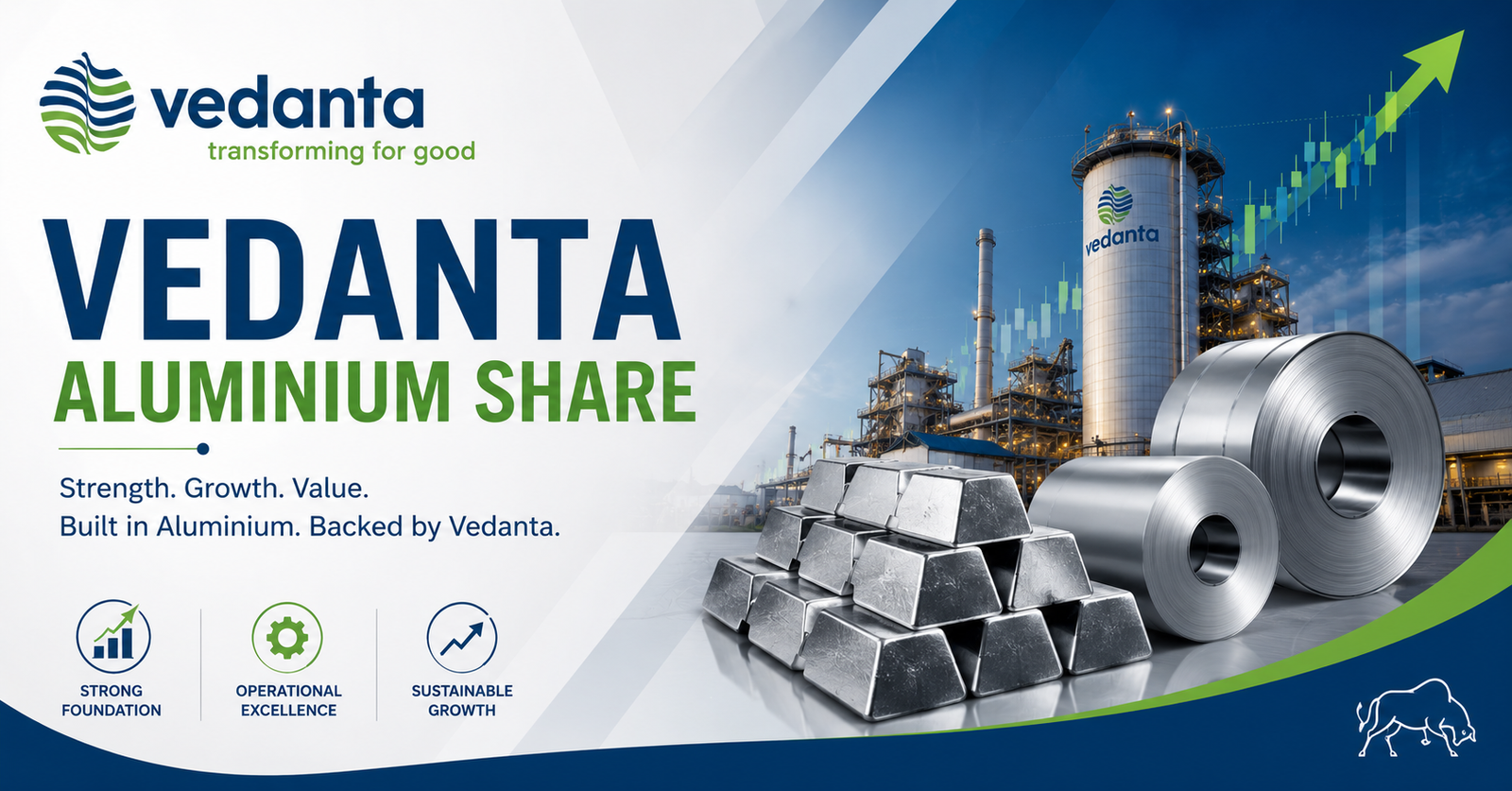
💡 Vedanta Aluminium Share
A comprehensive strategic analysis of Vedanta Aluminium, its market dominance, the upcoming demerger, and its role as a key player in the global green energy transition.
Executive Summary
Vedanta Aluminium, a subsidiary of Vedanta Limited, stands as India largest producer of aluminium, commanding over 40 percent of the nation primary aluminium market share. With an operational capacity of 2.37 million tonnes per annum (MTPA), the company is a critical cog in the global supply chain. This analysis highlights several key findings: the strategic pivot toward value added products, the impact of the proposed corporate demerger into six separate listed entities, and the company leadership in sustainable manufacturing through its Restora brand. Current data indicates that Vedanta Aluminium contributes significantly to the parent company EBITDA, making it the crown jewel of the group portfolio. Investors and stakeholders must monitor the transition from a conglomerate structure to a pure play aluminium entity, which is expected to unlock significant shareholder value.
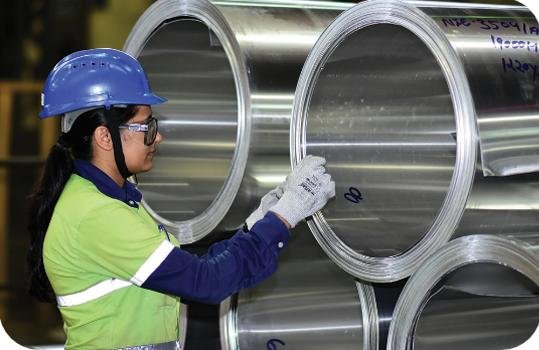
Introduction: The Strategic Importance of Aluminium
In the landscape of industrial commodities, aluminium has transitioned from a basic metal to a strategic asset. Often referred to as the metal of the future, its applications span from aerospace and defense to electric vehicles (EVs) and renewable energy infrastructure. Vedanta Aluminium has positioned itself at the epicenter of this shift. As the global economy moves toward decarbonization, the demand for lightweight, infinitely recyclable materials has surged. This article provides a high trust analysis of the Vedanta Aluminium share ecosystem, examining the financial health, operational scale, and the strategic roadmap that defines its market leadership. Understanding the nuances of this sector requires a broader perspective on the Stock Market: A Strategic Analysis of Global Financial Dynamics, which influences commodity pricing and investor sentiment.
The Deep Dive: Operational Excellence and Market Dynamics
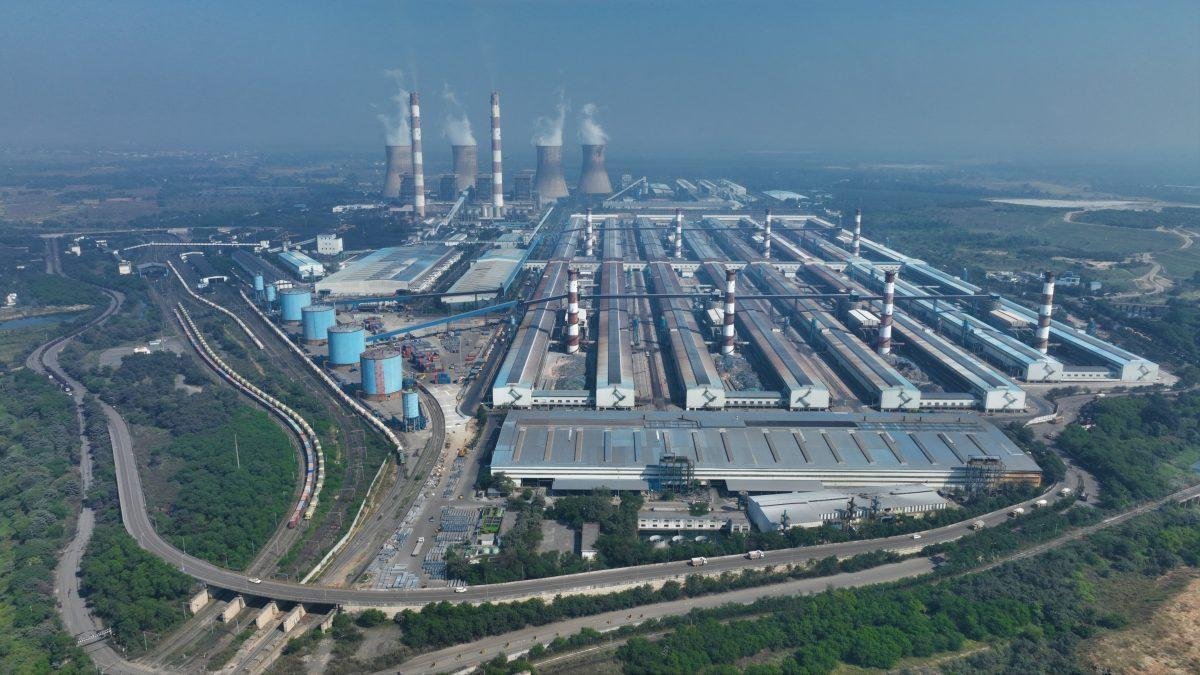
Vedanta Aluminium operations are concentrated in the mineral rich states of Odisha and Chhattisgarh. The company operates a world class smelter at Jharsuguda, an alumina refinery at Lanjigarh, and holds a majority stake in BALCO (Bharat Aluminium Company). This integrated model allows for significant cost efficiencies and supply chain resilience.
1. Production Capacity and Scale
The company current capacity of 2.37 MTPA is supported by the Lanjigarh refinery, which is undergoing expansion to reach 5 million tonnes per annum. This expansion is critical as it reduces reliance on imported alumina, thereby protecting margins against global price volatility. In the fiscal year 2023-2024, Vedanta Aluminium reported record production levels, maintaining its status as a low cost producer on the global cost curve. This scale is comparable to global giants, ensuring that the company can meet both domestic demand and export requirements.
2. The Demerger: A Game Changer for Shareholders
The most significant catalyst for the Vedanta Aluminium share value is the announced demerger. Vedanta Limited is in the process of splitting its diversified businesses into six independent, pure play companies. Vedanta Aluminium will emerge as a standalone listed entity. This move is designed to simplify the corporate structure and allow investors to allocate capital specifically to the aluminium sector without exposure to zinc, oil, or iron ore. Historically, pure play entities command higher valuation multiples than conglomerates because they offer clearer growth trajectories and focused management teams.
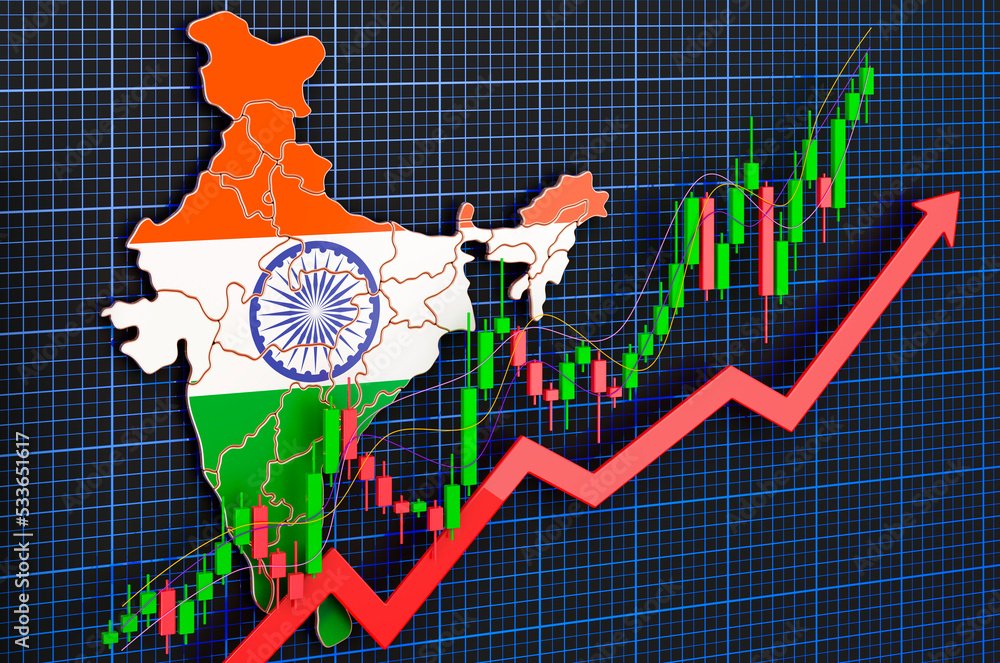
3. Sectoral Demand Drivers
The growth of the aluminium sector is intrinsically linked to the automotive and construction industries. As manufacturers look for ways to improve fuel efficiency in internal combustion engines and extend the range of electric vehicles, aluminium becomes the material of choice. For instance, the evolution of vehicle design, such as the Hyundai Venue Market Strategy: A Comprehensive Analysis, reflects a broader industry trend toward using high strength, lightweight materials to meet stringent safety and efficiency standards. Furthermore, India massive infrastructure push, including the expansion of the power grid and high speed rail, provides a robust domestic floor for demand.
4. Sustainability and ESG Leadership
Environmental, Social, and Governance (ESG) factors are no longer optional for industrial giants. Vedanta Aluminium has launched Restora and Restora Ultra, India first low carbon aluminium brands. These products are manufactured using renewable energy, catering to global customers who are committed to net zero targets. By securing a green premium on these products, the company is not only fulfilling ethical obligations but also enhancing its profitability. The company aims to achieve net zero carbon emissions by 2050 or sooner, backed by a multi billion dollar investment in renewable energy procurement.
What This Means For You: Investor and Stakeholder Perspective
For the retail investor, the Vedanta Aluminium story is one of transition. Currently, exposure is gained through Vedanta Limited shares, which are known for their high dividend yields. However, the upcoming demerger shifts the focus from immediate income to long term capital appreciation. Here are the actionable points:
- Monitor the LME (London Metal Exchange) aluminium prices, as they directly correlate with the company revenue and stock performance.
- Watch the progress of the Lanjigarh refinery expansion, which is the primary driver for margin improvement.
- Assess the debt levels of the parent company, as refinancing activities can impact the timeline of the demerger and dividend payouts.
- Evaluate the growth of the EV market in India, which serves as a high margin consumer for Vedanta specialized alloys.
Expert Verdict and Future Outlook
Industry analysts maintain a cautiously optimistic outlook on Vedanta Aluminium. The company fundamental strengths are undeniable: it possesses massive scale, an integrated supply chain, and a dominant market share in a fast growing economy. The strategic decision to demerge is a positive step toward transparency and valuation discovery. However, risks remain. These include fluctuations in global commodity prices, regulatory changes in mining policies, and the high leverage at the holding company level. In the next three to five years, Vedanta Aluminium is expected to solidify its position as a global top three producer, particularly as it ramps up its value added product portfolio to 100 percent of its output. This shift will move the company away from being a mere commodity seller to a specialized solution provider.
Frequently Asked Questions
1. Is Vedanta Aluminium a separate listed company?
Currently, no. It is a business vertical of Vedanta Limited. However, a demerger plan is underway to list it as an independent entity on the stock exchanges.
2. What is the production capacity of Vedanta Aluminium?
The company currently has a primary aluminium production capacity of 2.37 million tonnes per annum (MTPA), making it the largest in India.
3. How does the demerger affect existing shareholders?
Existing shareholders of Vedanta Limited will receive shares in the new Vedanta Aluminium entity in a 1:1 ratio, meaning for every one share of the parent company held, they will receive one share of the new company.
4. What is Restora aluminium?
Restora is Vedanta brand of low carbon, green aluminium. It is produced using renewable energy and is aimed at environmentally conscious global markets.
5. What are the main risks for Vedanta Aluminium?
The primary risks include volatility in LME aluminium prices, increases in the cost of raw materials like coal and caustic soda, and high debt levels at the parent company level.
Conclusion
Vedanta Aluminium represents a pivotal asset in India industrial landscape. Its journey from a primary metal producer to a high tech, sustainable material provider mirrors the country own economic evolution. While the conglomerate structure has historically masked the true value of this business, the impending demerger is set to provide a clear, authoritative valuation for the aluminium vertical. For those looking to capitalize on the global green transition and India infrastructure boom, Vedanta Aluminium remains a critical entity to monitor. The strategic focus on cost optimization and value added products ensures that it remains competitive on a global stage, regardless of short term market fluctuations.
Important Note: Financial Disclaimer: This content is for educational purposes only and does not constitute professional financial advice. Always consult with a certified financial planner before making investment decisions.




Comments 0
Leave a Reply
Your email address will not be published. Required fields are marked *
Be the first to share your thoughts!