White Noise for Sleep: Benefits, Risks, and Expert-Recommended Machines
In the modern American household, the quest for a perfect night’s sleep has birthed a multi-million dollar industry centered on sound. From specialized bedside devices to smartphone applications, "white noise" has become a staple of sleep hygiene for millions of adults and parents. However, as the popularity of these auditory aids reaches an all-time high in the United States, a growing body of scientific research and expert analysis is beginning to question the long-term efficacy and safety of sleeping in a constant wash of sound.
The debate is no longer just about whether white noise can drown out a snoring partner or a busy city street. Recent headlines from major institutions like McGill University and reports from outlets such as NBC News and The Telegraph have sparked a nuanced conversation: Is white noise a reliable sleep aid, or is it a potential disruptor of the brain’s natural restorative processes?
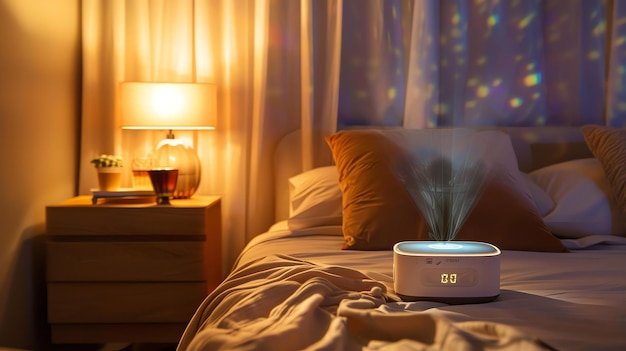
What Exactly is White Noise? Understanding the Science of Sound
To understand the debate, one must first understand what white noise actually is. In technical terms, white noise refers to a sound that contains all frequencies across the spectrum of audible sound, played at equal intensity. The name is an analogy to white light, which contains all visible colors of light combined.
The primary function of white noise in a sleep context is "auditory masking." Because it occupies all frequencies, it creates a consistent blanket of sound that makes sudden noises—such as a dog barking, a car horn, or a floorboard creaking—less noticeable to the brain. By reducing the "signal-to-noise ratio" of environmental disruptions, white noise helps the sleeper maintain a state of rest. While many people use the term "white noise" as a catch-all for any background hum, experts distinguish between white, pink, and brown noise, each having different frequency concentrations that can affect the listener’s experience.
Can White Noise Machines Really Help You Sleep? Expert Perspectives
According to experts interviewed by NBC News, the primary benefit of white noise is its ability to create a predictable and controlled auditory environment. For individuals living in high-density urban areas or those who work non-traditional shifts and must sleep during the day, these machines can be life-changing. The psychological comfort of a consistent sound can also act as a behavioral trigger, signaling to the brain that it is time to wind down.
Sleep experts suggest that for "light sleepers"—those who are easily startled by minor environmental changes—white noise serves as a protective barrier. By providing a steady stream of input, the auditory cortex is less likely to react to the sharp peaks of sound that typically trigger the "startle response" during the lighter stages of sleep.
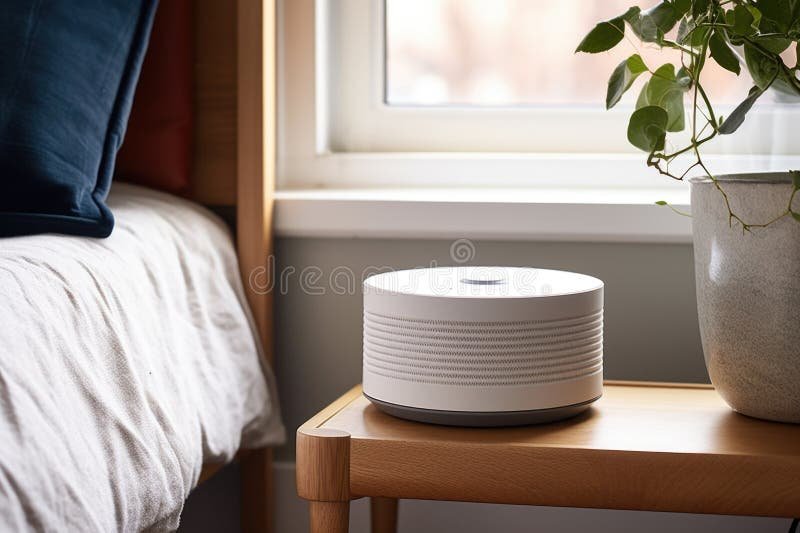
The Science-Backed Warning: Why White Noise May Worsen Sleep
Despite its widespread use, the scientific community is issuing new warnings. A significant study highlighted by McGill University suggests that white noise may actually worsen sleep quality for some individuals. The core concern lies in "brain plasticity." The brain is an incredibly adaptive organ that continues to process sensory information even during sleep. Constant exposure to white noise may force the auditory system to remain in an active, processing state, preventing the brain from fully entering the most restorative stages of deep sleep.
Furthermore, a report by Diario AS emphasizes that if you sleep with constant background noise, you might be depriving your brain of the complete silence it needs to "reset." There is a risk of auditory overstimulation; when the ears and brain are subjected to 8-10 hours of continuous sound every night, it may lead to a decrease in the quality of the sleep architecture, even if the individual does not consciously wake up during the night.
Top-Rated White Noise Machines: Editor-Tested and Neuroscientist-Approved
For those who find that the benefits outweigh the risks, choosing the right device is critical. Recent evaluations by The Telegraph, conducted with advice from neuroscientists, emphasize that not all sound machines are created equal. The most effective machines are those that produce a high-fidelity sound without "looping" artifacts—tiny pauses in digital tracks that the brain can subconsciously detect, leading to micro-awakenings.
TODAY.com recently ranked editor-tested white noise machines, highlighting a preference for mechanical versus digital options. Mechanical machines, which use a physical fan to create sound, provide a truly random and continuous frequency that many experts prefer over digital recordings. High-quality digital machines, however, offer more variety, including the increasingly popular pink and brown noise settings, which many find more soothing than the "static" sound of traditional white noise.

How to Use White Noise Safely: Best Practices for Better Rest
To mitigate the risks identified by researchers at McGill and other institutions, experts recommend several best practices for using white noise safely:
- Volume Control: The machine should never be played at maximum volume. Experts recommend keeping the decibel level below 50-60 dB, which is roughly the level of a quiet conversation or a soft shower.
- Optimal Placement: The machine should not be placed directly next to the head. Ideally, it should be positioned across the room or near the source of the noise you are trying to mask (like a window or door).
- Use Timers: Rather than running the machine all night, some experts suggest using a timer so the machine turns off once you have fallen into a deep sleep, allowing the brain to experience periods of true silence.
Alternatives to White Noise: Exploring Pink and Brown Noise
As the conversation around white noise evolves, many are turning to its "cousins": pink and brown noise. Pink noise has more power at lower frequencies, creating a sound similar to steady rain or rustling leaves. Many find this more natural and less "harsh" than white noise. Brown noise goes even further, emphasizing deep bass tones, resembling the roar of a distant waterfall or low thunder. Matching the "color" of the sound to your personal preference and specific sleep needs can often result in a more pleasant and less intrusive auditory experience.

Conclusion: Balancing the Pros and Cons of White Noise
The latest scientific warnings from McGill University and Diario AS serve as a vital reminder that more is not always better when it comes to sleep aids. While white noise remains a powerful tool for masking disruptive environments and helping light sleepers drift off, it is not without potential drawbacks regarding brain health and sleep depth. As neuroscientists continue to study the effects of long-term auditory stimulation, the best approach for consumers is one of moderation and personalization. By choosing high-quality machines, maintaining safe volume levels, and being mindful of how their bodies respond, Americans can continue to use sound as a bridge to better rest without compromising their long-term neurological health.