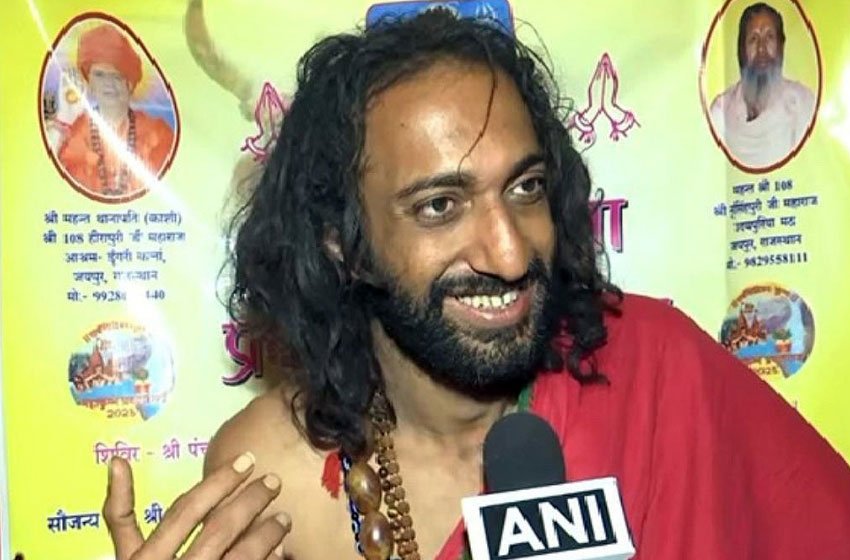
💡 Where is Farsa wale baba?
Explore the life, symbolism, and cultural impact of Farsa Wale Baba, a prominent cow protector from Mathura, and the broader context of Gau Raksha in India.
The cultural landscape of India is often defined by its spiritual leaders and grassroots activists who dedicate their lives to specific causes. In the heart of the Braj region, specifically within the sacred city of Mathura, the name Farsa Wale Baba resonates with deep significance. Known formally as Baba Chandrashekhar, he became a symbol of devotion and protection for many locals. His identity was inextricably linked to the traditional weapon he carried: the farsa, or battle-axe, which served as a testament to his commitment to protecting cattle.
Understanding the figure of Farsa Wale Baba requires a deep dive into the intersection of faith, tradition, and the modern social dynamics of rural India. According to local observers, such figures are not merely individuals but are seen as extensions of the ancient traditions that define the Mathura and Vrindavan belt. This article explores the life of Baba Chandrashekhar, the symbolism of his chosen path, and the broader implications of cow protection in the Indian context.
Who is Farsa Wale Baba?
Baba Chandrashekhar, popularly known as Farsa Wale Baba, was a spiritual figure based in the Mathura district of Uttar Pradesh. Unlike traditional ascetics who might spend their time solely in meditation, the Baba was known for his active involvement in social and religious causes. His primary focus was Gau Raksha, or the protection of cows, which are considered sacred in the Hindu tradition.
The moniker Farsa Wale Baba was given to him because he was rarely seen without a farsa, a traditional Indian battle-axe. Experts suggest that in the Braj region, the use of traditional symbols is common among those who take up the mantle of protectors. For the Baba, the axe was not just a tool for defense but a symbol of his vow to stand against those he perceived as threats to the sanctity of the cow. He resided in an ashram where he cared for numerous stray and rescued cattle, establishing himself as a prominent figure in the local community.
What is the Significance of the Farsa in Indian Tradition?
To understand why a spiritual figure would carry a battle-axe, one must look at the historical and mythological context of the weapon. In Indian mythology, the farsa is most famously associated with Lord Parshurama, the sixth avatar of Vishnu. Parshurama is depicted as a warrior-brahmin who used the axe to restore dharma (righteousness) on earth.
As per recent industry reports on Indian cultural iconography, the farsa represents the power to cut through ignorance and the strength to protect the weak. For Farsa Wale Baba, carrying this weapon was a conscious choice to align himself with the warrior-saint tradition. It sent a clear message to the community and to cattle smugglers that his mission was one of active vigilance rather than passive observation. The weapon became a part of his identity, so much so that his real name was often overshadowed by his descriptive title.
How Does Cow Protection Influence the Braj Region?
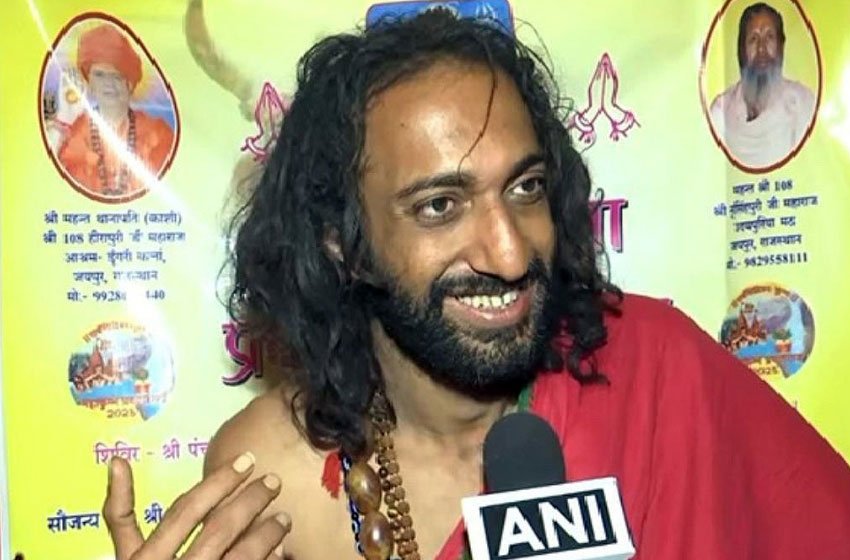
Mathura is the birthplace of Lord Krishna, who is famously known as Gopal (the protector of cows). Consequently, the cow is not just an animal in this region; it is a central figure in the local economy, religion, and daily life. The Gau Raksha movement in Mathura is deeply rooted in this historical connection.
Figures like Farsa Wale Baba play a crucial role in this ecosystem. They often operate small gaushalas (cow shelters) and act as informal monitors of cattle transport. According to global analysts studying Indian social movements, the rise of such grassroots protectors is often a response to the perceived inadequacy of formal enforcement in rural areas. While the legal framework for cow protection has strengthened in Uttar Pradesh, the emotional and religious drive of local leaders remains the primary catalyst for these movements.
What are the Challenges Faced by Grassroots Spiritual Leaders?
The life of a grassroots activist, especially one involved in sensitive issues like cow protection, is fraught with challenges. These individuals often operate in a high-tension environment where local interests and religious sentiments frequently clash. Experts suggest that the following factors contribute to the complexity of their roles:
- Security Risks: Standing against organized cattle smuggling rings involves significant personal risk. These rings are often well-funded and operate across state borders.
- Legal Ambiguity: While their intentions are rooted in tradition, the actions of self-styled protectors can sometimes lead to legal complications regarding vigilantism and the limits of private defense.
- Social Polarization: The presence of highly visible figures like Farsa Wale Baba can sometimes lead to heightened tensions between different communities in a region.
- Resource Constraints: Maintaining a gaushala requires significant financial and logistical support, which is often reliant on local donations.
How to Understand the Social Impact of Farsa Wale Baba?
The impact of Farsa Wale Baba extends beyond his immediate actions. He represented a specific archetype in Indian society: the protector-saint. His presence provided a sense of security to the local farmers and cattle owners who viewed him as a guardian of their values. When figures of this stature are involved in public incidents, it often leads to a massive outpouring of local support and, at times, public unrest.
The social dynamic in Mathura is such that spiritual leaders are often the first point of contact for community grievances. As per recent sociological studies, the influence of these leaders can often surpass that of local political representatives. Their followers are driven by a mix of religious devotion and a sense of belonging to a shared cause, making the legacy of individuals like Baba Chandrashekhar a permanent fixture in the local lore.
Pro Tips for Navigating Cultural Contexts in Rural India
For those looking to understand the intricacies of figures like Farsa Wale Baba, experts suggest the following insights:
- Recognize Symbolism: Understand that weapons or specific attires carried by spiritual figures are often symbolic of their vows rather than intended for aggression.
- Respect Local Sentiments: In regions like Mathura, the cow is a deeply sensitive subject. Engaging with the topic requires an understanding of the historical and religious nuances.
- Differentiate Between Faith and Law: While faith drives the actions of many, the legal system in India provides the framework for how these actions are judged. It is important to look at both perspectives.
- Acknowledge the Role of Community: These leaders do not exist in a vacuum; they are supported and sustained by the local community that shares their vision.
Frequently Asked Questions
Who exactly was Farsa Wale Baba?
Farsa Wale Baba was the popular name for Baba Chandrashekhar, a spiritual figure and cow protector based in Mathura, Uttar Pradesh. He was well-known for his dedication to cattle welfare and for carrying a traditional battle-axe (farsa).
Why did he carry a battle-axe?
The battle-axe was a symbol of his role as a protector. It is a weapon associated with Lord Parshurama and signifies the strength required to protect the sacred and uphold dharma. It also served as a deterrent against cattle smugglers.
Where was his ashram located?
His activities were primarily centered in the Mathura district, which is a major hub for Hindu pilgrimage and cow-related traditions in India.
What is the legacy of cow protectors in Mathura?
Cow protectors, or Gau Rakshaks, are seen as vital guardians of the local culture and religious identity in Mathura. Their legacy is built on the historical importance of the cow in the Braj region and the community's commitment to its preservation.
How do local authorities interact with such figures?
Local authorities often have a complex relationship with such figures, balancing the need to uphold the law with the necessity of respecting local religious sentiments and the social influence these leaders wield.
Conclusion
Farsa Wale Baba was more than just a man with an axe; he was a manifestation of the deep-seated cultural and religious values that define Mathura. His life highlights the ongoing dialogue between tradition and modernity in India. While his methods and the symbolism he chose were rooted in ancient warrior-saint traditions, the challenges he faced were very much a product of contemporary social and legal complexities. By understanding the story of Baba Chandrashekhar, one gains a clearer perspective on the intense devotion and the complex socio-religious fabric that governs one of India's most sacred regions.
Related Media
Quick View: Who is Farsa Wale Baba? Understanding the Life and Legacy of the Mathura Cow Protector





Comments 0
Leave a Reply
Your email address will not be published. Required fields are marked *
Be the first to share your thoughts!