

💡 24 Carat Gold Price Today: Strategic Market Analysis
A comprehensive strategic analysis of 24-carat gold prices, examining global economic drivers, domestic demand in India, and expert investment forecasts.
Executive Summary
The valuation of 24-carat gold remains a critical benchmark for global financial stability and individual wealth preservation. In the current fiscal quarter, gold has demonstrated significant resilience, trading at levels influenced by geopolitical tensions in the Middle East and fluctuating US Federal Reserve interest rate projections. Key data highlights include a consistent year-on-year growth rate of approximately 12 percent in domestic Indian markets. Central banks globally have increased their gold reserves by over 800 tonnes in the past year, signaling a robust long-term confidence in the metal. This report analyzes the technical and fundamental factors driving the 24-carat gold price today, providing a strategic roadmap for investors and consumers alike.
Introduction
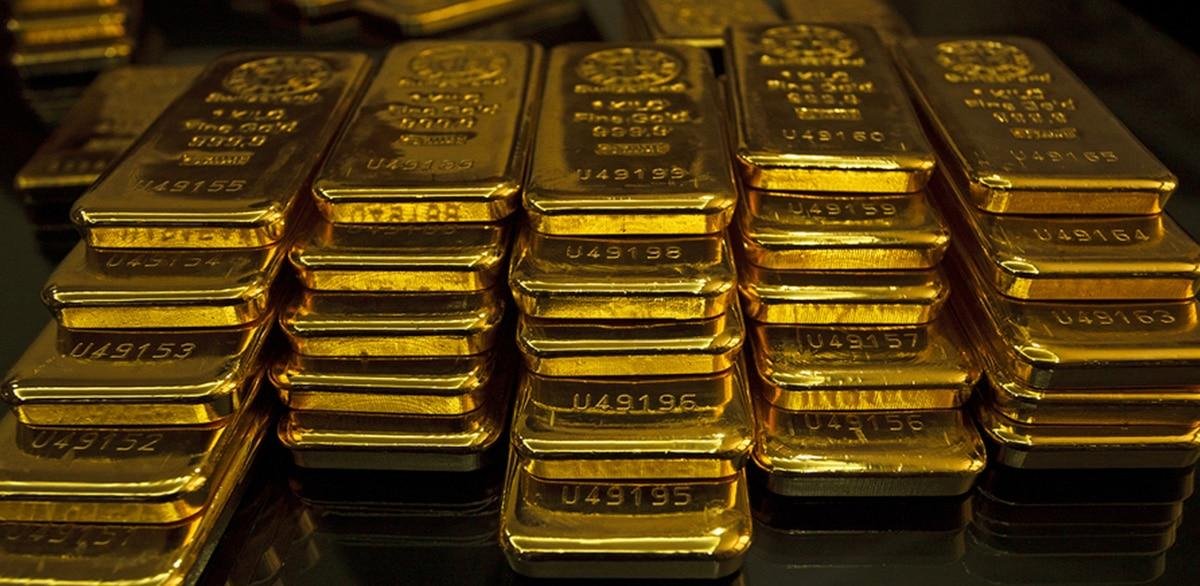
Gold has served as the ultimate store of value for millennia, but its role in a modern diversified portfolio is more complex than ever. When we discuss the price of 24-carat gold, we are referring to the highest purity level available, consisting of 99.9 percent pure gold. Unlike 22-carat or 18-carat gold, which contain alloys for durability in jewelry, 24-carat gold is primarily used for investment bars, coins, and high-end industrial applications. Understanding the daily fluctuations in its price requires more than just looking at a ticker; it necessitates a deep understanding of the global macroeconomic environment. From currency devaluations to shifts in industrial demand, the price of gold is a reflection of the collective sentiment regarding the global economy.
THE DEEP DIVE: Strategic Drivers of Gold Valuation
The pricing mechanism for gold is a sophisticated interplay of international spot prices and domestic factors. The London Bullion Market Association (LBMA) sets the global benchmark, which is then adapted to local markets like India's Multi Commodity Exchange (MCX). Several core pillars currently dictate the trajectory of 24-carat gold prices.
1. The US Dollar and Federal Reserve Policy
Gold is globally denominated in US Dollars. Consequently, there is an inverse relationship between the strength of the US Dollar Index (DXY) and gold prices. When the Federal Reserve maintains high interest rates, yield-bearing assets like Treasury bonds become more attractive, often leading to a temporary dip in gold prices. However, as the market anticipates a pivot toward rate cuts, gold typically rallies. Current institutional data suggests that for every 25-basis-point cut in interest rates, gold often sees a corresponding 2 to 3 percent appreciation in value over the following quarter.
2. Geopolitical Risk and Safe Haven Demand
In times of international conflict or economic uncertainty, capital flows toward safe-haven assets. Gold is the primary beneficiary of this flight to safety. Recent volatility in global energy markets, as discussed in our Diesel: Strategic Analysis of Global Energy and Infrastructure, often precedes a surge in gold demand as investors hedge against inflation and supply chain disruptions. The current geopolitical climate has created a floor for gold prices, preventing significant downward corrections even when the dollar is strong.
3. Domestic Demand and Import Duties in India
India is one of the world's largest consumers of gold. The domestic price is heavily influenced by the Union Budget's stance on import duties. A reduction in customs duty can lead to an immediate drop in local prices, stimulating demand during the wedding and festive seasons. Conversely, a high duty structure increases the premium over the international spot price. Furthermore, the rise of digital gold and Sovereign Gold Bonds (SGBs) has changed the liquidity profile of the asset class. This shift toward digital transformation in finance is a trend mirrored in other sectors, such as the TCS ABB Partnership, which highlights the integration of technology in traditional industrial frameworks.

4. Central Bank Accumulation
Central banks are no longer just regulators; they are massive market participants. The Reserve Bank of India (RBI), along with central banks in China and Turkey, has been aggressively diversifying foreign exchange reserves away from the dollar and into gold. This institutional buying provides a structural support level for the market. According to World Gold Council reports, central bank demand now accounts for nearly 20 to 25 percent of total annual gold demand, a significant increase from the previous decade.
WHAT THIS MEANS FOR YOU: Actionable Insights
For the average consumer or retail investor, the daily price of 24-carat gold can be overwhelming. Here is a strategic breakdown of how to interpret these movements:
- For Jewelry Buyers: While 24-carat gold is the benchmark, remember that jewelry is usually made in 22k or 18k. Always check the making charges and the hallmarking (BIS) to ensure you are getting the purity you pay for.
- For Long-term Investors: Consider the "Gold-to-Silver Ratio." Historically, when this ratio is high, gold may be overvalued relative to silver. Diversifying between the two can optimize returns.
- For Portfolio Hedging: Financial advisors generally recommend a 5 to 10 percent allocation to gold. This acts as an insurance policy against stock market volatility. Much like the speculative interest seen in the Laser Power and Infra IPO GMP, gold offers a different risk-reward profile that balances a growth-heavy portfolio.
Expert Verdict / Future Outlook
The outlook for 24-carat gold remains cautiously bullish for the remainder of the year. While short-term corrections are expected due to profit-taking at record highs, the fundamental drivers, inflation concerns, central bank buying, and geopolitical instability, are firmly in place. Technical analysis of the MCX charts indicates a strong support level at the 70,000 INR per 10 grams mark, with potential resistance near 78,000 INR. Investors should look for "buy on dips" opportunities rather than chasing vertical price movements. The long-term trajectory suggests that as global debt levels continue to rise, the intrinsic value of gold as a debt-free asset will only increase.

FAQ: Authoritative Questions and Answers
1. Why is the price of 24-carat gold different across various cities in India?
The variation in gold prices between cities like Mumbai, Delhi, and Chennai is primarily due to local taxes (GST is uniform, but octroi or local levies can vary), transportation costs, and the margins set by local bullion associations. Major hubs like Mumbai often have slightly lower prices due to their proximity to import ports.
2. Is 24-carat gold suitable for making intricate jewelry?
No. 24-carat gold is 99.9 percent pure, which makes it very soft and malleable. It lacks the structural integrity required to hold gemstones or maintain complex designs. For jewelry, 22-carat (91.6 percent pure) or 18-carat (75 percent pure) is preferred as it is mixed with metals like copper or zinc for strength.
3. How does the Goods and Services Tax (GST) impact gold prices?
Currently, a 3 percent GST is levied on the value of the gold purchased. Additionally, there is a 5 percent GST on the making charges. This must be factored into the final bill, often making the "on-road" price significantly higher than the quoted market rate.
4. What is the difference between 24K and 999 fineness?
In practical terms, they are the same. 24-carat gold is mathematically 100 percent pure, but in reality, achieving absolute purity is nearly impossible. Therefore, the industry standard for 24K is 999 fineness, meaning 999 parts out of 1000 are pure gold.
5. Should I invest in physical gold or Digital Gold?
Physical gold offers the security of possession but involves storage costs and risks. Digital gold or Sovereign Gold Bonds (SGBs) offer better liquidity and, in the case of SGBs, an additional 2.5 percent annual interest. The choice depends on whether your goal is consumption (physical) or wealth appreciation (digital/bonds).
Conclusion
The price of 24-carat gold today is more than just a number; it is a barometer of global economic health and a testament to the enduring value of hard assets. By monitoring the US Federal Reserve's actions, geopolitical shifts, and domestic demand cycles, investors can make informed decisions that protect their capital. While market volatility is inevitable, the strategic role of gold as a stabilizer in a modern portfolio remains undisputed. For those looking to navigate the complexities of today's financial landscape, understanding the nuances of gold pricing is an essential step toward achieving long-term fiscal resilience.
Important Note: Financial Disclaimer: This content is for educational purposes only and does not constitute professional financial advice. Always consult with a certified financial planner before making investment decisions.





Comments 0
Leave a Reply
Your email address will not be published. Required fields are marked *
Be the first to share your thoughts!