
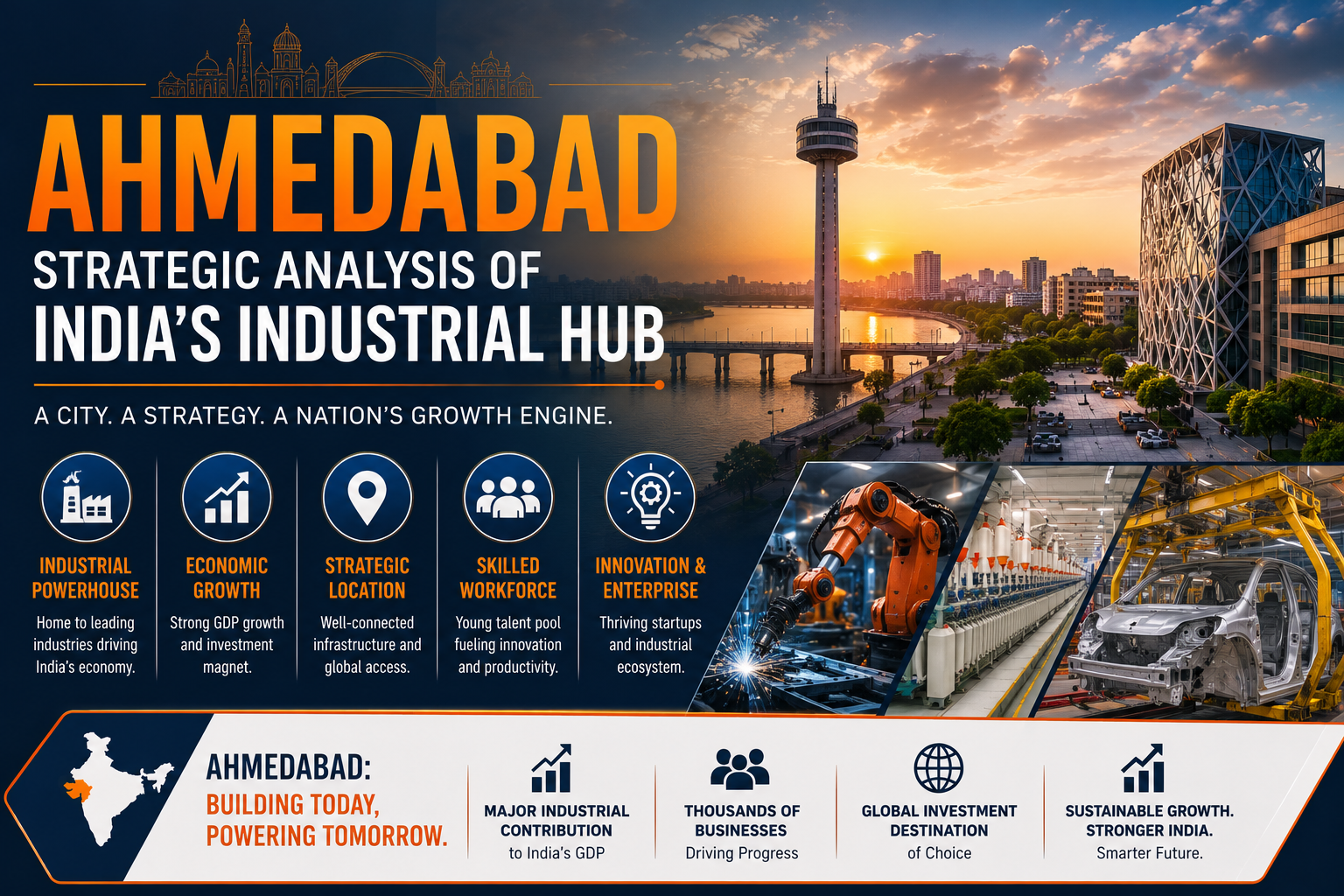
💡 Ahmedabad: Strategic Analysis of India's Industrial Hub
A comprehensive strategic analysis of Ahmedabad's economic growth, infrastructure development, and its role as a global industrial and heritage authority.
Executive Summary
Ahmedabad, the largest city in Gujarat and India's first UNESCO World Heritage City, represents a unique convergence of historical legacy and modern industrial prowess. This analysis highlights the city's transition from the Manchester of the East to a diversified economic powerhouse. Key data points indicate that Ahmedabad contributes significantly to Gujarat's 8.3 percent share of India's national GDP. With the expansion of the Ahmedabad Metro, the development of the Sabarmati Riverfront, and its proximity to the Gujarat International Finance Tec-City (GIFT City), Ahmedabad has solidified its position as a Tier-1 investment destination. This report examines the industrial clusters, real estate dynamics, and digital governance frameworks that define the city's current trajectory.

Introduction: The Strategic Importance of Ahmedabad
Ahmedabad serves as the commercial capital of Gujarat, acting as a central node for trade, education, and manufacturing in Western India. Founded in 1411, the city has maintained its relevance through centuries by adapting its economic identity. Today, it stands as a critical center for the pharmaceutical, textile, and automobile industries. The strategic location of Ahmedabad, situated on the banks of the Sabarmati River and connected by robust rail and road networks, makes it a vital part of the Delhi-Mumbai Industrial Corridor (DMIC). As the city scales its infrastructure, it also integrates modern financial systems, much like the institutions analyzed in our Bank of Baroda: Strategic Analysis of Banking Authority, which play a pivotal role in the local credit ecosystem.
The Deep Dive: Economic and Industrial Foundation
The economic landscape of Ahmedabad is built upon several high-output sectors. The pharmaceutical industry in Gujarat accounts for nearly 33 percent of India's pharmaceutical turnover and 28 percent of its exports, with Ahmedabad housing major players such as Zydus Lifesciences and Torrent Pharmaceuticals. This industrial concentration creates a massive demand for skilled labor and digital administrative services. Efficient management of this workforce is supported by platforms like the EPFO Member Portal: Strategic Analysis of Digital Governance, which ensures social security compliance for the city's growing industrial population.
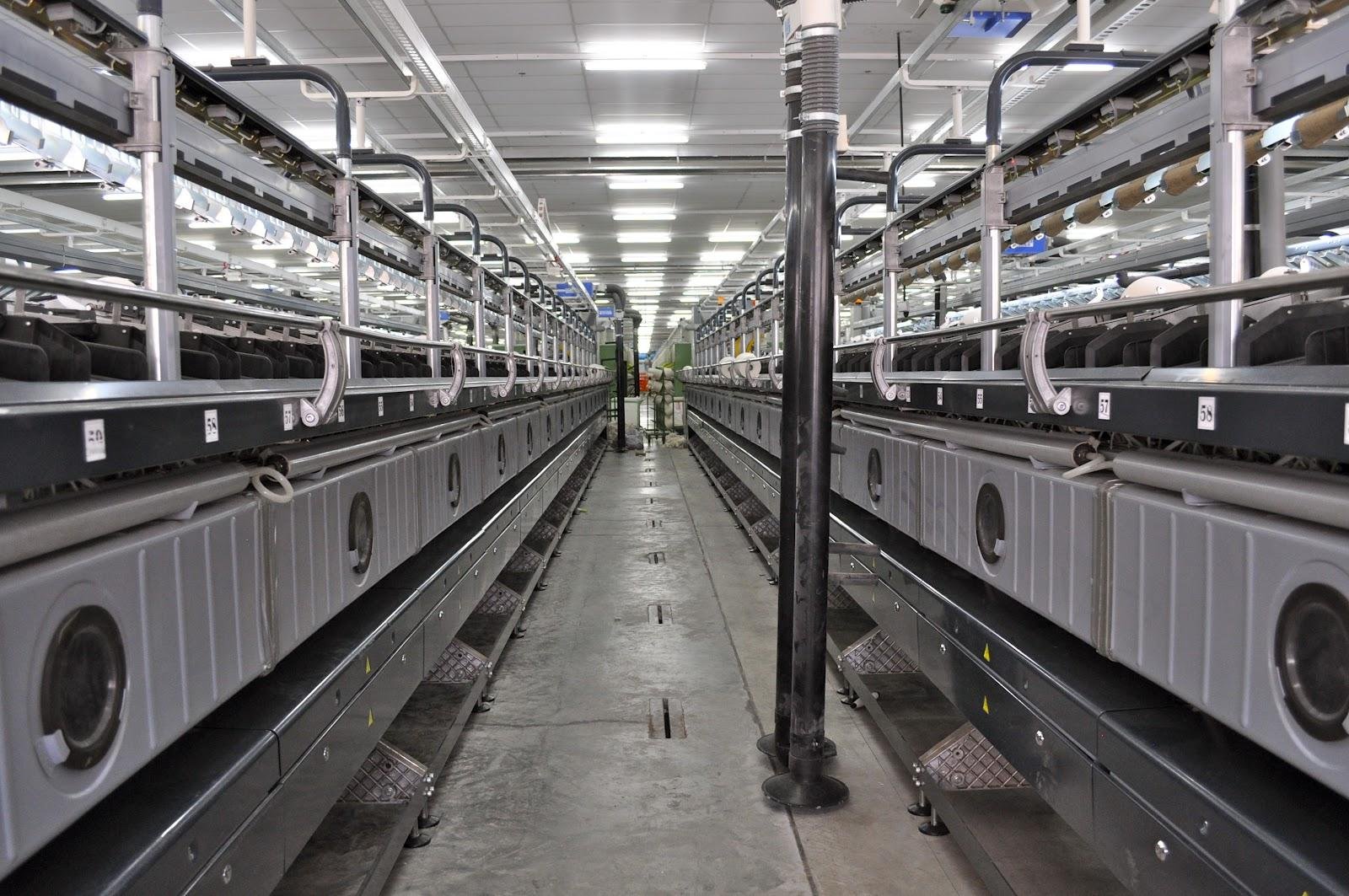
Industrial clusters such as Sanand, Vatva, and Naroda have transformed the city's periphery. Sanand, in particular, has emerged as an automobile hub, hosting manufacturing plants for global giants like Tata Motors and Ford. The presence of these entities has led to a 15 to 20 percent annual growth in ancillary industries. Furthermore, the city's textile sector, while traditional, has modernized through technology adoption, maintaining its status as a leading producer of denim and cotton fabrics globally.
Infrastructure and Urban Transformation
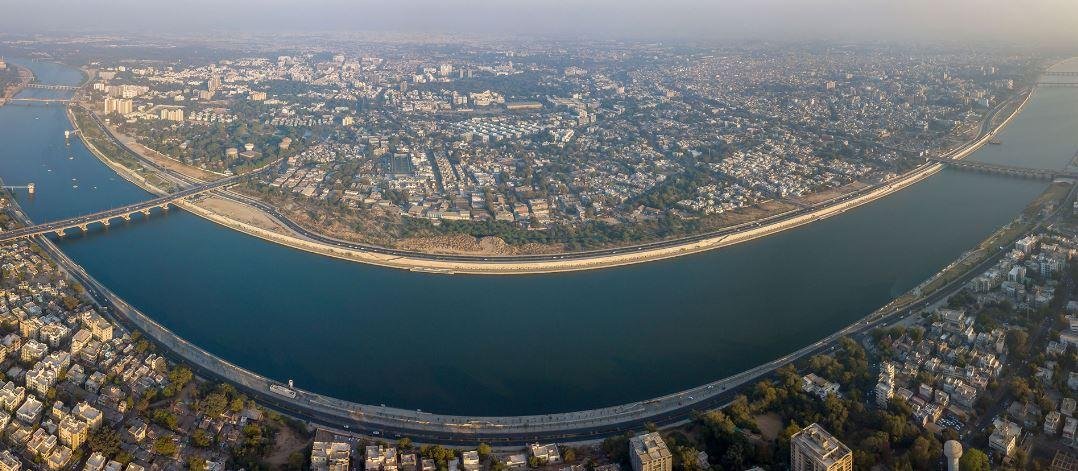
Ahmedabad's urban planning is often cited as a model for other Indian metros. The Sabarmati Riverfront Project, spanning 11.5 kilometers in its first phase, has reclaimed land for public use and environmental sustainability, significantly boosting local real estate values. The Ahmedabad Metro Rail Project, with its North-South and East-West corridors, aims to reduce commute times and carbon emissions for a population exceeding 8.5 million.
Real estate dynamics in Ahmedabad reflect a shift toward premium residential and commercial spaces. Areas like Bodakdev, Prahladnagar, and Science City have seen property appreciation rates of 12 percent year-on-year. This growth is fueled by the city's reputation for ease of doing business and its high safety index. For businesses operating in this high-growth environment, staying updated on fiscal regulations is essential, particularly regarding July 2026 Tax Deadlines: Strategic Compliance and Analysis, as the city's corporate sector undergoes rapid expansion.
Digital Governance and Smart City Initiatives
Under the Smart Cities Mission, Ahmedabad has implemented an Integrated Command and Control Centre (ICCC) to monitor traffic, waste management, and public safety. The city has deployed over 6,000 CCTV cameras and an automated traffic management system. These technological advancements are not just for efficiency; they are designed to improve the quality of life and attract international investment. The digital push extends to municipal services, where almost 80 percent of property tax and water bill payments are now conducted through online portals.
What This Means For You: Actionable Insights
- For Investors: Focus on the Ahmedabad-Gandhinagar corridor. The synergy between Ahmedabad's industrial base and GIFT City's financial services offers a unique dual-investment opportunity.
- For Businesses: The logistics and warehousing sector near the Sanand-Viramgam belt is poised for significant growth due to improved connectivity with the Mundra and Kandla ports.
- For Professionals: The rise of fintech and biotech sectors in the city is creating a high demand for specialized talent, making it a viable alternative to saturated markets like Bengaluru or Mumbai.
- For Residents: The expansion of green spaces and the Metro network is expected to enhance the liveability index, particularly in the western suburbs.
Expert Verdict and Future Outlook
Ahmedabad is currently at a critical inflection point. The proposed Ahmedabad-Dholera Special Investment Region (SIR) and the upcoming Bullet Train project (Mumbai-Ahmedabad High-Speed Rail) are set to redefine the city's economic boundaries. Experts predict that by 2030, Ahmedabad will transition from a manufacturing-heavy economy to a knowledge-based economy. The city's ability to balance its UNESCO heritage status with aggressive industrialization will be the ultimate test of its urban governance. With a projected GDP growth rate of 8 to 10 percent annually, Ahmedabad remains a cornerstone of India's journey toward a 5 trillion dollar economy.
FAQ: Authoritative Perspectives on Ahmedabad
Is Ahmedabad a good city for startups?
Yes, Ahmedabad has a thriving startup ecosystem supported by institutions like i-Hub and MICA's incubator. The cost of operations is approximately 30 percent lower than in Mumbai or Delhi.
What is the impact of GIFT City on Ahmedabad?
GIFT City, located between Ahmedabad and Gandhinagar, acts as a global financial hub. It attracts foreign direct investment (FDI) and high-paying jobs, which directly boosts the residential real estate market in Northern Ahmedabad.
How does Ahmedabad manage its water resources?
The city utilizes the Narmada canal system and has implemented extensive rainwater harvesting mandates for all new constructions to ensure long-term water security.
What are the primary industries in Ahmedabad?
The primary industries include textiles, pharmaceuticals, chemicals, automobiles, and increasingly, information technology and financial services.
Is Ahmedabad safe for international travelers and residents?
Ahmedabad consistently ranks as one of the safest cities in India, with low crime rates and a proactive police force, making it highly attractive for expatriates and tourists alike.
Conclusion
Ahmedabad stands as a testament to strategic urban evolution. By leveraging its industrial heritage and embracing digital transformation, the city has created a resilient economic framework. Whether through the lens of infrastructure, finance, or cultural preservation, Ahmedabad continues to demonstrate how a regional hub can achieve global authority.





Comments 0
Leave a Reply
Your email address will not be published. Required fields are marked *
Be the first to share your thoughts!