
💡neet-ug-2026-paper-leak-scandal-student-protests-investigation-accountability
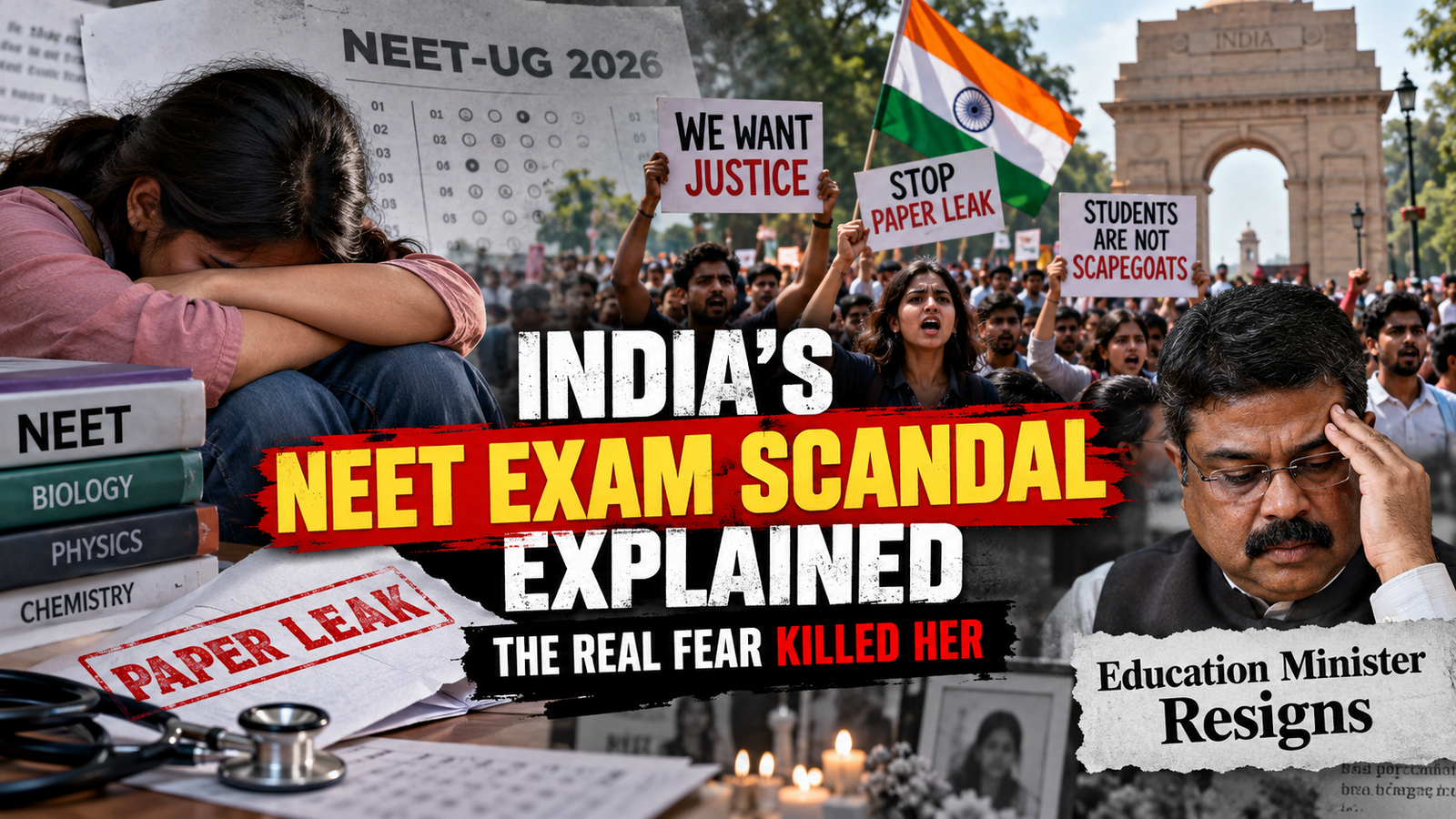
India's NEET-UG examination faced a major paper-leak controversy in 2026, leading to a Central Bureau of Investigation (CBI) probe, a nationwide re-examination and protests over the integrity of competitive exams. Here is what happened, what authorities confirmed and what remains unverified.
Introduction
India's National Eligibility-cum-Entrance Test (NEET-UG) is one of the country's most important entrance examinations. It determines eligibility for undergraduate medical education and attracts millions of aspiring students every year.
For many families, becoming a doctor represents years of preparation, substantial financial investment and the hope of a more secure future. The examination's fairness is therefore critical to students, parents and educational institutions.
In May 2026, allegations that NEET-UG examination material had been leaked triggered a major investigation. The controversy raised questions about examination security, accountability and the pressure experienced by students preparing for highly competitive entrance tests.
The situation escalated when the examination authority arranged a re-examination. Students who had already taken the original test were required to face another examination cycle, adding uncertainty to an already demanding process.
The controversy subsequently became the focus of student protests and political debate across India.
What Happened in the NEET-UG 2026 Paper Leak Case?
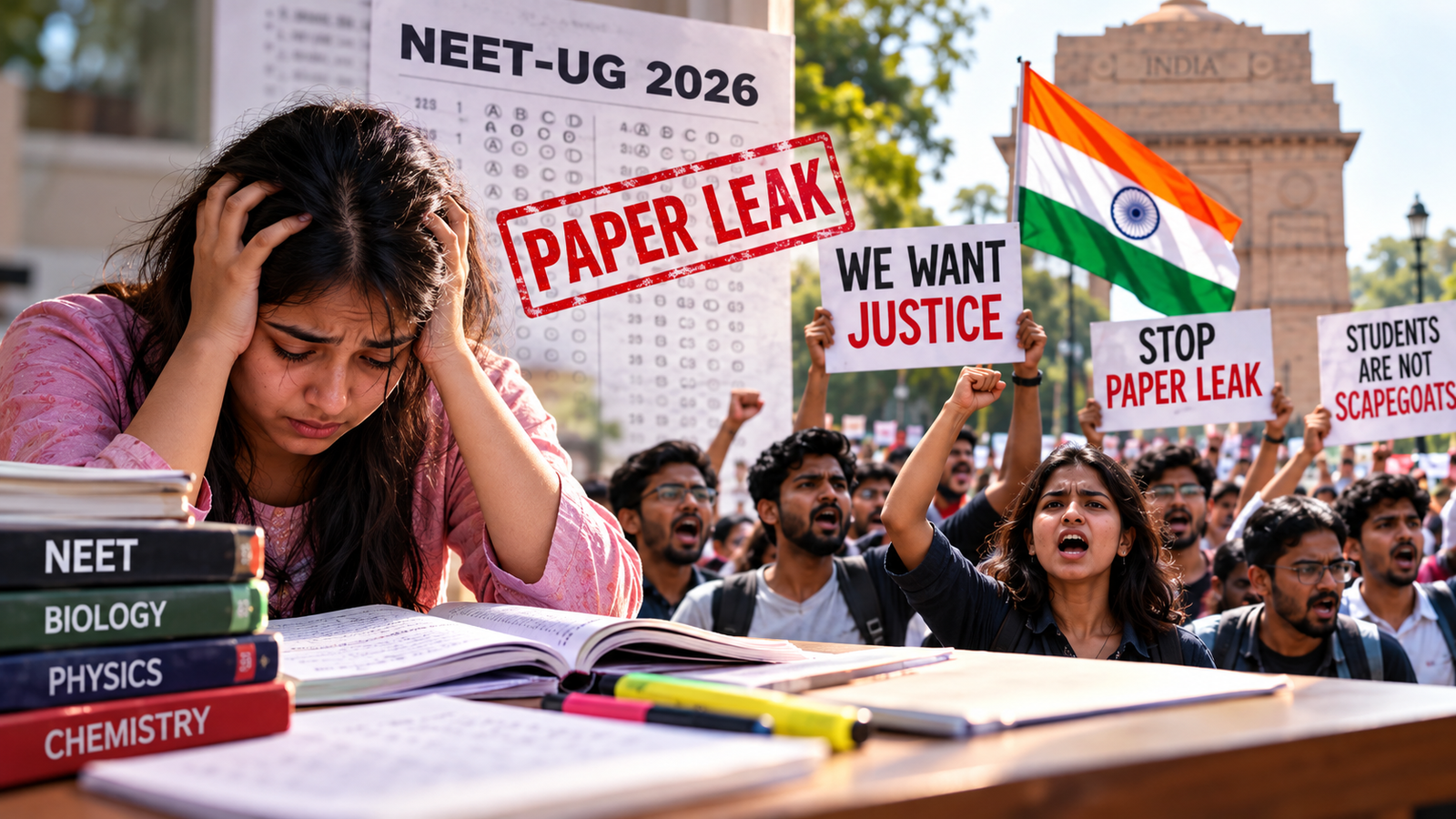
The NEET-UG 2026 examination was conducted on May 3, 2026.
On May 12, the Ministry of Education's Department of Higher Education filed a complaint concerning alleged irregularities and the unauthorised circulation of examination-related material before the test. The CBI registered a case and began investigating the allegations.
According to an official government statement published by the Press Information Bureau on May 15, investigators identified a suspected source of the Chemistry paper leak. The statement described allegations involving a lecturer and another accused individual who allegedly arranged special coaching sessions in which questions and answers were provided before the examination.
Investigators reported that material discussed during those sessions matched questions in the actual examination paper. The CBI also conducted searches and arrested suspects as part of its investigation. https://www.pib.gov.in/PressReleasePage.aspx?PRID=2261634&lang=2®=48
These findings were significant, but allegations against individual suspects must be distinguished from a final judicial determination of guilt. The investigation's findings and any subsequent court proceedings should be followed through official updates.
Why Was a Re-Examination Conducted?
Following the allegations, the examination authorities arranged a fresh NEET-UG examination for June 21, 2026.
The re-examination meant that candidates faced another period of preparation, uncertainty and waiting. Students who had already invested months or years in preparing for the examination had to adjust to a changed situation.
For candidates and their families, the central concern was not simply the inconvenience of another test. It was whether the examination process could provide a fair and reliable assessment of every candidate.
A re-examination can be an important corrective measure when examination integrity is compromised. However, it also creates practical and emotional difficulties for students, including additional preparation, travel arrangements and uncertainty about admissions.
The National Testing Agency's official NEET website publishes examination notices, answer keys, result announcements and other updates. Readers should consult these notices for the confirmed examination timeline and subsequent developments.
Official source: https://neet.nta.nic.in/public-notices/
Student Protests and the Demand for Accountability
The examination controversy developed into a wider public debate about the fairness and security of India's competitive examination system.
In New Delhi, the Jantar Mantar protest site became a focal point for demonstrations led by students and youth activists. Reuters reported that the Cockroach Janta Party, a youth-led movement, organised protests and demanded accountability from the government.
The protesters' concerns extended beyond one examination. They called for stronger safeguards against paper leaks, accountability for those responsible and reforms to prevent similar incidents in the future.
The demonstrations also attracted political attention. Opposition leaders raised questions about repeated examination irregularities and the consequences faced by students when a test is compromised.
The scale of the protests reflected a wider concern: competitive examinations can influence students' educational opportunities, family finances and career plans. When confidence in an examination is damaged, the effects can extend well beyond the examination hall.
The Human Cost: Student Distress and Family Concerns
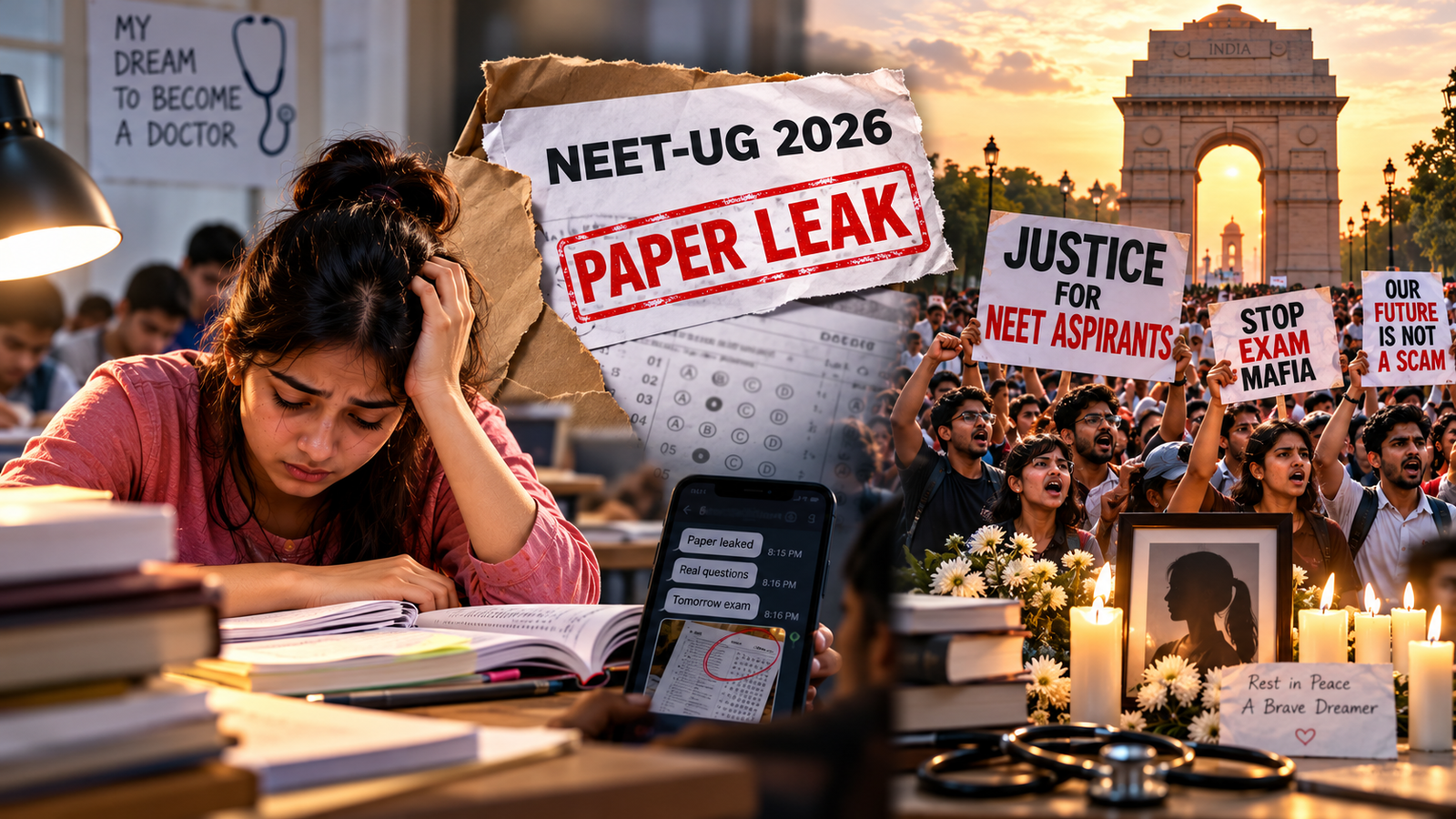
One of the most distressing aspects of the controversy was the reporting of student deaths by suicide.
In its July 25, 2026 report, Reuters described the case of 19-year-old NEET aspirant Sheikh Sana. According to her family, she died by suicide shortly before the re-examination. Her father told Reuters that the fear of taking the examination again had overwhelmed her.
Reuters also interviewed families of two other students whose deaths were reported in connection with the broader crisis. Police had registered the deaths as suicides, and the cases remained under investigation at the time of the report.
These accounts highlight the distress that can accompany academic pressure and uncertainty. However, a family's explanation of a death should not be treated as an independently established medical, legal or investigative conclusion.
The Cockroach Janta Party claimed that 21 student deaths were connected to the examination controversy. Reuters reported that it could not independently verify that figure. It is therefore important not to present the number as an officially confirmed total.
Student mental health is a serious issue that deserves attention beyond any single examination scandal. Families, educational institutions and authorities should make support accessible to students experiencing overwhelming distress.
Important distinction: The reported deaths and the families' concerns deserve sensitive coverage, but the available reporting does not establish that every death was directly caused by the examination controversy.
The Government's Response
The government faced increasing pressure to address concerns about examination security.
In May 2026, the CBI investigation established an official investigative process into the alleged leak. Prime Minister Narendra Modi subsequently addressed the broader issue of examination paper leaks and promised strict action against those responsible, according to Reuters' reporting.
The protests also became a political issue, with demonstrators and opposition politicians calling for Education Minister Dharmendra Pradhan to resign.
On July 25, 2026, Reuters reported that Pradhan had resigned amid the protests. His departure became a significant development in the movement's demand for political accountability.
However, a minister's resignation should not be confused with the completion of the criminal investigation. Establishing individual responsibility, determining the full extent of the alleged leak and securing any appropriate legal consequences require separate investigative and judicial processes.
Readers should consult official government announcements and credible news reports for subsequent developments in the investigation and any resulting reforms.
Why the NEET Controversy Matters Beyond One Examination
The controversy highlights several broader issues facing India's education system.
1. Examination Security
Competitive examinations require reliable procedures for preparing, handling, distributing and protecting question papers. Strong safeguards and effective investigations are essential to maintaining public confidence.
2. Equal Opportunity
Candidates should be assessed according to their preparation and performance, rather than benefiting or suffering because of unauthorised access to examination material.
3. The Financial Burden on Families
Preparing for competitive examinations can involve coaching fees, accommodation, travel and years of study. An examination disruption can therefore affect families financially as well as academically.
4. Student Well-Being
High-stakes examinations can create considerable stress. Educational institutions and families should encourage students to seek help when they feel overwhelmed and make clear that an examination result does not determine a person's worth or entire future.
5. Institutional Accountability
When irregularities occur, authorities must communicate clearly, investigate allegations impartially and explain what corrective steps are being taken. Transparent processes help rebuild trust.
What Happens Next?
The long-term impact of the NEET-UG 2026 controversy will depend on the investigation's findings, the handling of any court proceedings and the effectiveness of examination reforms.
Several questions remain important:
-
What further evidence will investigators establish about the alleged leak?
-
Will those found responsible face appropriate legal consequences?
-
What additional safeguards will be introduced to protect future examinations?
-
How will authorities improve communication with candidates when serious irregularities arise?
-
What support will be made available to students and families affected by the disruption?
These questions should be answered using official notices, court records and reliable reporting as new information becomes available.
The goal should be to establish the facts, protect the fairness of competitive examinations and reduce the risk of similar incidents in the future.
Frequently Asked Questions (FAQ)
What is the NEET-UG 2026 paper leak controversy?
It is a controversy involving allegations that examination material was circulated without authorisation before NEET-UG 2026. The government referred the matter for a CBI investigation in May 2026.
When was NEET-UG 2026 conducted?
The original examination was held on May 3, 2026. A re-examination was subsequently conducted on June 21, 2026.
Who investigated the alleged paper leak?
The Central Bureau of Investigation (CBI) investigated the alleged irregularities after a complaint from the Department of Higher Education.
Why did students protest?
Students and youth activists protested over examination security, fairness, accountability and the wider consequences of paper leaks. Protesters also demanded political accountability and safeguards against future incidents.
Did 21 students die because of the NEET controversy?
The Cockroach Janta Party claimed that 21 student deaths were connected to the controversy. Reuters reported that it could not independently verify the figure. The number should not be presented as an officially confirmed total, and a direct causal link should not be assumed for individual cases.
Did Education Minister Dharmendra Pradhan resign?
Reuters reported his resignation on July 25, 2026, amid mounting protests over the examination controversy.
Where can candidates find official NEET updates?
Candidates can consult the National Testing Agency's official NEET website for notices, answer keys, results and examination-related announcements: https://neet.nta.nic.in/
Conclusion
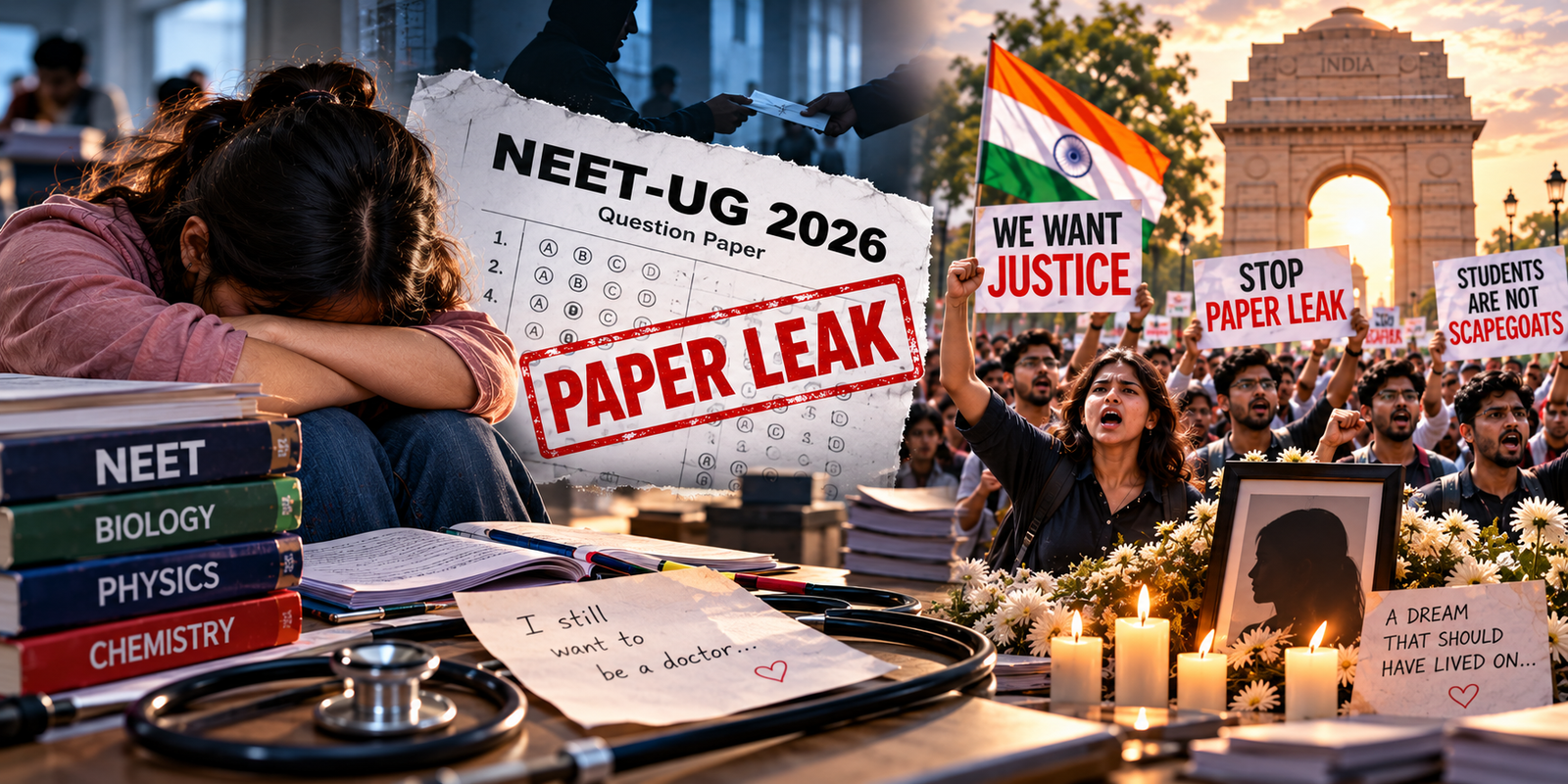
The NEET-UG 2026 controversy became a major test of public confidence in India's competitive examination system. Allegations of a paper leak led to a CBI investigation, a re-examination and protests demanding accountability.
The episode also brought attention to the pressures faced by students and families who invest heavily in the pursuit of medical education.
A fair response requires more than political statements or public demonstrations. It requires a thorough investigation, transparent communication, appropriate legal action where wrongdoing is established and stronger examination safeguards.
Above all, students deserve an examination system in which their hard work is respected, opportunities are fair and concerns about irregularities are addressed promptly and transparently.
Sources and further reading
-
Press Information Bureau, Government of India — CBI statement on the NEET-UG 2026 paper leak investigation, May 15, 2026
-
Press Information Bureau, Government of India — Complaint and CBI investigation announcement, May 12, 2026
-
National Testing Agency — Official NEET-UG notices
-
Reuters — Reporting on the NEET controversy and student protests, July 25, 2026
Editorial note: This article distinguishes official statements, reported allegations and claims made by protest organisers. Investigation findings and subsequent developments should be updated only when supported by reliable sources





Comments 0
Leave a Reply
Your email address will not be published. Required fields are marked *
Be the first to share your thoughts!