
💡 Verity Reviews: Strategic Analysis of Trust in Digital Markets
An expert analysis of the verity reviews landscape, exploring the economic impact of authentic feedback and the technological shift toward verified consumer data.
Executive Summary
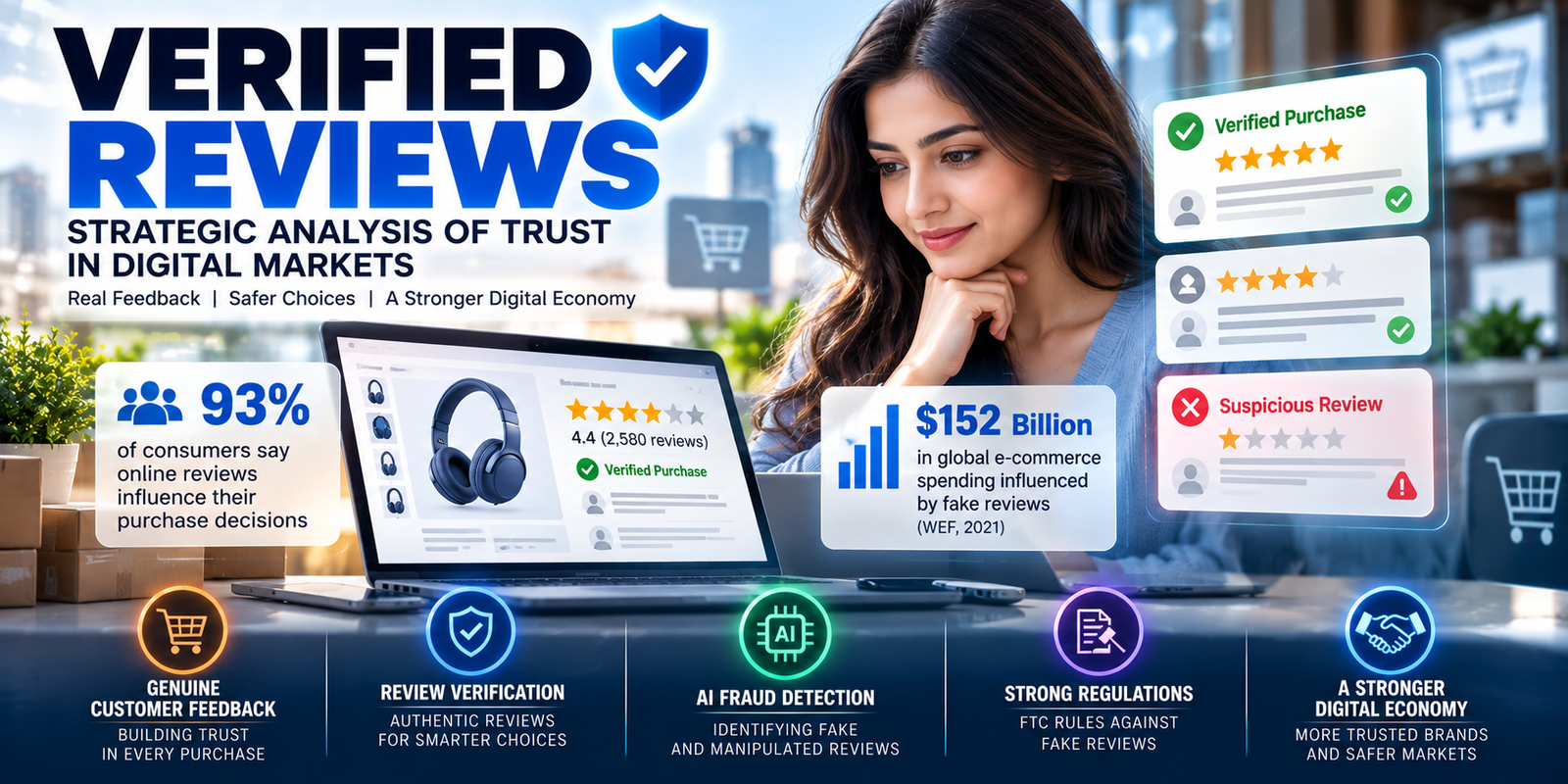
Online reviews have become an important part of modern purchasing decisions. A 2017 Podium survey found that 93% of consumers said online reviews influenced their purchase decisions.
At the same time, fake reviews, paid testimonials, bots and AI-generated content are creating new challenges for digital platforms. A 2021 study cited by the World Economic Forum estimated that fake online reviews directly influence around $152 billion in global online spending.
As a result, businesses and review platforms are increasingly focusing on verification, fraud detection, transparent moderation and stronger regulatory compliance.
Introduction: The Crisis of Trust
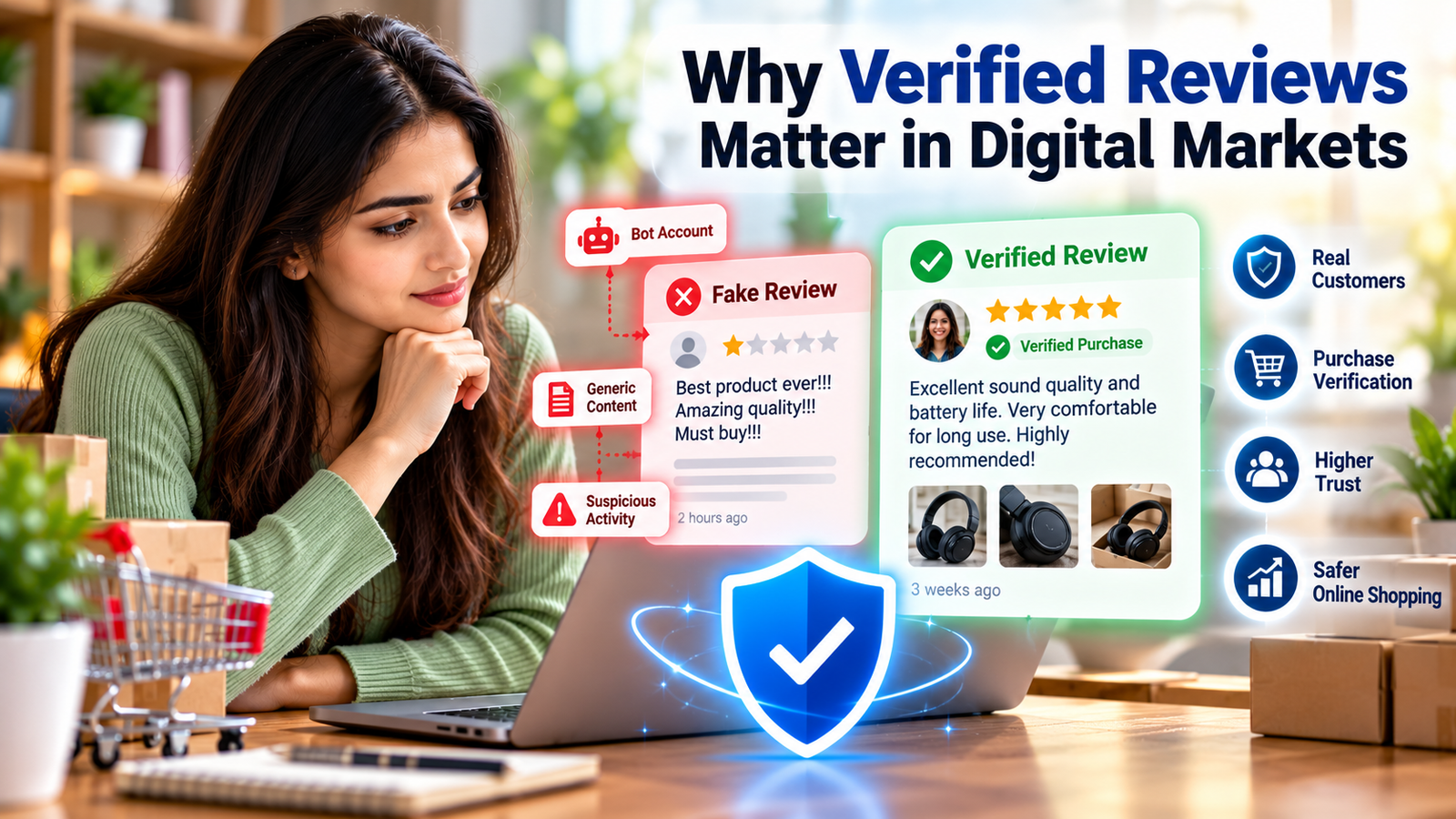
A verified review is consumer feedback supported by evidence that the reviewer genuinely interacted with a product or service.
Verification can involve purchase records, transaction data, account history, platform activity and other signals. However, a verification badge alone does not guarantee that every statement in a review is completely accurate.
The real objective is to create a review ecosystem where genuine customer experiences are easier to identify and deceptive content is harder to manipulate.
The Deep Dive: How Review Verification Works
A strong review-verification system generally combines three major areas:
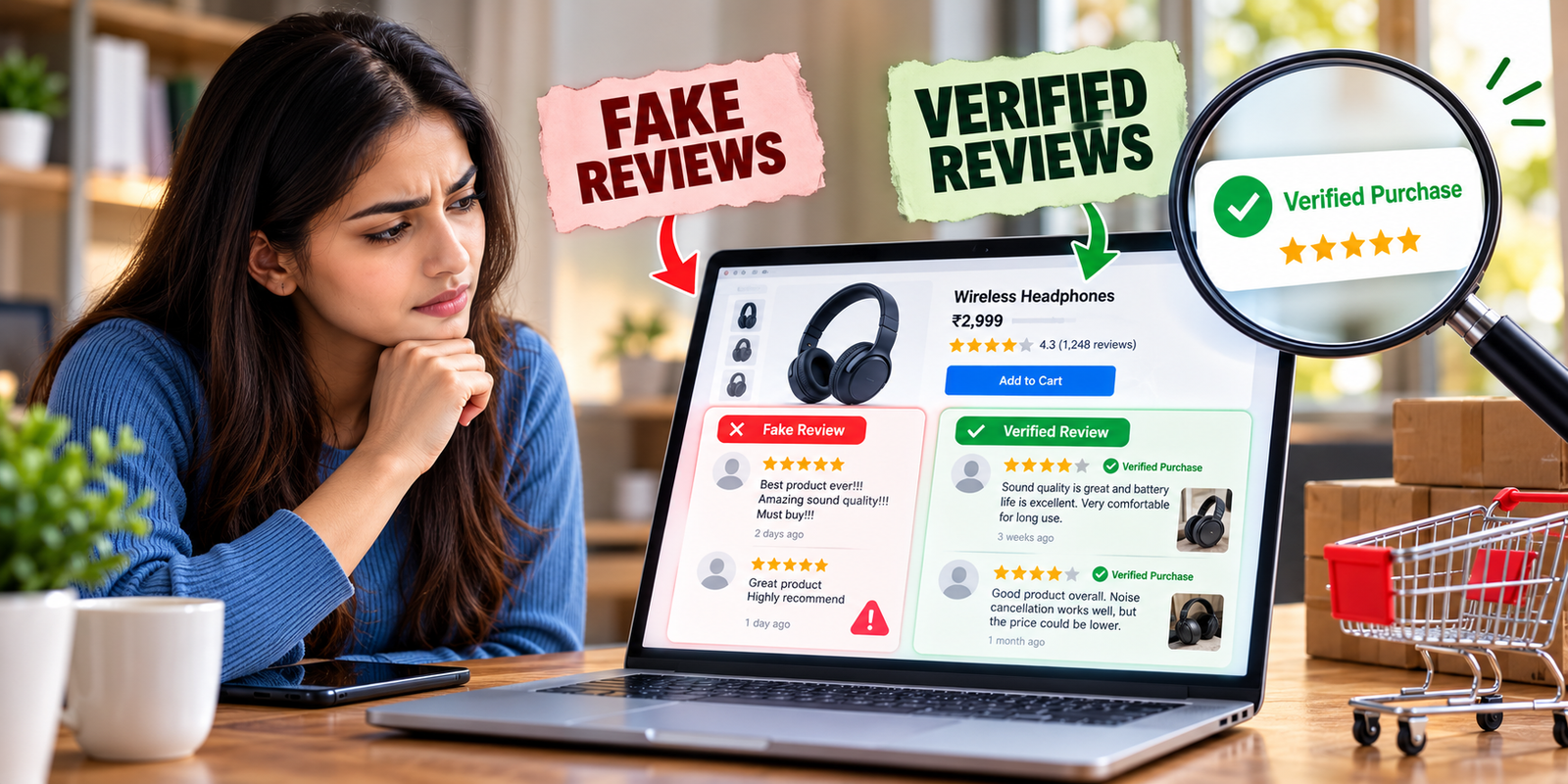
1. Transaction Verification
Platforms can connect reviews with purchases, bookings or other legitimate customer interactions.
2. Behavioral Analysis
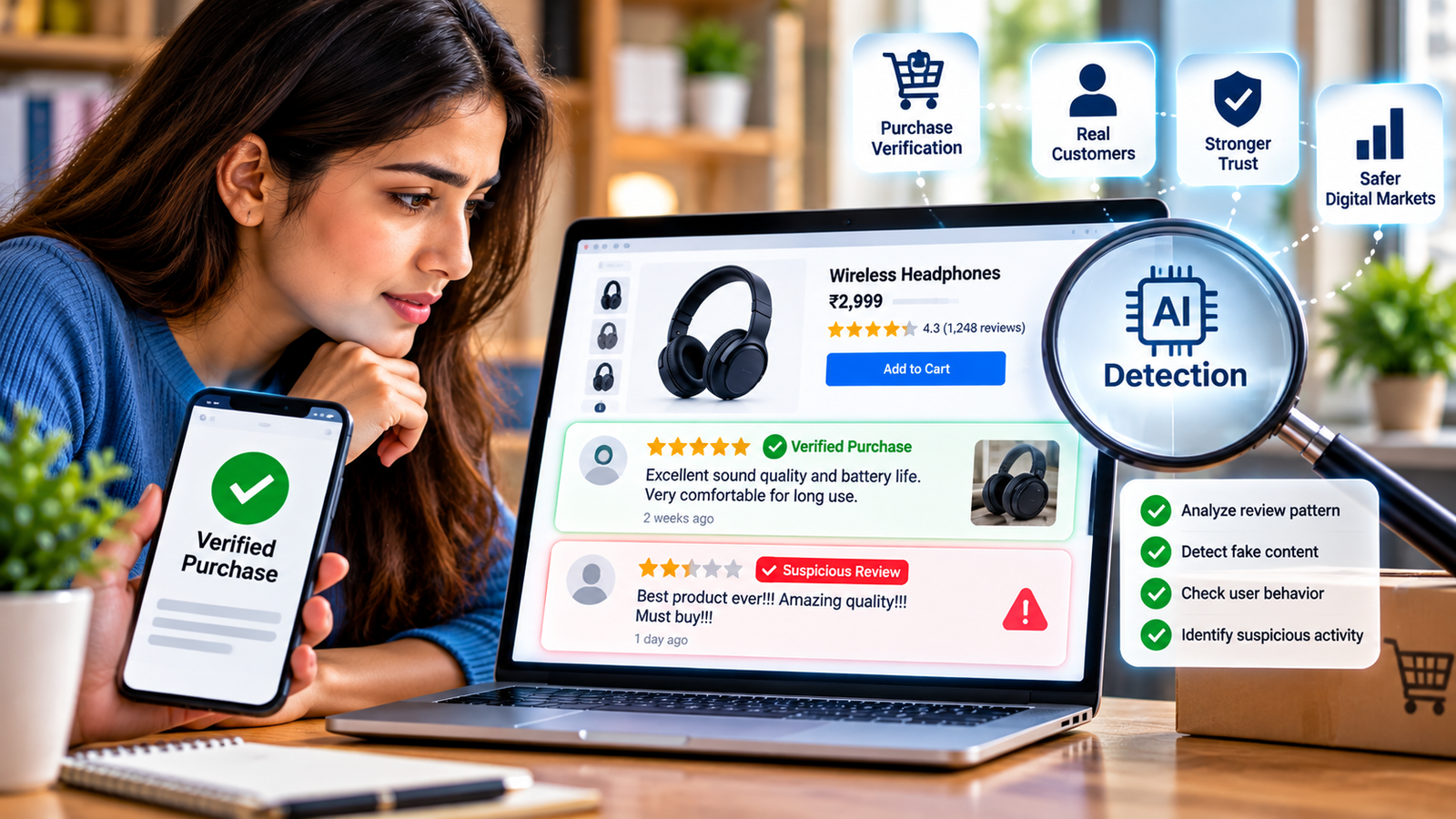
AI and fraud-detection systems can examine unusual review patterns, including sudden activity, repeated language, suspicious accounts or coordinated behavior.
These systems can help identify potentially fraudulent activity, but they cannot guarantee that every fake review will be detected.
3. Transparent Moderation
Platforms need clear rules explaining when reviews can be removed, how suspicious reviews are investigated and how businesses can respond.
This transparency is becoming increasingly important as regulators focus on deceptive review practices.
FTC's New Focus on Fake Reviews
In August 2024, the U.S. Federal Trade Commission finalized its Consumer Reviews and Testimonials Rule.
The rule prohibits several deceptive practices, including buying or selling fake reviews, creating fake testimonials, paying for reviews conditioned on a particular positive or negative sentiment, certain undisclosed insider reviews, and certain deceptive review-suppression practices. The rule became effective on October 21, 2024.
The FTC has continued enforcing the rule. In 2025, the agency stated that violations can result in civil penalties of up to $53,088 per violation, subject to the applicable legal requirements.
This development shows that online reviews are no longer simply a marketing issue. They can also become a legal and compliance issue for businesses.
The Economic Value of Authentic Reviews
Authentic reviews help reduce uncertainty for consumers.
A customer can learn about:
-
Product quality
-
Service experience
-
Customer support
-
Pricing
-
Reliability
-
Common problems
-
Overall satisfaction
Research has also found that consumers do not simply look at star ratings. The actual content of reviews can influence purchasing decisions.
Importantly, a perfect 5-star rating is not automatically more trustworthy than a slightly lower rating. Review volume, detail, recency and consistency can all influence how consumers evaluate a business.
Technology's Role in Review Integrity
Artificial intelligence is becoming an important part of review moderation.
Platforms can use automated systems to identify suspicious patterns such as:
-
Large numbers of reviews from newly created accounts
-
Repetitive or highly similar language
-
Unusual review activity
-
Coordinated account behavior
-
Sudden review spikes
However, AI detection should be treated as a risk-detection tool rather than absolute proof of fraud.
Blockchain can also provide tamper-resistant records of transactions or review events, but it cannot by itself prove that a reviewer genuinely used a product or service. Effective review integrity still requires verification, moderation and fraud detection.
ISO 20488 and Review Standards
Another important development is ISO 20488:2018, the international standard for online consumer reviews.
It provides principles and requirements for the collection, moderation and publication of online consumer reviews. The standard was reviewed and confirmed in 2024 and remains current.
Following such standards can help organizations create more consistent and transparent review-management processes.
What This Means for Consumers and Businesses
For Consumers
Consumers should look beyond the star rating and consider:
-
Whether the review appears connected to a genuine transaction
-
How specific the review is
-
Whether similar reviews appear repeatedly
-
The reviewer's overall activity
-
Recent positive and negative feedback
-
How the business responds to criticism
A verified purchase indicator can be useful, but it should not be treated as the only measure of authenticity.
For Businesses
Businesses should focus on collecting genuine customer feedback rather than trying to manufacture positive ratings.
They should also:
-
Avoid buying fake reviews
-
Never condition incentives on positive sentiment
-
Respond professionally to negative feedback
-
Monitor unusual review activity
-
Maintain transparent moderation policies
-
Keep proper records of customer interactions where appropriate
Expert Verdict and Future Outlook
The future of online reviews will likely depend on a combination of transaction verification, AI-based fraud detection, transparent moderation and regulatory oversight.
AI will make fake content easier to create, but it will also provide platforms with better tools for detecting coordinated or suspicious activity.
The goal should not be to eliminate negative reviews. A trustworthy review ecosystem should allow genuine positive and negative experiences to coexist while preventing manipulation.
The strongest platforms will therefore be those that can demonstrate why their reviews are trustworthy, rather than simply displaying a high average rating.
FAQ: Understanding Verified Reviews
What is a verified review?
A verified review is feedback supported by information indicating that the reviewer had a genuine interaction or transaction with the business, product or service.
Does a verified badge guarantee that a review is true?
No. Verification can help establish that a genuine interaction occurred, but it does not guarantee that every statement made by the reviewer is accurate.
Are fake reviews illegal?
Certain deceptive review practices are prohibited under laws and regulations in some jurisdictions. In the United States, the FTC's Consumer Reviews and Testimonials Rule specifically prohibits several deceptive practices involving fake and manipulated reviews.
Can businesses remove negative reviews?
Businesses can generally moderate content according to legitimate platform policies, but certain deceptive methods of suppressing negative reviews are prohibited under the FTC's rule.
Can AI detect fake reviews?
AI can identify suspicious patterns and help platforms detect potential fraud, but no automated system should be treated as a perfect detector of fake reviews.
Conclusion
Online reviews have become a critical part of digital commerce, but their value depends on authenticity.
The growth of fake reviews, automated accounts and AI-generated content makes verification increasingly important. Regulatory developments such as the FTC's 2024 Consumer Reviews and Testimonials Rule and standards such as ISO 20488 demonstrate the growing focus on review integrity.
For consumers, the best approach is to evaluate reviews critically rather than relying only on star ratings or verification badges.
For businesses, long-term trust comes from encouraging genuine customer feedback, transparent moderation and honest engagement.
In the digital economy, authenticity is not simply a marketing advantage. It is becoming a fundamental part of consumer trust.





Comments 0
Leave a Reply
Your email address will not be published. Required fields are marked *
Be the first to share your thoughts!