
💡 AMC Entertainment: Strategic Analysis of Market Resilience
An authoritative analysis of AMC Entertainment Holdings, examining financial restructuring, retail investor sentiment, and the future of theatrical exhibition.
Executive Summary
AMC Entertainment Holdings, Inc. remains the world largest theatrical exhibition company, yet its strategic position is defined by a complex interplay of high debt, retail investor volatility, and a recovering global box office. Key findings indicate that while AMC has successfully extended its debt maturities into 2029 and 2030, the company faces significant pressure from a 2024 domestic box office projected to reach only 8 billion to 9 billion dollars, a decline from the 10 billion plus seen in pre-pandemic years. This analysis highlights AMC's pivot toward alternative content distribution and retail product expansion as vital survival mechanisms.
Introduction
The narrative surrounding AMC Entertainment has shifted from a traditional brick-and-mortar business model to a case study in modern market dynamics. Following the 2021 meme stock phenomenon, the company has utilized its unique position to raise capital and restructure its balance sheet. However, the entertainment industry is currently navigating a period of transition. Just as the Global Sports Industry: Strategic Analysis of Economic Growth shows a shift toward experiential monetization, AMC is attempting to transform the cinema experience from a passive viewing activity into a premium event-based destination. This report examines the financial health, operational strategies, and market headwinds facing the theater giant.

The Deep Dive: Financial and Operational Analysis
Debt Management and Capital Structure
AMC's primary challenge is its massive debt load, which peaked at over 5 billion dollars. In mid-2024, the company reached a milestone agreement to extend the maturities of approximately 2.4 billion dollars of its debt. This move provides the company with a necessary runway, pushing significant repayment obligations from 2026 to 2029. By reducing immediate liquidity pressure, AMC can focus on operational improvements. This financial maneuvering is as critical as the fiscal strategies found in the HDFC Bank Share: Strategic Analysis of Financial Performance, where capital adequacy and risk management dictate long-term stability.
Content Strategy and the Distribution Pivot
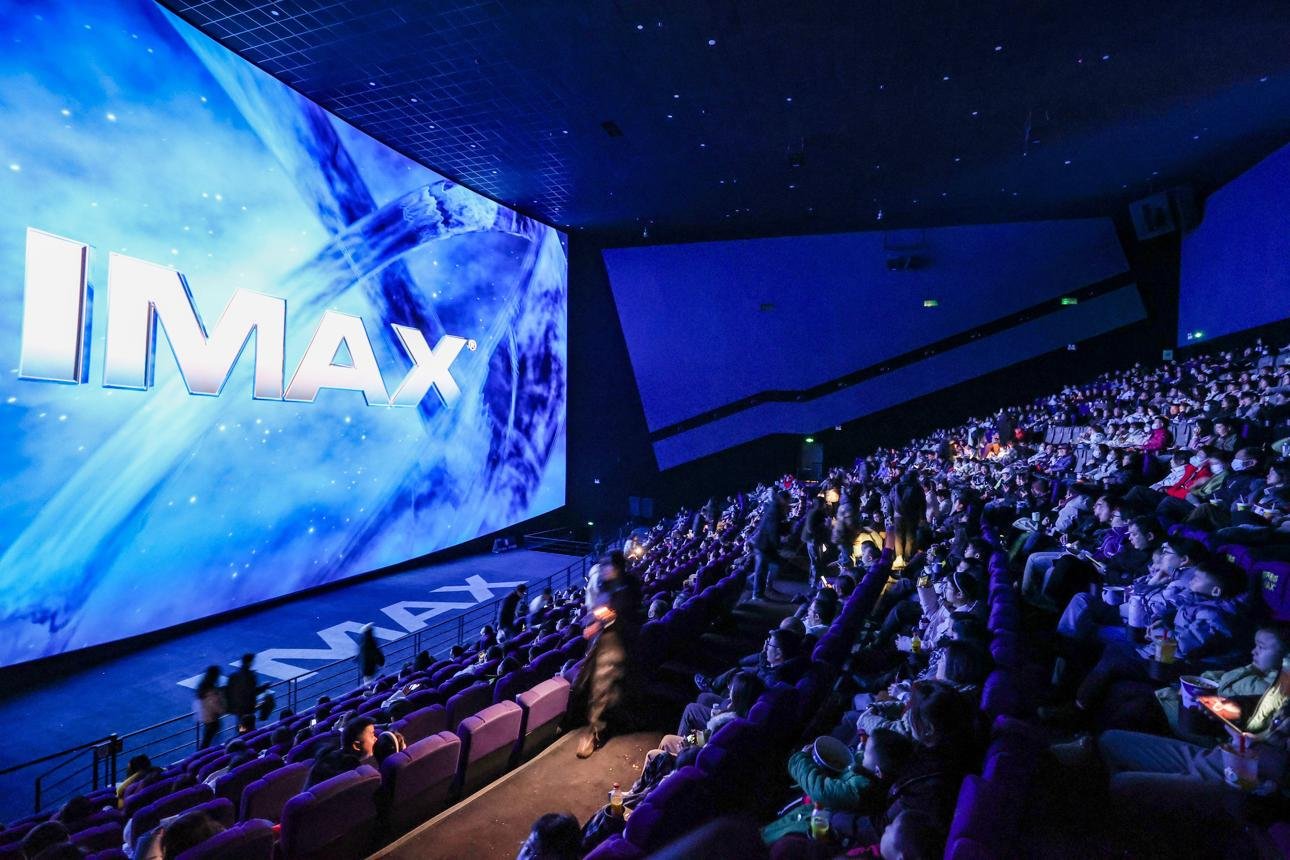
The 2023 success of Taylor Swift: The Eras Tour and Beyonce's Renaissance film marked a strategic departure for AMC. By acting as both the distributor and the exhibitor, AMC captured a larger share of the ticket revenue, bypassing traditional studio middle-men. This model proved that theaters could thrive on non-traditional content. However, the reliance on Hollywood blockbusters remains high. The 2024 slate was hampered by production delays from previous industry strikes, resulting in a thinner release schedule. AMC is countering this by investing in premium formats like IMAX and Dolby Cinema, which command higher ticket prices and cater to a demographic willing to pay for superior audiovisual experiences.
Retail Investor Sentiment and Market Volatility
The AMC share price is frequently disconnected from traditional fundamental analysis due to the intense involvement of retail investors, often referred to as Apes. This community-driven investment style has allowed AMC to execute multiple equity offerings, raising billions in cash. While this has diluted existing shareholders, it has been the primary reason the company avoided bankruptcy during the pandemic. The volatility associated with AMC is a unique characteristic of the modern digital age, where social media sentiment can outweigh quarterly earnings reports. This phenomenon mirrors the rapid shifts in digital consumption seen in the Hotstar: Strategic Analysis of the Streaming Powerhouse report, where platform loyalty and content accessibility drive market value.
Diversification: Beyond the Big Screen
To mitigate the risks of a volatile box office, AMC has expanded into the retail sector. AMC-branded popcorn is now available in major grocery chains, representing a low-overhead revenue stream that leverages brand recognition. Furthermore, the company has explored the acquisition of gold mines and other non-core assets, a move that received mixed reactions from analysts but signaled a desperate search for diversified cash flows. Operational efficiency has also been improved through the closure of underperforming locations and the renovation of high-traffic theaters to include luxury seating and enhanced food and beverage options.

What This Means For You
For the average consumer and investor, AMC's trajectory offers several practical takeaways:
- Premium Experiences: Expect a continued push toward luxury seating and high-end dining within theaters. The era of the budget cinema is fading in favor of destination-style entertainment.
- Investment Risk: AMC remains a high-risk, high-reward equity. Its price is influenced more by market sentiment and short-interest dynamics than by traditional P/E ratios.
- Content Variety: Audiences should expect more concert films, live sporting events, and limited-run screenings as AMC seeks to fill seats during periods with fewer blockbuster releases.
- Subscription Value: Loyalty programs like AMC Stubs A-List remain a cost-effective way for frequent moviegoers to access premium formats, providing predictable recurring revenue for the company.
Expert Verdict and Future Outlook
The long-term viability of AMC depends on two factors: the consistent delivery of high-quality theatrical content from Hollywood and the company's ability to further reduce its interest expense. While the debt extension provided a lifeline, the interest rates on the new debt remain high, eating into operational profits. The industry consensus suggests that domestic box office numbers will not fully recover to 2019 levels until 2025 or 2026. AMC must survive this lean period by maintaining its market share and continuing to innovate in the distribution space. The company is no longer just a theater chain; it is a platform for communal experiences in an increasingly isolated digital world.
FAQ
- Is AMC Entertainment still at risk of bankruptcy? While the risk has significantly decreased due to recent debt restructuring and capital raises, the company still carries a heavy debt load that requires a strong box office recovery to service in the long term.
- How does the Taylor Swift distribution deal change AMC's business? It establishes AMC as a distributor, allowing them to take a larger cut of the box office and proving they can successfully market and release major event films without traditional studios.
- Why is the AMC stock price so volatile? AMC is a popular target for retail investors and short-sellers. This high level of trading activity, often driven by social media trends, leads to price swings that do not always reflect the company's financial fundamentals.
- What are premium formats, and why do they matter? Premium formats include IMAX and Dolby Cinema. They are crucial because they allow AMC to charge higher prices and offer an experience that cannot be replicated by home streaming services.
- How is AMC competing with streaming services? AMC is focusing on the theatrical experience as an event. By offering luxury amenities and exclusive content, they aim to provide a value proposition that streaming cannot match.
Important Note: Financial Disclaimer: This content is for educational purposes only and does not constitute professional financial advice. Always consult with a certified financial planner before making investment decisions.
Conclusion
AMC Entertainment is navigating a complex recovery phase characterized by strategic debt management and innovative content distribution. While the company has secured its immediate future through successful financial restructuring, its long-term success hinges on the revitalization of the global box office and its ability to maintain the loyalty of its unique retail investor base. As the entertainment landscape shifts, AMC's transition into a premium event-driven platform will be the ultimate determinant of its survival.




Comments 0
Leave a Reply
Your email address will not be published. Required fields are marked *
Be the first to share your thoughts!