
💡 What is Apple?
Explore how Apple is pivoting its AI strategy toward a platform-based approach, integrating artificial intelligence directly into the App Store and search functions for a seamless user experience.
How Apple is Redefining Artificial Intelligence through an App Store and Search-Centric Ecosystem
For decades, Apple has built its reputation on creating seamless, intuitive ecosystems where hardware and software work in perfect harmony. As the world shifts toward a future dominated by generative artificial intelligence, the tech giant is charting a unique course. Rather than simply launching a standalone chatbot, Apple is pivoting its strategy to treat AI as a foundational platform. This approach mirrors the success of the App Store, transforming how users interact with their devices through a search-like interface and a marketplace of intelligent capabilities.
According to global analysts, this shift represents a move away from being a mere provider of AI tools to becoming the primary orchestrator of AI experiences. By integrating AI into the very fabric of its operating systems, Apple aims to make machine learning feel less like a separate utility and more like an invisible assistant that enhances every tap, swipe, and search. This article explores the depth of this strategy, the mechanics of the AI-driven App Store, and what this means for the future of consumer technology.
What is the Apple AI Platform Strategy?
The core of Apple's new direction is the concept of Apple Intelligence. Unlike competitors who focus on massive, cloud-based large language models (LLMs), Apple is prioritizing a hybrid approach. This strategy involves on-device processing for speed and privacy, supplemented by private cloud compute for more complex tasks. Experts suggest that by doing this, Apple is positioning itself as the gatekeeper of AI services.
Instead of forcing users to choose one specific AI, Apple is building a framework where different models can coexist. This is the platform approach. Just as the App Store allowed third-party developers to reach millions of users with their software, the new AI strategy allows various AI models and specialized agents to plug into the Apple ecosystem. This ensures that users have access to the best tools for specific tasks, whether it is generating text, editing photos, or managing personal schedules, all through a unified interface.
How does Apple integrate AI into the App Store?
The App Store has always been the jewel in Apple's crown, and it is now becoming the primary delivery vehicle for AI innovation. As per recent industry reports, Apple is reimagining the App Store not just as a place to download apps, but as a marketplace for AI agents. This involves several key components:
- AI Agent Discovery: The App Store will likely feature specialized sections for apps that leverage Apple Intelligence APIs, making it easier for users to find tools that enhance their productivity.
- Siri Integration: Developers can now provide Siri with deep access to their app's functionality. This means Siri can act as an intermediary, executing complex commands across different apps downloaded from the store.
- Standardized AI Tools: By providing developers with robust SDKs (Software Development Kits), Apple ensures that AI features across different apps feel consistent and respect user privacy.
Why is the Search-Like Approach significant?
One of the most profound changes in Apple's strategy is the move toward a search-like platform. Traditionally, users open specific apps to perform specific tasks. However, with the integration of advanced AI, the user experience is shifting toward intent-based interaction. If a user wants to find a specific photo from a vacation or summarize a long email thread, they do not necessarily need to navigate through menus. They simply ask or search.
This search-centric model relies on a deep understanding of personal context. Apple Intelligence indexes information across messages, emails, calendar events, and files. When a user performs a search, the AI does not just look for keywords; it understands the relationship between entities. For example, asking when a friend's flight lands requires the AI to search through emails or messages, identify the flight number, and check real-time flight status, all within a single search interface.
How to understand the Core Concepts of Apple Intelligence?
To fully grasp this pivot, one must understand the three pillars that support Apple's AI framework: Privacy, On-Device Processing, and Personal Context.
1. Privacy as a Foundation
In an era where data privacy is a major concern, Apple is doubling down on its commitment to user security. Most AI tasks are performed directly on the device, meaning personal data never leaves the iPhone, iPad, or Mac. For tasks that require more power, Apple uses Private Cloud Compute, which ensures that data is never stored or accessible by Apple, providing a level of security that industry experts suggest is a major competitive advantage.
2. On-Device Processing
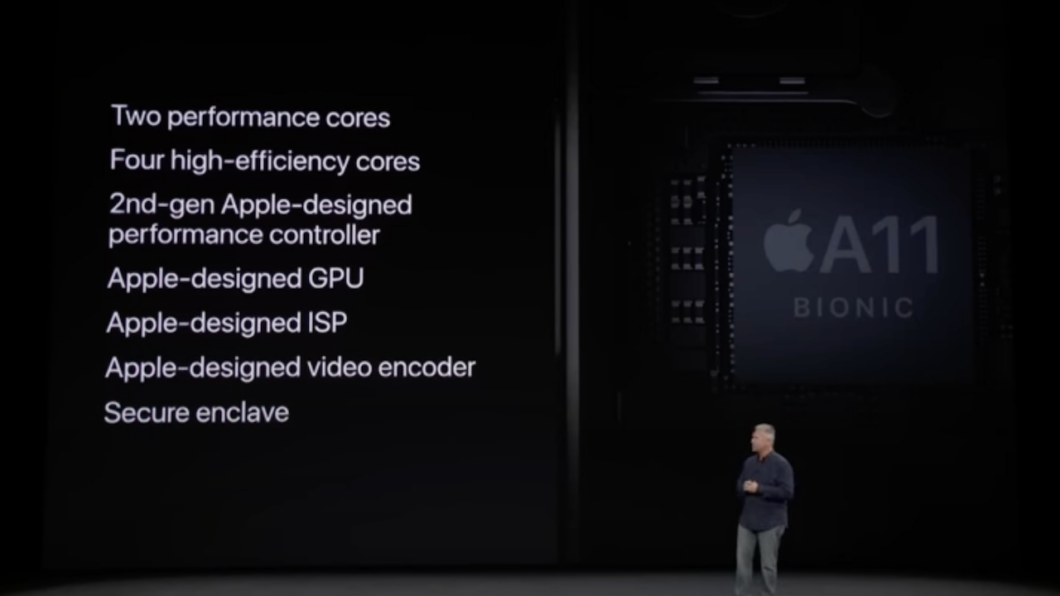
By utilizing the powerful Neural Engine found in modern A-series and M-series chips, Apple can run sophisticated models locally. This reduces latency, allows for offline functionality, and ensures that the AI is responsive to user needs without relying on a constant internet connection.
3. Personal Context
What sets Apple's AI apart is its awareness of the user's life. While a general-purpose chatbot knows a lot about the world, Apple Intelligence knows a lot about you. It understands who your family members are, what meetings you have today, and what projects you are working on. This personal context allows the AI to provide highly relevant assistance that generic models cannot match.
What are the Benefits for Users and Developers?
The transition to a platform-based AI strategy offers significant advantages for everyone involved in the ecosystem. For users, the primary benefit is simplicity. Instead of managing multiple AI subscriptions or learning different interfaces, they get a cohesive experience that works across all their devices. The AI becomes a natural extension of the operating system, making complex tasks easier to accomplish.
For developers, Apple's approach provides a massive audience and a streamlined way to integrate AI. Instead of building their own LLM infrastructure, they can tap into Apple's on-device models and Siri's intent-recognition capabilities. This lowers the barrier to entry for small developers and encourages a surge of innovation in the App Store. As per recent industry reports, this could lead to a new generation of apps that are more proactive and helpful than ever before.
Common Mistakes to Avoid when Using AI Tools
As users begin to adopt these new AI features, there are several common pitfalls to be aware of:
- Over-reliance on AI Accuracy: While Apple Intelligence is highly advanced, AI can still make mistakes. It is important to verify critical information, especially when it comes to scheduling or factual data.
- Ignoring Privacy Settings: Users should take the time to review their privacy settings and understand what data the AI is accessing to provide personal context.
- Expecting Human-Like Consciousness: It is easy to personify AI, but users should remember that these are sophisticated algorithms designed to predict patterns, not sentient beings.
- Neglecting App Updates: To benefit from the latest AI integrations, users must keep their apps and operating systems updated, as developers are constantly refining how their software interacts with Apple's AI framework.

Pro Tips for Maximizing Apple AI Features
To get the most out of the new AI-centric ecosystem, experts suggest the following tips:
- Use Natural Language: Don't worry about specific keywords. Speak or type to Siri and Search as if you were talking to a person. The AI is designed to understand intent and context.
- Leverage Cross-App Actions: Try asking Siri to perform tasks that involve multiple apps, such as taking a photo from a message and adding it to a specific folder in Notes.
- Explore AI Writing Tools: Use the system-wide writing tools to proofread, rewrite, or summarize text in any app, whether it is Mail, Pages, or a third-party social media app.
- Organize with Smart Folders: Use the AI-driven search to create smart folders or collections that automatically group related files and photos based on their content.
Frequently Asked Questions
What makes Apple AI different from ChatGPT?
While ChatGPT is a general-purpose chatbot that excels at generating content based on a vast internet dataset, Apple AI focuses on personal context. It integrates with your personal data (emails, calendar, photos) on your device to help you manage your daily life, all while maintaining a strict focus on privacy through on-device processing.
Do I need a new iPhone to use these AI features?
Apple Intelligence requires significant processing power. Generally, it is compatible with devices featuring the A17 Pro chip or later, and Macs or iPads with M1 chips or later. Older devices may still receive some AI-enhanced features, but the full suite of Apple Intelligence is reserved for newer hardware.
Is my data safe with Apple Intelligence?
Yes, privacy is a core pillar of Apple's strategy. Most processing happens on your device. When cloud processing is needed, Apple uses Private Cloud Compute, which ensures your data is never stored and is mathematically shielded from unauthorized access, including by Apple itself.
Will Apple charge for its AI services?
Currently, Apple Intelligence is integrated into the operating systems as a free update for compatible devices. However, industry experts suggest that in the future, Apple might offer premium AI features or act as a marketplace where users can subscribe to third-party AI models through the App Store.
Can I turn off AI features if I don't want them?
Apple typically provides granular controls for its features. Users can choose which apps have access to their data and can likely disable specific AI functionalities within the settings menu if they prefer a more traditional experience.
Conclusion
Apple's pivot toward an App Store and search-like platform approach for AI marks a significant milestone in the evolution of personal computing. By focusing on integration rather than isolation, Apple is creating an environment where artificial intelligence is not a destination, but a journey woven into the fabric of everyday tasks. This strategy prioritizes the user's privacy and personal context, ensuring that the technology serves the individual in a meaningful and secure way. As this platform matures, it will undoubtedly redefine our relationship with our devices, making them more capable, more intuitive, and more personal than ever before. The future of AI at Apple is not just about what the machine can do, but how it can empower the person using it.
Related Media
Quick View: How Apple is Redefining Artificial Intelligence through an App Store and Search-Centric Ecosystem





Comments 0
Leave a Reply
Your email address will not be published. Required fields are marked *
Be the first to share your thoughts!