
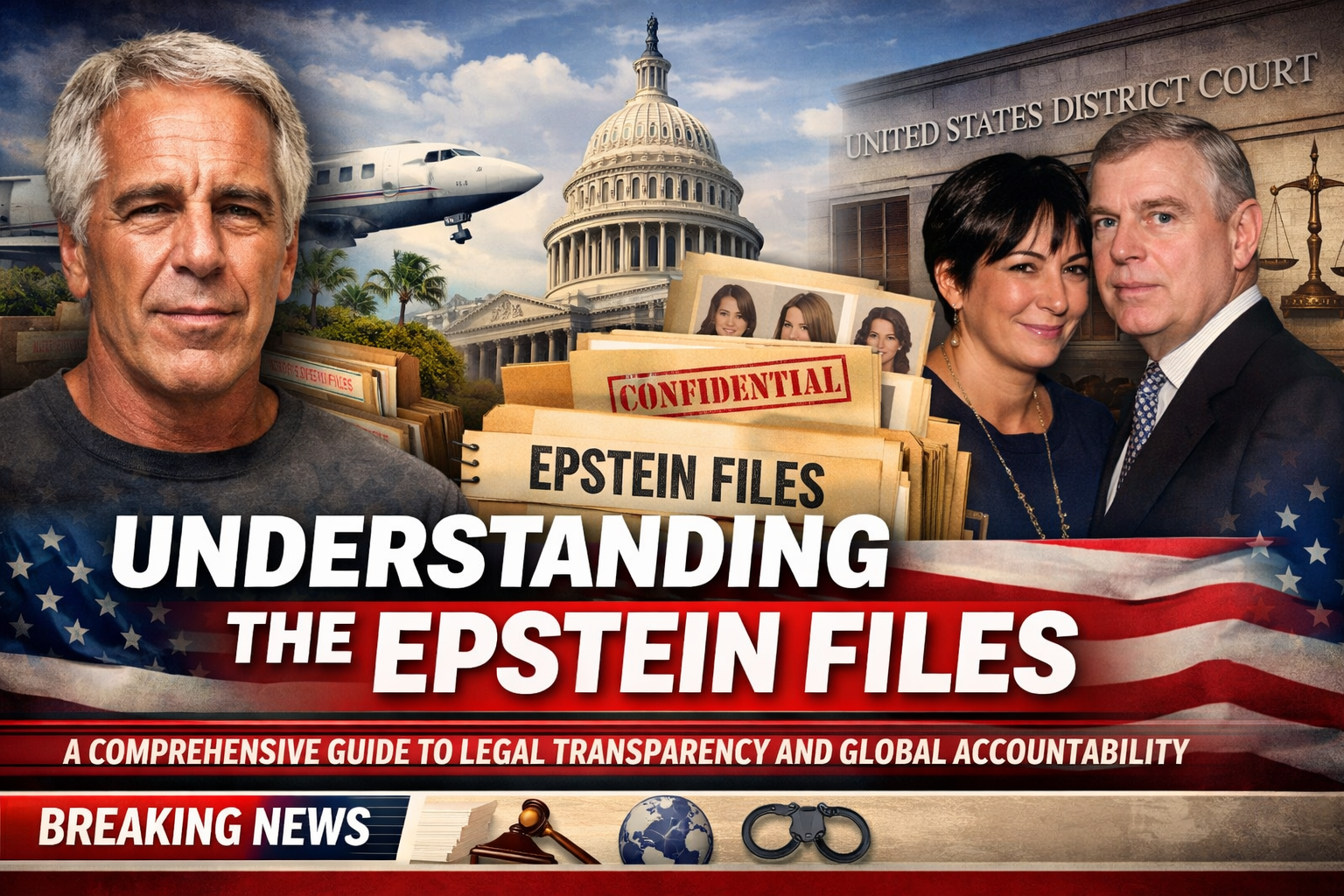
💡 Who is Epstein files?
An in-depth exploration of the Epstein files, the legal process of unsealing documents, and the impact on high-profile figures and global accountability.
The intersection of extreme wealth, political power, and legal accountability has rarely been more scrutinized than in the case of the Epstein files. For years, the public has sought clarity on the inner workings of a network that spanned continents and involved some of the most influential figures in the world. The release of court documents, often referred to as the Epstein files, represents a pivotal moment in the pursuit of justice and transparency. This guide aims to explain the significance of these documents, the legal mechanisms behind their release, and the broader implications for society and global leadership.
As per recent industry reports, the unsealing of these records is not merely a matter of public curiosity but a fundamental exercise in judicial transparency. According to global analysts, the documents provide a window into how power can be leveraged and how the legal system responds when high-profile individuals are implicated in complex criminal networks. By understanding the context of these files, we can better grasp the ongoing efforts to ensure that no individual is above the law.

What is the Epstein Files?
The term Epstein files primarily refers to a vast collection of court documents, depositions, and evidentiary materials related to the legal proceedings involving Jeffrey Epstein and his associates. Most of these documents stem from a 2015 civil lawsuit filed by Virginia Giuffre against Ghislaine Maxwell. While the lawsuit was settled years ago, the documents remained under seal for a significant period to protect the privacy of various individuals mentioned within them.
The process of unsealing these files involves a careful legal balancing act. Judges must weigh the public interest in transparency against the privacy rights of third parties who may be mentioned in the documents but are not accused of any wrongdoing. The gradual release of these records has provided a detailed look at the social and professional circles surrounding Jeffrey Epstein, revealing the extent of his connections across various sectors including finance, politics, and technology.
Who is Jeffrey Epstein?
Who is Jeffrey Epstein? He was an American financier who became a focal point of global attention due to his involvement in a massive sex trafficking ring. His ability to cultivate relationships with some of the most powerful people in the world is a central theme of the ongoing investigations. Experts suggest that his social network served as both a shield and a mechanism for his illegal activities. The fascination with the Epstein files often stems from the desire to understand how such a network could exist for so long without facing significant legal consequences.
His eventual arrest and subsequent death in a federal detention center left many questions unanswered. The Epstein files are seen by many as a way to fill those gaps, providing the evidence and testimonies that were never fully aired in a public trial. For the victims, the release of these documents is a crucial step toward validation and justice.

Why is the distancing of high profile figures significant?
One of the most discussed aspects of the Epstein files is the mention of high-profile individuals who were part of his social or professional circle. Recent reports have highlighted how figures like Warren Buffett have distanced themselves from others, such as Bill Gates, in the wake of revelations regarding past associations with Epstein. Why is this distancing significant? It reflects a broader shift in how corporate and philanthropic leaders manage their reputations in an era where transparency is demanded by the public.
According to global analysts, the association with Jeffrey Epstein has become a significant liability. Even in cases where no illegal activity is alleged, the mere connection to such a controversial figure can lead to a loss of trust and credibility. This has led to a reassessment of social circles and professional partnerships among the global elite. The Epstein files act as a catalyst for this reassessment, forcing individuals and organizations to account for their past interactions and the due diligence they performed at the time.
How does the document unsealing process work?
The unsealing of court records is a structured legal process governed by specific rules and precedents. How does the document unsealing process work? It usually begins with a motion filed by a party to the case or an outside entity, such as a news organization, arguing that the public has a right to see the records. The court then reviews the documents to determine if there is a compelling reason to keep them secret.
In the case of the Epstein files, the court had to consider the privacy of victims and non-parties. This often involves redacting names or specific details that could lead to the identification of innocent individuals. The process is slow and methodical, ensuring that the release of information does not cause undue harm while still serving the interests of justice and transparency. Legal experts suggest that this case will set important precedents for how high-profile sensitive documents are handled in the future.

Benefits of public transparency in high profile cases
The release of the Epstein files offers several benefits to society and the legal system. These include:
- Accountability: Transparency ensures that individuals who may have facilitated or ignored illegal activities are held accountable in the court of public opinion, if not in a court of law.
- Justice for Victims: For those harmed by the network, the public acknowledgement of the facts is a form of validation and a step toward healing.
- Systemic Reform: Understanding how such a network operated can lead to changes in laws and regulations to prevent similar occurrences in the future.
- Institutional Trust: When the legal system demonstrates that it can handle cases involving the powerful with transparency, it helps to restore public trust in judicial institutions.
Common mistakes and misconceptions about the files
Despite the high level of interest, there are several common misconceptions regarding the Epstein files. One major mistake is assuming that every person named in the documents is guilty of a crime. The files include a wide range of names, including witnesses, service providers, and social acquaintances who may have had no knowledge of Epstein's illegal activities. It is crucial to distinguish between being mentioned in a document and being accused of a crime.
Another misconception is that the files contain a single smoking gun that will solve all mysteries surrounding the case. In reality, the files are a collection of thousands of pages of legal jargon, emails, and testimonies that require careful analysis to understand the full picture. Experts suggest that the true value of the files lies in the cumulative evidence they provide rather than any single revelation.

Pro tips for navigating complex legal documents
For those interested in analyzing the Epstein files or similar legal releases, experts offer several insights:
First, always look for the context of a mention. A name appearing in an address book or a flight log does not necessarily indicate a close relationship or involvement in illegal acts. Second, pay attention to the source of the information within the files. Is it a direct deposition, a hearsay statement, or a piece of physical evidence? The weight of the information depends heavily on its source and reliability.
Third, follow the analysis of reputable legal experts and journalists who have the expertise to interpret complex legal filings. They can provide the necessary background and explain the significance of specific findings within the broader legal framework. Finally, maintain a critical perspective and avoid jumping to conclusions based on sensationalized headlines.
FAQ Section
What is the primary source of the Epstein files?
The primary source is the legal documentation from the 2015 civil lawsuit filed by Virginia Giuffre against Ghislaine Maxwell, along with other related criminal and civil proceedings.
Who is responsible for deciding which documents are unsealed?
A federal judge oversees the process, reviewing each document to balance the public interest in transparency against the privacy rights of individuals mentioned.
Why is the public so interested in these specific files?
The interest stems from the involvement of high-profile global figures and the desire to understand how a massive criminal network could operate among the world elite for decades.
How does the release of these files impact ongoing investigations?
While many of the primary figures are no longer facing trial, the information in the files can provide leads for investigators looking into potential co-conspirators or related criminal activities.
What is the long term impact of the Epstein files on the legal system?
Experts suggest that this case will influence future decisions regarding the unsealing of documents in high-profile cases, potentially leading to greater transparency in matters of significant public concern.
Conclusion
The Epstein files represent a landmark moment in the intersection of law, power, and public right-to-know. By unsealing these documents, the legal system provides a necessary level of transparency that challenges the idea that wealth and influence can shield individuals from scrutiny. As we continue to process the information revealed in these records, the focus remains on accountability for the past and the prevention of such systemic failures in the future. Ultimately, the files serve as a reminder that the pursuit of justice is a continuous process that requires vigilance, transparency, and a commitment to the truth.
Important Note: Financial Disclaimer: This content is for educational purposes only and does not constitute professional financial advice. Always consult with a certified financial planner before making investment decisions. Legal Disclaimer: This article provides general information and is not legal advice. For specific legal issues, please consult with a qualified attorney.




Comments 0
Leave a Reply
Your email address will not be published. Required fields are marked *
Be the first to share your thoughts!