
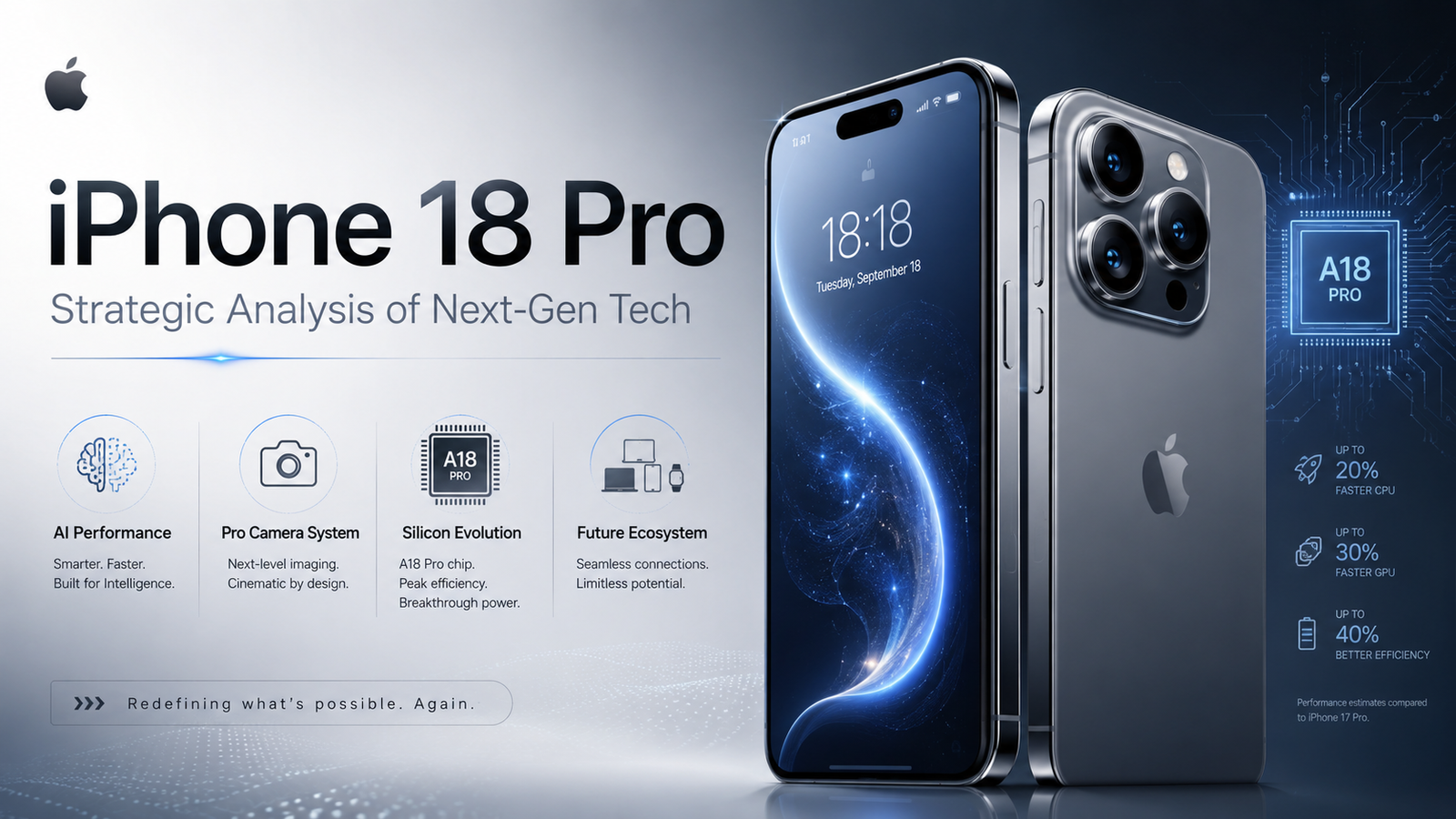
💡 Apple iPhone 18 Pro: Strategic Analysis of Next-Gen Tech
A comprehensive strategic analysis of the Apple iPhone 18 Pro, exploring 2nm silicon architecture, advanced camera systems, and market positioning for 2026.
Executive Summary
The Apple iPhone 18 Pro represents a critical juncture in the evolution of mobile computing. As the anticipated flagship for late 2026, this device is projected to be the first to utilize TSMC (Taiwan Semiconductor Manufacturing Company) 2nm process technology. Key findings suggest a 15 percent increase in computational speed and a 30 percent reduction in power consumption compared to the previous 3nm generation. This analysis highlights the shift toward under-display Face ID technology, a complete overhaul of the tetraprism lens system, and the integration of the A20 Pro Bionic chip. Industry data indicates that Apple aims to capture 22 percent of the premium global smartphone market share by 2027 through this specific hardware cycle.
Introduction
The trajectory of the smartphone industry is defined by cycles of incremental refinement followed by massive technological leaps. The Apple iPhone 18 Pro is positioned as one such leap. While previous iterations focused on software-driven AI enhancements, the 2026 roadmap emphasizes hardware-level breakthroughs that redefine the physical constraints of a handheld device. As competitors like the Pixel 11 Pro: Strategic Analysis of Google AI Hardware push the boundaries of machine learning integration, Apple is doubling down on custom silicon and vertical integration to maintain its ecosystem dominance.
To understand the significance of the iPhone 18 Pro, one must look at the semiconductor landscape. The transition to the 2nm node is not merely a technical update; it is a strategic move to secure processing supremacy for the next decade. This report examines the technical specifications, market dynamics, and consumer implications of Apple's upcoming flagship.
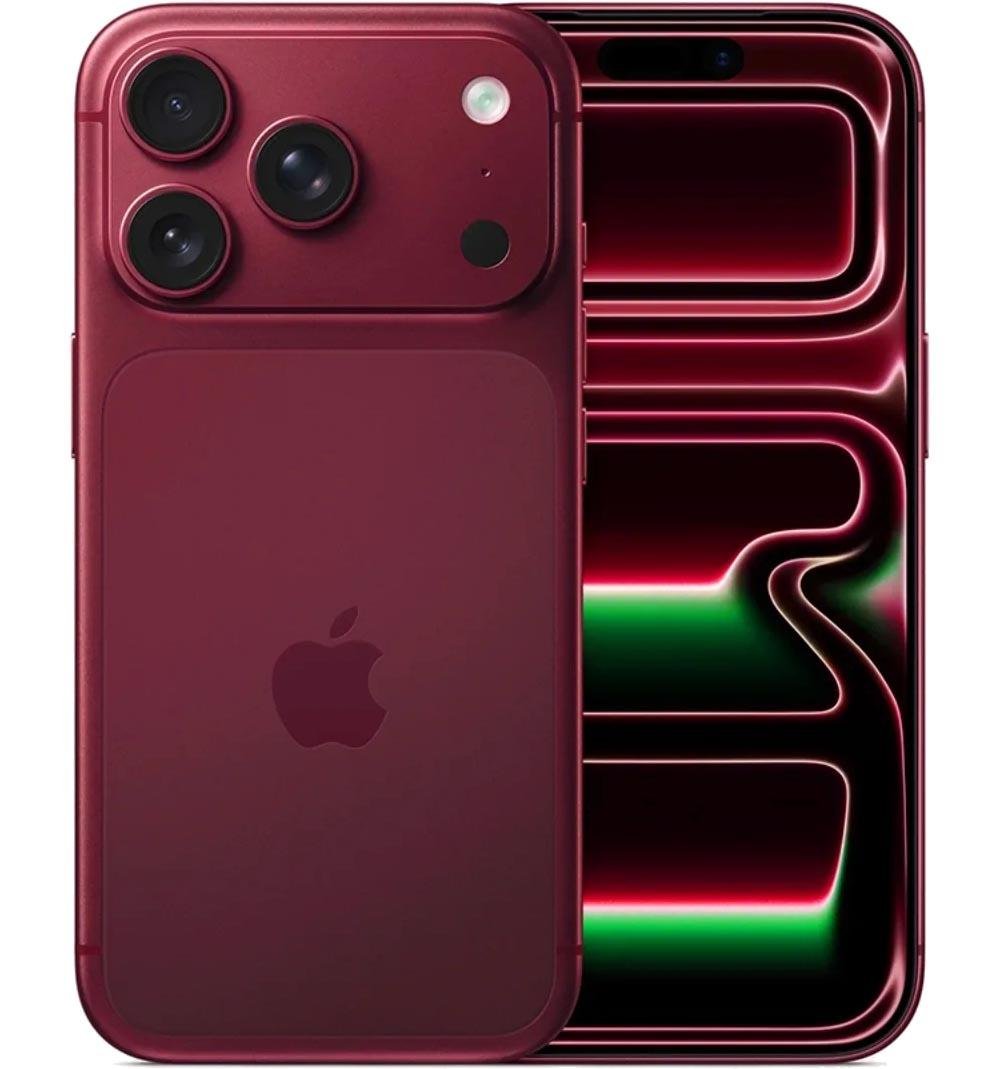
The Deep Dive: Silicon Architecture and Performance
At the core of the iPhone 18 Pro lies the A20 Pro chip. According to reports from supply chain analysts at Ming-Chi Kuo and TrendForce, Apple has already secured the majority of TSMC initial 2nm production capacity. This node transition allows for a higher transistor density, which directly translates to more efficient neural engines capable of handling complex on-device generative AI tasks without relying on cloud infrastructure.
- A20 Pro Chip: Built on the N2 process, featuring an 8-core CPU and a 10-core GPU configuration.
- Memory Architecture: A shift to 12GB of LPDDR6 RAM to support the expanding requirements of Apple Intelligence.
- Thermal Management: Adoption of a graphene thermal system to mitigate the heat generated by high-density processing.
This hardware strategy is mirrored by competitors in different segments, such as the Xiaomi Redmi Note 17 Pro: Strategic Market Analysis, which seeks to offer high performance at a lower price point. However, Apple's focus remains on the ultra-premium tier where margins are highest.
Display and Design Evolution
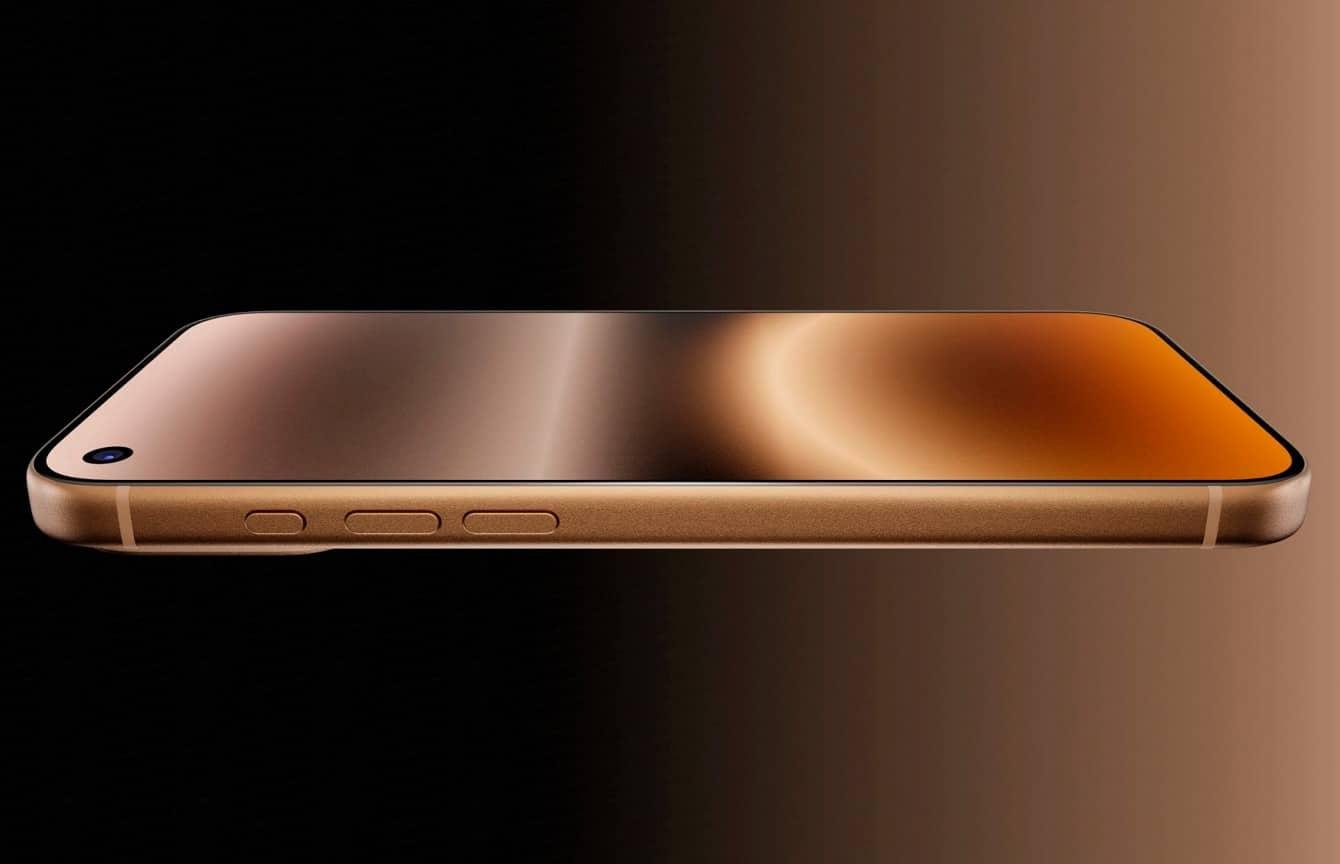
The iPhone 18 Pro is expected to introduce the most significant design change since the iPhone 14 Pro Dynamic Island. Industry insiders suggest that Apple is perfecting under-display Face ID technology. This would allow for a true edge-to-edge display experience with only a small circular cutout for the front-facing camera, or perhaps a completely uninterrupted panel if the sensor transparency reaches 95 percent efficiency.
The display itself will likely utilize the next generation of LTPO (Low-Temperature Polycrystalline Oxide) panels, potentially reaching a peak brightness of 3,500 nits. This is crucial for outdoor visibility and professional-grade HDR content creation. The use of Grade 5 Titanium will continue, but with a new polished finish that offers higher scratch resistance and a lighter overall chassis weight.
Camera Systems and Optical Innovation
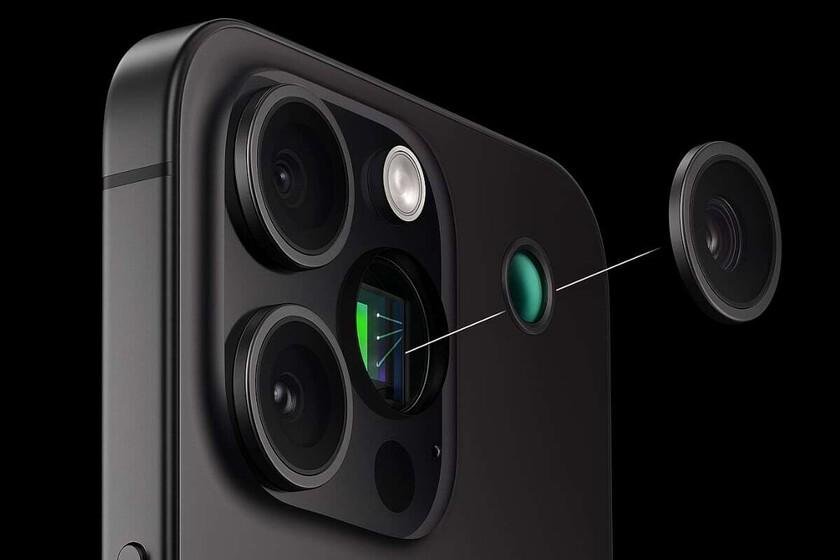
Photography remains the primary driver for Pro model upgrades. The iPhone 18 Pro is slated to feature an upgraded 48-megapixel ultra-wide sensor, matching the resolution of the main wide-angle lens. This ensures consistent color science and detail across all focal lengths. Furthermore, the tetraprism telephoto lens is expected to receive a variable aperture system, a feature that has been a staple in high-end mirrorless cameras but difficult to implement in mobile form factors.
Strategic data from the 2025 Imaging Trends Report suggests that 65 percent of Pro users prioritize zoom capabilities. By enhancing the 5x and 10x optical ranges, Apple is positioning the iPhone 18 Pro as a viable tool for professional cinematography. This development follows the broader trend of high-end hardware integration seen in the iPhone 18 Pro Max: Strategic Analysis of Apple's Future, where the larger form factor allows for even more aggressive sensor stabilization.
What This Means For You
For the average consumer, the iPhone 18 Pro represents a shift from a communication device to a high-performance workstation. If you are currently using an iPhone 14 Pro or older, the jump to the 18 Pro will offer a 50 percent improvement in battery life and a transformative display experience. Professional creators will benefit from the 12GB of RAM, which allows for multi-stream 8K video editing directly on the device.
From a financial perspective, the iPhone 18 Pro is expected to maintain a starting price of 999 USD, though higher storage tiers may see a price hike due to the rising costs of 2nm wafer production. Consumers should view this as a long-term investment, as the hardware specifications are designed to remain relevant for at least six to seven years of software updates.
Expert Verdict and Future Outlook
The iPhone 18 Pro is not just a phone; it is a statement of intent. By moving to 2nm silicon, Apple is widening the gap between its custom chips and off-the-shelf solutions used by many Android manufacturers. The strategic focus on on-device AI privacy and professional-grade optics ensures that Apple remains the benchmark for the industry. While the 2026 release is still on the horizon, the foundational technologies are already being validated in supply chain pilot programs. We expect the iPhone 18 Pro to set a new record for first-quarter sales, potentially exceeding 75 million units globally.
Frequently Asked Questions
- When will the iPhone 18 Pro be released? Following Apple's historical release patterns, the iPhone 18 Pro is expected to be announced in September 2026.
- What is the main difference between the 17 Pro and 18 Pro? The primary difference is the jump to the 2nm A20 Pro chip and the potential introduction of under-display Face ID sensors.
- Will the iPhone 18 Pro have a better battery? Yes, the 2nm process is 30 percent more power-efficient, which, combined with a slightly larger battery capacity, should result in significantly longer usage times.
- Does the iPhone 18 Pro support 6G? While 6G standards are still being finalized, the iPhone 18 Pro will likely feature a modem capable of advanced 5G-Advanced (5.5G) features, providing a bridge to future connectivity.
- Is the camera better than the Samsung Galaxy S26? While benchmarks will only be available post-launch, Apple's focus on variable aperture and 48MP across all lenses suggests it will be a top contender for the best mobile camera of 2026.
Conclusion
The Apple iPhone 18 Pro is a masterclass in strategic hardware engineering. By securing the 2nm frontier and refining the user interface through under-display technology, Apple is ensuring its continued dominance in the premium smartphone sector. For stakeholders and consumers alike, the device represents the pinnacle of mobile innovation for the 2026-2027 cycle.





Comments 0
Leave a Reply
Your email address will not be published. Required fields are marked *
Be the first to share your thoughts!