
💡 Apple iPhone 18 Pro: A Strategic Analysis of Mobile Authority
An authoritative deep dive into the Apple iPhone 18 Pro, analyzing the shift to 2nm silicon, under-display Face ID, and its impact on the 2026 smartphone market.
Executive Summary
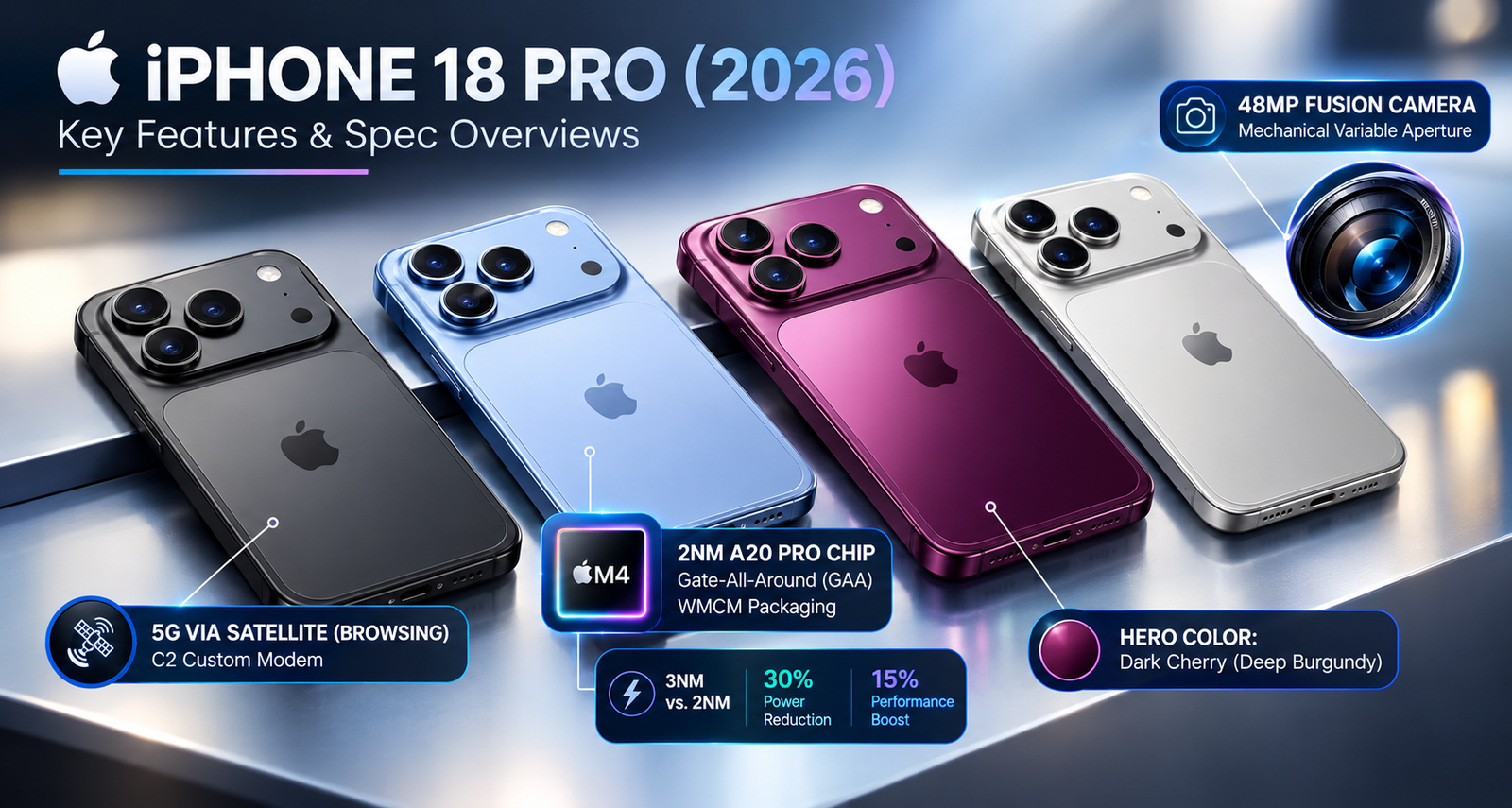
The Apple iPhone 18 Pro represents a critical juncture in the evolution of consumer electronics, marking the anticipated transition to the 2nm semiconductor manufacturing process. According to TSMC's published N2 specifications, the shift from its N3E process can deliver approximately 10 to 15 percent higher performance at the same power level, or 25 to 30 percent lower power consumption at the same performance level. This analysis explores the strategic implications of the iPhone 18 Pro, focusing on its silicon architecture, imaging capabilities, and market positioning. Key findings suggest that Apple could leverage these hardware advancements to strengthen its position in the high-end premium segment, which has become a major contributor to global smartphone revenue despite representing a smaller share of overall unit sales.
Introduction
The trajectory of the smartphone industry is defined by cycles of incremental refinement followed by major architectural shifts. The iPhone 18 Pro, slated for a 2026 release, is positioned as the latter. As competitors like the Samsung S26 FE attempt to capture the value-conscious premium market, Apple is continuing to focus on vertical integration and proprietary hardware. This strategic pivot is not merely about faster processing speeds; it is about creating a hardware environment capable of supporting advanced on-device artificial intelligence and next-generation Apple Intelligence features. By controlling the stack from the silicon level up to the operating system, Apple maintains a competitive moat that remains difficult for rivals to breach.
THE DEEP DIVE: Architecture and Innovation
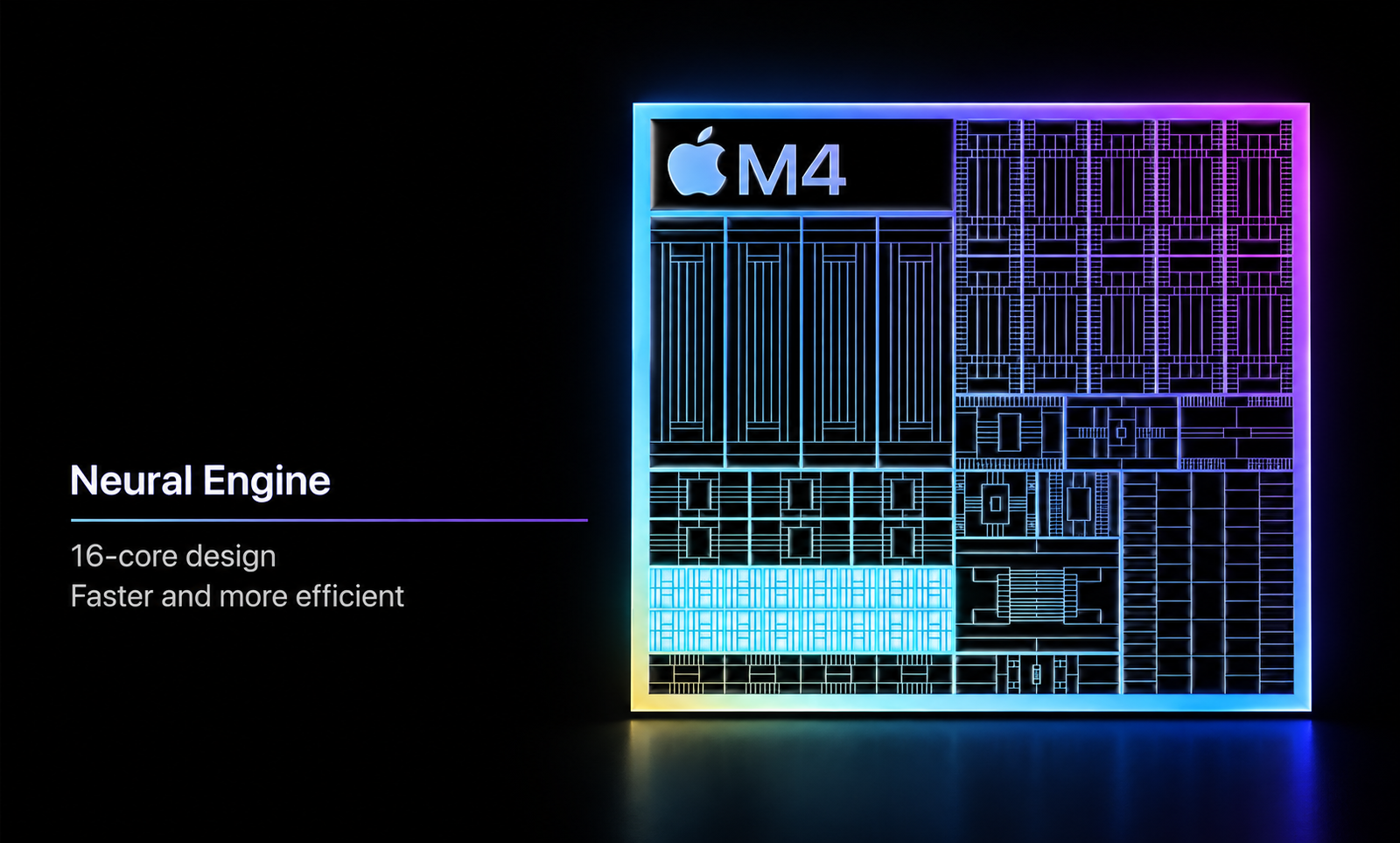
The iPhone 18 Pro is widely expected to feature Apple's next-generation A20 Pro chip, reportedly built using TSMC's 2nm process. The transition to 2nm enables greater transistor density and improved power efficiency, potentially providing more processing capacity for demanding workloads such as on-device AI. This is increasingly important as generative AI requires significant local compute power to deliver lower latency and improved privacy. Apple is expected to optimize the device's thermal management to support sustained performance across AI, gaming, photography, and video workloads, although the exact cooling architecture has not yet been officially confirmed.

In terms of display technology, earlier reports suggested that the iPhone 18 Pro could introduce under-display Face ID. However, more recent reports indicate that Apple may instead focus on reducing the size of the Dynamic Island while retaining visible Face ID components. This would still provide a more immersive display experience without requiring a complete redesign of the front-facing sensor system. While Apple continues to work on technologies that could eventually enable under-display biometric sensors, the exact implementation for the iPhone 18 Pro has not been officially confirmed. Display brightness and efficiency are also expected to remain important areas of refinement for the Pro series.
The imaging system of the iPhone 18 Pro is rumored to feature a triple 48-megapixel rear-camera setup. Current reports suggest that Apple could bring a 48-megapixel sensor to the telephoto camera alongside the main and ultra-wide cameras. A higher-resolution telephoto sensor could provide greater flexibility for computational photography, cropping, and high-resolution zoom, although the final camera specifications remain unconfirmed. As smartphone photography increasingly relies on computational processing, improvements in sensor resolution, image processing, and software algorithms are expected to play an important role in overall image quality.

From a macro-economic perspective, the pricing of the iPhone 18 Pro will be influenced by global labor, component, and manufacturing costs. When examining salary and remuneration trends, rising operational costs across the technology sector could put upward pressure on premium smartphone pricing. However, Apple's scale, purchasing power, and long-term supply-chain relationships can help the company manage some of these pressures. The strategic goal is likely to maintain a strong average selling price while continuing to expand the Pro lineup's appeal in emerging markets such as India and Southeast Asia.
WHAT THIS MEANS FOR YOU
For the average consumer, the iPhone 18 Pro is expected to become an increasingly capable personal computing device. The move to 2nm silicon could improve power efficiency and sustained performance, although the actual battery-life improvement will depend on the complete hardware and software configuration. For professionals who rely on mobile video editing or high-resolution photography, a potential 48-megapixel telephoto camera could provide greater flexibility for cropping, zoom, and post-production. For privacy-conscious users, Apple's continued investment in on-device processing could enable more AI tasks to be handled locally. Display and sensor improvements could also contribute to a more immersive experience for media consumption and gaming.
Expert Verdict and Future Outlook
The iPhone 18 Pro is positioned to be one of the key premium smartphones of the 2026-2027 product cycle. Its success will be measured not just by unit sales, but by Apple's ability to integrate advanced AI capabilities into everyday workflows. As the industry moves toward AI-assisted experiences and increasingly capable on-device processing, smartphone hardware will need to provide sufficient performance and efficiency to support these workloads. Apple's expected adoption of TSMC's 2nm technology could provide a meaningful efficiency advantage, although the scale of any competitive lead remains uncertain. The long-term outlook for the Pro line remains strong, provided Apple continues to advance performance, battery efficiency, imaging, AI capabilities, and sustainable manufacturing.
FAQ: Authoritative Insights
-
When is the iPhone 18 Pro expected to be released? Following Apple's annual product cycle, the iPhone 18 Pro is expected to be unveiled in September 2026, although the exact launch and availability dates depend on Apple's official announcement.
-
Will the iPhone 18 Pro use a 2nm chip? The iPhone 18 Pro is widely expected to use Apple's next-generation A20 Pro chip manufactured with TSMC's N2 (2nm) process, although Apple has not yet officially confirmed the specification.
-
What is the benefit of under-display Face ID? Under-display Face ID could eventually enable a more seamless, edge-to-edge display by reducing visible sensor components. However, current reports suggest that the iPhone 18 Pro may instead use a smaller Dynamic Island.
-
How will the camera improve over previous models? A major rumored upgrade is a 48-megapixel telephoto sensor, which could provide greater flexibility for high-resolution zoom, cropping, and computational photography.
-
Will the price of the iPhone 18 Pro increase? Apple's final pricing has not been confirmed. Higher manufacturing costs associated with advanced semiconductor technology and camera components could contribute to price changes in some markets.
Conclusion
The Apple iPhone 18 Pro is expected to represent an important evolution in smartphone engineering, with a strong focus on silicon efficiency, AI processing, imaging, and hardware-software integration. The potential move to TSMC's 2nm technology, combined with reported camera and display improvements, could strengthen Apple's position in the premium smartphone market. For stakeholders and consumers alike, the device represents the next stage of Apple's approach to high-performance mobile computing, combining advanced processing capabilities with a continued focus on user-centric innovation.





Comments 0
Leave a Reply
Your email address will not be published. Required fields are marked *
Be the first to share your thoughts!