💡 The Architectural Evolution of the Indian Premier League: A Comprehensive Guide to Its History and Format
Explore the comprehensive history and evolving structure of the Indian Premier League (IPL), from its 2008 inception to the current ten-team format and innovative rules.
The Indian Premier League (IPL) is a professional Twenty20 cricket league in India that operates on a franchise-based model, blending international superstars with domestic talent. Since its inception in 2008, the tournament has evolved from a standard eight-team round-robin competition into a sophisticated ten-team league. Its architectural framework is defined by a unique four-stage playoff system designed to reward regular-season consistency, a high-stakes player auction ecosystem, and modern rule adaptations like the 'Impact Player' that have fundamentally altered the tactical depth of the sport.
The Global Phenomenon of the IPL and Its Impact on Modern Cricket
The IPL has transcended the boundaries of sport to become a global cultural and economic powerhouse. By merging the entertainment of Bollywood with the fervor of Indian cricket, it created a product that attracts billions in broadcasting rights. Beyond the finances, the IPL changed the way cricket is played; the league popularized a more aggressive, data-driven approach to the T20 format, forcing traditional cricketing nations to adapt their strategies to keep pace with the innovations born on Indian soil.
The Genesis of Franchise Cricket: How the 2008 Inception Changed the Sporting Landscape Forever
Before 2008, cricket was primarily a game of nations. The Board of Control for Cricket in India (BCCI) launched the IPL following India's victory in the inaugural 2007 T20 World Cup. The concept was revolutionary: city-based franchises owned by corporate giants and film stars. This shift decentralized power from national boards to private owners, offering players unprecedented salaries and creating a year-round calendar for T20 specialists. It was the first time the 'club over country' debate became a reality in the cricketing world.
Decoding the League Phase: Round-Robin Dynamics and the Points Table Hierarchy
In its current ten-team iteration, the IPL uses a modified round-robin format. Teams are divided into two virtual groups of five. Each team plays 14 league matches: twice against the five teams in the other group and once against the four teams in its own group (plus one additional match against a designated rival). Points are awarded as follows:
- Win: 2 points
- No Result/Tie: 1 point
- Loss: 0 points
The hierarchy is determined primarily by points. If teams are level, the Net Run Rate (NRR)—a calculation of runs scored per over versus runs conceded—acts as the primary tie-breaker to determine ranking.
The Path to the Trophy: Understanding the Unique Four-Stage Playoff System
Unlike many leagues that use a simple semi-final knockout, the IPL employs a Page Playoff system. This structure is designed to give the top two teams in the league standings a significant advantage, rewarding their long-term performance over the 14-game season.
- Qualifier 1: The 1st and 2nd ranked teams play. The winner goes straight to the Final.
- Eliminator: The 3rd and 4th ranked teams play. The loser is knocked out.
- Qualifier 2: The loser of Qualifier 1 plays the winner of the Eliminator. The winner goes to the Final.
- Final: The winners of Qualifier 1 and Qualifier 2 compete for the trophy.
Modern Innovations and Rule Changes: From Strategic Timeouts to the Impact Player Revolution
The IPL has never been afraid to experiment. The Strategic Timeout (two per innings) was introduced to allow teams to regroup tactically while providing a window for broadcasters. However, the most significant recent change is the Impact Player Rule. Introduced in 2023, it allows teams to name five substitutes and bring one into the game at any point (replacing a player who has already participated). This has effectively turned T20 into a 12-player-a-side game, allowing teams to lengthen their batting lineups or add an extra specialist bowler depending on the match situation.
Scaling the Spectacle: The Historical Transition from Eight to Ten Franchises
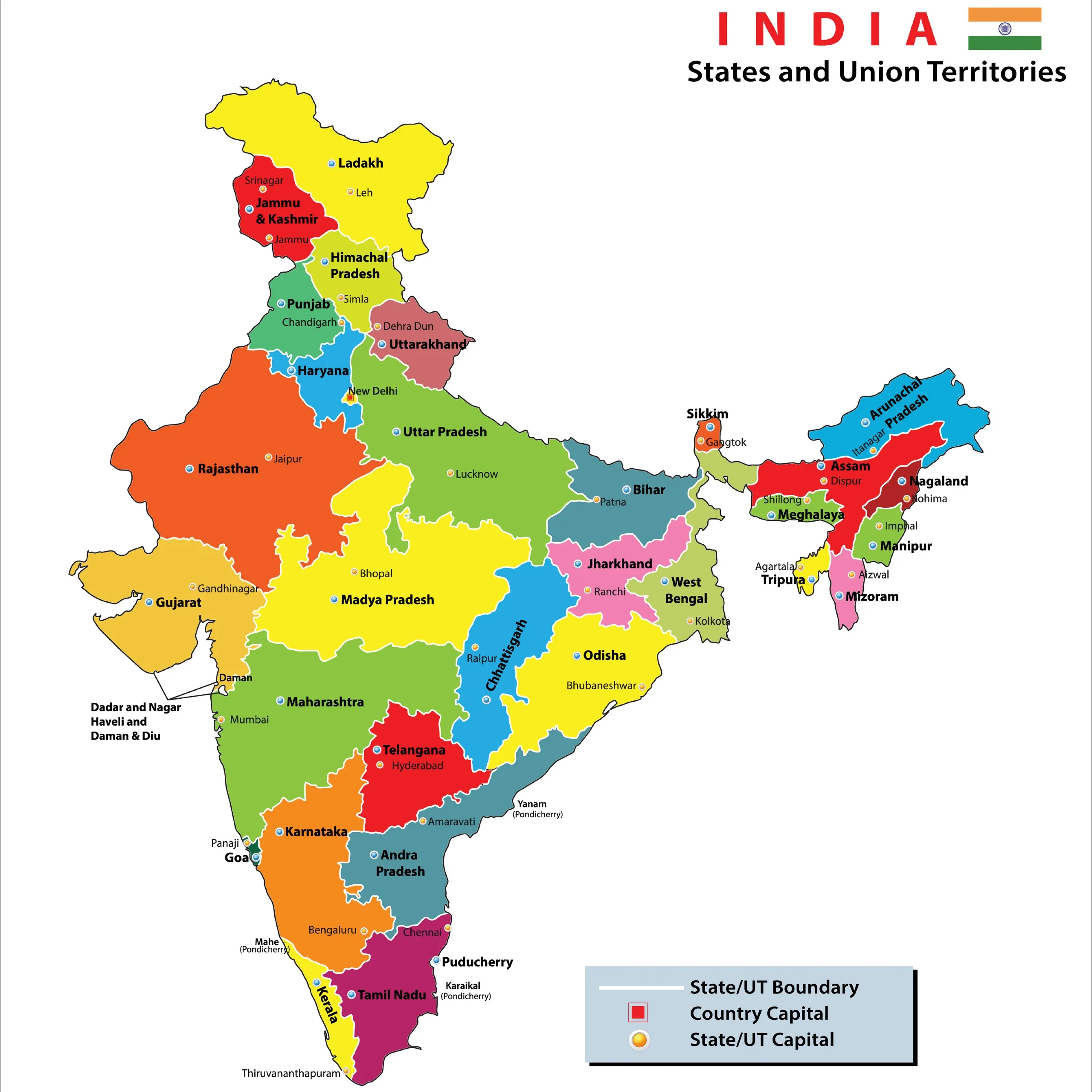
For the majority of its history, the IPL was an eight-team affair. While there were brief expansions in the past (such as the inclusion of Pune Warriors India and Kochi Tuskers Kerala), the league stabilized back at eight for several years. In 2022, the BCCI officially expanded the league to ten teams with the addition of the Gujarat Titans and Lucknow Super Giants. This expansion not only increased the number of matches from 60 to 74 but also deepened the talent pool, giving more domestic Indian players a platform to perform.
The Auction Ecosystem: How the Player Acquisition Model Shapes Team Strategy
The IPL Auction is the league's heartbeat. Unlike the draft system used in American sports, the IPL uses an open English auction where teams bid against each other within a fixed salary cap.
Advantages: It ensures a level playing field where no single team can outspend others indefinitely. It also allows for 'Mega Auctions' every few years, which reshuffles the talent pool and prevents a single team from monopolizing dominance for decades.
Limitations: The auction model can sometimes disrupt team continuity. Fans often find it difficult to see long-term icons move to rival franchises due to budget constraints or retention limit rules.
Defining Success: A Chronological Look at Iconic Champions and Dominant Eras
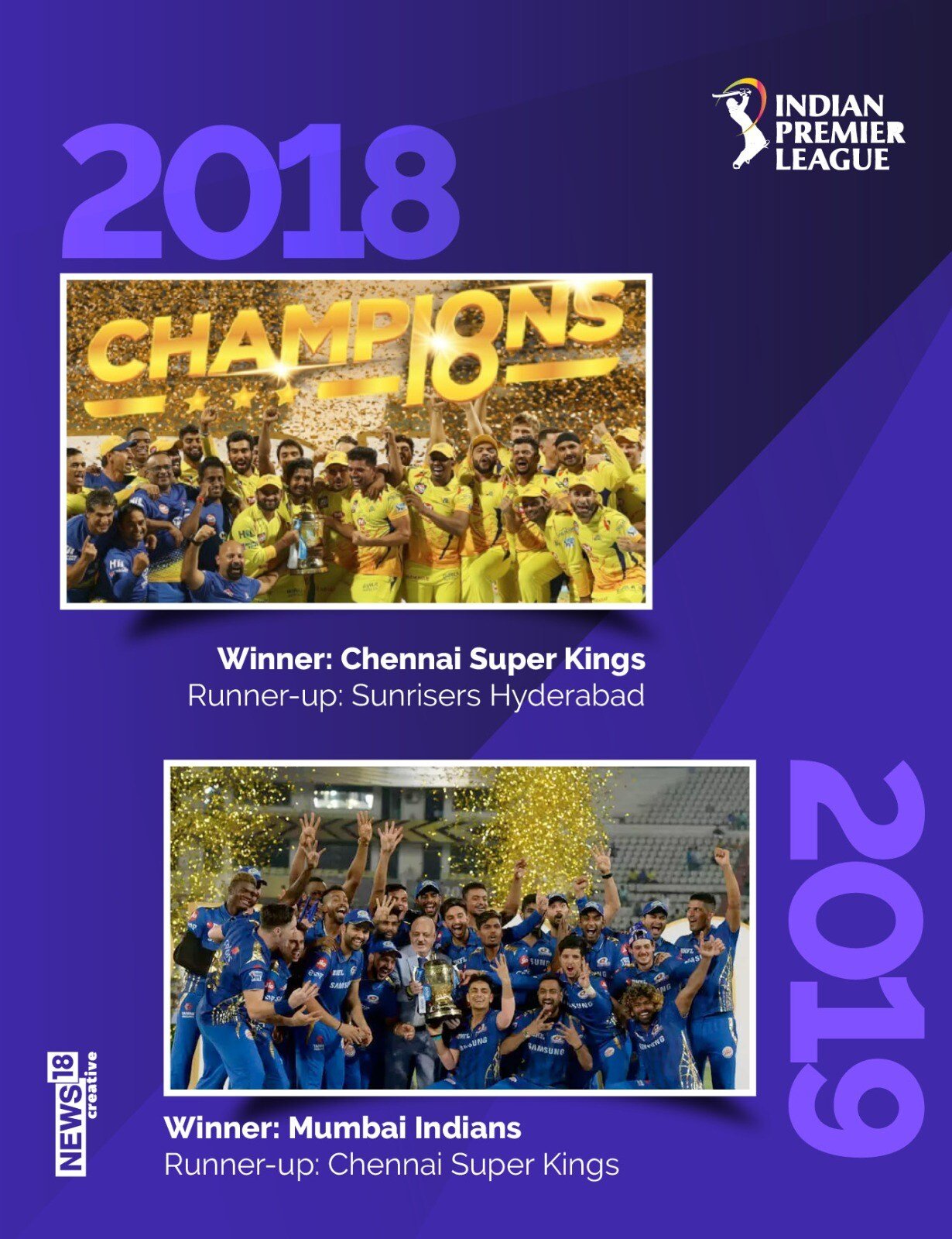
The history of the IPL is defined by eras of dominance. The early years saw the rise of the Chennai Super Kings (CSK) under MS Dhoni, known for their consistency and 'process-driven' approach. This was challenged by the Mumbai Indians (MI), who, under Rohit Sharma, utilized a data-heavy scouting network to win five titles in a decade. While teams like Kolkata Knight Riders (KKR) have found success through spin-heavy strategies, the MI-CSK rivalry remains the definitive narrative of IPL excellence, with both teams sharing the record for the most titles.
FAQ: Essential Insights into IPL Regulations
1. What is the 'Orange Cap' and 'Purple Cap'?
The Orange Cap is awarded to the leading run-scorer of the season, while the Purple Cap goes to the leading wicket-taker. These caps are worn on the field by the current leaders throughout the tournament.
2. How many overseas players can be in a playing XI?
A team can field a maximum of four overseas players in their starting eleven. This rule is designed to ensure the development of local Indian talent.
3. What happens if a league match ends in a tie?
If a match is tied after both innings, a 'Super Over' is played. Each team gets one over (6 balls) to score as many runs as possible. If the Super Over is also tied, subsequent Super Overs are played until a winner emerges.
4. What is the DRS rule in IPL?
Each team is allowed two unsuccessful Decision Review System (DRS) requests per innings. In a recent update, players can now also use DRS to challenge Wide and No-ball calls by the on-field umpires.
Conclusion
The architectural evolution of the IPL from a bold experiment in 2008 to the world's richest cricket league is a testament to its ability to adapt. By balancing tradition with radical innovations like the Impact Player rule and maintaining a competitive balance through the auction system, the IPL has secured its future as the blueprint for franchise sports globally. As it continues to expand its window in the international cricketing calendar, the league's legacy remains its unique ability to turn domestic cricketers into household names overnight.





Comments 0
Leave a Reply
Your email address will not be published. Required fields are marked *
Be the first to share your thoughts!