
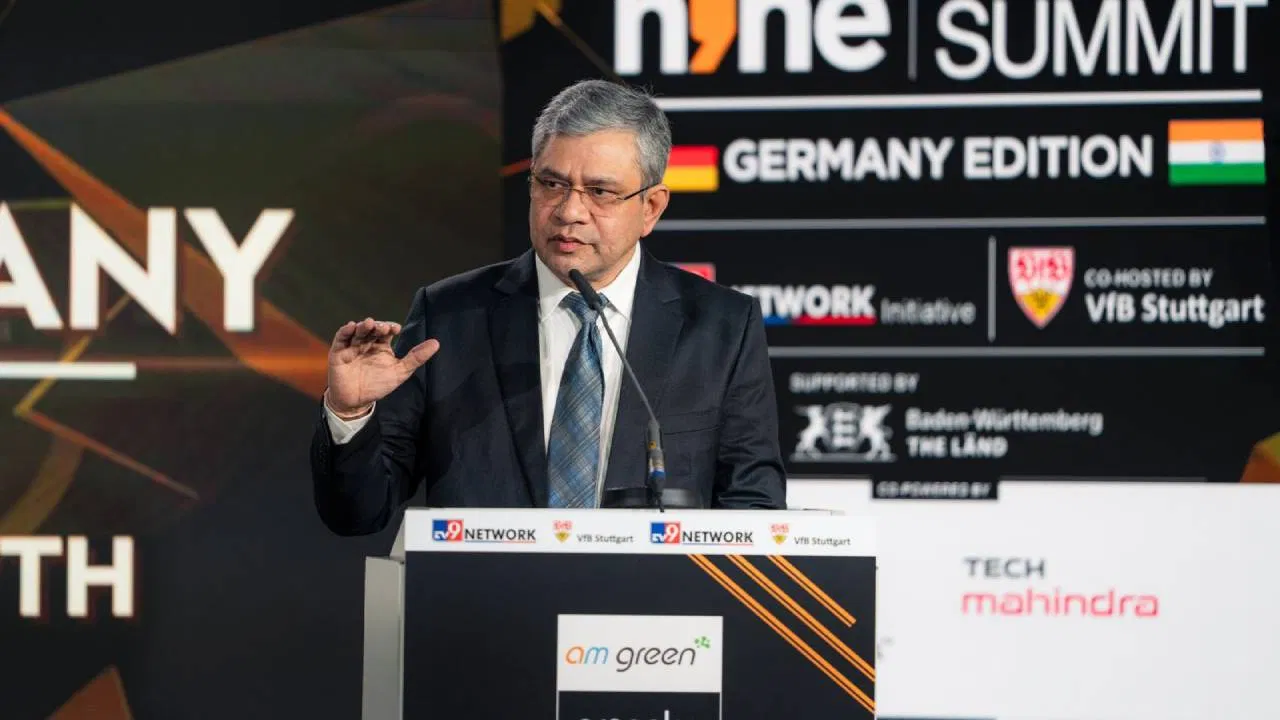
💡 Ashwini Vaishnaw: Strategic Analysis of India's Digital and Infrastructure Growth
A comprehensive analysis of Ashwini Vaishnaw’s leadership in India’s railways, electronics, and digital infrastructure, featuring data-driven insights and policy impact.
Executive Summary
Ashwini Vaishnaw stands as a pivotal figure in India's modern governance, managing three critical portfolios: Railways, Communications, and Electronics and Information Technology. This strategic analysis highlights his role in spearheading the 10 billion dollar India Semiconductor Mission and the modernization of the Indian Railways through a 2.52 lakh crore INR capital outlay. Data indicates that under his leadership, India achieved the world's fastest 5G rollout, with over 435,000 base stations deployed within 15 months. His background as a Wharton MBA and former IAS officer provides a unique blend of bureaucratic precision and corporate efficiency, making him a central architect of the India Stack and the nation's digital sovereignty.
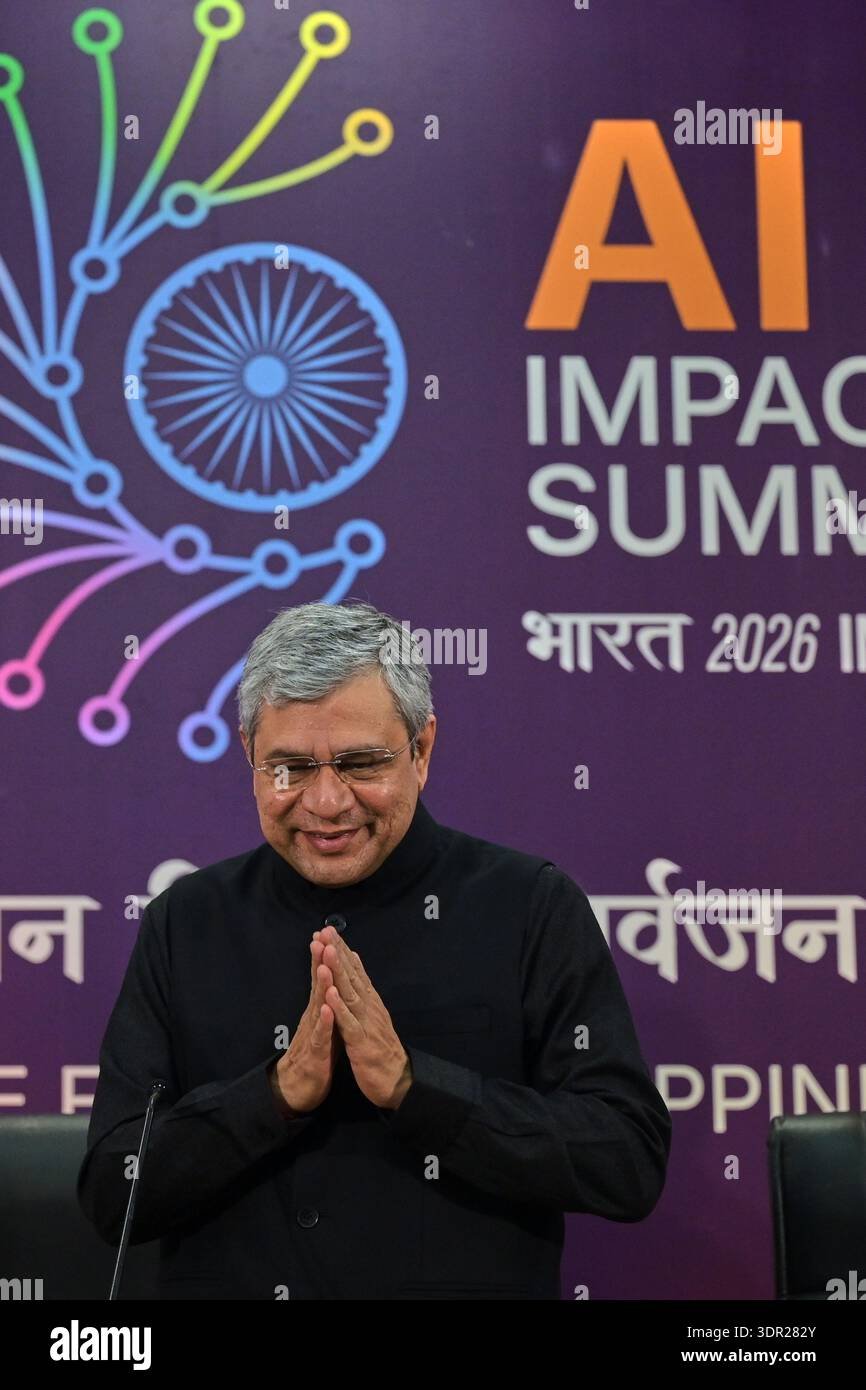
Introduction
In the landscape of Indian politics, the emergence of the technocrat-politician has redefined how infrastructure and technology policies are executed. Ashwini Vaishnaw represents this shift, bringing a data-centric approach to ministries that were historically viewed as slow-moving bureaucracies. His tenure is marked by a focus on high-speed connectivity, indigenous manufacturing, and systemic safety. By integrating advanced technology with legacy systems, Vaishnaw aims to position India as a global hub for electronics manufacturing and a leader in digital public infrastructure. This analysis examines the strategic frameworks he has implemented and their measurable impact on the Indian economy.
THE DEEP DIVE: Strategic Pillars of Leadership
1. The Semiconductor Mission and Electronics Manufacturing
One of the most significant initiatives under Vaishnaw is the India Semiconductor Mission (ISM). With an initial incentive package of 76,000 crore INR (approximately 10 billion USD), the goal is to establish a complete ecosystem for chip design, fabrication, and packaging. According to industry reports, the global semiconductor market is projected to reach 1 trillion USD by 2030, and India aims to capture a significant share of this value chain.
- Micron’s 2.75 billion USD assembly and test facility in Gujarat serves as a cornerstone of this strategy.
- The approval of the Tata-PSMC fabrication unit in Dholera marks India's entry into high-end logic chip manufacturing.
- The Production Linked Incentive (PLI) scheme for large-scale electronics manufacturing has seen mobile phone exports surge to over 15 billion USD in the 2023-24 fiscal year.
This shift is not merely about production but about moving up the value chain. By focusing on design-led manufacturing, the ministry is addressing long-term economic resilience. This approach aligns with broader Ministerial Leadership: A Strategic Analysis of Governance where technical expertise meets political will.
2. Railway Modernization and Safety Systems
The Indian Railways is undergoing its most significant transformation since independence. Vaishnaw has prioritized the 'Vande Bharat' project, which introduces indigenous semi-high-speed trains capable of reaching 160 km/h. As of mid-2024, over 50 pairs of Vande Bharat trains are operational, significantly reducing travel time between major urban centers.
Safety remains a critical data point. The implementation of 'Kavach', an indigenously developed Automatic Train Protection (ATP) system, is a top priority. The system is designed to prevent collisions by automatically applying brakes if the driver fails to do so. The government has allocated significant resources to cover the 10,000 km high-density network with Kavach 4.0. Furthermore, the Amrit Bharat Station Scheme aims to modernize 1,318 stations, enhancing passenger experience through better integration of transport modes.

3. Digital Public Infrastructure (DPI) and 5G
India's digital transformation is anchored by the concept of Digital Public Infrastructure. Vaishnaw has been a vocal advocate for the 'India Stack', which includes Aadhaar, UPI, and DigiLocker. The strategic success of these platforms is evident in the volume of digital transactions, with UPI processing over 13 billion transactions per month in 2024. This digital foundation influences Salary and Remuneration Trends: A Strategic Global Analysis as the gig economy and remote work capabilities expand across the subcontinent.
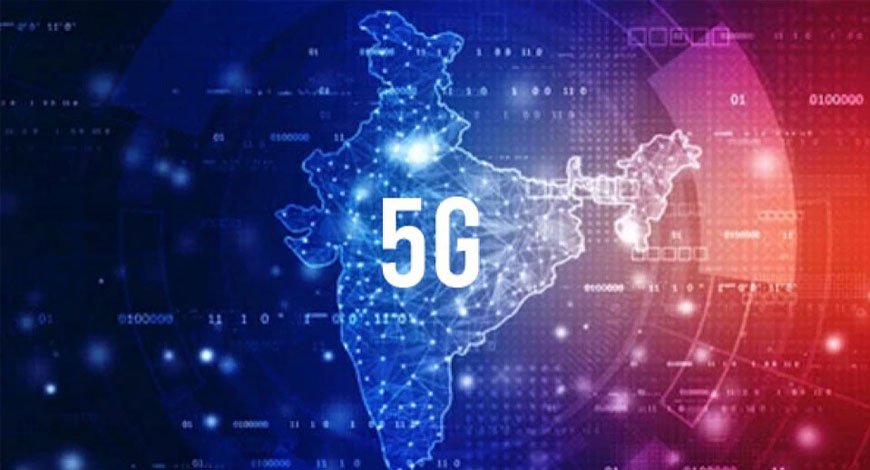
The 5G rollout in India has been a case study in speed and efficiency. By streamlining the Right of Way (RoW) permissions and optimizing spectrum auctions, the ministry ensured that 5G services reached over 600 districts within the first year of launch. This infrastructure is essential for the upcoming India AI Mission, which has been granted a budget of 10,372 crore INR to build compute capacity and support startups.
4. The Technocrat Advantage in Governance
Vaishnaw’s leadership style is characterized by a 'First Principles' approach. His experience at the Wharton School and his tenure in the private sector at companies like GE and Siemens allow him to bridge the gap between policy intent and operational reality. He often utilizes real-time dashboards to monitor project progress, a practice that has reduced project gestation periods in the railway sector. This methodology is a departure from traditional administrative styles, focusing on measurable outcomes rather than just budgetary outlays.
WHAT THIS MEANS FOR YOU
For the average citizen and investor, Ashwini Vaishnaw’s policies translate into tangible benefits and opportunities. The modernization of railways means safer and faster travel, reducing the logistical costs for businesses. The push for local electronics manufacturing is creating millions of jobs in the high-tech sector, shifting India from a consumer to a producer of technology. For the youth, the focus on AI and 5G provides a platform for innovation that was previously unavailable. Understanding these shifts helps in making informed decisions regarding career paths in technology and investments in infrastructure-related sectors.
Expert Verdict / Future Outlook
The future of India's infrastructure and digital economy under Vaishnaw appears robust, yet challenges remain. The primary hurdle is the rapid scaling of the semiconductor ecosystem, which requires a consistent supply of ultra-pure water, stable electricity, and a highly skilled workforce. However, the consensus among industry experts is that the foundation laid over the last three years is solid. We expect to see India become a top three global destination for electronics manufacturing by 2030. In the railway sector, the transition to 100 percent electrification and the completion of the Dedicated Freight Corridors (DFC) will likely reduce logistics costs from 14 percent of GDP to approximately 8-9 percent, significantly boosting export competitiveness.
FAQ
- What is Ashwini Vaishnaw's educational background? He is an alumnus of IIT Kanpur and holds an MBA from the Wharton School, University of Pennsylvania. He was also a 1994-batch IAS officer.
- What is the India Semiconductor Mission? It is a specialized business division within the Digital India Corporation aimed at building a vibrant semiconductor and display ecosystem in India with a 10 billion USD incentive plan.
- How many Vande Bharat trains are currently operational? As of 2024, over 100 services (50 pairs) of Vande Bharat Express are operational across various routes in India.
- What is the 'Kavach' system in Indian Railways? Kavach is an indigenous Automatic Train Protection system that prevents accidents by controlling train speed and preventing Signal Passing at Danger (SPAD).
- What is the goal of the India AI Mission? The mission aims to establish a comprehensive AI ecosystem, including a 10,000+ GPU compute stack, an AI marketplace, and support for AI startups with a budget of over 10,000 crore INR.
Conclusion
Ashwini Vaishnaw has successfully transitioned from a high-ranking bureaucrat to a strategic political leader, driving India's most ambitious technology and infrastructure projects. By leveraging data-driven governance and prioritizing indigenous innovation, he is reshaping the nation's economic landscape. The convergence of railways, electronics, and digital communications under his leadership provides a unified vision for a developed India by 2047.





Comments 0
Leave a Reply
Your email address will not be published. Required fields are marked *
Be the first to share your thoughts!