💡 What is Atlas - guadalajara?
Explore the deep history, cultural impact, and tactical evolution of the Atlas vs. Guadalajara rivalry, the oldest and most intense derby in Mexican football.
In the world of international soccer, few rivalries carry the weight, history, and local passion of the clash between Atlas and Club Deportivo Guadalajara, better known as Chivas. This matchup, famously known as El Clasico Tapatio, is the oldest derby in Mexican football. It represents more than just a game: it is a battle for the soul of Guadalajara, the second largest city in Mexico. For fans in the United States and across the globe, understanding the nuances of this rivalry offers a window into the cultural fabric of North American sports.
What is the Atlas vs Guadalajara Rivalry?
The rivalry between Atlas and Guadalajara dates back to 1916, making it a cornerstone of the sport in the Western Hemisphere. While other derbies in Mexico, such as the Clasico Nacional between Chivas and Club America, may garner more national media attention, the Clasico Tapatio is widely considered the most intense at a local level. According to sports historians, the division began as a class distinction. Atlas was traditionally associated with the upper class and the academic elite of Guadalajara, earning them the nickname Los Academicos. Chivas, conversely, became the team of the working class and the people, eventually adopting a policy of only fielding Mexican players, which solidified their status as the most popular team in the country.
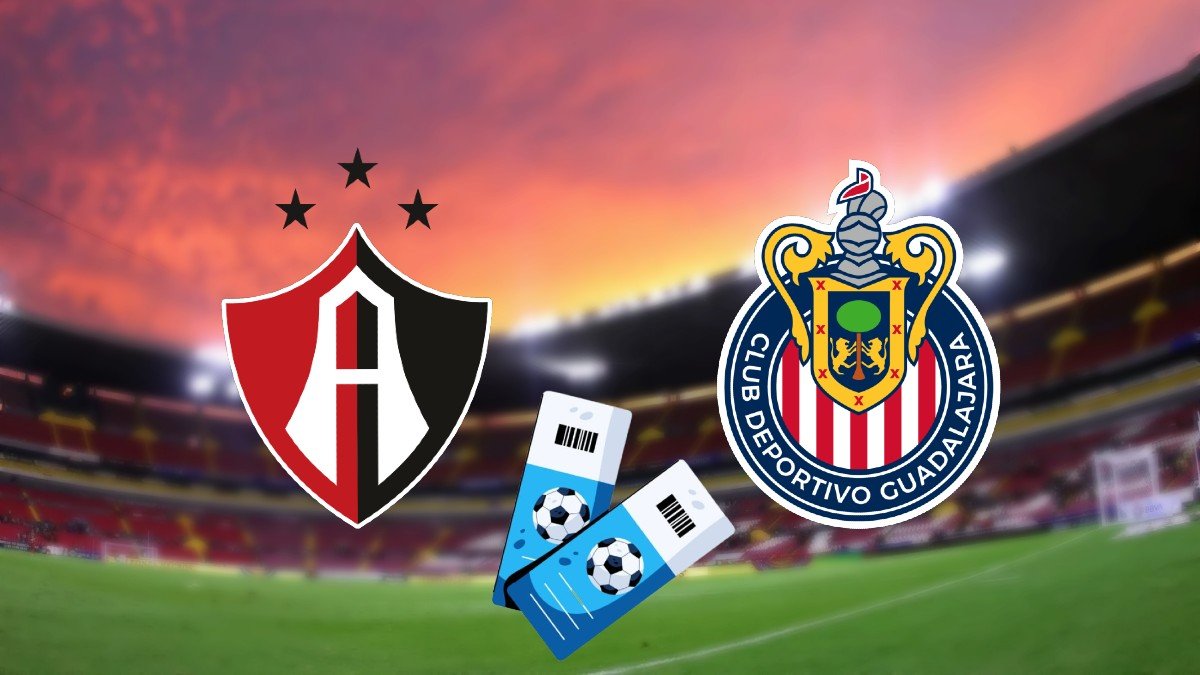
Experts suggest that the longevity of this rivalry is maintained through deep-seated family traditions. In Guadalajara, loyalty to either the Red and Blacks (Atlas) or the Red and Whites (Chivas) is often passed down through generations. This creates an environment where every match, whether a domestic league game or an international exhibition, carries immense emotional weight. As per recent industry reports, the commercial value of this rivalry has expanded significantly into the United States, where the large Mexican diaspora turns out in record numbers to witness these two giants face off in neutral venues.
Where is the Home of El Clasico Tapatio?
While both teams have played in various venues over the last century, the spiritual home of the rivalry is the Estadio Jalisco. For decades, both clubs shared this iconic stadium, which hosted matches during the 1970 and 1986 FIFA World Cups. Sharing a stadium added a unique layer of tension to the rivalry, as fans would occupy the same seats on alternating weekends. In 2010, Chivas moved to their own modern facility, the Estadio Akron, but the Estadio Jalisco remains the fortress of Atlas and a symbol of the rivalry's golden era.
Global analysts note that the move to separate stadiums changed the dynamic of the derby, making the away games feel more hostile and high-stakes. However, the rivalry is no longer confined to the borders of Mexico. Major cities in the United States, such as Los Angeles and Chicago, frequently host these teams for friendly matches. Venues like the BMO Stadium in Los Angeles have become secondary homes for the rivalry, providing a platform for younger players to showcase their talents in front of international scouts and a passionate fan base.
How to Understand the Cultural Impact of the Rivalry?
The cultural impact of Atlas vs Guadalajara extends beyond the pitch. It influences local commerce, art, and social interactions within the state of Jalisco. The rivalry is a primary driver of sports tourism in the region. When the two teams meet, the city of Guadalajara often sees a surge in economic activity, from hotel bookings to restaurant sales. According to global analysts, the rivalry is a key component of the city's branding as a hub for traditional Mexican culture and modern sports excellence.
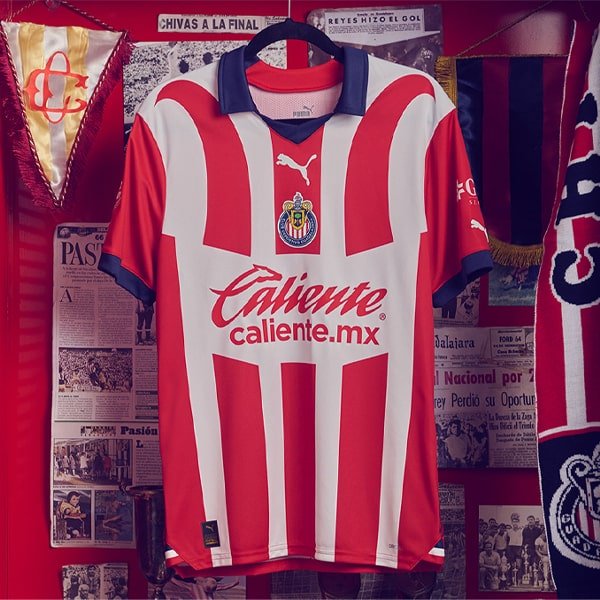
Furthermore, the rivalry serves as a benchmark for the development of Mexican soccer talent. Both clubs are renowned for their youth academies. Atlas, known as La Academia, has produced legendary players like Rafael Marquez and Andres Guardado. Chivas, with its unique all-Mexican policy, is forced to invest heavily in domestic scouting and development. When these teams play, it is often a showcase of the best young talent in North America. This focus on youth ensures that the rivalry remains fresh and competitive, as new stars emerge to take the place of departing veterans.
Why is Youth Development Critical for Atlas and Guadalajara?
The success of both Atlas and Guadalajara is inextricably linked to their ability to produce top-tier talent from within. For Atlas, the academy is a point of pride and a primary source of revenue. By developing players and selling them to European leagues, the club maintains its financial stability. For Chivas, the academy is a necessity. Because they do not sign non-Mexican players, they must ensure their pipeline of local talent is consistently elite to compete with teams that have larger scouting budgets internationally.
Experts suggest that the youth matches between these two clubs are often as intense as the senior team fixtures. These young athletes are raised with the understanding that losing to their cross-town rival is not an option. This pressure prepares them for the rigors of professional soccer and international competition. Recent industry reports indicate that scouts from Major League Soccer (MLS) and European leagues frequently attend these youth derbies to identify the next generation of stars.

What are the Key Differences Between the Two Clubs?
To fully appreciate the rivalry, one must understand the distinct identities of the two organizations. Chivas is arguably the most famous club in Mexico. Their commitment to playing only with Mexican nationals has made them a symbol of national identity. This policy gives them a massive following, but it also presents significant challenges in a globalized transfer market where other teams can sign players from anywhere in the world.
Atlas, on the other hand, has historically been the underdog. For over 70 years, the club went without a league title, a drought that ended in 2021. This long period of struggle forged a fan base known for its loyalty and resilience, often referred to as La Fiel (The Faithful). Atlas fans take pride in their team's style of play and their commitment to the academy, even when the results on the scoreboard are not in their favor. The contrast between the massive, national popularity of Chivas and the local, gritty identity of Atlas is what makes the Clasico Tapatio so compelling.
How to Experience a Match Between Atlas and Guadalajara?
For fans looking to experience this rivalry firsthand, there are several steps to ensure a safe and enjoyable experience. Whether the match is held in Guadalajara or at a neutral site in the United States, the atmosphere is guaranteed to be electric. Here is a guide to making the most of the event:
- Plan Ahead: Tickets for the Clasico Tapatio sell out quickly. It is essential to monitor official club websites and authorized ticket vendors weeks in advance.
- Understand the Venue: If the match is at Estadio Jalisco, expect a more traditional, high-intensity atmosphere. If it is at Estadio Akron, the facilities are more modern, but the traffic can be challenging.
- Embrace the Culture: Arrive early to enjoy the pre-match festivities. In Guadalajara, this often involves traditional food like tortas ahogadas and live music.
- Respect the Rivalry: While the passion is high, it is important to remain respectful of opposing fans. Security is usually tight at these matches to ensure a family-friendly environment.

Common Mistakes When Following Mexican Soccer
Many international observers make the mistake of assuming that the Clasico Nacional (Chivas vs America) is the only match that matters in Mexico. While that game has a larger television audience, it lacks the concentrated, local animosity of the Clasico Tapatio. Another common error is underestimating the quality of the youth players. Many fans focus only on the veteran stars, but in matches between Atlas and Guadalajara, it is often the teenagers from the academies who decide the outcome.
Additionally, some fans believe that friendly matches played in the United States are less important. On the contrary, these matches are vital for the clubs' international branding and provide a rare opportunity for the US-based fan base to connect with their teams. The intensity on the field remains high, as players are always fighting for a spot in the starting lineup for the regular season.
Pro Tips for New Fans
If you are new to following the Atlas vs Guadalajara rivalry, here are some expert insights to help you navigate the landscape:
- Follow the Academy News: Keep an eye on the U-20 and U-18 results. The stars of tomorrow's derby are playing there today.
- Learn the Chants: Much of the atmosphere is driven by the organized supporter groups, known as barras bravas. Learning the history of their songs adds depth to the viewing experience.
- Watch the Midfield Battle: Tactically, these matches are often won or lost in the center of the pitch. Both teams prioritize ball retention and quick transitions, making the midfield a tactical chess match.
- Monitor the Transfer Windows: Because Chivas can only sign Mexicans, their transfer activity often involves trying to lure top players away from Atlas or other Mexican clubs, which adds another layer of drama to the rivalry.
Frequently Asked Questions
What is the oldest rivalry in Mexican soccer?
The oldest rivalry in Mexican soccer is El Clasico Tapatio, contested between Atlas and Guadalajara (Chivas). The first official match between the two occurred in 1916.
Why does Chivas only play with Mexican players?
The policy is a long-standing tradition intended to promote national talent and serve as a symbol of Mexican identity. It has been a core part of the club's philosophy for nearly its entire history.
What does the term Tapatio mean?
Tapatio is a demonym for someone or something from the city of Guadalajara, Mexico. Therefore, El Clasico Tapatio translates to the Guadalajara Derby.
Which team has won more titles, Atlas or Chivas?
Historically, Chivas has won significantly more league titles than Atlas. However, Atlas has seen a resurgence in recent years, winning back-to-back titles in 2021 and 2022.
Are Atlas and Guadalajara matches safe to attend?
Yes, matches are generally safe as long as fans follow stadium rules and respect security protocols. Both clubs and local authorities work together to ensure a safe environment for families and international visitors.
Conclusion
The rivalry between Atlas and Guadalajara is a testament to the enduring power of local sports traditions. It is a clash of philosophies, social classes, and historical legacies that continues to captivate fans across North America. By focusing on youth development and maintaining their unique identities, both clubs ensure that El Clasico Tapatio remains a vital and exciting part of the global soccer landscape. Whether played in the historic Estadio Jalisco or the modern stadiums of the United States, this derby is a celebration of the passion and skill that define Mexican football.
Related Media
Quick View: The Legacy of El Clasico Tapatio: An In-Depth Guide to the Atlas and Guadalajara Rivalry



Comments 0
Leave a Reply
Your email address will not be published. Required fields are marked *
Be the first to share your thoughts!