

💡 Who is Australia housing tax reform?
A comprehensive guide exploring the complexities of Australian housing tax reform, its effect on property supply, and what investors need to know about the 3 billion dollar tax fallout.
Understanding Australia Housing Tax Reform and Its Impact on Property Markets
The Australian property market is currently at a crossroads, where the intersection of government policy and economic necessity creates a complex environment for homeowners and investors alike. As the nation grapples with housing affordability and supply shortages, the conversation around tax reform has become increasingly prominent. Changes in property taxation policies in Australia can directly impact housing supply, property prices, and overall market stability, especially in a time of rising demand and limited availability. This guide provides a deep dive into the mechanics of housing tax reform and what it means for the future of the Australian landscape.
Housing tax reform generally refers to changes in the way the government collects revenue from property transactions, ownership, and investment profits. These changes often focus on areas such as land tax, stamp duty, negative gearing, and capital gains tax discounts. Recent policy discussions suggest that certain tax changes could significantly influence market behavior, potentially leading to an estimated $3 billion economic impact and reducing the number of new housing projects entering the market. Understanding these dynamics is essential for anyone looking to navigate the Australian real estate sector effectively.
Real-World Example of Policy Impact
For example, in New South Wales, discussions around replacing stamp duty with an annual land tax have already influenced buyer decisions. Some buyers prefer lower upfront costs, while others are cautious about long-term tax commitments. This shows how even proposed reforms can affect market behavior.
What is Australia housing tax reform?
At its core, Australia housing tax reform is a policy tool used by state and federal governments to achieve social and economic objectives. These objectives often include improving housing affordability for first home buyers, generating consistent revenue for public infrastructure, and curbing speculative investment that may drive prices to unsustainable levels. While these reforms aim to improve long-term stability, they can create short-term uncertainty in property prices and investment activity.
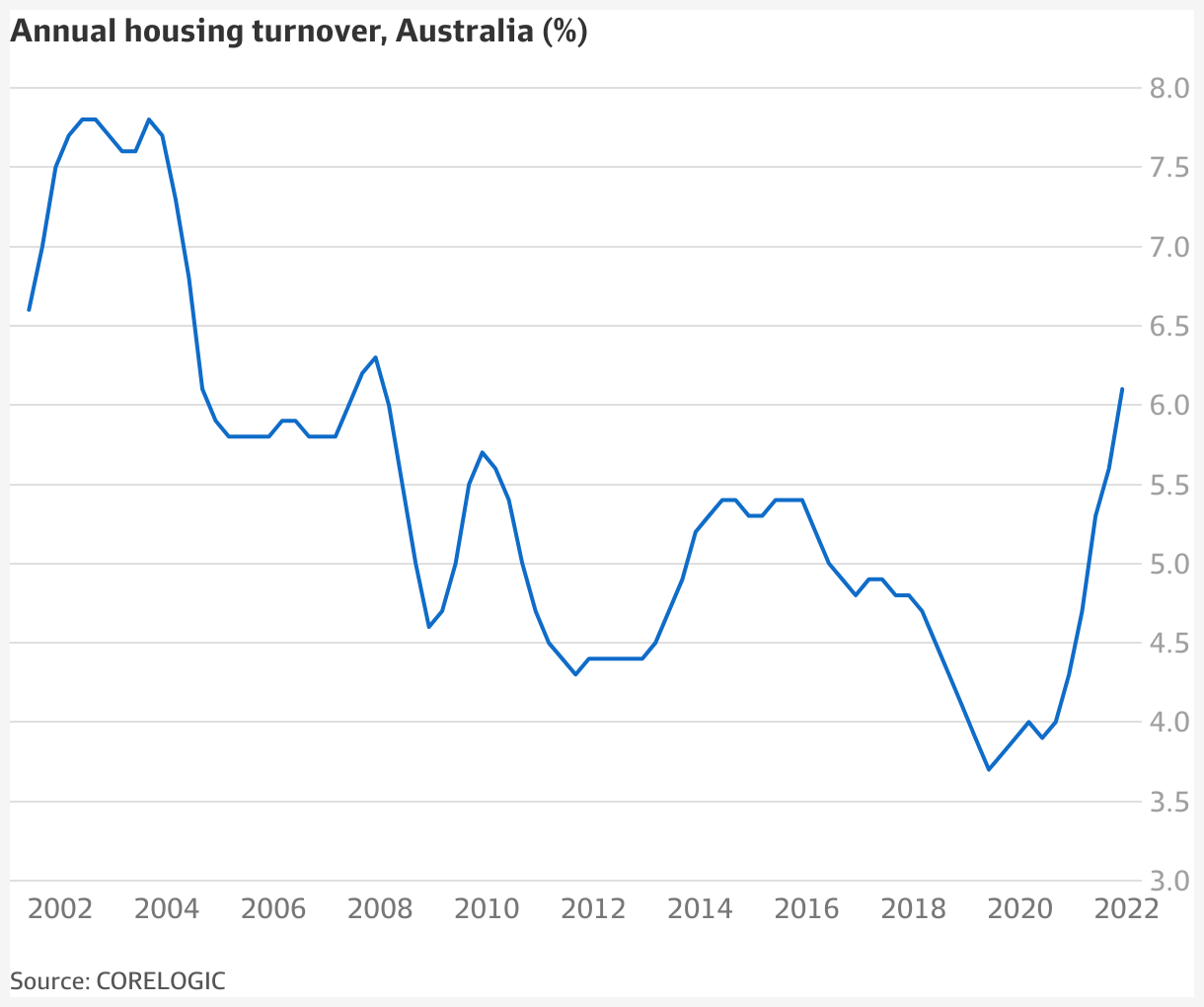
The reform landscape is often divided between federal and state responsibilities. At the federal level, discussions frequently revolve around negative gearing and the 50 percent capital gains tax discount. At the state level, the focus is more on stamp duty transitions and land tax increments. For instance, some states have explored moving away from upfront stamp duty payments in favor of an ongoing annual land tax, a move designed to encourage property turnover and more efficient use of existing housing stock.
How does tax reform affect property supply?
One of the most critical aspects of tax reform is its impact on the supply of new dwellings. When tax burdens on developers or long term investors increase, the feasibility of new projects can be compromised.In practical terms, higher tax burdens on developers and investors can reduce the number of new housing projects being developed. This is often referred to as a supply side contraction.
In a scenario where a 3 billion dollar tax fallout is predicted, the primary concern is that developers may find it financially unviable to proceed with planned apartment blocks or housing estates. If the cost of holding land or the taxes associated with selling finished units rises too sharply, the profit margins that justify the risk of construction disappear. Consequently, the 45,000 homes that were expected to enter the market may never be built, further exacerbating the existing housing shortage and putting upward pressure on rental prices.
What are the core pillars of property taxation in Australia?
To understand the scope of reform, one must first understand the existing pillars of the system. These include:
- Stamp Duty: A one time tax paid by the buyer at the time of purchase. It is often criticized for being a barrier to entry for first home buyers and a deterrent for those wishing to downsize.
- Land Tax: An annual tax paid by owners of land, excluding their primary place of residence in most cases. Reformers often suggest increasing this to replace stamp duty.
- Negative Gearing: A federal policy that allows investors to deduct losses on an investment property against their personal income tax. This is a highly debated topic in the context of housing affordability.
- Capital Gains Tax (CGT): The tax paid on the profit made from selling an asset. Currently, individuals who hold a property for more than 12 months receive a 50 percent discount on this tax.
Even a single major change in property tax policy can impact lending, construction activity, and overall market confidence.
Why is there a projected 3 billion dollar tax fallout?
The term tax fallout refers to the unintended economic consequences that occur when new tax policies are introduced. In the Australian context, this often relates to state level changes in land tax thresholds or the introduction of new levies on vacant residential land. When these taxes are perceived as too aggressive, they can lead to a mass exit of investors from the market.
As investors sell off their portfolios to avoid higher tax bills, the immediate result might be a slight dip in property prices. However, the long term fallout is often more severe. With fewer investors willing to fund new builds through off the plan purchases, the capital required for large scale developments dries up. This leads to the vanishing of thousands of potential homes, creating a tighter rental market and eventually leading to higher costs for everyone involved. The estimated $3 billion impact reflects potential lost economic activity if planned housing developments are delayed or cancelled due to increased tax pressure.

What are the benefits of reforming housing taxes?
Despite the risks, there are clear arguments in favor of reform. Proponents suggest that the current system is outdated and contributes to inequality. By reforming taxes, the government can achieve several positive outcomes:
- Improved Mobility: Replacing stamp duty with land tax allows people to move more freely for work or family reasons without being penalized by massive upfront costs.
- Market Fairness: Reducing tax concessions for wealthy investors could level the playing field for first home buyers who are currently struggling to compete at auctions.
- Stable Revenue: Land tax provides a more stable and predictable stream of income for governments compared to stamp duty, which fluctuates wildly with market cycles.
- Efficient Land Use: Higher land taxes on vacant or underutilized property can encourage owners to develop the land or sell it to someone who will, thereby increasing housing density in inner city areas.
Common mistakes to avoid during periods of tax change
When tax reforms are announced, market participants often react with panic or misinformation. According to industry analysts, common mistakes include:
- Short Term Thinking: Selling a property immediately after a tax hike without considering the long term capital growth potential.
- Ignoring State Variations: Assuming that a tax change in one state, like Victoria or New South Wales, applies nationally. Property taxes are largely a state based matter.
- Failing to Consult Professionals: Attempting to calculate complex tax liabilities without the help of a qualified accountant or tax lawyer.
- Misunderstanding Grandfathering Clauses: Many reforms include grandfathering, which means the new rules only apply to future purchases, not existing ones. Investors often miss this crucial detail.

Pro tips for navigating the changing tax landscape
For those looking to stay ahead of the curve, experts suggest a proactive approach. First, focus on diversification. Do not put all your capital into a single state or property type, as this leaves you vulnerable to localized tax changes. Second, keep a close eye on the policy platforms of major political parties, as housing tax is a frequent election issue.
Another pro tip is to evaluate the yield of your investment rather than just the potential for capital gains. In a high tax environment, properties that generate strong rental income are often more resilient than those that rely solely on price appreciation. Finally, always maintain a financial buffer to account for potential increases in land tax or other holding costs.
Frequently Asked Questions
How does housing tax reform affect renters?
While tax reform is often targeted at owners, renters can be significantly impacted. If taxes on landlords increase, they may pass these costs on in the form of higher rent. Furthermore, if tax changes lead to a decrease in housing supply, the resulting shortage can drive up competition and prices in the rental market.
Will property prices fall because of tax reform?
It is possible. If tax changes make property investment less attractive, demand may decrease, leading to a cooling of prices. However, if the reform also causes a significant drop in supply, the lack of available homes may keep prices high despite the higher taxes.
What is the difference between stamp duty and land tax?
Stamp duty is a one time tax paid when you buy a property, usually based on the purchase price. Land tax is an ongoing annual tax based on the unimproved value of the land you own. Some reforms aim to phase out stamp duty in favor of a broad based land tax.
Why are 45,000 homes predicted to vanish?
This prediction is based on economic modeling which suggests that if new taxes make development unprofitable, builders will cancel or delay projects. This leads to a reduction in the total number of homes that were expected to be added to the national housing stock over a specific period.
Should I buy property before or after tax reforms?
This depends on the specific nature of the reform. If a new tax is being introduced that will only apply to future purchases, buying before the change might be beneficial. However, if the reform is designed to lower entry costs, such as removing stamp duty, it might be worth waiting. Always seek professional financial advice before making a decision.
Practical Advice for Buyers and Investors
If you are planning to invest in property, focus on long-term factors such as location demand, rental income, and infrastructure development rather than only tax benefits. Tax rules may change, but strong property fundamentals tend to remain consistent over time.
Conclusion
Australia housing tax reform remains one of the most contentious and vital topics in the national economic debate. While the goal of creating a fairer and more accessible market is widely shared, the path to achieving it is fraught with challenges. The potential for a 3 billion dollar tax fallout and the loss of 45,000 homes highlights the delicate balance that policymakers must maintain. By understanding the core pillars of property taxation and staying informed about legislative changes, investors and homeowners can better prepare for the shifts ahead. Ultimately, a successful reform will be one that manages to generate necessary revenue without stifling the very supply that the Australian people so desperately need.
Important Note: Financial Disclaimer: This content is for educational purposes only and does not constitute professional financial advice. Always consult with a certified financial planner before making investment decisions.
Related Media
Quick View: Understanding Australia Housing Tax Reform and Its Impact on Property Markets





Comments 0
Leave a Reply
Your email address will not be published. Required fields are marked *
Be the first to share your thoughts!