
💡 Ayushman Bharat: Strategic Analysis of Public Health Policy
A comprehensive analysis of India's Ayushman Bharat scheme, its economic impact, and the strategic expansion of the world's largest health insurance program.
Executive Summary
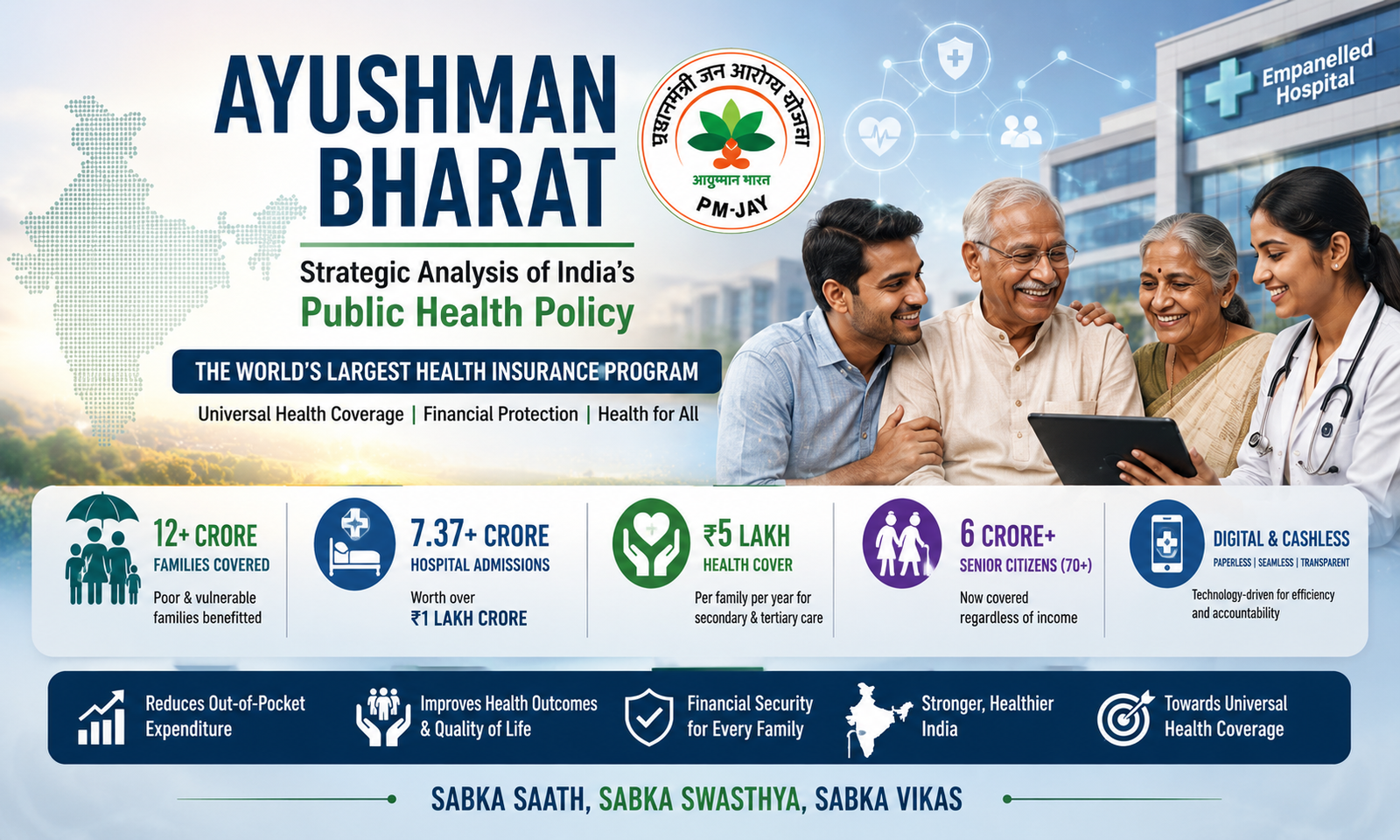
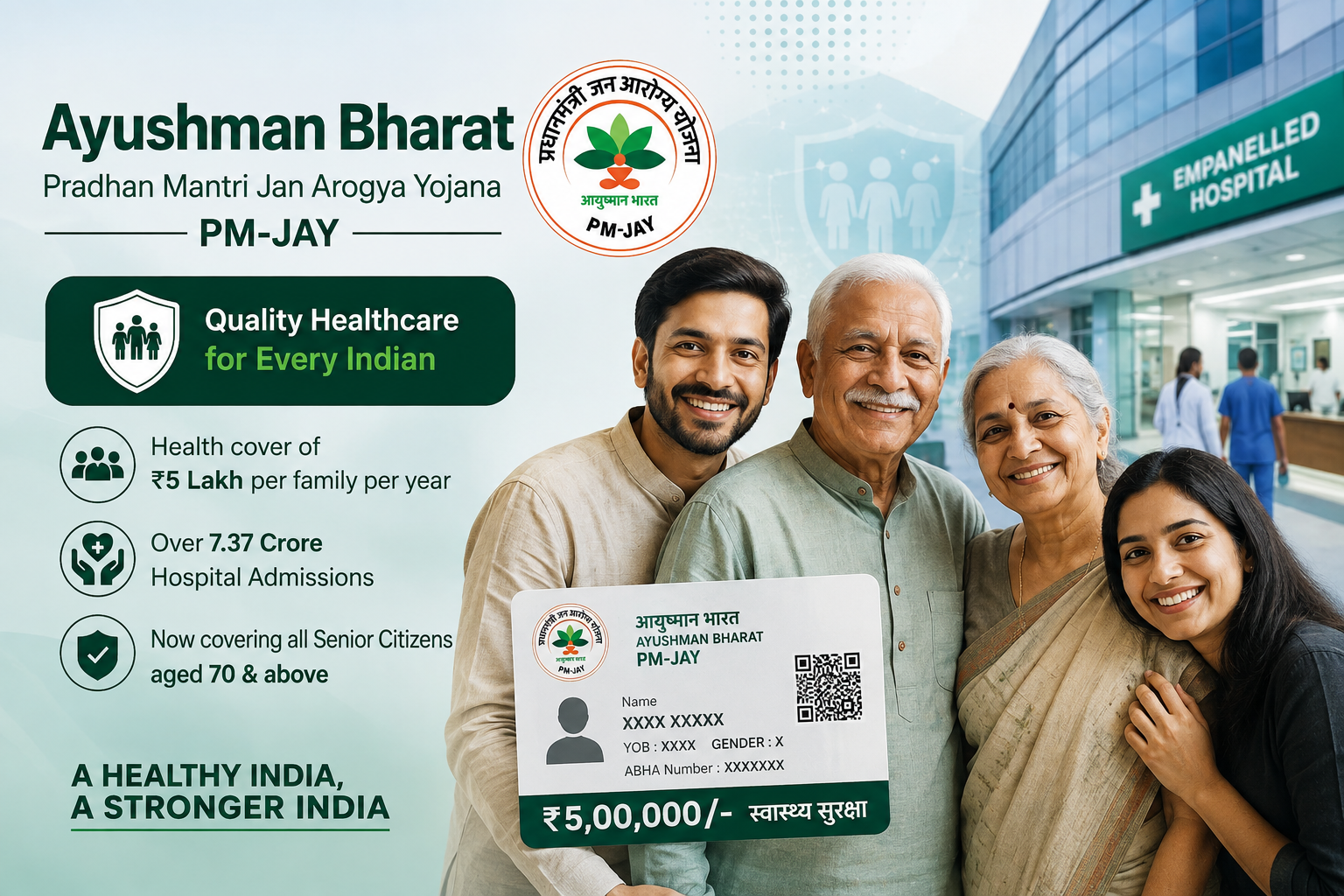
Ayushman Bharat, officially known as the Pradhan Mantri Jan Arogya Yojana (PM-JAY), represents the largest government-funded healthcare program in the world. Launched in 2018, the policy aims to provide a health cover of Rs. 5 lakh per family per year for secondary and tertiary care hospitalization to over 12 crore poor and vulnerable families. Recent data from the National Health Authority (NHA) indicates that the scheme has facilitated over 7.37 crore hospital admissions, amounting to a financial value exceeding Rs. 1 lakh crore. A pivotal strategic shift occurred in late 2024 with the inclusion of all senior citizens aged 70 and above, regardless of income, adding an estimated 6 crore individuals to the safety net. This analysis examines the operational efficiency, economic impact, and future sustainability of the policy within the broader context of India's healthcare infrastructure.
Introduction: The Strategic Shift in Indian Healthcare
For decades, the Indian healthcare landscape was characterized by high Out-of-Pocket Expenditure (OOPE), which pushed millions of households into poverty annually. Ayushman Bharat was designed as a dual-pillar strategy to address this systemic failure. The first pillar, the Health and Wellness Centres (HWCs), focuses on primary healthcare and preventive services. The second pillar, PM-JAY, focuses on financial protection for catastrophic health events. By moving from a fragmented, provider-centric model to a demand-driven, insurance-based model, the government sought to create a competitive healthcare market while ensuring social equity. This transition mirrors broader global shifts in public health management, much like the frameworks discussed in the Dr. Anthony Fauci Strategic Analysis regarding public health legacies and institutional resilience.
THE DEEP DIVE: Operational Mechanics and Data Trends
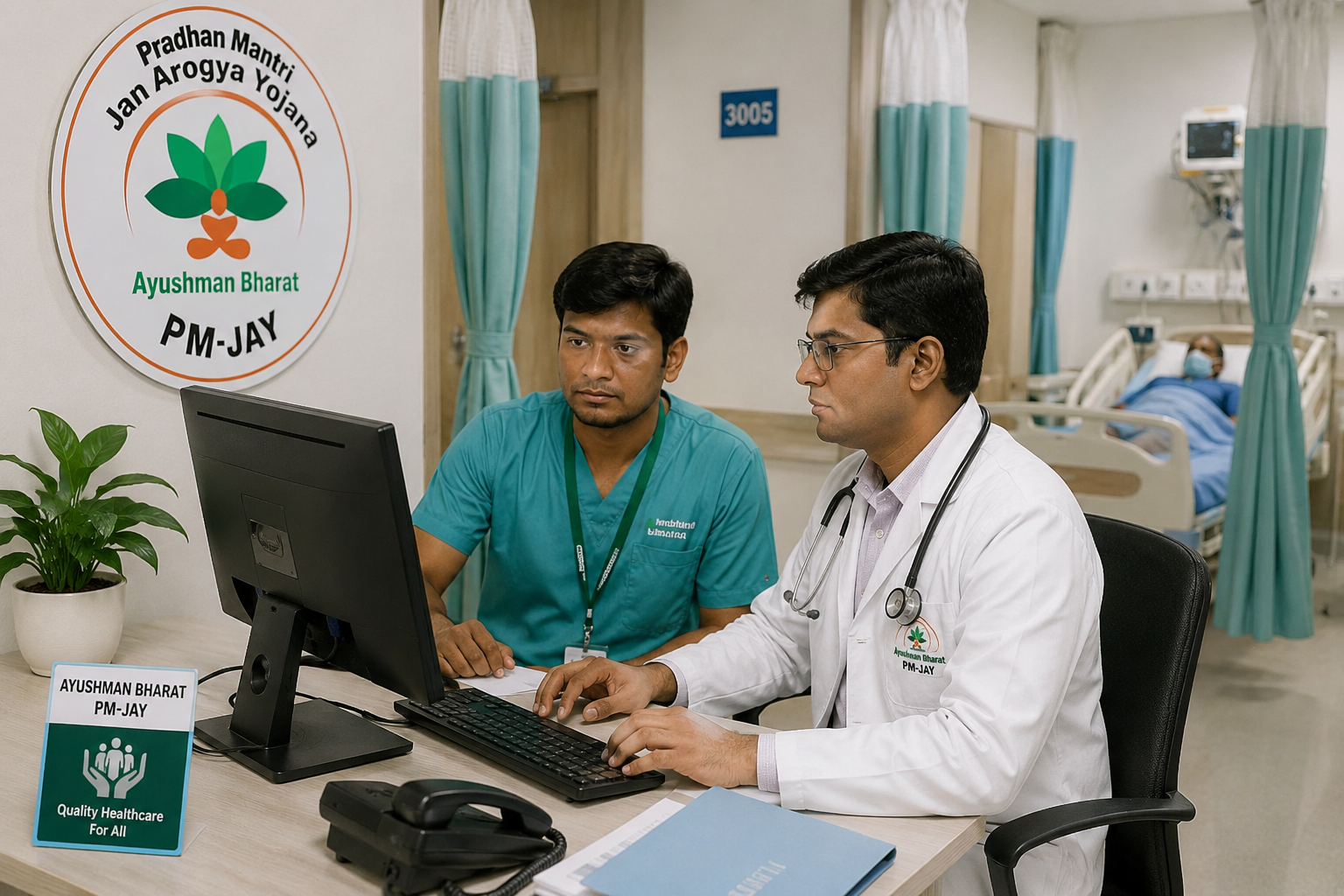
The success of Ayushman Bharat relies on its technological backbone and its ability to integrate private and public providers. As of 2024, approximately 29,000 hospitals have been empanelled, with nearly 48 percent belonging to the private sector. This public-private partnership is essential for addressing the supply-side constraints in tier-2 and tier-3 cities.
Financial Sustainability and Economic Impact
The economic rationale for Ayushman Bharat extends beyond simple health outcomes. By reducing OOPE, the scheme increases the disposable income of the bottom 40 percent of the population. According to the Economic Survey of India, states that implemented PM-JAY saw a significantly higher decline in infant and child mortality rates compared to non-implementing states. Furthermore, the scheme has acted as a catalyst for the Banking Sector Strategic Analysis of financial inclusion, as beneficiaries are integrated into formal digital identity systems (Aadhaar) and banking channels for claim settlements.
The Senior Citizen Expansion (70 Plus)
In September 2024, the Union Cabinet approved the expansion of PM-JAY to all senior citizens aged 70 years and above. This is a critical strategic move considering India's demographic transition. By 2050, it is estimated that nearly 20 percent of India's population will be elderly. This expansion provides a distinct health cover of Rs. 5 lakh on a family basis for these seniors. Unlike the original scheme, which was means-tested, this is a universal entitlement for the age group, reflecting a shift toward universal health coverage (UHC). This move aligns with the broader economic trends observed in the August Strategic Analysis, where social security and healthcare spending are increasingly prioritized to stabilize long-term domestic consumption.
Challenges in Implementation
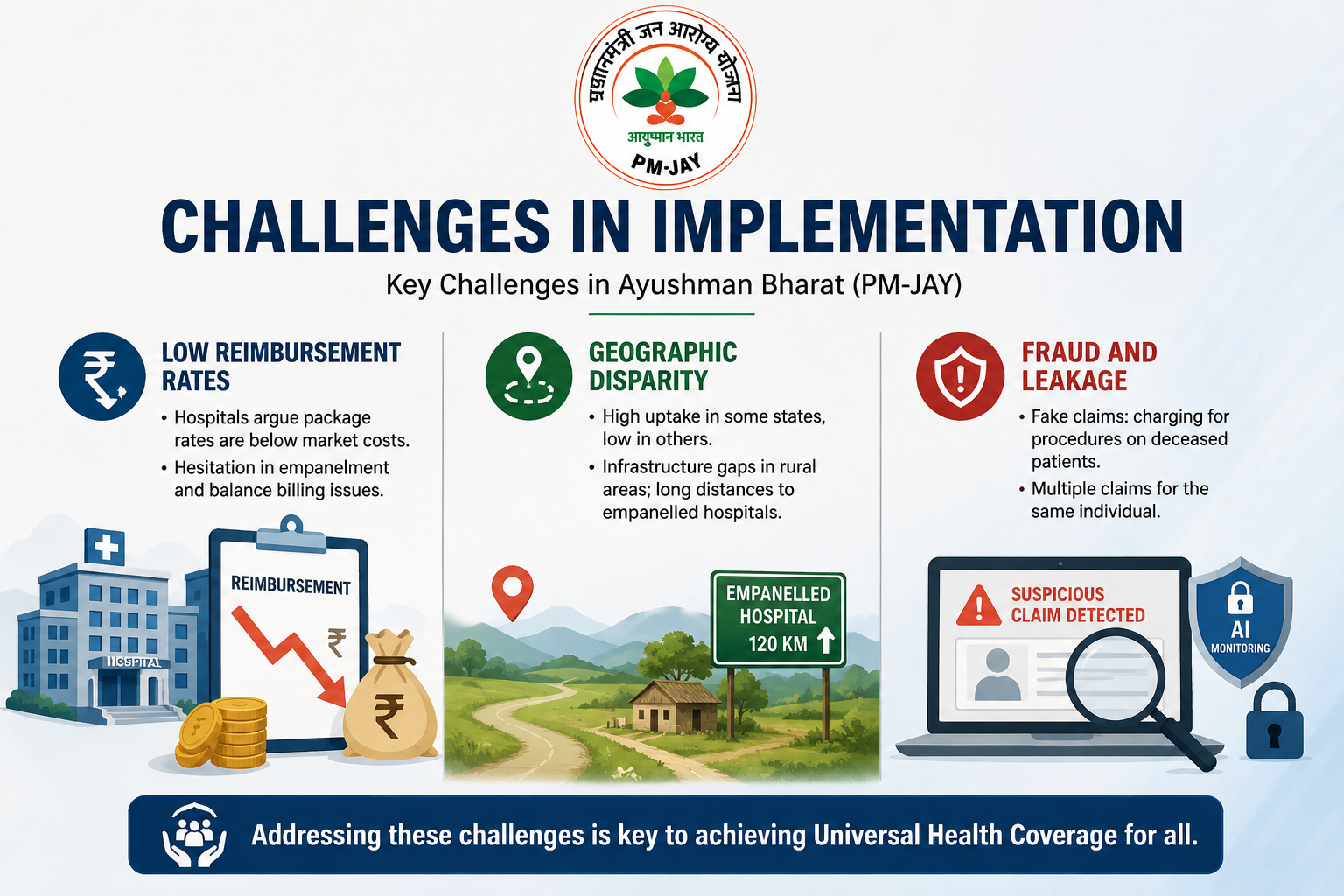
Despite its scale, Ayushman Bharat faces significant hurdles:
- Low Reimbursement Rates: Many private hospitals argue that the package rates for surgeries and treatments are below market costs, leading to hesitation in empanelment or the practice of balance billing.
- Geographic Disparity: While states like Uttar Pradesh and Tamil Nadu have seen high uptake, others struggle with infrastructure gaps, particularly in rural areas where the nearest empanelled hospital may be hours away.
- Fraud and Leakage: The NHA has had to deploy advanced AI and machine learning tools to detect fraudulent claims, such as hospitals charging for procedures on deceased patients or multiple claims for the same individual.
WHAT THIS MEANS FOR YOU: A Practical Breakdown
For the average citizen and stakeholder, Ayushman Bharat is no longer just a policy for the underprivileged; it is a foundational element of the national safety net. If you are part of a household with senior citizens, the new 70 plus expansion provides a significant financial buffer against age-related ailments such as cardiovascular diseases and oncology. For healthcare entrepreneurs, the scheme offers a massive, predictable volume of patients, provided they can optimize their operational costs to match government reimbursement rates. For the taxpayer, the scheme represents a strategic investment in human capital, ensuring that a health crisis does not translate into a permanent loss of economic productivity for a family.
Expert Verdict and Future Outlook
The future of Ayushman Bharat lies in its integration with the Ayushman Bharat Digital Mission (ABDM). By creating a unified health interface, the government aims to make medical records portable across the country. The expert consensus suggests that the next phase of the policy will likely focus on outpatient department (OPD) coverage and the inclusion of diagnostic services, which currently account for a large portion of OOPE. Strategically, the scheme is moving toward a Value-Based Healthcare model, where providers are incentivized for patient outcomes rather than just the volume of procedures performed. This evolution will be necessary to manage the rising burden of non-communicable diseases (NCDs) in India.
FAQ: Authoritative Insights
1. Who is eligible for the new Ayushman Bharat 70 plus scheme?
All Indian citizens aged 70 and above are eligible, regardless of their socio-economic status. This is a universal expansion intended to provide geriatric care support.
2. Can a family have multiple Ayushman cards?
The Rs. 5 lakh cover is generally on a floater basis per family. However, under the new senior citizen expansion, seniors aged 70 plus get an additional, shared cover of Rs. 5 lakh specifically for their age group within the family unit.
3. Does Ayushman Bharat cover pre-existing diseases?
Yes, one of the most significant features of PM-JAY is that all pre-existing conditions are covered from day one of the policy. There is no waiting period.
4. How do hospitals get paid under this scheme?
The scheme operates on a paperless and cashless basis for the beneficiary. Hospitals submit claims digitally to the NHA or State Health Agencies, and payments are settled via Direct Benefit Transfer (DBT) after verification.
5. Is the scheme available across all states in India?
While most states have adopted PM-JAY, some states like West Bengal and Delhi have opted out or implemented their own versions of health insurance. It is essential to check state-specific participation.
Conclusion
Ayushman Bharat has successfully transitioned from an ambitious policy experiment to a cornerstone of India's social contract. By leveraging technology and public-private partnerships, it has provided a lifeline to millions. However, its long-term success will depend on the government's ability to revise reimbursement rates, curb institutional fraud, and successfully integrate primary and tertiary care through the Digital Health Mission. As the program expands to include the elderly, it sets a global precedent for how developing economies can strive toward Universal Health Coverage.





Comments 0
Leave a Reply
Your email address will not be published. Required fields are marked *
Be the first to share your thoughts!