
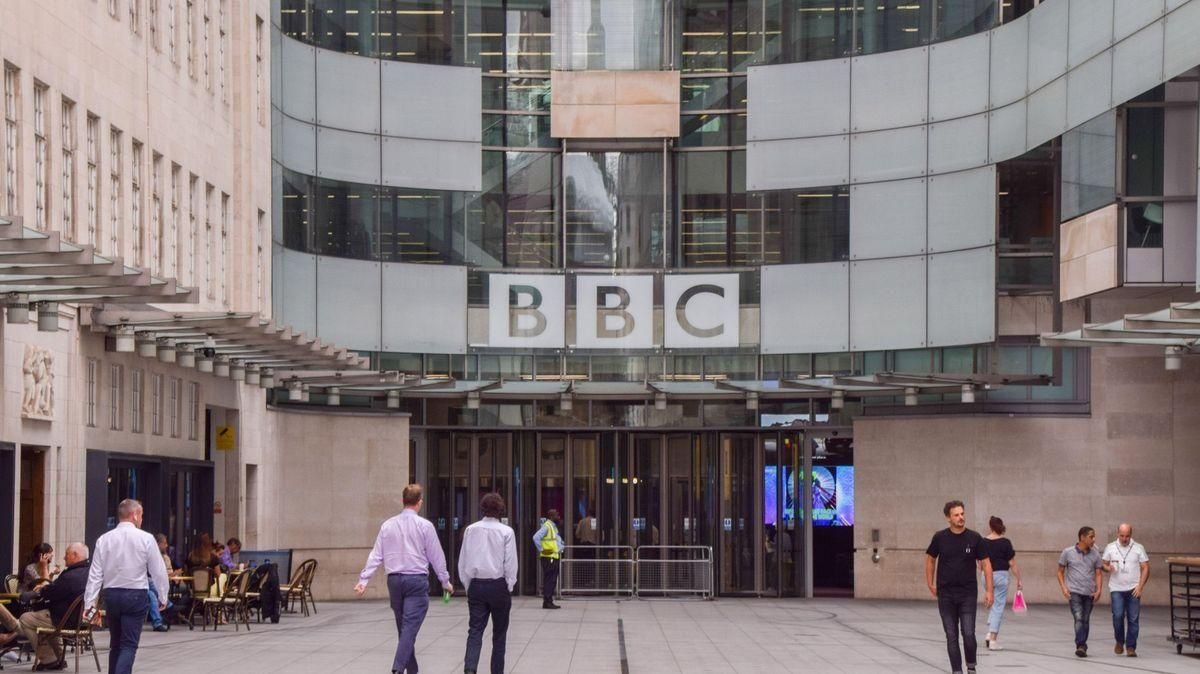
💡 BBC: Strategic Analysis of Global Media Authority
An in-depth strategic analysis of the BBC’s funding model, digital transformation, and global influence in the modern media landscape.
Executive Summary
The British Broadcasting Corporation (BBC) remains the gold standard for public service broadcasting, maintaining a weekly global audience of approximately 492 million people. This strategic analysis examines the BBC’s current operational framework, its transition toward a digital-first model, and the ongoing debate surrounding the license fee. Key data points highlight a 2022-2027 license fee freeze at 159 Pounds Sterling, necessitating significant cost-cutting measures and a pivot toward commercial revenue streams through BBC Studios. The organization faces intense competition from global streaming giants and must navigate complex political pressures while maintaining editorial neutrality. This report concludes that the BBC’s survival depends on its ability to integrate advanced technology and maintain its reputation for high-trust journalism.
Introduction
Founded in 1922, the BBC is the world’s oldest national broadcaster and a cornerstone of British soft power. Unlike commercial entities, the BBC operates under a Royal Charter, which defines its public purposes: to provide impartial news, support learning, and deliver high-quality creative content. In an era dominated by algorithmic echo chambers and rapid misinformation, the BBC’s role as a verified information source is more critical than ever. However, the rise of Over-The-Top (OTT) platforms and changing consumer habits among younger demographics present existential challenges. This analysis provides a professional overview of how the BBC is adapting its strategy to remain relevant in a fragmented media environment.

The Deep Dive: Financial and Operational Strategy
The License Fee Debate and Fiscal Constraints
The primary funding mechanism for the BBC is the television license fee, which generated approximately 3.74 billion Pounds Sterling in the 2022/23 financial year. The UK government’s decision to freeze this fee until 2024, followed by rises in line with inflation until 2027, has created a real-terms funding gap. Strategic analysts estimate that the BBC must find 500 million Pounds Sterling in annual savings to offset inflation and rising production costs. This fiscal pressure has led to the consolidation of news channels and a reduction in linear programming. To bridge the gap, the BBC is increasingly relying on its commercial arm, BBC Studios, which saw a record EBITDA of 240 million Pounds Sterling in the last fiscal cycle, driven by global content licensing and production partnerships.
Digital Transformation and the iPlayer Ecosystem
The BBC’s digital strategy is centered on the iPlayer and BBC Sounds platforms. As traditional linear viewing declines, the BBC has pivoted to a digital-first approach, prioritizing high-end drama and investigative journalism that performs well on streaming services. This shift mirrors the broader industry trend where established media houses must compete with agile tech firms. For instance, the BBC’s struggle to retain younger audiences is similar to the challenges faced by regional leaders in the SonyLIV strategic analysis, where localized content and platform reliability are key differentiators. The BBC’s advantage lies in its vast archive and its ability to produce content that resonates with both domestic and international audiences.
Editorial Integrity and Media Authority
Maintaining trust is the BBC’s core value proposition. The organization’s Editorial Guidelines are among the most stringent in the world, emphasizing accuracy and impartiality. This commitment to authority is comparable to the specialized expertise seen in legal media, such as the SCOTUSblog strategic analysis, where credibility is built through consistent, high-quality reporting on complex institutions. However, the BBC faces frequent criticism from across the political spectrum, with accusations of bias being a recurring theme in public discourse. To combat this, the BBC has invested in Verify, a specialized unit dedicated to fact-checking and forensic journalism, which uses satellite imagery and data analysis to debunk misinformation.
Global Reach and Soft Power
The BBC World Service reaches hundreds of millions of people in over 40 languages. It serves as a vital tool for British diplomacy, often providing the only source of independent news in authoritarian regimes. Strategic investments in the World Service are frequently bolstered by government grants, reflecting its importance to national security and international influence. The BBC’s ability to project cultural values through content like Doctor Who and Natural History Unit documentaries (such as Planet Earth) ensures that the UK remains a dominant force in the global creative economy.
Technological Integration and AI
Looking toward the future, the BBC is exploring the integration of artificial intelligence to enhance content discovery and operational efficiency. From automated subtitling to personalized news feeds, AI offers the potential to scale the BBC’s offerings. However, the organization remains cautious about the ethical implications of generative AI. The intersection of media and advanced technology is a growing field, much like the developments discussed in the GPT 5.6 SOL strategic analysis, where the synergy between AI and data integrity is reshaping how information is consumed and verified.
What This Means For You
For the average consumer, the BBC’s strategic shifts result in a more personalized and accessible media experience. The transition to BBC iPlayer means that high-quality content is available on-demand, reducing the reliance on fixed broadcast schedules. For taxpayers and license fee payers, the focus on efficiency means the BBC is striving to deliver more value for every pound spent. Furthermore, the BBC’s commitment to factual reporting provides a reliable anchor in an increasingly volatile information landscape, helping citizens make informed decisions about politics, health, and global events.
Expert Verdict and Future Outlook
The BBC is at a crossroads. The current funding model is under intense scrutiny, and there is a high probability that the license fee will be replaced by a subscription or a household levy after 2027. To survive, the BBC must continue to demonstrate its unique value proposition: content that commercial rivals cannot or will not produce. This includes local news, educational programming, and niche cultural content. The expert consensus suggests that the BBC will successfully transition into a global digital powerhouse, provided it can maintain its editorial independence and continue to innovate in the streaming space. The next five years will be the most transformative in the corporation’s century-long history.
FAQ
How is the BBC funded?
The BBC is primarily funded by a television license fee paid by UK households. It also generates revenue through its commercial subsidiary, BBC Studios, which sells programs and formats internationally.
Why is the license fee controversial?
Critics argue that the license fee is an outdated model in the age of subscription services like Netflix. Proponents argue it ensures the BBC remains independent of commercial interests and provides services for all audiences, regardless of profitability.
What is the BBC World Service?
The World Service is an international broadcaster owned and operated by the BBC. It provides news and analysis in dozens of languages across radio, television, and digital platforms, reaching nearly 500 million people globally.
How does the BBC maintain impartiality?
The BBC is governed by a Royal Charter and regulated by Ofcom. It follows strict Editorial Guidelines that require it to represent a wide range of views and avoid taking a stance on controversial public policy or political issues.
Is the BBC iPlayer free?
In the UK, the iPlayer is free to use but requires a valid TV license. Internationally, BBC content is often available through various localized subscription services or partnerships with other broadcasters.
Important Note: Financial Disclaimer: This content is for educational purposes only and does not constitute professional financial advice. Always consult with a certified financial planner before making investment decisions.
Conclusion
The BBC remains a cornerstone of global media, balancing its historical mandate for public service with the modern requirements of digital competition. While financial pressures and political debates present significant hurdles, the corporation's commitment to high-trust journalism and innovative content production positions it as a resilient leader in the industry. The strategic pivot toward digital platforms and commercial growth is essential for its long-term viability in a rapidly changing technological landscape.





Comments 0
Leave a Reply
Your email address will not be published. Required fields are marked *
Be the first to share your thoughts!