
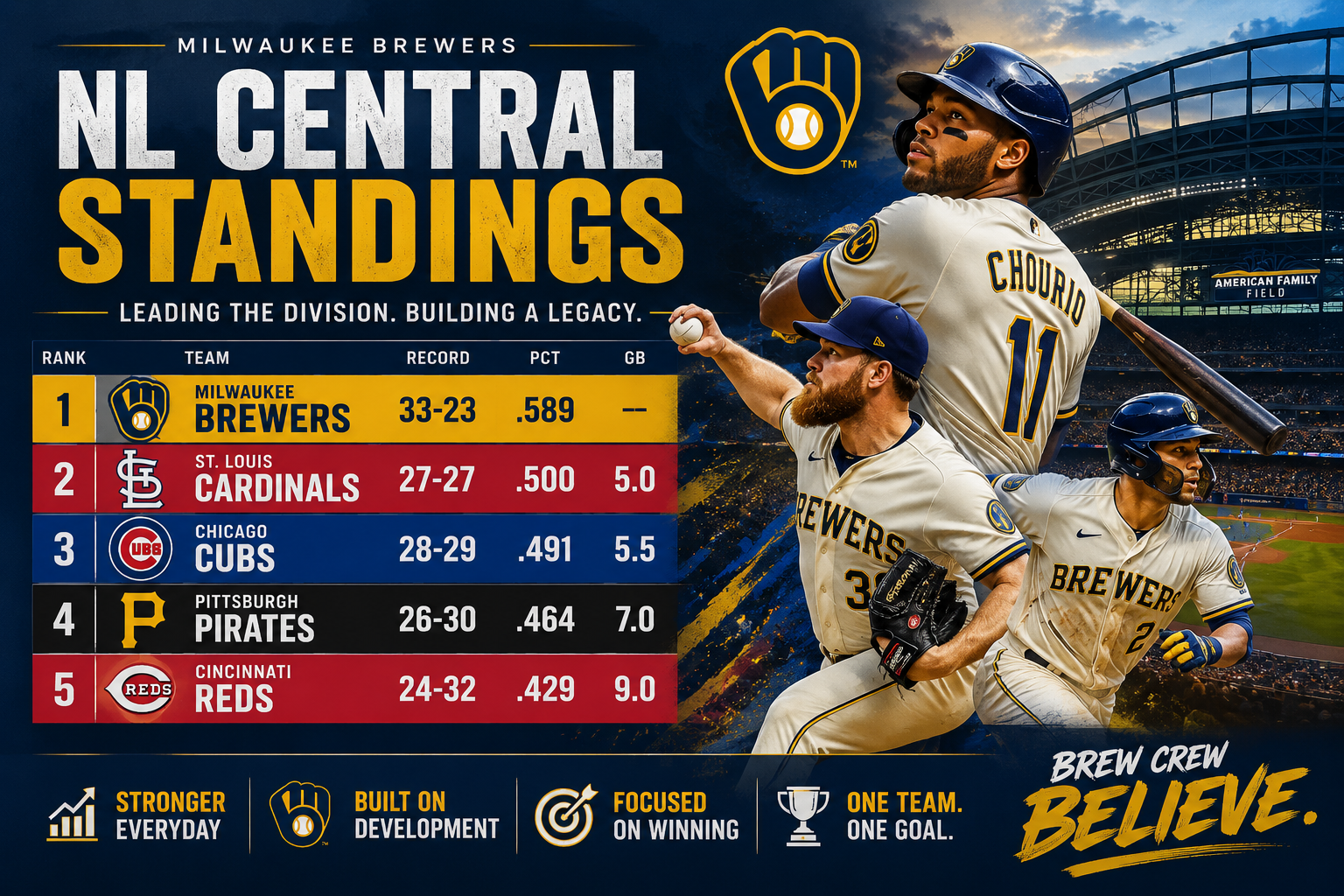
💡 Brewers Standings: Strategic Analysis of NL Central Dominance
An authoritative analysis of the Milwaukee Brewers standings, roster efficiency, and the strategic framework behind their National League Central leadership.
The Deep Dive: Statistical Drivers of the Brewers Standings
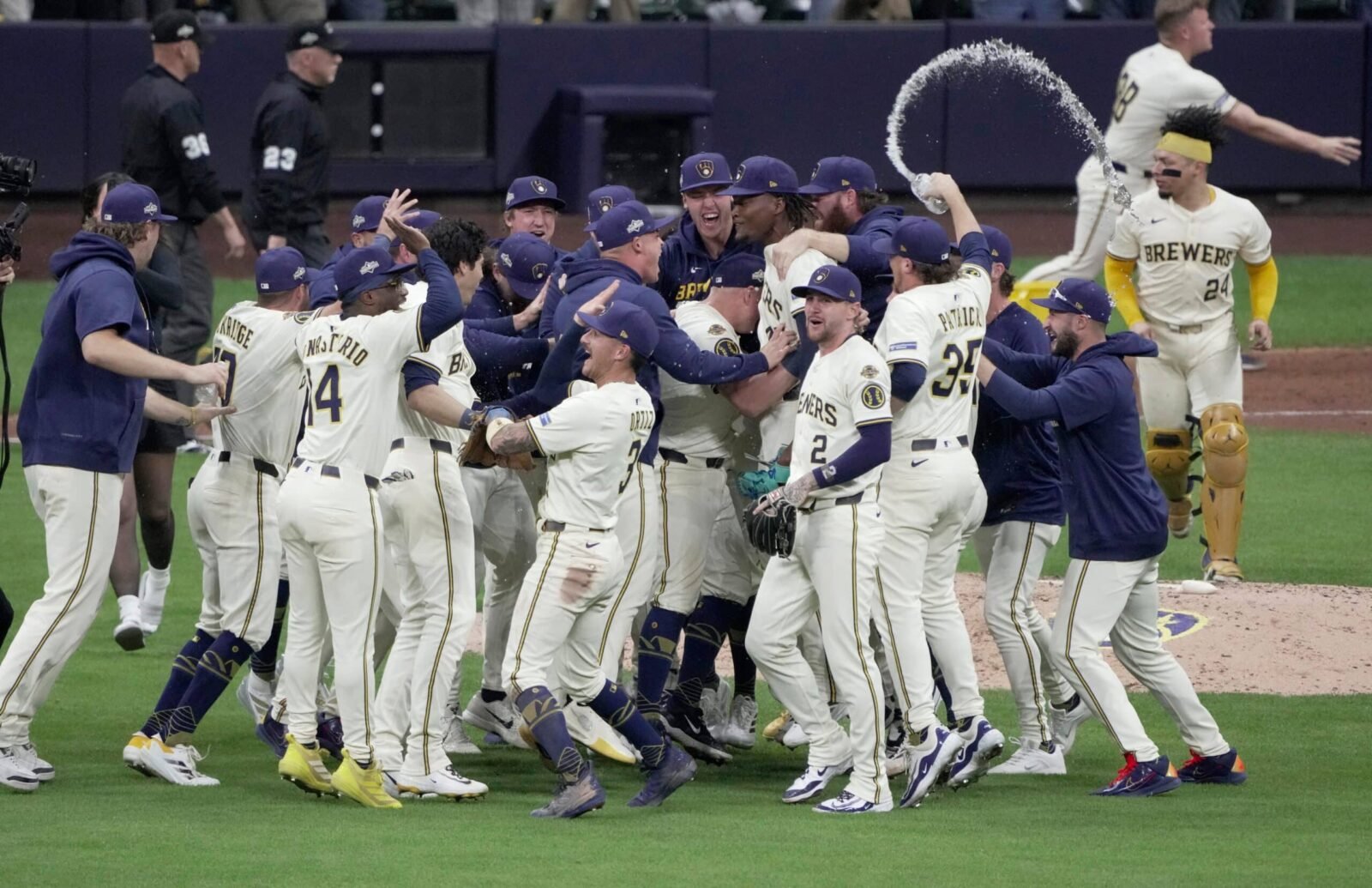
To understand the Brewers' recent success, the 2024 season provides an important reference point. Milwaukee finished 93–69 with a +136 run differential, the best mark in the NL Central, and won the division by 10 games. Their performance reflected a balanced roster built around pitching depth, offensive production, defense, and aggressive baserunning. The emergence of Jackson Chourio was another major factor, as he became the youngest player in MLB history to record a 20-home-run, 20-stolen-base season.
The transition from Craig Counsell to Pat Murphy was also an important organizational change. Despite the managerial transition, Milwaukee maintained its competitive level and continued to develop young players. The Brewers' ability to combine experienced contributors with emerging talent has remained an important part of their organizational strategy.
Milwaukee also performed strongly at American Family Field in 2024, finishing 47–34 at home, a .580 winning percentage. Rather than attributing this entirely to the ballpark's dimensions, the result can be viewed as part of the team's overall home-field performance and roster effectiveness.
Strategic Roster Construction and Financial Efficiency
The Brewers have traditionally emphasized player development, cost-controlled young talent, and flexible roster construction. Jackson Chourio's eight-year, $82 million extension, signed before he made his MLB debut, was a notable example of the organization committing early to a highly regarded young player. This approach can help a smaller-market franchise secure talent before players reach their most expensive years of free agency.
Key strategic factors include:
- Young Talent Development: Milwaukee's ability to develop players such as Jackson Chourio provides the organization with cost-controlled talent and long-term roster flexibility.
- Pitching Depth: Maintaining multiple reliable pitching options helps the team manage the demands of a 162-game season.
- Defensive and Baserunning Value: Athletic players and efficient baserunning complement the team's overall approach and can create advantages beyond traditional power statistics.
- Roster Flexibility: The organization has emphasized developing internal talent while using trades and targeted acquisitions to address specific roster needs.
Overall, the Brewers' model is less about relying on one statistical advantage and more about combining player development, pitching, athleticism, and financial discipline to maintain competitiveness over multiple seasons.

Frequently Asked Questions
How do the Brewers maintain their competitiveness despite operating in a smaller market?
The Brewers emphasize player development, scouting, pitching depth, and flexible roster management. Developing young players internally allows the organization to supplement experienced players without depending entirely on expensive free-agent acquisitions.
Who are the key players contributing to the Brewers' current performance?
Jackson Chourio is one of the team's most important young players, while established contributors and the pitching staff provide additional experience and depth. The exact mix of key contributors can change throughout the season as player performance and roster availability evolve.
What impact did the managerial change have on the team?
Pat Murphy took over as manager following Craig Counsell's departure and helped maintain Milwaukee's competitive level during the 2024 season. The Brewers finished 93–69 and won the NL Central, showing that the managerial transition did not prevent the team from remaining competitive.
How does the Brewers' player-development system influence the team?
Player development is an important part of Milwaukee's organizational strategy. The ability to introduce young, MLB-ready talent gives the club additional roster depth and helps maintain competitiveness over multiple seasons.
What are the Brewers' prospects for the postseason?
Milwaukee entered the 2026 season as a competitive NL Central team and is currently leading the division. However, postseason success depends on factors such as pitching performance, player health, roster depth, and performance during the final stages of the regular season. It is therefore better to describe the Brewers as a strong contender rather than guarantee a deep playoff run.
Conclusion
The Milwaukee Brewers provide a strong example of how player development, pitching depth, roster flexibility, and financial discipline can contribute to sustained success in Major League Baseball. Their recent division titles and continued competitiveness demonstrate the value of building organizational depth rather than relying solely on expensive star acquisitions. As the 2026 season progresses, the Brewers' ability to develop young talent and maintain a balanced roster will remain central to their pursuit of another successful season.




Comments 0
Leave a Reply
Your email address will not be published. Required fields are marked *
Be the first to share your thoughts!