
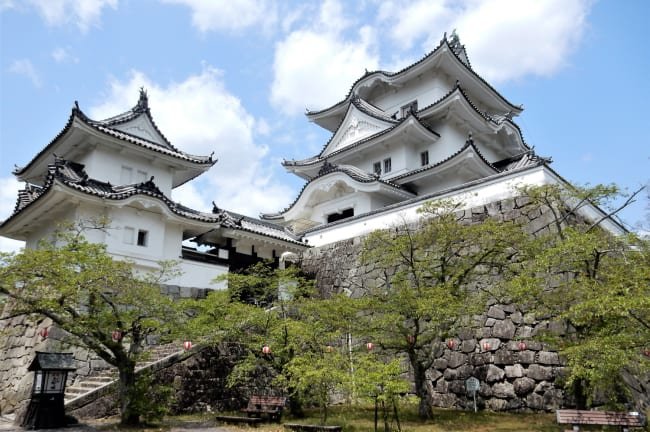
💡 Where is Castle?
Discover the enchanting world of castle stays, from the medieval charm of Leeds Castle to India's majestic heritage forts, in this comprehensive guide to royal family holidays.
Beyond Stone Walls: Why Castle Stays and Heritage Luxury Are Redefining Modern Family Travel
The allure of a castle is timeless. For centuries, these massive stone structures served as fortresses of power, symbols of nobility, and centers of historical intrigue. However, in the modern era, the role of the castle has shifted from a defensive stronghold to a pinnacle of luxury tourism. Today, families are no longer content with standard hotel rooms. They seek immersive experiences that transport them back in time while providing the comforts of the twenty-first century. Whether it is the medieval grandeur of England or the palatial splendor of Rajasthan, castle stays are becoming the ultimate bucket-list item for discerning travelers.
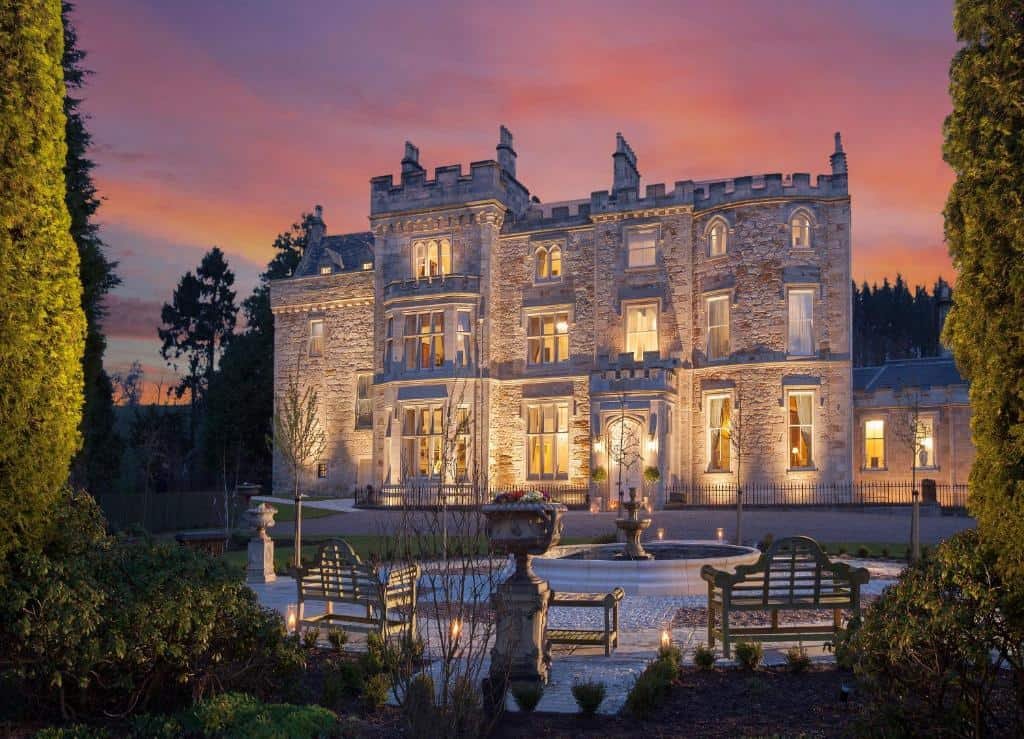
What is a castle stay experience?
A heritage stay in a castle is more than just an overnight accommodation. It is a curated journey into history. According to global heritage tourism trends reported by organizations such as the United Nations World Tourism Organization (UN Tourism), heritage tourism has seen a significant rise as travelers prioritize educational and culturally rich environments for their children. These properties often retain their original architecture, featuring thick stone walls, winding spiral staircases, and vast Great Halls, but they are retrofitted with modern amenities like high-speed internet, heated floors, and gourmet dining.
As per recent industry reports, the concept of glamping or glamorous camping has also merged with castle tourism. This allows guests to stay on the castle grounds in luxury tents that mimic the pavilions used by knights during medieval tournaments. This blend of outdoor adventure and royal history provides a unique middle ground for families who want the atmosphere of a castle with a more intimate connection to the surrounding nature.
How to understand the appeal of the Knights’ Retreat at Leeds Castle?
Leeds Castle, often referred to as the loveliest castle in the world, has set a benchmark for family-oriented heritage stays with its Knights Retreat. Experts suggest that the success of such initiatives lies in their ability to make history accessible. Instead of just looking at artifacts behind glass, families can live within the estate. The Knights Retreat offers a glamping experience that captures the imagination of children and adults alike.
The experience typically includes access to the castle's secret grottoes, sprawling mazes, and falconry displays. By staying on-site, guests experience the castle after the day-visitors have left, offering a serene and almost mystical atmosphere. This type of experiential travel is what modern families are looking for: a way to disconnect from screens and reconnect with stories of the past.
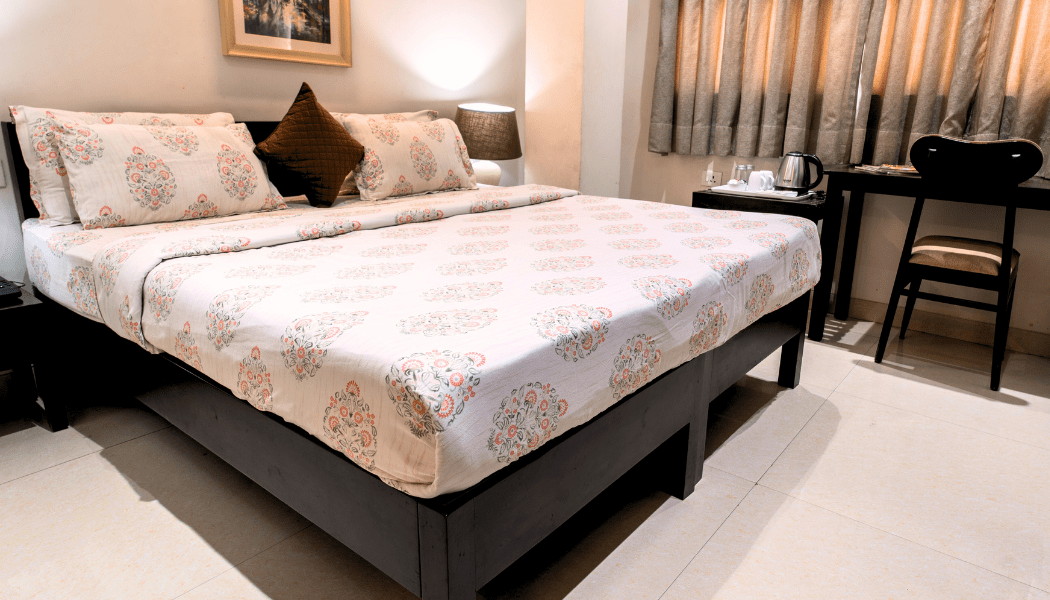
Why are Indian travelers gravitating toward heritage castle stays?
In the Indian context, the concept of a castle is closely mirrored by the majestic forts and palaces of Rajasthan, Madhya Pradesh, and Himachal Pradesh. India has a long-standing tradition of converting royal residences into heritage hotels. According to India’s domestic tourism trends, families are increasingly choosing heritage properties for staycations and destination weddings due to their cultural and experiential value.
The parallel between a European castle stay and an Indian fort stay is the sense of scale and legacy. While a British castle might offer tales of knights and Tudor queens, an Indian fort-palace offers the vibrant history of Rajputs and Mughals. For the Indian traveler, these stays offer a sense of pride and a deep dive into ancestral craftsmanship. Experts in the hospitality sector note that the demand for these properties is driven by the desire for exclusivity and personalized service that standard luxury chains cannot replicate.
What are the core concepts of planning a castle holiday?
Planning a stay in a historical monument requires more preparation than a standard trip. Here are the core concepts to consider:
- Historical Authenticity versus Modern Comfort: Some castles are preserved in a very rustic state, while others are ultra-luxurious. Decide if you want a rugged, authentic experience or a refurbished five-star stay.
- On-site Activities: Check if the castle offers themed activities such as archery, pottery, or historical tours. These are essential for keeping younger family members engaged.
- Location and Accessibility: Many castles are located in remote areas to ensure their defensive positions in the past. Ensure you have planned transport to and from the site.
- Seasonal Considerations: Castles can be drafty in winter or exceptionally busy in summer. Research the best time to visit for a balanced experience.

What are the benefits of choosing a castle for a family break?
Choosing a castle or heritage fort for a family holiday offers several distinct advantages:
- Educational Value: It is a living history lesson. Children learn about architecture, social structures, and historical events in an environment where they can touch the walls and walk the paths of historical figures.
- Unique Atmosphere: The sheer scale of a castle provides a sense of wonder that a modern building simply cannot match. The acoustics of a Great Hall or the view from a battlements tower is unforgettable.
- Spacious Grounds: Most castle estates come with hundreds of acres of parkland, lakes, and gardens, providing a safe and expansive space for children to play and explore.
- Exclusivity: Because many of these properties have a limited number of rooms, the service is often highly attentive and the environment feels private and secure.
What are common mistakes to avoid when booking a castle stay?
Despite the charm, there are pitfalls that travelers should be aware of. According to travel consultants, one common mistake is assuming that all castles are child-friendly. Some properties are geared toward romantic retreats or adult-only historical study and may have strict noise policies or lack facilities for kids. Always verify the family-friendly credentials of the property before booking.
Another mistake is overlooking the physical layout. Historical buildings often have steep, narrow stairs and no elevators. This can be a significant challenge for families with strollers or elderly members. Furthermore, some castles are located far from local towns, meaning you will be reliant on the castle's own dining facilities, which can be expensive. Always check the menu and nearby dining options in advance.

Pro tips for a royal experience
To make the most of your castle stay, consider these expert insights:
- Book a Guided Tour: Even if you are staying there, a professional guide can point out hidden details, like mason marks on the stones or the strategic reason for a specific window placement.
- Dress for the Occasion: Many castles host formal dinners or themed evenings. Bringing appropriate attire can enhance the feeling of being part of the castle's history.
- Explore the Surroundings: The villages that grew around castles often have their own unique history and charm. Take the time to walk through the local community.
- Capture the Light: Castles are most photogenic during the golden hour. Plan your walks along the battlements for sunrise or sunset to get the best views and photographs.
Frequently Asked Questions
Where is Leeds Castle located?
Leeds Castle is located in Kent, England, approximately five miles southeast of Maidstone. It is built on islands in a lake formed by the River Len.
Are castle stays suitable for toddlers?
While many castles welcome toddlers, it is important to check for safety features. Stone floors and steep stairs require constant supervision. However, the vast gardens are usually perfect for young children to run around.
How much does it cost to stay in a castle?
The cost varies wildly depending on the level of luxury. Glamping options like the Knights Retreat are more affordable, while staying in a royal suite in a converted Indian palace or a Scottish castle can cost hundreds of pounds or thousands of rupees per night.
Do I need to book castle stays far in advance?
Yes, because these properties have a limited number of rooms and are popular for weddings and events, it is recommended to book at least six months in advance, especially for peak holiday seasons.
Is it cold inside a castle?
Modern heritage hotels have excellent heating systems. However, in the common areas or during outdoor activities, it is always wise to bring layers as stone buildings naturally retain a cooler temperature.
Why Heritage Travel Is Becoming Popular
Heritage travel is growing globally as travelers seek meaningful and immersive experiences. Staying in restored castles and historic estates allows guests to connect with history, architecture, and culture in a way that modern hotels cannot offer. This trend is especially popular among families looking for educational and memorable vacations.
Conclusion
A castle stay is a bridge between the legends of the past and the luxury of the present. Whether you are seeking the knightly adventures of Leeds Castle or the regal elegance of an Indian fort, these heritage properties offer a depth of experience that stays with a family long after the holiday ends. By choosing the right property and preparing for the unique quirks of historical architecture, you can ensure a vacation that is truly fit for royalty. Embracing the history, the stories, and the sheer architectural brilliance of these structures is the best way to create lasting memories in an ever-changing world.
Related Media
Quick View: Beyond Stone Walls: Why Castle Stays and Heritage Luxury Are Redefining Modern Family Travel




Comments 0
Leave a Reply
Your email address will not be published. Required fields are marked *
Be the first to share your thoughts!