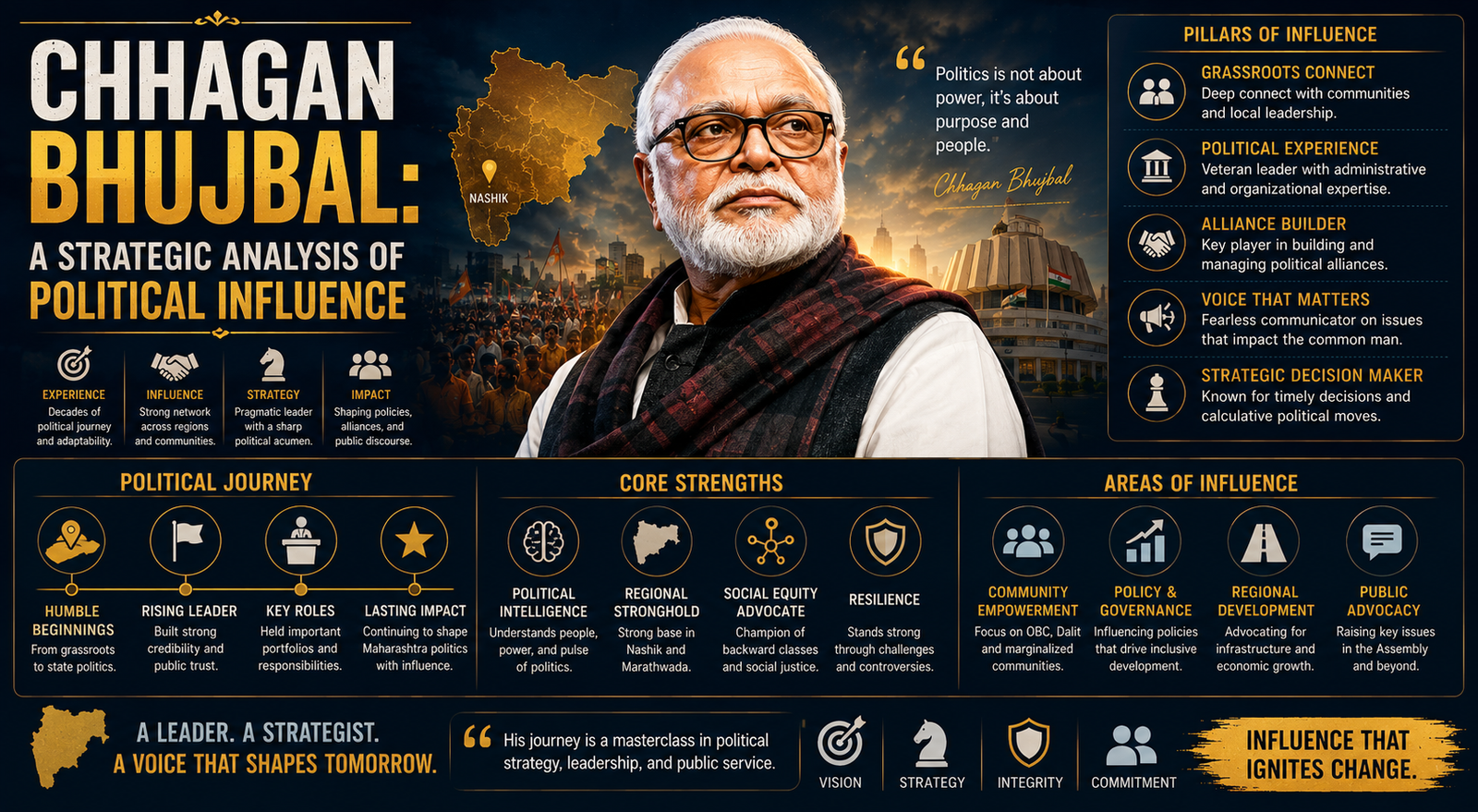
💡 Chhagan Bhujbal: A Strategic Analysis of Political Influence
A comprehensive analysis of Chhagan Bhujbal's five-decade political career, his role as an OBC leader, and his strategic impact on Maharashtra's governance.
Executive Summary
Chhagan Bhujbal stands as one of the most enduring figures in Indian regional politics, specifically within the state of Maharashtra. With a career spanning over five decades, Bhujbal has transitioned from a grassroots Shiv Sena worker to the Deputy Chief Minister of Maharashtra. This analysis highlights his role as a primary architect of Other Backward Classes (OBC) mobilization, his legislative impact through the Public Works Department (PWD), and his strategic shifts within the Nationalist Congress Party (NCP). Key data points include his leadership of the Mahatma Phule Samata Parishad and his consistent electoral success in the Yeola constituency. Understanding Bhujbal is essential for any Moneycontrol: Strategic Analysis of India's Financial Hub that seeks to grasp the intersection of regional policy and economic stability.
Introduction: The Architect of Identity Politics
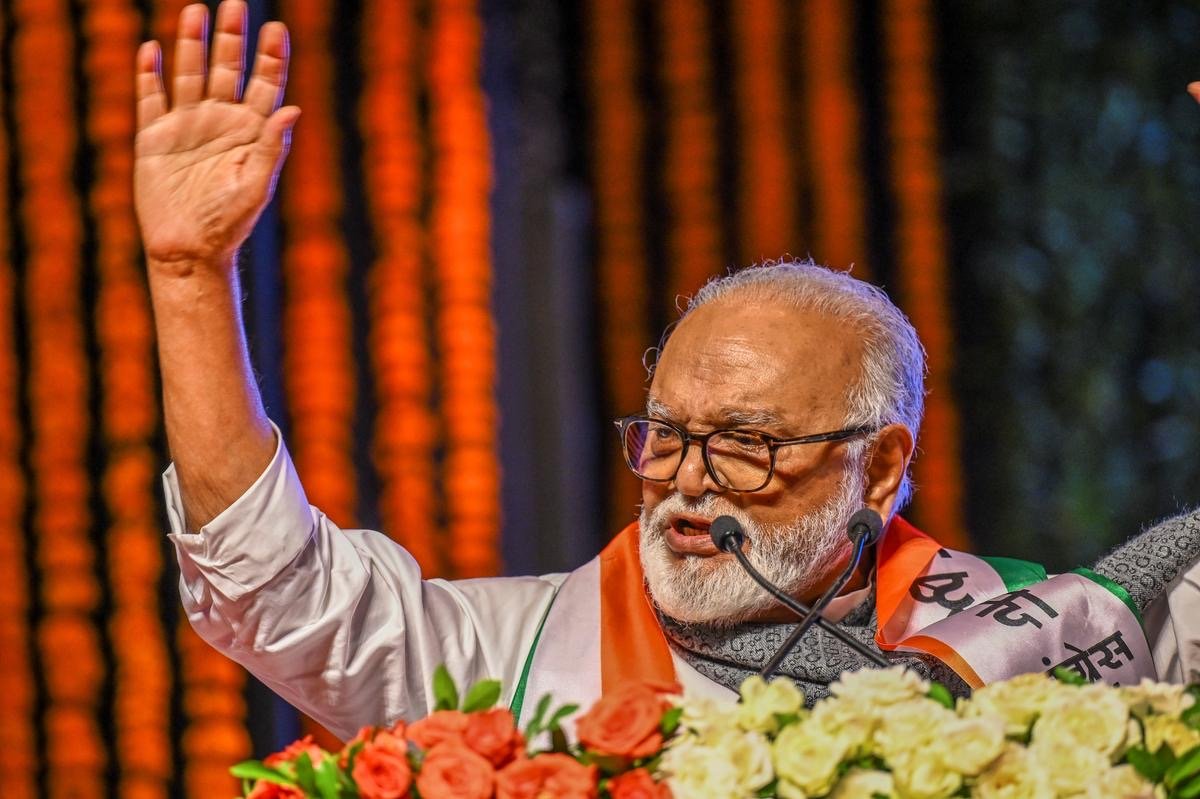
In the complex landscape of Maharashtra politics, few individuals command the demographic influence that Chhagan Bhujbal wields. His journey is not merely a personal biography but a reflection of the state's shifting socio-political alliances. Bhujbal emerged from the Shiv Sena in the 1960s, a period defined by nativist rhetoric, but he eventually became the face of the Mandal Commission's implementation in the state. This strategic pivot from Hindutva to caste-based social justice redefined the electoral arithmetic of Western Maharashtra and the Marathwada regions. As we examine his trajectory, we see a leader who has mastered the art of political survival, navigating through ideological splits and legal challenges while maintaining a solid base of supporters.
The Deep Dive: Strategic Phases of a Five-Decade Career
1. The Shiv Sena Foundation and the 1991 Rupture
Bhujbal began his career in the 1960s, heavily influenced by Bal Thackeray. He served as the Mayor of Mumbai twice (1985 and 1991), a role that provided him with a deep understanding of urban administration and infrastructure. However, the most significant turning point occurred in 1991. Bhujbal led a group of 18 MLAs to defect from the Shiv Sena to join the Indian National Congress under Sharad Pawar. This move was predicated on his support for the Mandal Commission recommendations, which the Shiv Sena leadership at the time resisted. This was a high-stakes gamble that established Bhujbal as a champion for OBC rights, a demographic that constitutes approximately 52 to 54 percent of Maharashtra's population according to various state commission estimates.
2. The Formation of the NCP and Ministerial Impact
When Sharad Pawar formed the Nationalist Congress Party (NCP) in 1999, Bhujbal was a founding member. He served as the first state president of the NCP and later as the Deputy Chief Minister. His tenure as the Public Works Department (PWD) Minister is particularly noteworthy. During this period, he oversaw the construction of the Maharashtra Sadan in New Delhi and numerous flyovers and highway projects in Mumbai. His administrative approach mirrored the systematic rigor found in a TGPSC: Strategic Analysis of Telangana Civil Services, focusing on long-term infrastructure as a means of political and economic leverage.
3. The Samata Parishad and Social Engineering
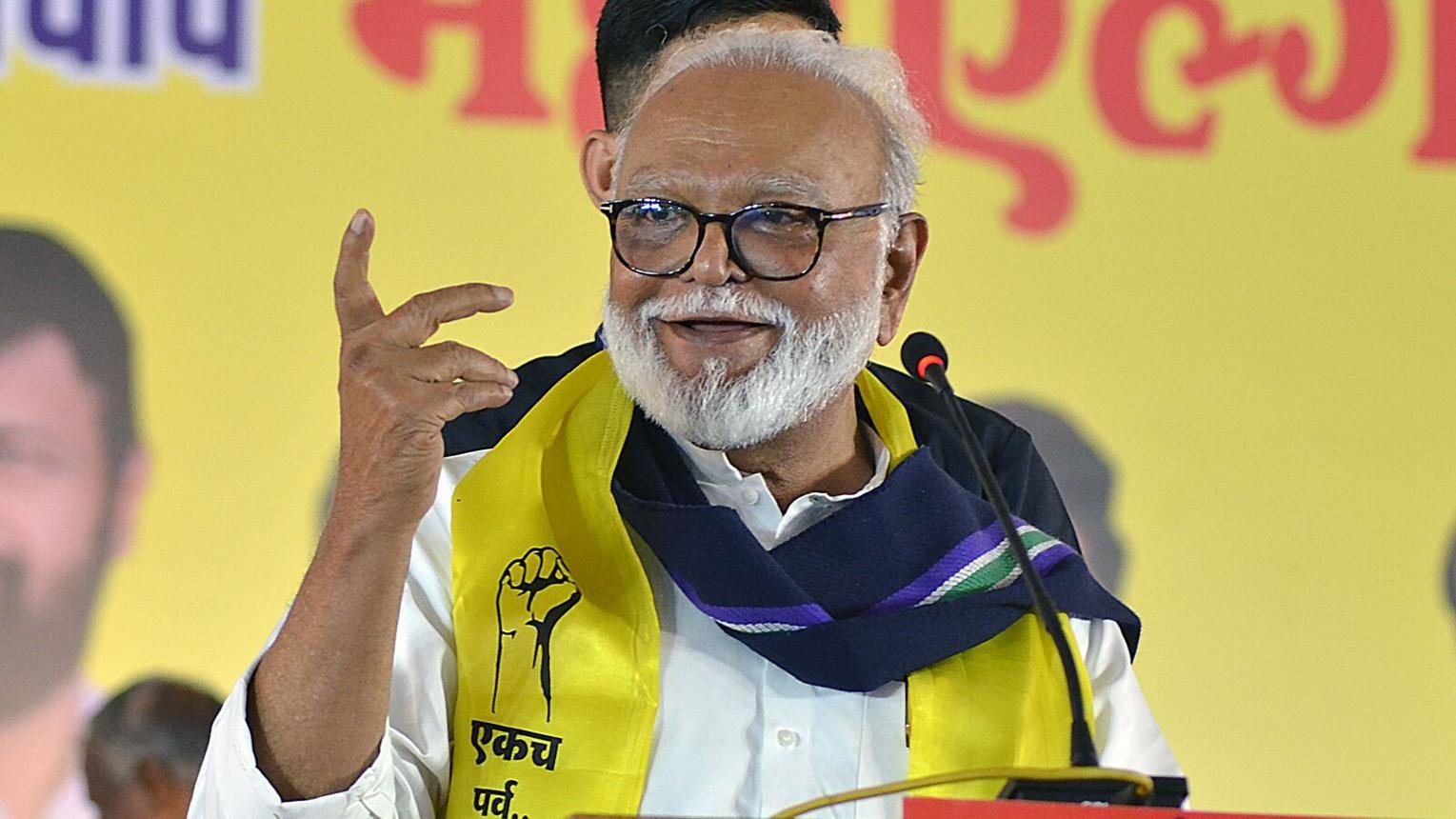
Bhujbal founded the Mahatma Phule Samata Parishad, a social organization aimed at uniting various OBC sub-castes. This organization has been his primary vehicle for non-electoral influence. By organizing massive rallies and advocating for reservations in education and employment, he ensured that his political relevance was never tied solely to a party banner. In the 2014 and 2019 elections, the OBC vote block proved to be the decisive factor in several constituencies, validating Bhujbal's long-term strategy of identity consolidation.
4. Resilience Through Legal and Political Adversity
The period between 2016 and 2018 was perhaps the most challenging for Bhujbal. He spent 26 months in Arthur Road Jail following investigations by the Enforcement Directorate (ED) regarding the Maharashtra Sadan case. Despite the severity of the allegations, he maintained his innocence and was eventually granted bail. His return to active politics in 2019 and his subsequent victory in the Yeola assembly seat demonstrated a rare level of political resilience. His ability to maintain his voter base despite legal scrutiny is a subject of intense study for political analysts.
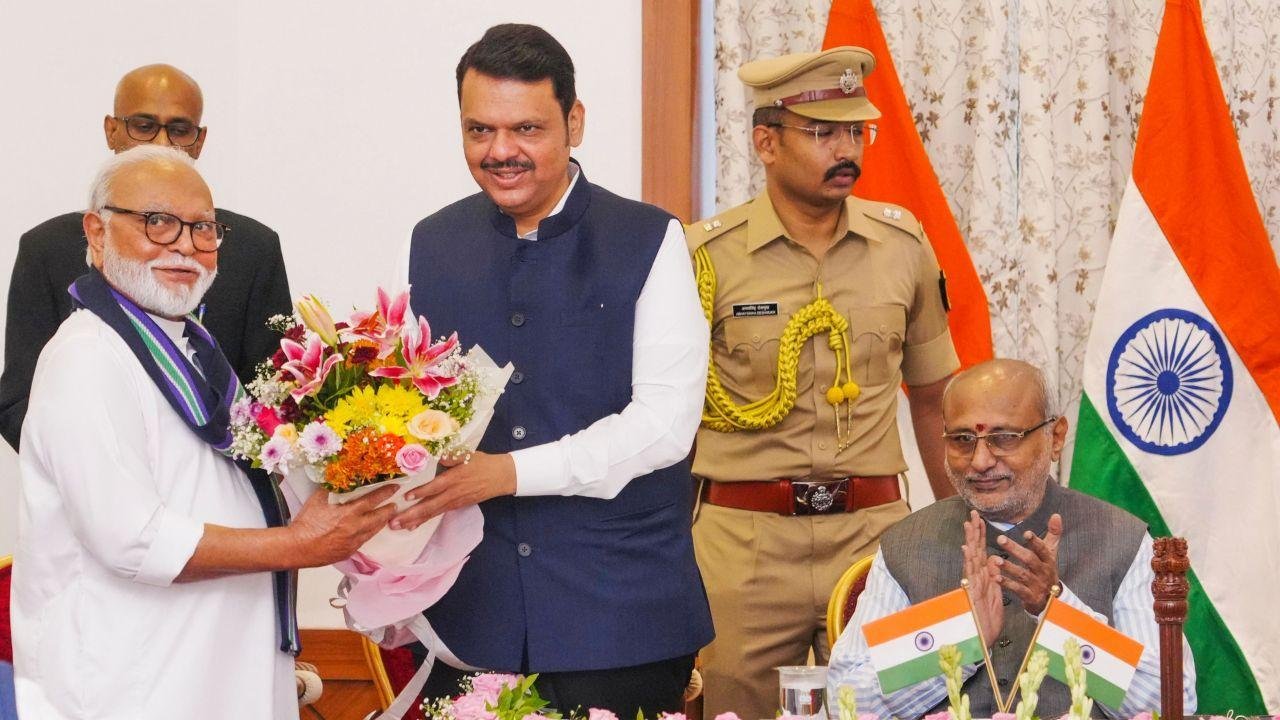
5. The 2023 Realignment
In July 2023, Bhujbal once again demonstrated his tactical flexibility by joining the Eknath Shinde-Devendra Fadnavis government as part of the Ajit Pawar-led NCP faction. This move was strategic, ensuring that the OBC voice remained represented within the ruling Mahayuti alliance. By securing the Food, Civil Supplies, and Consumer Protection portfolio, he positioned himself at the center of the state's welfare distribution system, a critical post for maintaining grassroots connectivity. This shift can be analyzed through a framework similar to Market Pricing and Valuation: A Strategic Framework, where political capital is reallocated to maximize influence and minimize risk.
What This Means For You
For the average citizen and the political observer, Chhagan Bhujbal's career offers several key takeaways:
- Understanding the power of demographic blocks: Bhujbal's career shows that representing a specific social group (like the OBCs) provides a more stable power base than mere party loyalty.
- The importance of infrastructure: His focus on PWD projects illustrates how tangible development can be used to cement a political legacy.
- Navigating volatility: His ability to switch alliances while retaining his core supporters provides a lesson in political adaptability and strategic communication.
- Administrative continuity: Despite changes in government, leaders like Bhujbal ensure that certain policy directions, particularly those related to social welfare, remain consistent.
Expert Verdict and Future Outlook
Industry experts and political scientists view Chhagan Bhujbal as a quintessential survivor. His future remains tied to the evolving dynamics of the NCP and the broader Mahayuti alliance. As Maharashtra approaches its next major electoral cycle, Bhujbal's role as a bridge between the traditional Maratha leadership and the OBC demographic will be critical. We expect him to continue pushing for the OBC census and increased quotas, which will likely be the central theme of his upcoming campaigns. His legacy will be defined by his ability to institutionalize OBC politics in a state previously dominated by Maratha hegemony.
FAQ
Who is Chhagan Bhujbal?
Chhagan Bhujbal is a senior Indian politician from Maharashtra, currently serving as a cabinet minister. He is a prominent leader of the OBC community and a key figure in the Nationalist Congress Party (NCP).
Which constituency does Chhagan Bhujbal represent?
He represents the Yeola Assembly constituency in the Nashik district of Maharashtra. He has held this seat consistently since 2004.
What is the Mahatma Phule Samata Parishad?
It is a social organization founded by Chhagan Bhujbal to advocate for the rights and social justice of the Other Backward Classes (OBCs), Dalits, and other marginalized communities in India.
What ministerial portfolios has he held?
Bhujbal has served as the Deputy Chief Minister of Maharashtra, the Minister of Public Works (PWD), and the Minister of Food, Civil Supplies, and Consumer Protection.
Why is he considered a significant figure in Maharashtra politics?
He is significant because he was one of the first major leaders to successfully challenge the status quo by focusing on OBC mobilization, effectively changing the state's political landscape from a single-community dominance to a more diverse coalition-based system.
Conclusion
Chhagan Bhujbal's political journey is a masterclass in strategic maneuvering and identity-based leadership. From the streets of Mumbai to the corridors of power in New Delhi, he has consistently adapted to the changing tides of Indian democracy. His career underscores the reality that in regional politics, the ability to represent a specific social interest is often more powerful than ideological rigidity. As Maharashtra continues to be a pivotal state in India's economic and political future, the strategies employed by Bhujbal will remain a benchmark for aspiring leaders and a critical point of analysis for those seeking to understand the deep-rooted dynamics of the Indian electorate.




Comments 0
Leave a Reply
Your email address will not be published. Required fields are marked *
Be the first to share your thoughts!