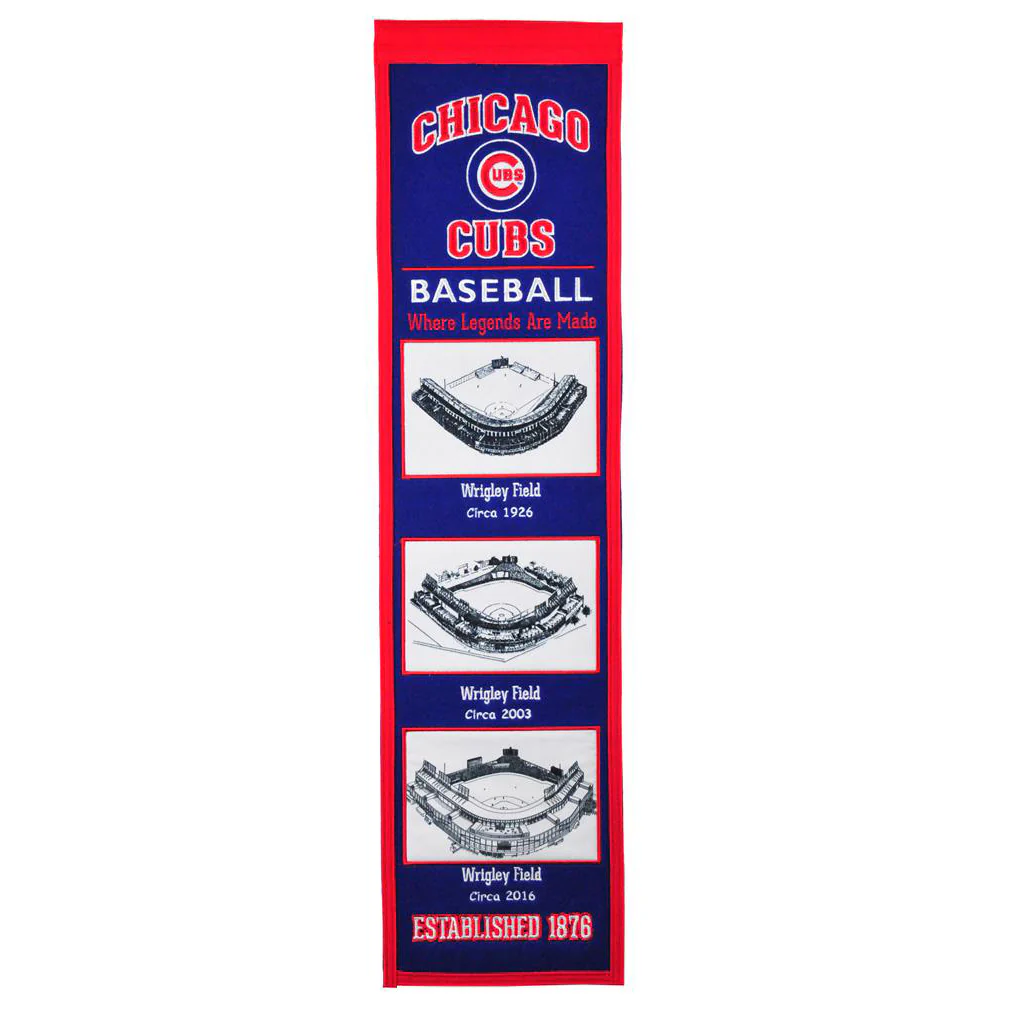
💡 What is Chicago cubs?
Explore how the Chicago Cubs are securing their future through strategic player extensions and elite scouting. Learn about the impact of Pete Crow-Armstrong on the roster.
The Evolution of the Chicago Cubs: Building a Sustainable Winning Culture Through Strategic Player Extensions
The Chicago Cubs stand as one of the most storied franchises in professional sports. Beyond the ivy-covered walls of Wrigley Field lies a complex organizational strategy designed to ensure long-term competitiveness in a demanding Major League Baseball landscape. In the modern era of the sport, success is no longer just about high-profile signings during the off-season. Instead, it is about identifying core talent early and securing their future within the organization. This approach provides a foundation of stability that allows a team to weather the natural fluctuations of a long season.
According to global sports analysts, the shift toward long-term player extensions for young stars is a defining characteristic of successful modern franchises. By committing to players like Pete Crow-Armstrong, the Cubs are not just investing in a single position: they are investing in a philosophy of homegrown excellence and defensive reliability. This strategy aims to create a window of contention that remains open for years rather than months.
Who is Pete Crow-Armstrong?
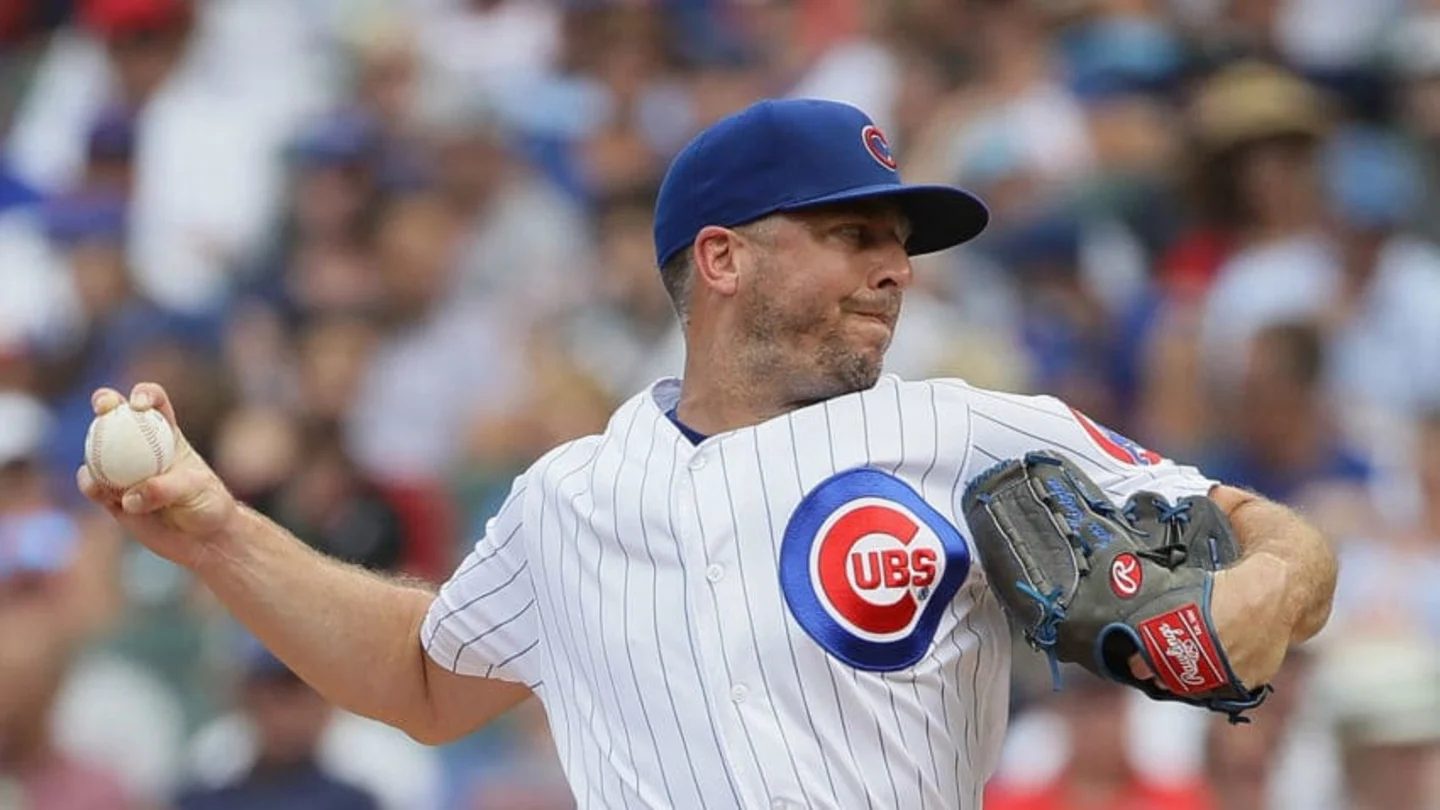
Pete Crow-Armstrong, often referred to by his initials PCA, represents the archetype of the modern dynamic outfielder. Known primarily for his elite defensive capabilities, he has quickly become a cornerstone of the Cubs' future plans. His ability to cover vast amounts of ground in center field makes him an invaluable asset, especially in a stadium like Wrigley Field where wind conditions can make fly balls unpredictable.
Experts suggest that his value extends far beyond his glove. As a left-handed hitter with exceptional speed, he puts constant pressure on opposing pitchers and defenses. His development through the minor league system was marked by rapid adjustments and a competitive fire that resonated with the coaching staff. By moving toward a long-term extension with such a young talent, the Cubs are signaling their belief that he is a foundational piece of their championship puzzle.
What is the Chicago Cubs' Strategy for Long-Term Success?
The organizational philosophy of the Chicago Cubs has evolved significantly over the last decade. The current focus centers on three primary pillars: elite scouting, data-driven player development, and financial flexibility. By locking in young talent to multi-year deals, the team gains cost certainty. This certainty allows the front office to allocate resources more effectively toward veteran leadership or specific needs in the trade market.
As per recent industry reports, the Cubs have prioritized high-ceiling athletes who possess high baseball intelligence. This shift is designed to create a roster that is versatile and resilient. When a team has a core group of players who have grown up within the same system, the chemistry and collective understanding of the team's goals become much stronger. This internal culture is often what separates good teams from championship teams during the grueling stretch of the summer months.
How to Understand the Benefits of Player Extensions
For fans and observers, a player extension can sometimes seem like a simple contract renewal, but it is far more nuanced. There are several key benefits to this practice:
- Cost Certainty: By agreeing to a set salary over several years, the team avoids the rising costs associated with the salary arbitration process.
- Player Security: For the athlete, an extension provides financial security and the peace of mind to focus entirely on their performance on the field.
- Roster Continuity: Fans can connect with players over a longer period, building a stronger bond between the community and the team.
- Trade Value: A player on a team-friendly, long-term contract is often a more valuable asset if the team ever needs to pivot their strategy.
According to financial experts in the sports sector, these deals are often structured to buy out the player's remaining years of team control while also covering several years of what would have been their free agency period. This creates a win-win scenario where the player gets guaranteed wealth and the team gets several years of a star player's prime at a predictable rate.
The Role of Defensive Excellence in Roster Construction
In the modern game, the value of run prevention is just as high as run production. The Chicago Cubs have placed a premium on defense, particularly in the middle of the diamond. A center fielder who can turn doubles into outs saves the pitching staff thousands of high-stress pitches over the course of a season. This philosophy reduces the burden on the bullpen and keeps the team in close games.
Pete Crow-Armstrong is the personification of this defensive-first mindset. Analysts often point out that a great defender in center field acts as a captain for the entire outfield, improving the positioning and performance of the players to his left and right. This ripple effect is a major reason why the Cubs front office is so keen on securing his presence for the foreseeable future.
Common Challenges in Building a Winning Baseball Culture
While the strategy of extending young players is sound, it is not without risks. The most common challenge is the unpredictability of health. Baseball is a physically demanding sport, and long-term commitments carry the risk of injury. If a cornerstone player spends significant time on the injured list, the team must have the depth to fill that void without losing momentum.
Another challenge is the pressure of expectations. When a young player signs a significant contract, the spotlight intensifies. Managing the psychological aspect of being a face of the franchise is a critical part of player development. The Cubs organization addresses this by providing robust support systems, including mental skills coaches and veteran mentors who have navigated similar paths.
Pro Tips for Evaluating Team Progress
If you are looking to gauge how well the Chicago Cubs are executing their long-term plan, consider these expert insights:
- Monitor the Farm System: A healthy major league roster starts with a productive minor league system. Look for a steady stream of talent rising through the ranks.
- Observe Defensive Metrics: Use advanced statistics like Outs Above Average (OAA) to see if the team's defensive focus is actually translating to saved runs.
- Check Contract Flexibility: Look at the team's total payroll commitments three to five years out. A well-managed team will have space to add pieces when they are close to a championship.
- Evaluate Veteran Integration: See how well the team blends young stars with experienced veterans. The best teams usually have a mix of youthful energy and seasoned wisdom.
Frequently Asked Questions
Who is the primary architect of the Cubs' current roster?
The roster is primarily shaped by the President of Baseball Operations and the General Manager, supported by a vast network of scouts and data analysts. They work in tandem to align the team's on-field needs with the organization's financial capabilities.
How does Wrigley Field impact the way the Cubs build their team?
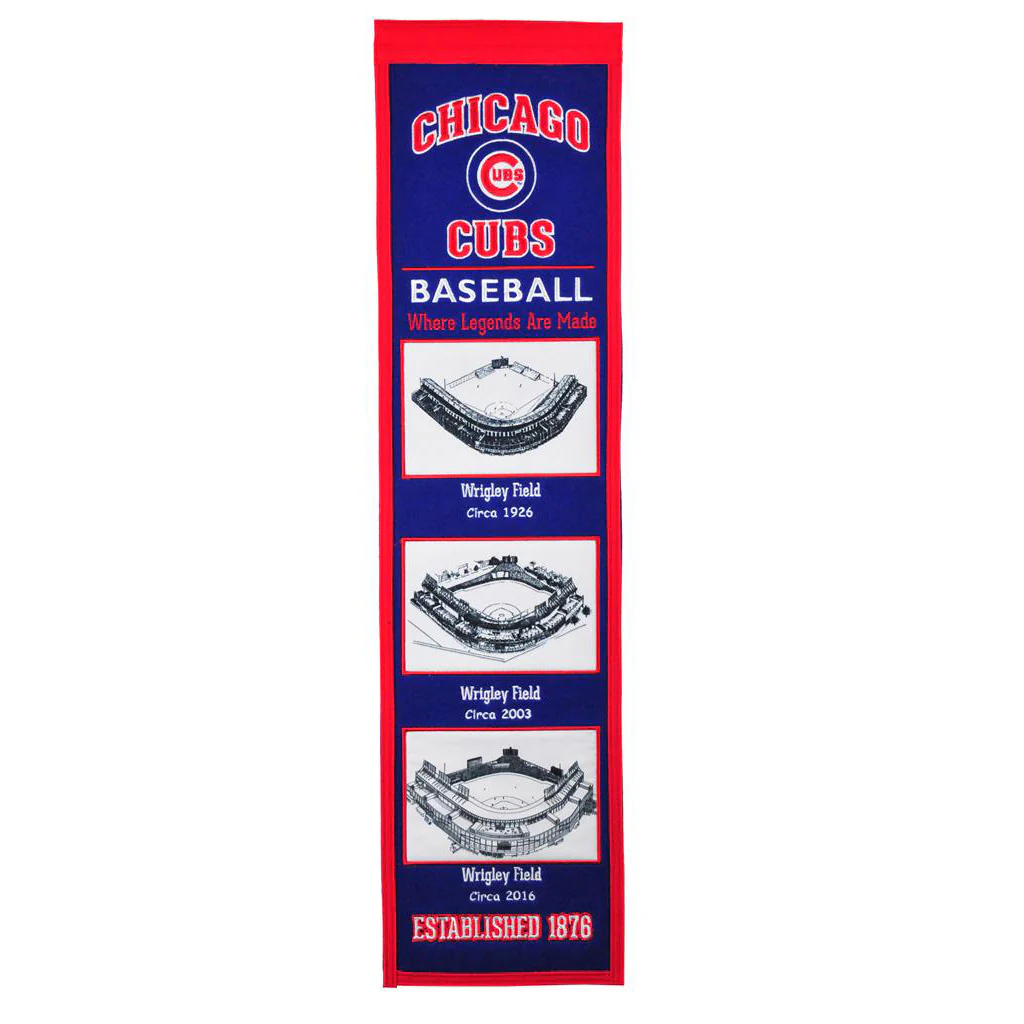
Wrigley Field is unique due to its dimensions and the influence of Lake Michigan on wind patterns. The Cubs often prioritize players with high contact rates and elite defensive range to combat the specific challenges of their home stadium.
What is the importance of the MLB Draft for the Cubs?
The draft is the lifeblood of the organization. It allows the team to acquire young talent at a controlled cost. Successful drafting and subsequent development are what allow the team to consider extensions for players like Pete Crow-Armstrong.
How do player extensions affect the luxury tax?
Extensions are calculated based on the Average Annual Value (AAV) of the contract. By spreading out the cost over many years, teams can sometimes manage their luxury tax hits more effectively, allowing them to remain under the threshold while still maintaining a high-quality roster.
Why is Pete Crow-Armstrong considered a top prospect?
He is considered a top prospect because of his rare combination of Gold Glove caliber defense, elite speed, and a developing offensive game. His high floor as a defender makes him a safe bet to contribute at the major league level even as his hitting evolves.
Conclusion
The Chicago Cubs are currently engaged in a meticulous process of building a sustainable contender. By focusing on core talent and securing long-term commitments, the organization is creating a stable environment where young stars can thrive. The potential extension of Pete Crow-Armstrong is a testament to this vision, highlighting a commitment to defensive excellence and athletic versatility. As the team continues to blend its rich history with modern analytical strategies, the future at Wrigley Field remains bright for players and fans alike. Success in Major League Baseball is a marathon, and the Cubs are clearly focused on winning every mile of the way.
Related Media
Quick View: The Evolution of the Chicago Cubs: Building a Sustainable Winning Culture Through Strategic Player Extensions





Comments 0
Leave a Reply
Your email address will not be published. Required fields are marked *
Be the first to share your thoughts!