
💡 Where is Png?
Explore the world of Piped Natural Gas (PNG) in India. Learn about its benefits, infrastructure, safety protocols, and how the government is addressing delays to boost clean energy.
The global energy landscape is undergoing a massive transformation, and India is at the forefront of this shift. As the nation strives to reduce its carbon footprint and move toward a more sustainable future, the focus has pivoted significantly toward natural gas. Among the various forms of energy available, Piped Natural Gas (PNG) has emerged as a preferred choice for millions of households and commercial establishments across the country. The transition from traditional cylinders to a seamless pipeline network represents not just a change in fuel, but a leap in infrastructure and convenience.
According to the Petroleum and Natural Gas Regulatory Board (PNGRB), India aims to increase the share of natural gas in its primary energy mix from the current levels to 15 percent by the year 2030. This ambitious goal requires a robust distribution network and a clear understanding of what PNG offers to the end-user. In this guide, we will explore the intricacies of PNG, its benefits, the infrastructure supporting it, and the steps being taken to streamline its delivery across Indian cities.
What is Piped Natural Gas (PNG)?
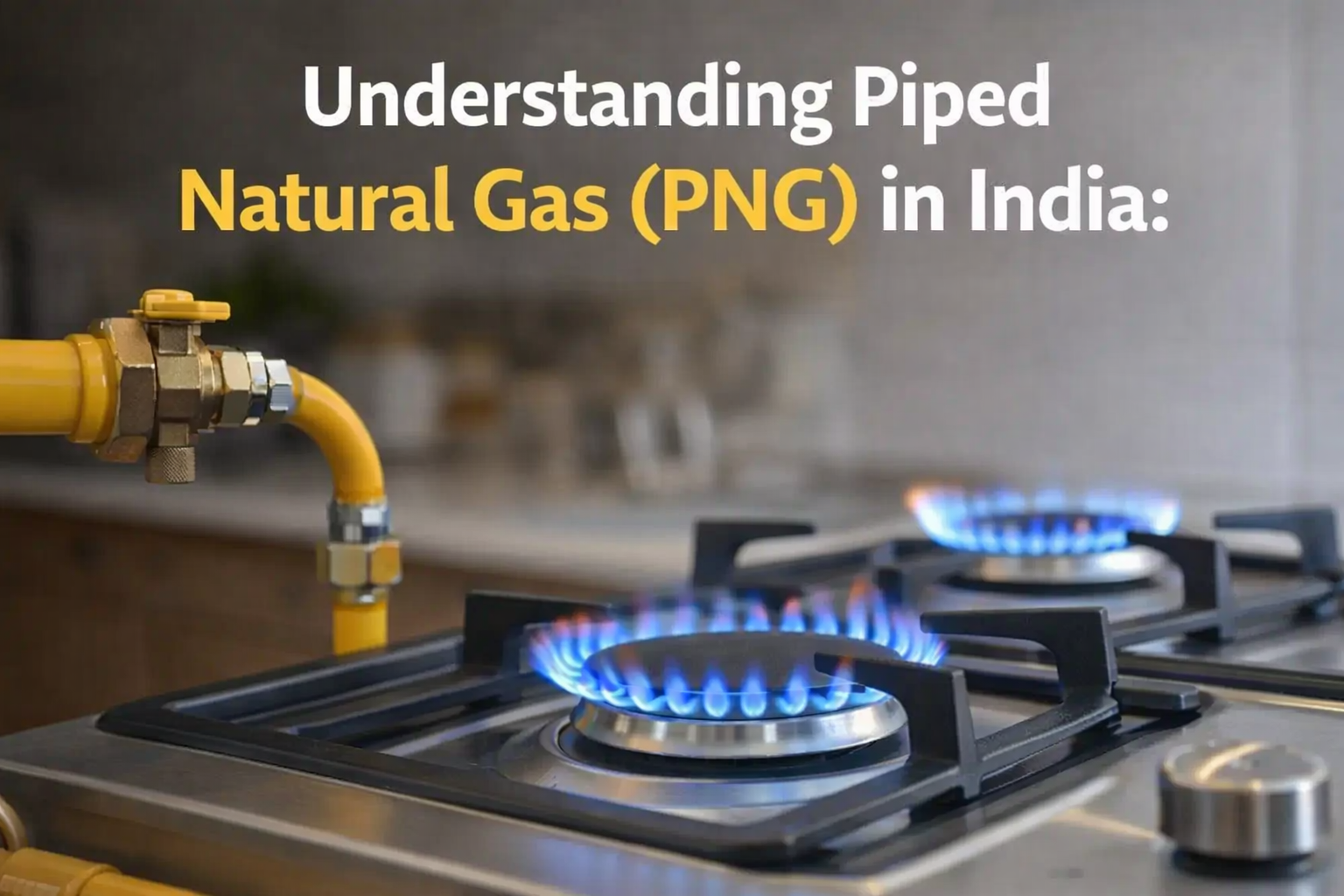
Piped Natural Gas, commonly known as PNG, is essentially methane (CH4) that is delivered to consumers through a network of pipelines. Unlike Liquefied Petroleum Gas (LPG), which is stored in pressurized cylinders, PNG is supplied in a gaseous state at low pressure. It is the same natural gas that is extracted from gas fields, processed, and then transported through a vast network of transmission and distribution lines.
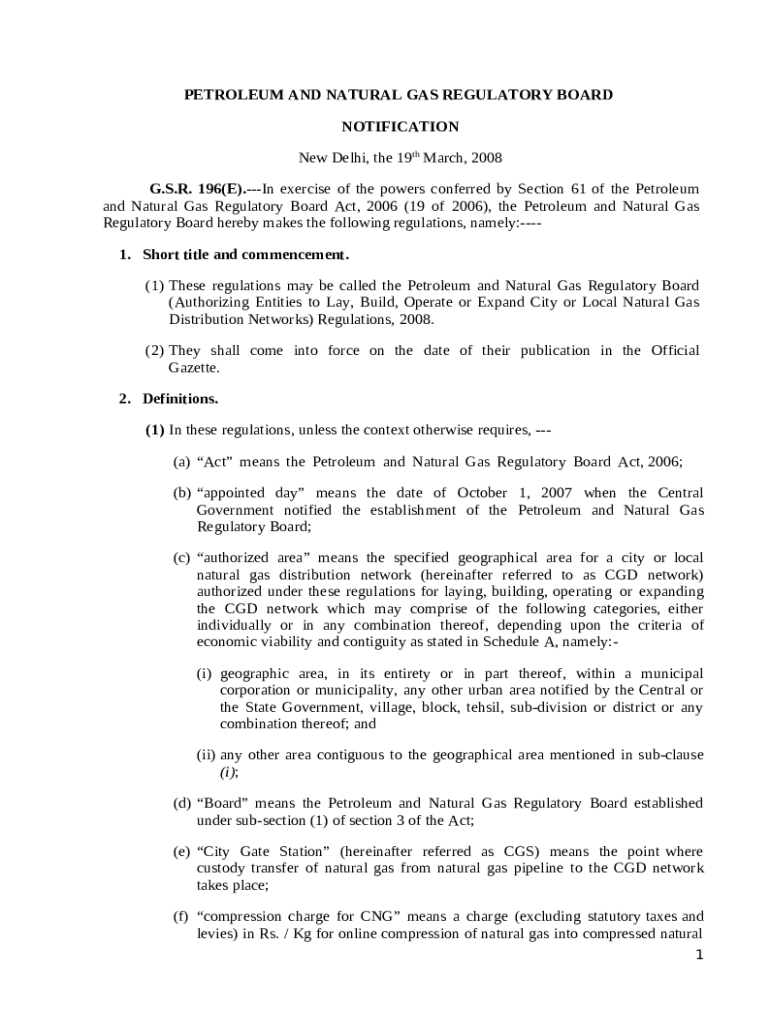
Energy experts at PNGRB state that PNG is one of the cleanest-burning fuels in India, producing fewer emissions than LPG or coal. When ignited, it produces significantly fewer pollutants compared to coal, wood, or even liquid fuels. This makes it an ideal choice for cooking, heating, and industrial applications. In the Indian context, PNG is primarily managed by City Gas Distribution (CGD) companies that operate under the regulatory framework of the Petroleum and Natural Gas Regulatory Board (PNGRB).
How is PNG distributed across India?
The distribution of PNG involves a complex but highly efficient infrastructure. The journey of the gas starts from domestic production fields or Liquefied Natural Gas (LNG) import terminals. From there, it travels through high-pressure trunk pipelines owned by major entities like GAIL (India) Limited. Once it reaches a specific city or geographic area, the pressure is reduced at a City Gate Station (CGS), where the high-pressure gas is reduced for safe city distribution.
After the pressure reduction, the gas enters the City Gas Distribution network. This network consists of a web of steel and Polyethylene (PE) pipes buried underground. These pipes carry the gas to various localities, where it is further regulated and distributed to individual homes, hotels, hospitals, and factories. As per the Ministry of Petroleum and Natural Gas report 2025, the government is focusing on strengthening this infrastructure to ensure that even the most remote urban pockets are connected to the grid.
Why is the Indian government prioritizing PNG infrastructure?
The push for PNG is driven by the need for energy security and environmental protection. Industry specialists point out that traditional fuels like LPG require extensive logistics, including bottling plants, transport trucks, and manual delivery systems. This often leads to delays, high operational costs, and a larger carbon footprint due to vehicular emissions during transport.
By investing in a piped network, the government aims to eliminate these logistical bottlenecks. According to the Ministry of Petroleum and Natural Gas report, 2025 there is a concerted effort to address delays in pipeline laying and to streamline the granting of permissions from local municipal bodies. Strengthening the natural gas infrastructure is seen as a way to provide a reliable, 24/7 energy supply to citizens while reducing the nation's reliance on imported oil and expensive LPG subsidies.

What are the primary benefits of using PNG?
The transition to PNG offers a multitude of advantages for the average consumer. These benefits span across safety, cost-effectiveness, and sheer convenience.
- Uninterrupted Supply: One of the biggest pain points of LPG is the need to book a refill and wait for delivery. PNG provides a continuous supply of gas through pipes, ensuring that you never run out of fuel in the middle of cooking.
- Safety: Natural gas is lighter than air. In the rare event of a leak, it quickly dissipates into the atmosphere, significantly reducing the risk of fire or explosions compared to LPG, which is heavier than air and tends to settle at floor level.
- Space Saving: Since the gas comes through a pipe, there is no need to store heavy and bulky cylinders in the kitchen. This frees up valuable floor space in modern urban apartments.
- Economic Efficiency: PNG is often more economical than non-subsidized LPG. Furthermore, consumers only pay for the exact amount of gas they consume, measured by a meter, similar to electricity or water billing.
- Eco-Friendly: As a cleaner fuel, PNG contributes to lower indoor and outdoor air pollution, supporting India's green energy initiatives.
How to apply for a new PNG connection in India?
If your residential area is covered by a City Gas Distribution company like Indraprastha Gas Limited (IGL), Mahanagar Gas Limited (MGL), or Adani Total Gas, the process of obtaining a connection is relatively straightforward. While the specific steps may vary slightly between providers, the general procedure is as follows:
- Check Availability: Visit the official website of the CGD provider in your city to see if your colony or apartment complex is already connected to the network.
- Online Application: Fill out the registration form on the provider's portal. You will typically need to provide proof of identity and proof of ownership or tenancy of the property.
- Payment of Security Deposit: Most providers require an initial interest-free refundable security deposit for the meter and the connection equipment.
- Technical Survey: A technician will visit your premises to determine the best route for the internal piping and the location of the meter.
- Installation: Once the survey is complete, the technical team will install the yellow PE pipes, the meter, and the copper tubing leading to your stove.
- Conversion of Stove: Standard LPG stoves need a small modification (changing the burner nozzle) to work efficiently with PNG. This is usually done by the service provider's technician during installation.
What are the common challenges and how are they being addressed?
Despite the clear benefits, the expansion of PNG networks faces certain hurdles. Experts suggest that the primary challenge is the "Right of Use" (RoU) permissions. Laying pipes requires digging up roads and navigating through existing underground utilities like water lines, sewage, and fiber optic cables. This often leads to delays in project completion.
To address these issues, the Petroleum Ministry has issued directions to various stakeholders to improve coordination. There is an increasing emphasis on using "Trenchless Technology (a method to lay pipelines underground without digging open trenches, minimizing traffic disruption)" to lay pipes without disrupting traffic or damaging surface structures. Additionally, the government is working on a unified policy to standardize the charges levied by local bodies for pipeline laying, which is expected to accelerate the rollout of connections in major cities across India.
Safety protocols and best practices for PNG users
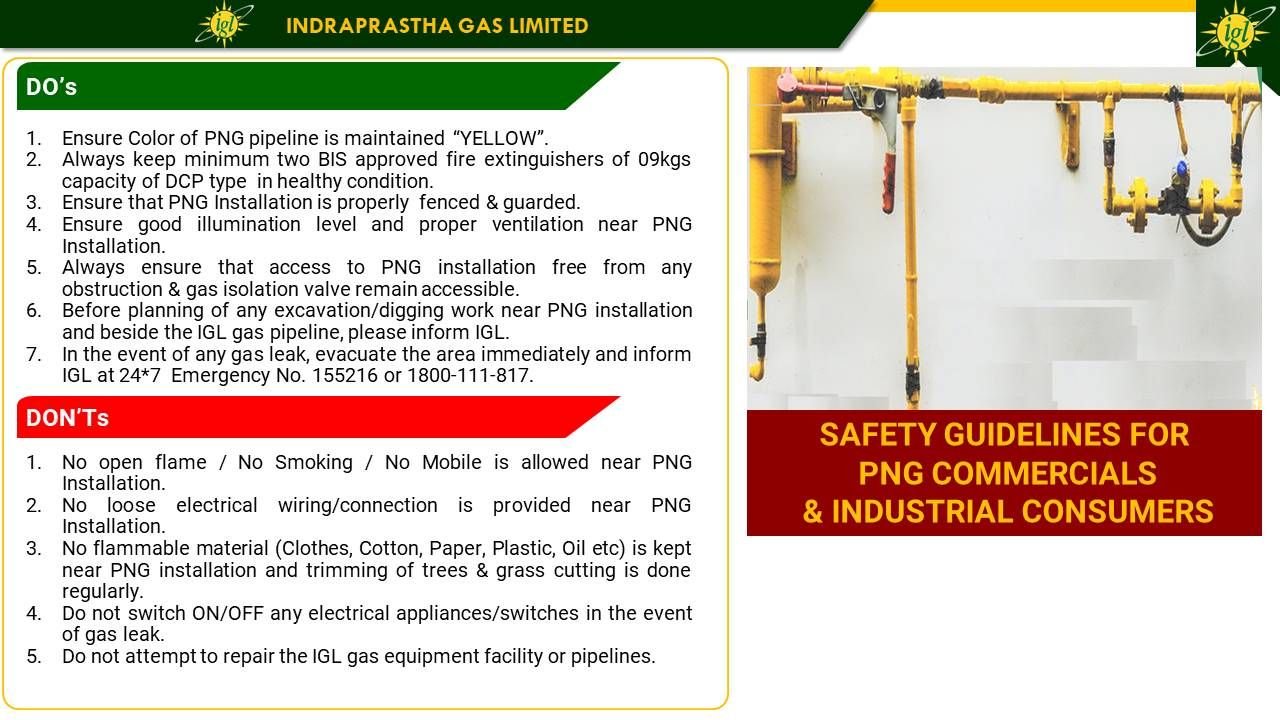
While PNG is inherently safer than LPG, it is crucial to follow certain safety guidelines to ensure a hazard-free environment. According to safety experts in the energy sector, users should adhere to the following:
- Regular Inspection: Periodically check the rubber tube connecting the pipe to the stove for any signs of wear or cracks. It is recommended to replace this tube every two years.
- Ventilation: Ensure that your kitchen is well-ventilated. Never block the air vents or windows while the stove is in use.
- Smell Detection: Natural gas is naturally odorless, but an odorant called Mercaptan is added to it to give it a distinct smell (similar to rotten eggs). If you detect this smell, turn off the main gas valve immediately.
- Emergency Actions: In case of a suspected leak, do not operate any electrical switches or use a mobile phone near the leak area. Open all doors and windows and call the emergency helpline of your gas provider.
- Authorized Service Only: Never attempt to repair or modify the gas pipeline or meter yourself. Always contact authorized technicians from your gas company for any maintenance work.
Frequently Asked Questions (FAQs)
1. Can I use my existing LPG stove with PNG?
Yes, your existing LPG stove can be used with PNG. However, because PNG operates at a different pressure than LPG, the stove's nozzles must be replaced. This modification is typically performed by the gas company's technician during the installation process.
2. Is PNG cheaper than LPG?
In most Indian cities, PNG is more cost-effective than non-subsidized LPG cylinders. Since you pay only for the gas consumed as per the meter reading, there is no wastage, and the overall monthly expenditure is usually lower.
3. What happens to my LPG connection after I get PNG?
As per government regulations, a consumer cannot hold both a subsidized LPG connection and a PNG connection simultaneously. Once your PNG connection is activated, you are generally required to surrender your LPG connection or convert it to a non-subsidized (market price) connection.
4. How is the billing for PNG done?
PNG billing is similar to electricity billing. A meter reader visits your home periodically (usually once every two months) to record the consumption. Some companies also offer self-billing options through mobile apps where you can upload a photo of your meter reading.
5. Is PNG supply affected by power outages?
No, the supply of PNG is purely mechanical and based on pressure differentials within the pipeline network. It does not depend on electricity, so your gas supply will remain unaffected during power cuts.
Conclusion
The transition to Piped Natural Gas is a vital component of India's journey toward a cleaner and more efficient energy future. By understanding the infrastructure, benefits, and safety measures associated with PNG, consumers can make an informed choice that enhances their quality of life. As the government continues to address infrastructural delays and strengthen the distribution network, PNG is set to become the standard for domestic and commercial fuel across the nation. Embracing this change not only offers individual convenience but also contributes to the collective goal of a greener India.
Related Media
Quick View: Understanding Piped Natural Gas (PNG) in India: A Comprehensive Guide to the Future of Domestic Fuel





Comments 0
Leave a Reply
Your email address will not be published. Required fields are marked *
Be the first to share your thoughts!