

💡 The Cinematic Vision of Bharathiraja: How the 'Imayam' Redefined Tamil Realism
Explore the legendary career of Bharathiraja, the director who revolutionized Tamil cinema by bringing the camera to the villages and discovering icons like Karthik and Revathi.
Bharathiraja is the legendary filmmaker who fundamentally transformed Tamil cinema by moving the camera out of artificial studios and into the authentic, sun-drenched landscapes of rural South India. Known as 'Iyakkunar Imayam' (The Everest of Directors), he is the pioneer of the rural realism genre, replacing the theatrical acting and painted backdrops of the 1970s with the raw soil, folk traditions, and genuine emotions of village life.
The Director Who Brought the Camera to the People
Before Bharathiraja entered the scene, Tamil cinema was largely confined to air-conditioned studios in Chennai. Villages were represented by flimsy sets, and the dialogue was often poetic but disconnected from how people actually spoke. Bharathiraja changed this by treating the landscape as a character itself. He didn't just film a story in a village; he captured the soul of the village—the dust on the roads, the sound of the temple bells, and the complex social hierarchies of rural society.
Breaking the Studio Walls: The 16 Vayathinile Revolution
In 1977, the release of 16 Vayathinile acted as a cultural earthquake. It was a film that shouldn't have worked by the standards of the time. The hero was a physically challenged man (Chappani), the heroine was a naive village girl (Mayil), and the villain was a local rowdy (Parattai). By casting stars like Kamal Haasan, Sridevi, and Rajinikanth in these grounded roles, Bharathiraja proved that audiences were hungry for realism. This film birthed the 'Rural Cinema' movement, showing that the lives of ordinary villagers were worthy of the silver screen.
The Aesthetics of the Soil: Defining the Signature Style
Bharathiraja’s visual language is unmistakable. He had a unique way of framing the Tamil landscape, often using wide shots to show the vastness of the fields against the vulnerability of his characters. He preferred natural light, which gave his films a warm, organic glow that studio lights could never replicate.
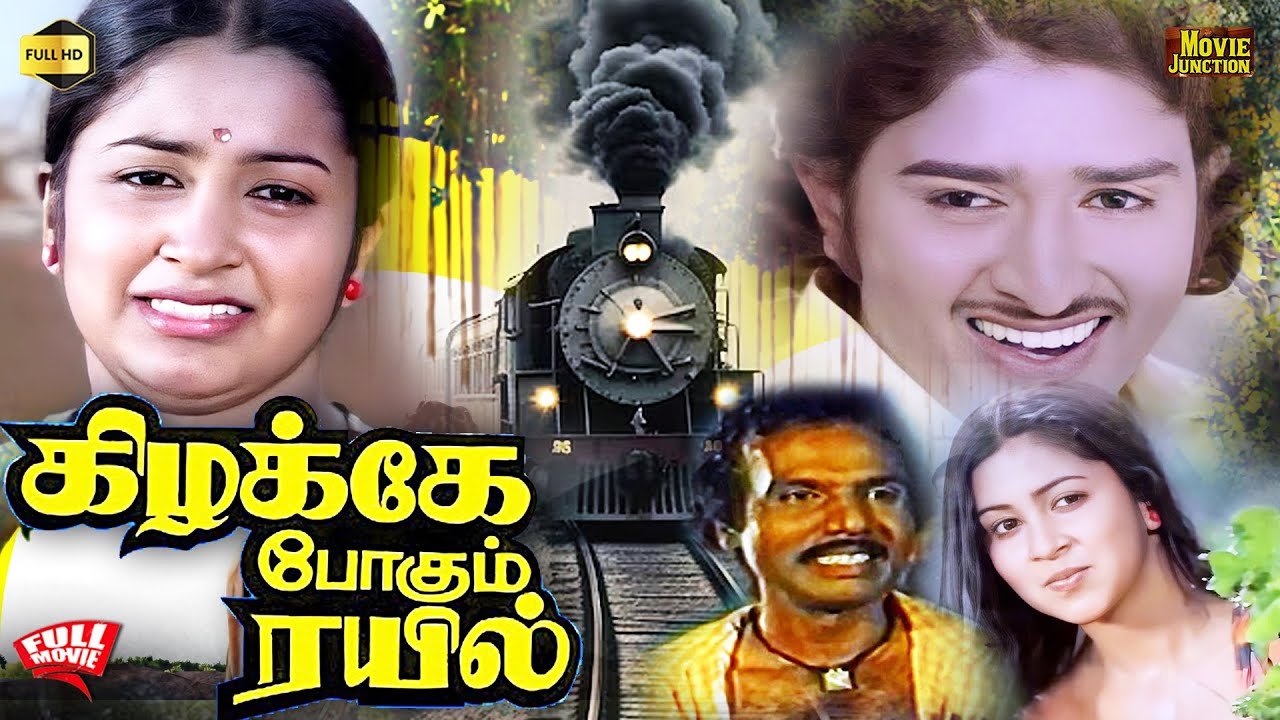
His use of color—particularly the deep reds of the soil and the vibrant greens of the paddy fields—became a hallmark of his storytelling. He often used the elements of nature, like rain or the wind blowing through palm trees, to mirror the internal turmoil of his protagonists.
A Talent Scout Extraordinaire: Launching the Icons
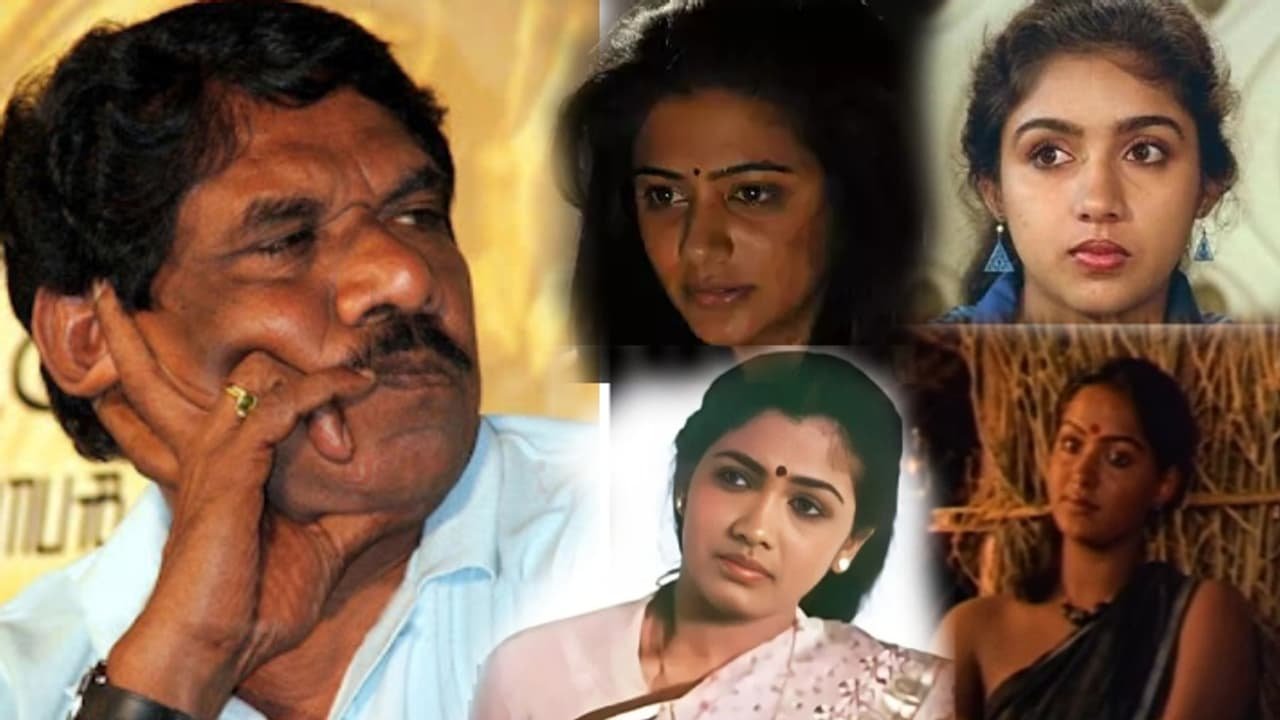
Perhaps Bharathiraja’s greatest contribution to Indian cinema is his uncanny ability to spot raw talent. He didn't look for polished actors; he looked for faces that belonged to the soil. He introduced a staggering number of actors who went on to become legends, including Raadhika, Radha, Revathi, and Vijayashanthi.
One of the most famous stories of his talent scouting involves the debut of actor Karthik in Alaigal Oivathillai. Karthik, the son of the veteran actor Muthuraman, wasn't initially looking for a film career. However, after Karthik met with a minor car accident, Bharathiraja happened to see him. Despite the bandages or the disheveled state, Bharathiraja saw a spark of innocence and charm that was perfect for the role of a young man in love. This chance encounter birthed one of the most celebrated romantic heroes in Tamil cinema.
Beyond the Village Green: Psychological Thrillers and Social Critiques
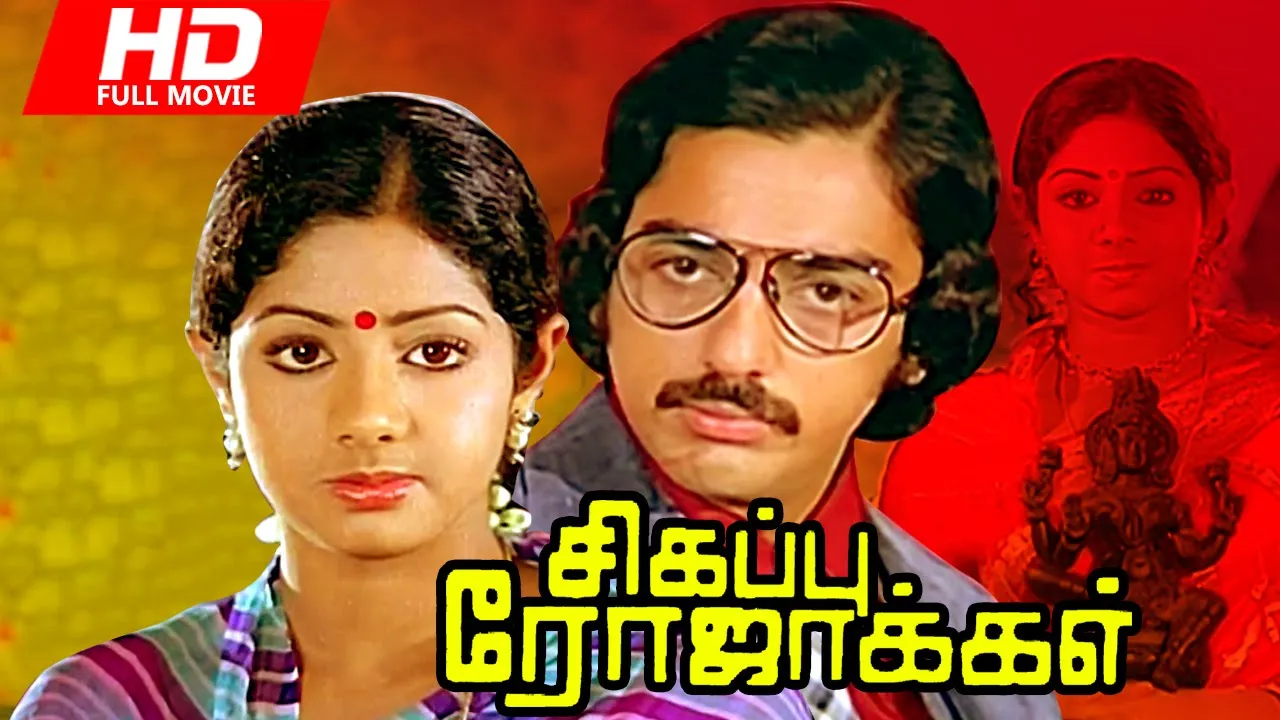
While he is the master of rural themes, Bharathiraja was never a one-trick pony. He successfully pivoted to urban psychological thrillers with Sigappu Rojakkal, which explored the dark mind of a serial killer—a bold move for the late 70s. He also used his platform to critique deep-seated social issues. In Vedham Pudhithu, he took a fearless stand against caste discrimination and religious hypocrisy, proving that his cinema had both beauty and a backbone.
The Soul of the Story: The Symbiotic Partnership with Ilaiyaraaja
It is impossible to discuss Bharathiraja’s films without mentioning the music of Ilaiyaraaja. The duo shared a symbiotic relationship that defined the sound of the 80s. While Bharathiraja provided the visuals of the soil, Ilaiyaraaja provided the heartbeat through folk-infused melodies and sweeping orchestral scores. Whether it was the melancholic flute in a lonely field or the upbeat rhythm of a village festival, the music made the realism feel poetic.
Legacy and Influence: Shaping the New-Wave
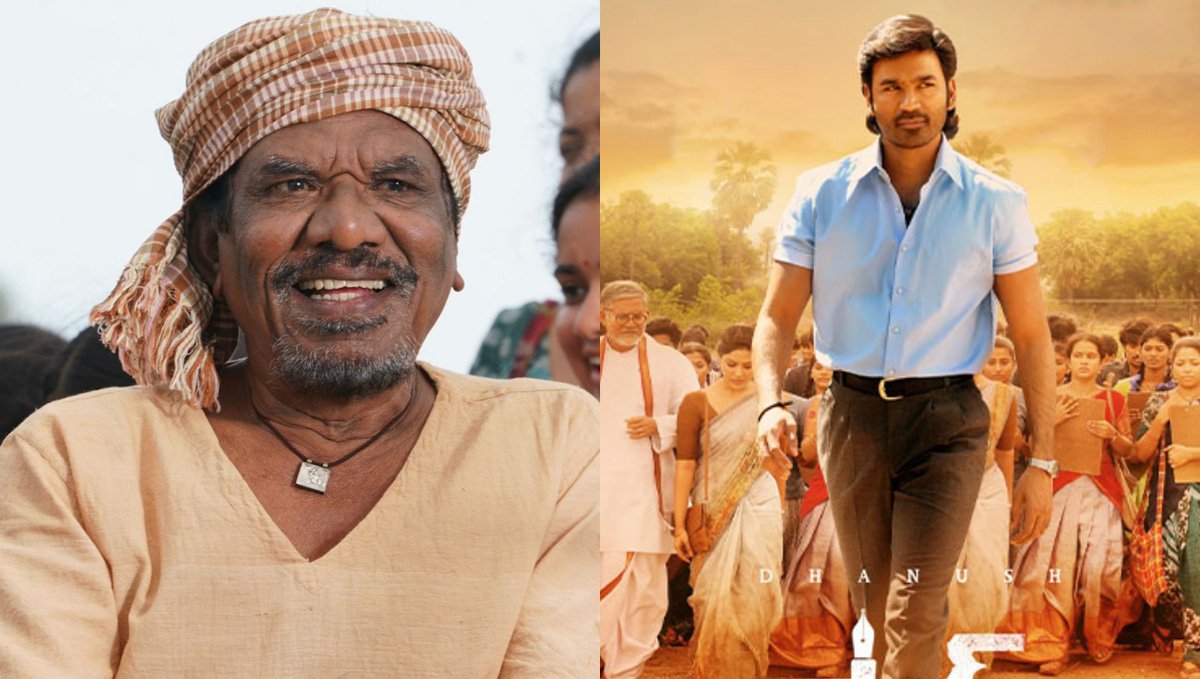
The 'Bharathiraja School' of filmmaking continues to influence directors today. Modern filmmakers like Sasikumar, Ameer, and Vetrimaran carry forward the torch of grounded, realistic storytelling that Bharathiraja lit decades ago. The shift toward 'earthy' cinema, where the location is as important as the plot, is a direct legacy of his vision.
Frequently Asked Questions
Why is Bharathiraja called 'Iyakkunar Imayam'?
The title 'Iyakkunar Imayam' translates to 'The Everest of Directors.' It was given to him to honor his towering contributions to Tamil cinema and his role in elevating the medium to new artistic heights through realism.
Which was Bharathiraja's first movie?
His directorial debut was 16 Vayathinile (1977), which is considered one of the most influential films in the history of South Indian cinema.
How did Bharathiraja discover actor Karthik?
Bharathiraja spotted Karthik after the latter had a minor car accident. He felt Karthik’s look and personality were perfect for the lead role in Alaigal Oivathillai, even though Karthik had no prior acting experience.
What is the 'Bharathiraja touch'?
The 'Bharathiraja touch' refers to his signature style of blending realistic rural settings with sensitive emotional storytelling, often accompanied by naturalistic visuals and soulful music by Ilaiyaraaja.
Conclusion
Bharathiraja did more than just direct movies; he gave a voice to the rural heartland of India. By stepping out of the studio and into the fields, he taught an entire generation of filmmakers that beauty lies in authenticity. His legacy lives on in every grain of sand and every folk melody that graces the Tamil screen, ensuring that the 'Imayam' remains an unshakable peak in the world of cinema.




Comments 0
Leave a Reply
Your email address will not be published. Required fields are marked *
Be the first to share your thoughts!