
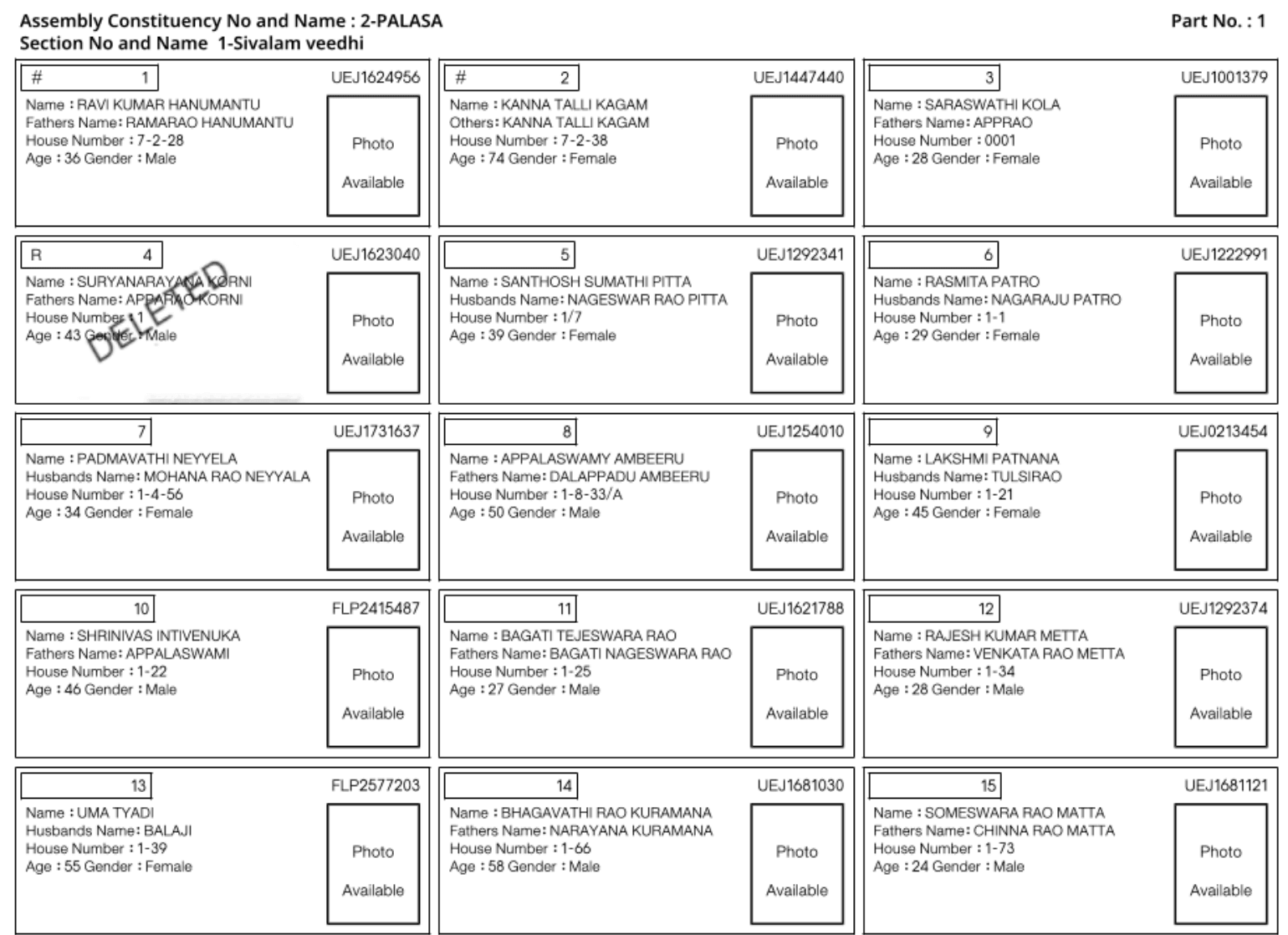
💡 Who is Voter list?
A detailed guide on how the Indian voter list works, the importance of supplementary electoral rolls, and a step-by-step process to ensure your name is registered for elections.
In the world’s largest democracy, the voter list, officially known as the Electoral Roll, serves as the fundamental pillar of the representative system. It is more than just a collection of names, it is the primary document that empowers citizens to exercise their constitutional right to vote. Ensuring that this list is accurate, up to date, and inclusive is a massive administrative undertaking managed by the Election Commission of India (ECI). When administrative bodies release updates, such as the second supplementary electoral roll list in regions like West Bengal, it highlights the continuous nature of democratic preparation.
Understanding how the voter list functions, how it is updated, and how a citizen can verify their inclusion is essential for every eligible voter. This guide provides an in-depth exploration of the electoral roll system in India, the significance of supplementary lists, and the digital tools available to the public.
What is the Voter List or Electoral Roll?
The voter list is a comprehensive record of all individuals who are registered and eligible to cast their vote in a specific constituency. As per the Representation of the People Act, 1950 and the Registration of Electors Rules, 1960, the voter list is officially maintained by the Election Commission of India.. The list is divided into different parts based on geographical areas, usually corresponding to polling stations.
A person’s name appearing on the electoral roll is a prerequisite for voting. Even if an individual possesses a physical Voter ID card (EPIC), they cannot vote if their name is missing from the current version of the voter list at their designated polling station. This makes the periodic revision of these lists a critical event for both the government and the citizenry.

How Does the Election Commission of India Maintain the Electoral Roll?
The Election Commission of India (ECI) follows a rigorous process to ensure the integrity of the voter list. The Election Commission of India follows two main methods to update the voter list: Summary Revision and Continuous Revision.
- Summary Revision: This usually happens once a year. The ECI sets a qualifying date (often January 1st) and invites citizens to add their names, delete entries of deceased or shifted persons, or correct existing details.
- Continuous Revision: Even after the final publication of the electoral roll, the process of updating does not stop. Citizens can apply for registration or corrections throughout the year. These updates are then compiled into what are known as supplementary lists.
The release of a supplementary electoral roll list, as seen in various states, is the culmination of this continuous revision process. It ensures that those who missed the primary deadline or reached the eligible age of 18 after the main revision can still participate in upcoming elections.
What are Supplementary Electoral Rolls?
A supplementary electoral roll is an addendum to the main (mother) roll. When the ECI publishes the final electoral roll for a year, it represents the data up to a certain point. However, since the voter list is a living document, new applications continue to pour in. Instead of reprinting the entire massive database every month, the ECI issues supplementary lists.
The supplementary voter list usually includes the following updates: 1. New additions (Form 6 applications). 2. Deletions (due to death, shifting, or duplicate entries). 3. Corrections (Form 8 applications). During an election cycle, polling officials use the mother roll along with all subsequent supplementary lists to verify a voter's identity at the booth.

How to Check Your Name in the Voter List Online?
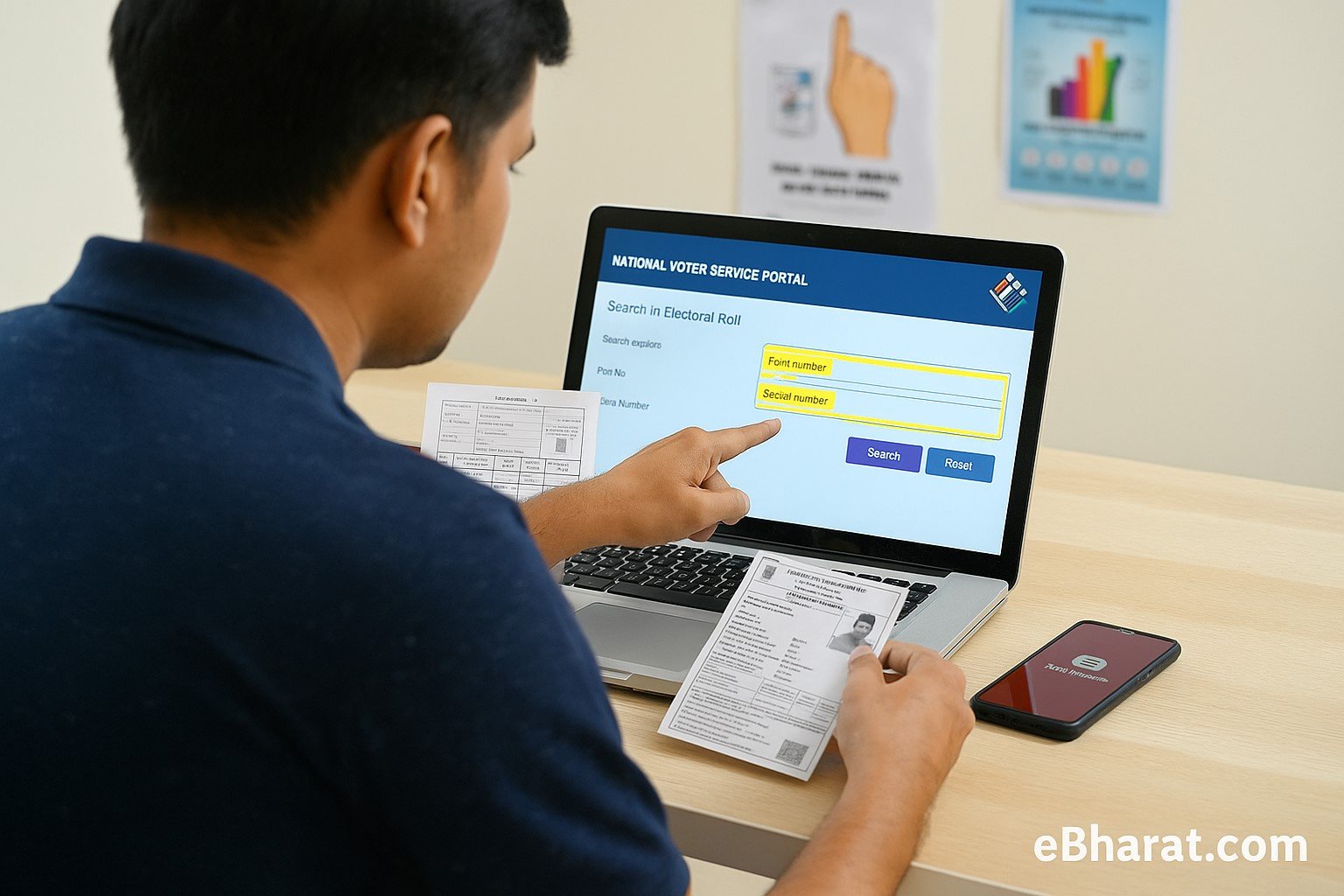
In the digital age, checking your status in the electoral roll has become significantly easier. The National Voter Service Portal (NVSP) and the Voter Service Portal are the primary gateways for this. Here is a step by step guide on how to verify your registration:
- Visit the Official Portal: Go to the official Voter Service Portal (voters.eci.gov.in).
- Search in Electoral Roll: Look for the option labeled Search in Electoral Roll.
- Choose Search Method: You can search using three methods:
- Search by Details: Enter your name, father or husband's name, age, gender, state, and district.
- Search by EPIC Number: Enter the unique alphanumeric code found on your Voter ID card.
- Search by Mobile Number: If your mobile is linked to your voter record, you can receive an OTP to view your details.
- Verify Information: Once the results appear, check your polling station, part number, and serial number. If your name appears, you are eligible to vote.
It is recommended to check your name in the voter list at least once a year to avoid any issues during elections.
My Experience Checking Voter List Online
When I checked my name on the Voter Service Portal, the process was simple but sometimes the website was slow, especially during peak hours. If you face this issue, try checking early morning or late at night.
Also, make sure the details you enter match exactly with your documents. Even a small spelling difference can affect your search results.
What are the Different Forms for Voter Registration?
To interact with the electoral roll, the ECI provides specific forms for different purposes. Understanding these is vital for any correction or new registration.
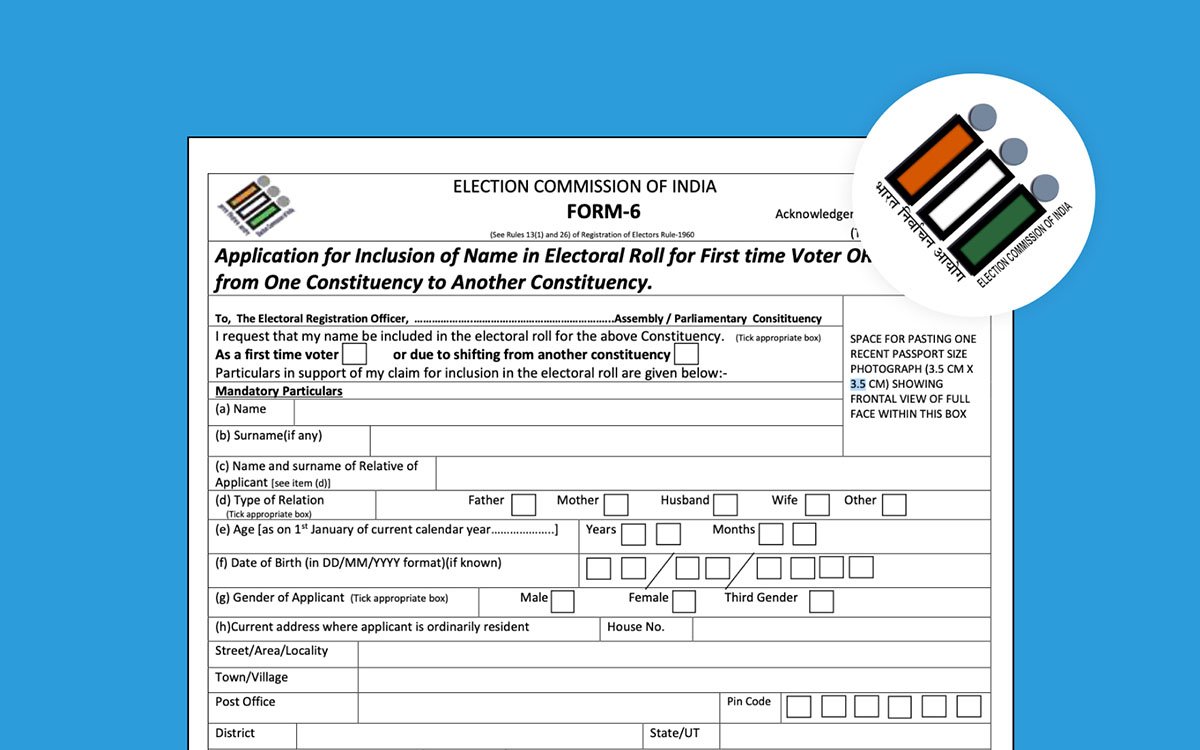
- Form 6: Used for the registration of new voters. Any citizen who has turned 18 can use this form.
- Form 6A: Specifically for Overseas (NRI) voters to get their names included in the roll.
- Form 7: Used for objecting to the inclusion of a name or requesting the deletion of an existing name (e.g., in the case of a deceased family member).
- Form 8: A multi-purpose form used for correction of entries (name, age, photo), shifting of residence within or outside the constituency, and replacement of EPIC cards.
Real-Life Use Cases and the Importance of the Voter List
Beyond the act of voting, being on the electoral roll has several practical implications. For many Indians, the Voter ID card and the corresponding entry in the list serve as a primary proof of identity and residence. It is often required for opening bank accounts, applying for passports, or accessing government welfare schemes.
Consider a scenario where a citizen moves from Kolkata to Delhi. Without updating their name in the voter list of the new constituency (using Form 8 for shifting), they would be unable to participate in local governance decisions in their new home. Similarly, for young adults, the first appearance of their name in a supplementary list is often viewed as a rite of passage into adulthood and civic responsibility.
Common Issues Faced by Voters in India
In many states like Gujarat, West Bengal, and Uttar Pradesh, users often face issues like missing names or incorrect details in the voter list. This usually happens due to address mismatch, shifting to a new location, or incomplete application forms.
To avoid this, always double-check your details before submitting any form and keep your mobile number updated for notifications.
Common Mistakes and How to Avoid Them
Errors in the voter list are not uncommon, but they can be rectified if caught early. Some frequent issues include:
- Spelling Errors: Names are often transliterated from regional languages to English, leading to mistakes. Always check if your name matches your other official documents.
- Wrong Polling Station: Sometimes, due to delimitation (boundary changes), your polling station might change. Checking the list ensures you know exactly where to go on election day.
- Missing Names: This is the most critical issue. Names might be deleted during purification drives if the Booth Level Officer (BLO) cannot verify your residence.
To avoid these problems, experts recommend keeping your mobile number updated in the ECI database. This allows you to receive SMS alerts regarding any changes or updates to your status.
Pro Tips for Every Indian Voter
1. Download the Voter Helpline App: This mobile application is a one stop shop for all electoral services. It allows you to search the roll, apply for forms, and even download your digital e-EPIC.
2. Link Your Aadhaar: While voluntary, linking your Aadhaar with your Voter ID helps the Election Commission in removing duplicate entries and making the roll more secure.
3. Know Your BLO: The Booth Level Officer is your local point of contact for all voter list issues. You can find their contact details on the NVSP portal.
4. Check During Revision Periods: Pay attention to public notices regarding Special Summary Revisions. This is the best time to ensure your family’s details are correct.
How can I download the voter list PDF?
You can download the voter list PDF from the official Election Commission website or your state CEO website by selecting your district, constituency, and polling station.
Why is my name missing from the voter list?
Your name may be missing due to reasons like shifting to another area, incorrect form submission, or deletion during verification. You can reapply using Form 6.
How can I correct details in my voter ID?
You can use Form 8 on the Voter Service Portal to correct your name, age, address, or photo.
Frequently Asked Questions
How can I find my name if I lost my Voter ID card?
You do not necessarily need the physical card to find your name. Use the Search by Details option on the Voter Service Portal by entering your name, date of birth, and state. If you are registered, your details will appear along with your EPIC number.
What is a supplementary list in the context of West Bengal elections?
In West Bengal, as in other states, the 2nd supplementary list includes voters who applied for registration or changes after the final roll was published. This ensures that the list used on polling day is as current as possible, reflecting the most recent additions and deletions.
Can I vote if my name is in the list but I don't have my Voter ID?
Yes, as long as your name is present in the electoral roll, you can vote by showing alternative government approved identification, such as an Aadhaar card, PAN card, or Driving License, as specified by the ECI.
How long does it take for a name to appear in the supplementary list after applying?
The processing time varies, but generally, once the BLO conducts a field verification and the Electoral Registration Officer (ERO) approves the application, the name is added to the database. These additions are then periodically published in supplementary lists.
Is it possible to have my name in the voter list of two different places?
No, it is a legal offense to be registered in the electoral rolls of more than one constituency. If you move, you must apply to shift your registration, which automatically initiates the deletion of your name from the previous location.
Conclusion
The voter list is the heartbeat of Indian democracy, ensuring that every voice has the potential to be heard. Whether it is the primary electoral roll or a supplementary list released in states like West Bengal, these documents represent the continuous effort to maintain an accurate and inclusive registry. By staying informed, checking your details regularly, and using the digital tools provided by the Election Commission, you contribute to the strength and transparency of the electoral process. Remember, being a registered voter is not just a right, it is a fundamental duty that shapes the future of the nation.
Related Media
Quick View: Comprehensive Guide to the Indian Voter List and Supplementary Electoral Rolls





Comments 0
Leave a Reply
Your email address will not be published. Required fields are marked *
Be the first to share your thoughts!