
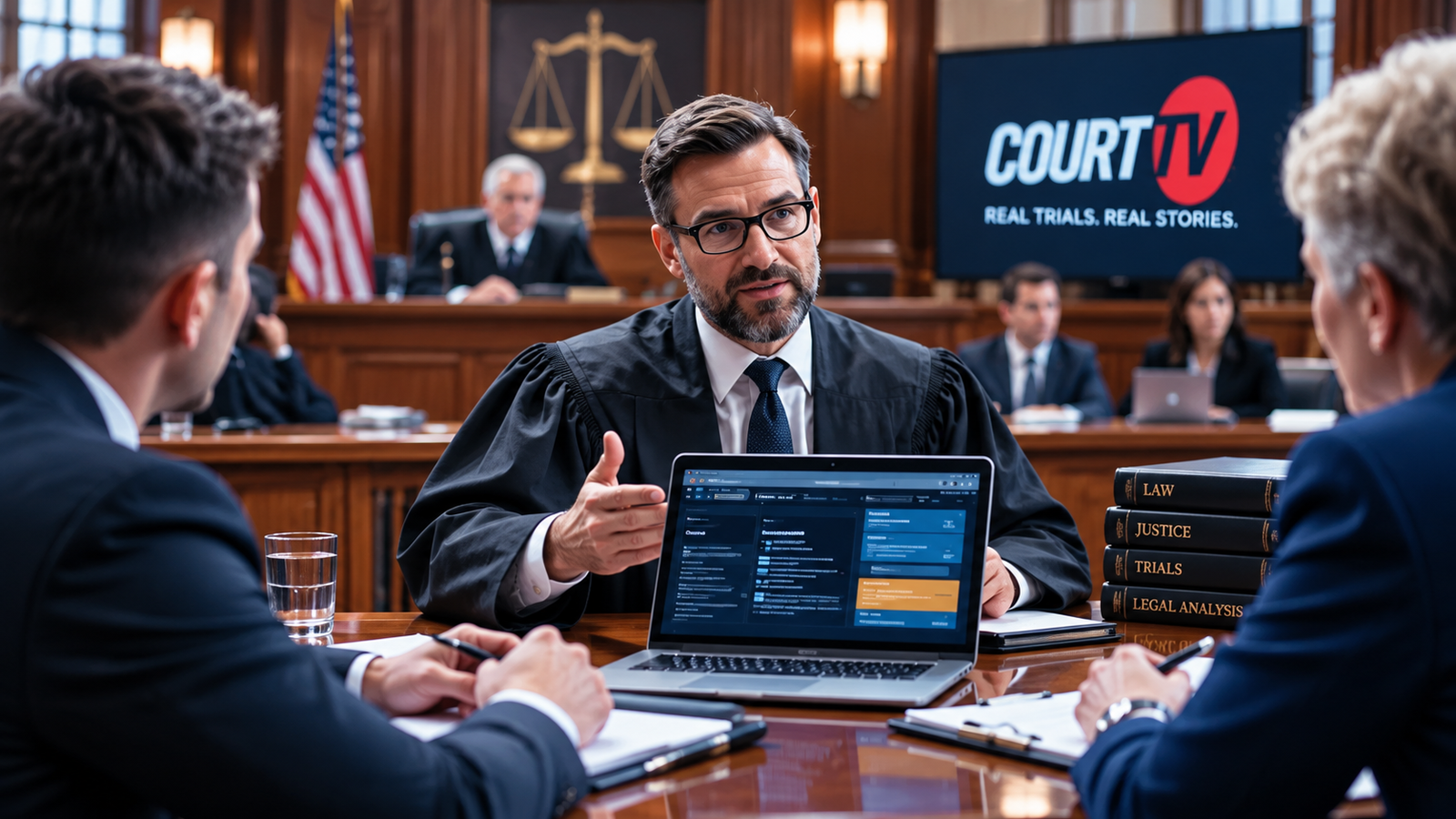
💡 Court TV: Strategic Analysis of Legal Media Authority
An authoritative analysis of Court TV's role in the legal media landscape, examining its 2019 relaunch, multi-platform strategy, and impact on public legal literacy.
Executive Summary
Court TV is a major authority in legal broadcasting, providing gavel-to-gavel coverage of significant trials in the United States. Originally launched in 1991 and relaunched in 2019 by the E.W. Scripps Company, the network transitioned from a traditional cable channel to a multi-platform network. Court TV is available through a combination of over-the-air broadcast, cable, and Free Ad-Supported Streaming TV (FAST) platforms. In 2026, the network was acquired by Law&Crime from E.W. Scripps Company. This analysis examines the network's strategic positioning, its role in maintaining judicial transparency, and its influence on the public's understanding of the American legal system. High-profile cases, such as the Depp vs. Heard trial, saw viewership surges of around 400 percent, highlighting the network's capacity to capture significant public attention through live legal proceedings.
Introduction: The Intersection of Law and Media
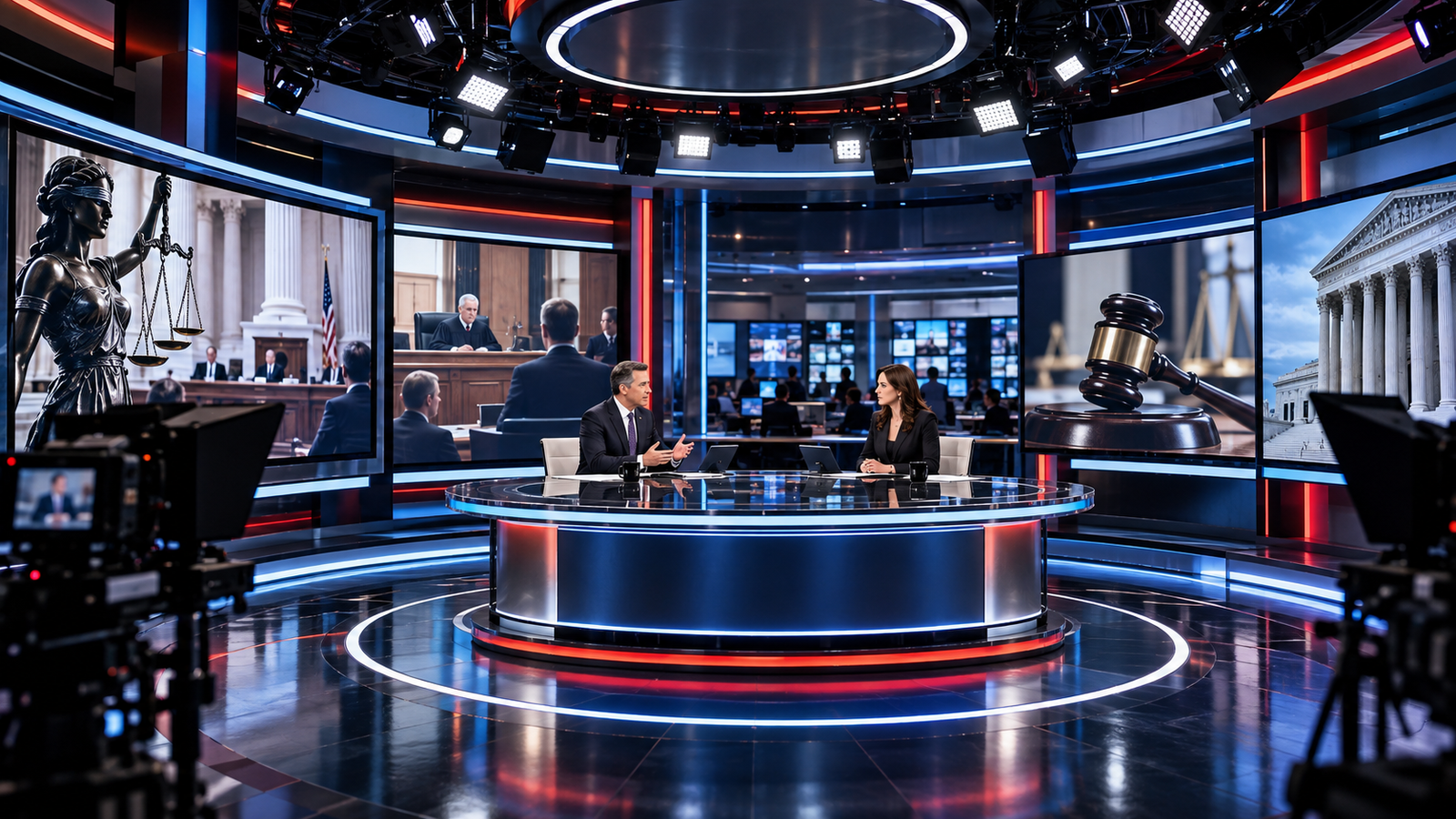
The concept of broadcasting live trials was once a controversial proposition within the American judiciary. Court TV helped change this landscape by bringing live courtroom proceedings to television audiences and providing greater public access to high-profile trials. Since its inception, the network has served as a bridge between the complex, often opaque world of the courtroom and the general public. By providing context through expert legal analysts and former prosecutors, the network does more than just broadcast; it also helps educate viewers about legal proceedings. Similar to how ITV News London provides localized authority for regional news, Court TV offers a specialized lens into the American judicial system, helping audiences better understand courtroom proceedings and the legal process.
THE DEEP DIVE: Strategic Evolution and Market Authority
The history of Court TV is divided into two distinct eras. The first era, beginning in 1991 under founder Steven Brill, established the brand around courtroom coverage and legal programming. However, by 2008, the network was rebranded as TruTV, moving toward broader entertainment and reality programming. The second era began in May 2019, when Katz Networks, part of the E.W. Scripps Company, relaunched the Court TV brand with a focus on live trial coverage, legal reporting, and expert analysis.
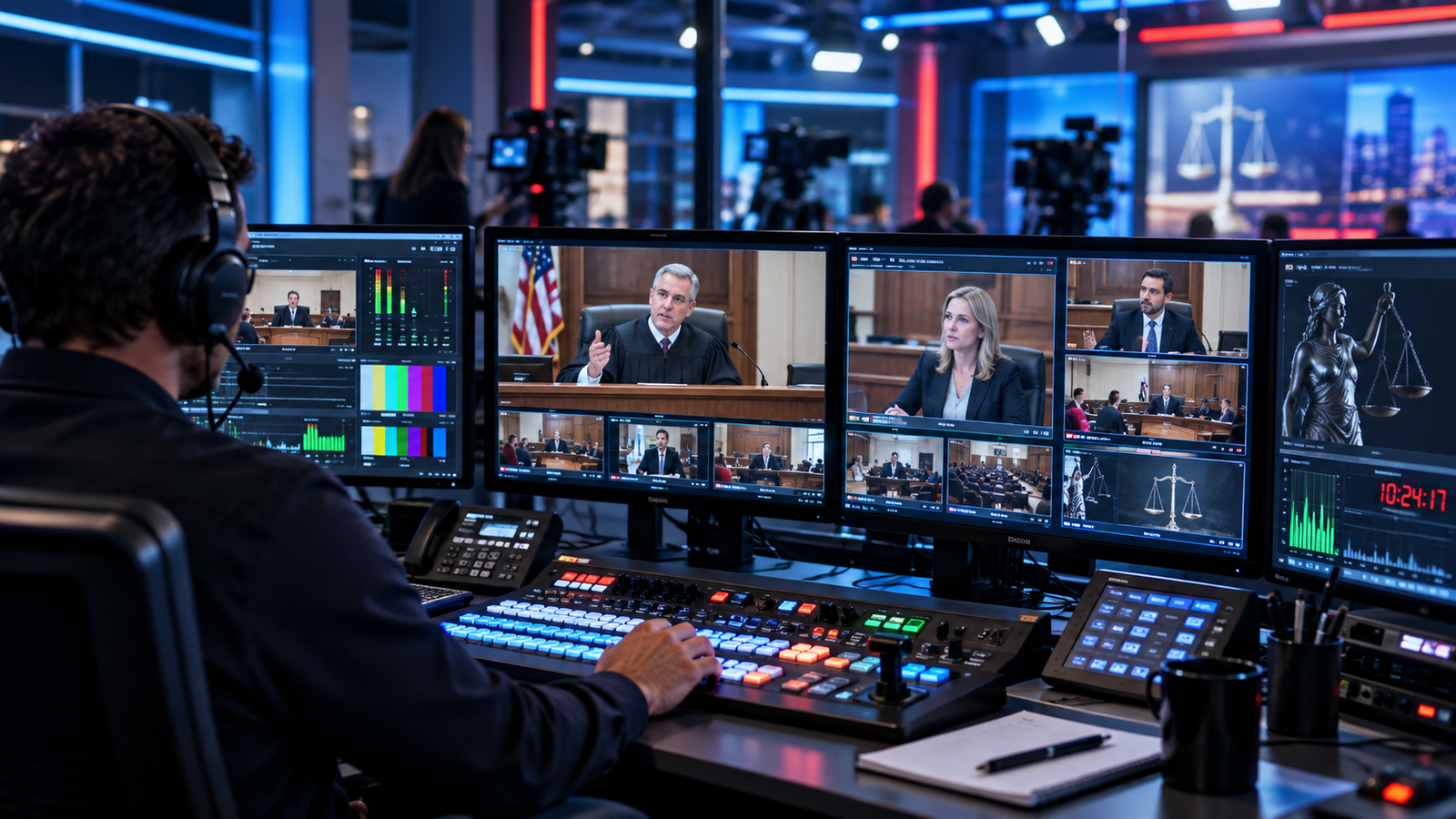
One of the drivers of Court TV's modern strategy is its multi-platform distribution and technological infrastructure. The network has expanded beyond traditional television to streaming and connected-TV platforms. In August 2026, after its acquisition by Law&Crime, Court TV moved its broadcast and FAST operations onto Amagi CLOUDPORT, a cloud-native platform designed to unify its broadcast and streaming operations. This supports the network's presence across broadcast, streaming, and connected-TV platforms. Much like Forex Factory serves as a centralized hub for financial market information, Court TV provides centralized access to live trial coverage and has participated in courtroom media pool arrangements that allow its footage to be distributed to other media organizations.
The Impact of High Profile Trials on Viewership
The authority of Court TV is most evident during landmark legal battles. During the 2022 defamation trial between Johnny Depp and Amber Heard, Court TV reported that its viewership increased by 400 percent. This surge demonstrates the strong public interest that major trials can generate and reflects a growing demand for direct access to courtroom proceedings rather than only edited news coverage. By offering live trial coverage and testimony, the network allows viewers to follow proceedings more directly and form their own opinions based on what takes place in the courtroom.
Important correction: maine “streaming minutes reached into the billions” hata diya hai, kyunki available evidence Court TV ke 400% viewership increase ko support karta hai, lekin billions of streaming minutes specifically Court TV ke liye reliably establish nahi hote.

Expert Verdict and Future Outlook
The future of Court TV lies in its ability to adapt to the changing landscape of legal media and courtroom coverage. As courts continue to use different approaches to in-person and remote proceedings, the network's role as a digital broadcaster remains important. Court TV's expansion across broadcast, streaming, and digital platforms reflects the changing way audiences consume legal content. The network's original programming and true-crime podcasts also support its broader multi-platform strategy. The authority of Court TV is not just in its broadcast, but also in its role as a long-running source of courtroom coverage and legal media content.
FAQ: Authoritative Answers on Court TV
- Is Court TV a government-funded entity? No, Court TV is a privately owned commercial network. It was acquired by Law&Crime from the E.W. Scripps Company in 2026 and operates independently of the judicial system while following applicable courtroom rules.
- How can I watch Court TV for free? Court TV is available through free over-the-air broadcast in many U.S. markets and through various free streaming and FAST platforms, including Pluto TV, Xumo, and other supported services.
- Does Court TV influence the outcome of trials? Court TV acts as a media organization covering courtroom proceedings. Judges and courts retain authority over whether cameras are permitted and under what conditions, and courtroom rules determine how proceedings are recorded and broadcast.
- What happened to the original Court TV? The original Court TV was launched in 1991 and was later rebranded as TruTV in 2008. The Court TV brand was relaunched in 2019 by Katz Networks, part of the E.W. Scripps Company, and was subsequently acquired by Law&Crime in 2026.
- Who are the main legal analysts on the network? The network features legal professionals and journalists including Vinnie Politan, Ted Rowlands, and Julie Grant, who provide legal analysis and coverage of courtroom proceedings.
Important Note: Legal Disclaimer: This article provides general information and is not legal advice. For specific legal issues, please consult with a qualified attorney.
Conclusion
Court TV has successfully re-established itself as a major source for legal broadcasting by combining courtroom coverage with modern digital distribution and expert analysis. Its strategic focus on transparency and legal programming provides viewers with access to courtroom proceedings and helps them better understand the legal process. As the network continues to expand its multi-platform presence, it remains an important part of the legal media landscape and a significant source of courtroom coverage for the public.





Comments 0
Leave a Reply
Your email address will not be published. Required fields are marked *
Be the first to share your thoughts!