
💡 Cruise Ship Industry: Strategic Analysis of Global Growth
A comprehensive strategic analysis of the global cruise ship industry, focusing on economic impact, technological integration, and sustainability goals.
Executive Summary
The global cruise ship industry has transitioned from a period of recovery into a phase of unprecedented expansion. According to the Cruise Lines International Association (CLIA), passenger volume is projected to reach 35.7 million in 2024, a significant increase from 31.7 million in 2023. This growth is underpinned by a 138 billion dollar total economic impact globally. Key findings indicate a shift toward younger demographics, with Millennials and Gen X now making up over half of the cruising population. Furthermore, the industry is investing billions into environmental technologies, aiming for net-zero carbon emissions by 2050. This analysis examines the financial, technological, and operational pillars sustaining this trajectory.
Introduction
The modern cruise ship is no longer merely a vessel for transport; it is a sophisticated, floating micro-city that represents the pinnacle of maritime engineering and hospitality management. As we look toward the 2026 strategic outlook global trends, the cruise sector stands as a primary indicator of consumer discretionary spending and global mobility. The industry has demonstrated remarkable resilience, overcoming the total operational halts of 2020 to emerge with higher occupancy rates and increased per-passenger spending. Today, the focus has shifted toward scaling capacity through mega-ships while simultaneously diversifying into niche expedition markets. This strategic analysis explores the variables driving this evolution and the challenges that remain in a complex geopolitical environment.
The Deep Dive: Economic and Operational Dynamics
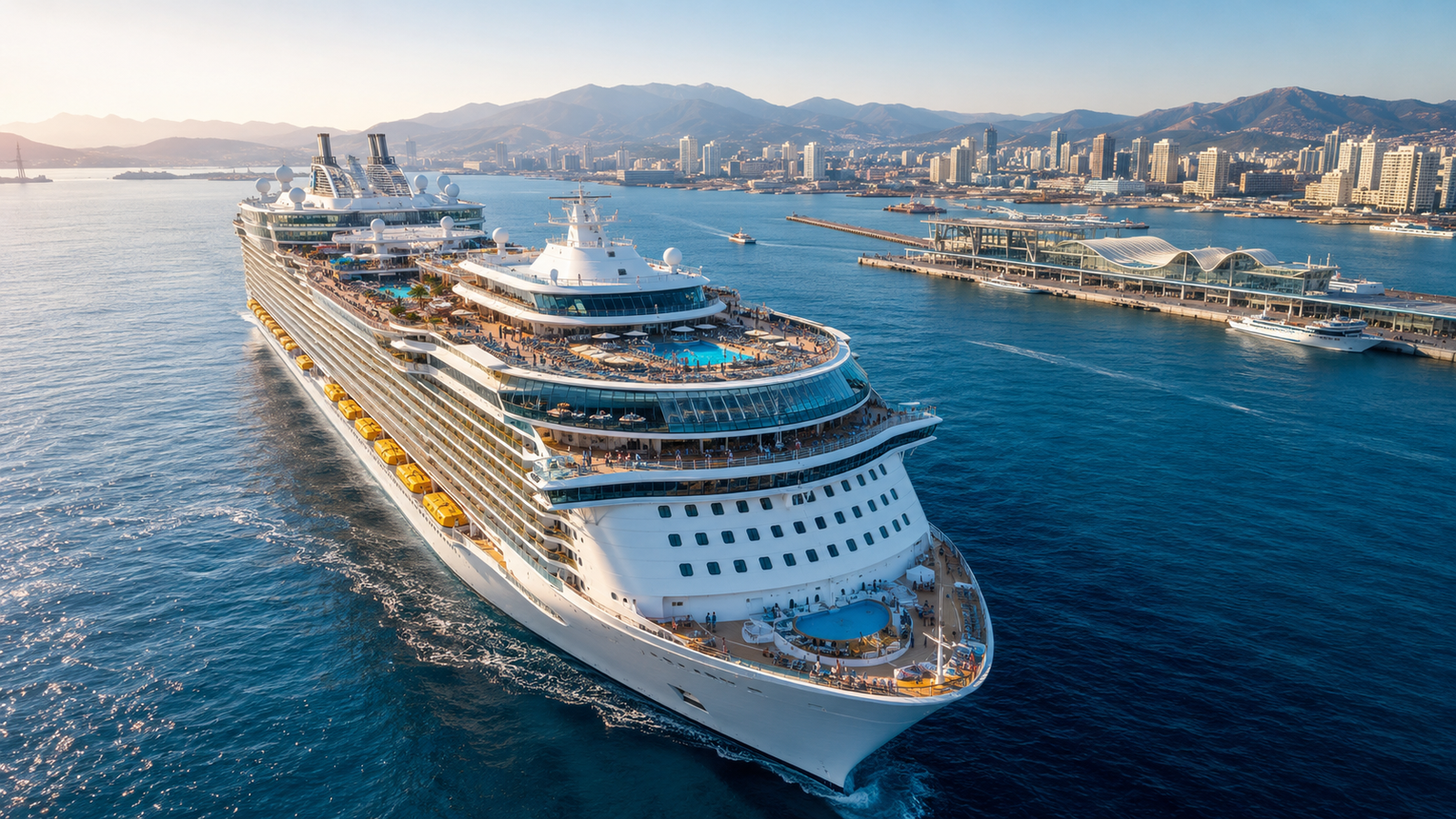
The financial health of the cruise industry is closely monitored by analysts who track stock market futures strategic analysis to gauge investor sentiment. The big three players, Carnival Corporation, Royal Caribbean Group, and Norwegian Cruise Line Holdings, control approximately 75 percent of the global market share. In 2023, Royal Caribbean reported record-breaking bookings, signaling that demand has outpaced 2019 levels. This surge is partly due to the value proposition; when compared to land-based vacations, cruises often offer a 20 to 30 percent discount on a per-night basis when including food, entertainment, and lodging.
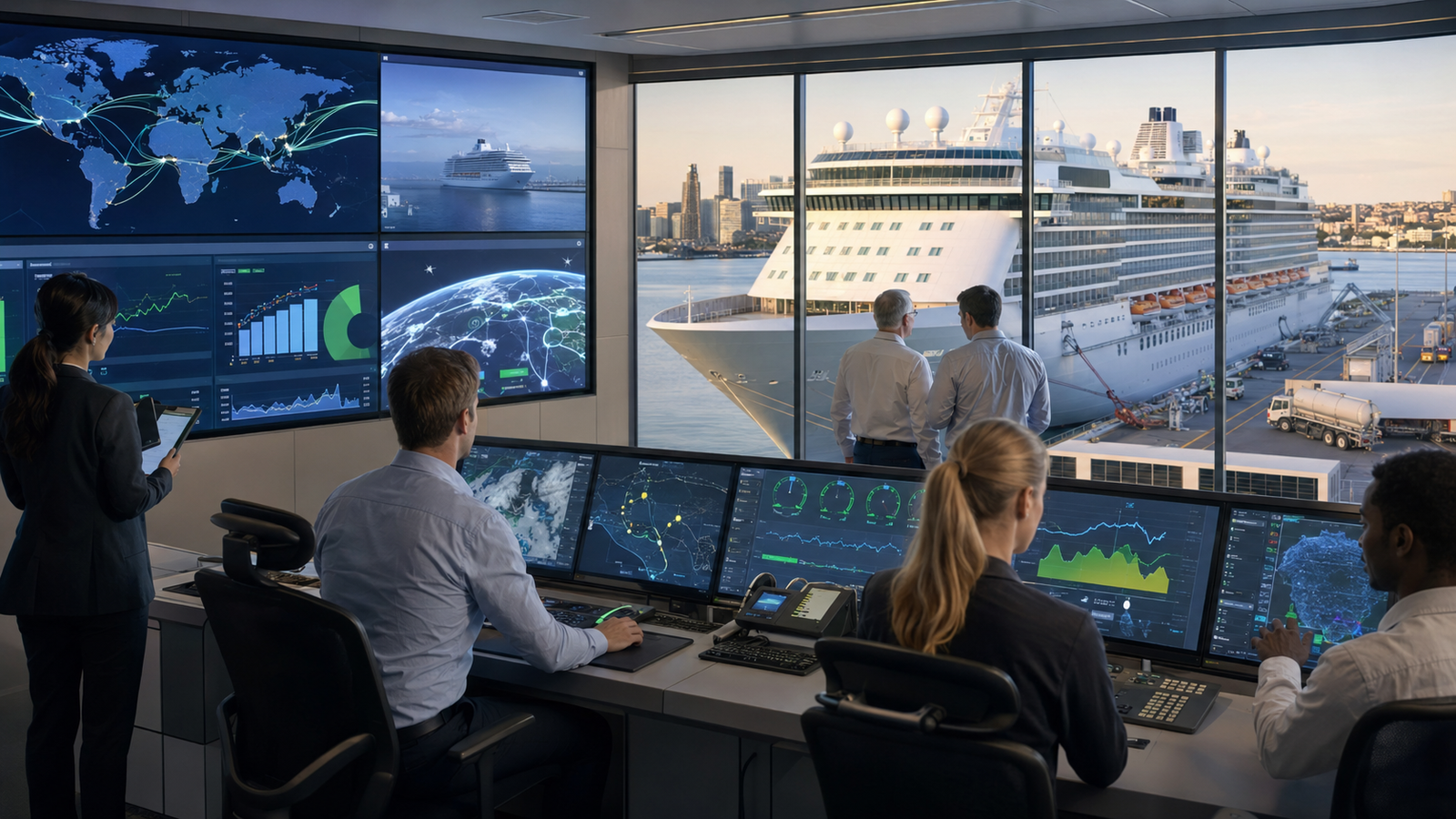
Technological integration has become a critical differentiator. The implementation of Starlink across major fleets has solved the long-standing issue of maritime connectivity, allowing for remote work and seamless streaming. Beyond guest-facing tech, AI-driven route optimization software is now standard, reducing fuel consumption by up to 10 percent. These advancements are not just about luxury; they are about operational efficiency and margin protection in an era of fluctuating energy costs.
Environmental sustainability is the most significant regulatory hurdle facing the industry. The International Maritime Organization (IMO) has implemented stricter carbon intensity indicators. In response, 60 percent of new ships currently on order are designed to run on Liquefied Natural Gas (LNG), which reduces sulfur emissions by nearly 100 percent and nitrogen oxides by 85 percent. Additionally, the industry is exploring green hydrogen and advanced battery storage systems to meet the 2050 net-zero goal. This transition requires massive capital expenditure, often necessitating complex financing structures similar to those analyzed in the banking sector strategic analysis regarding large-scale infrastructure loans.
Strategic Market Segmentation
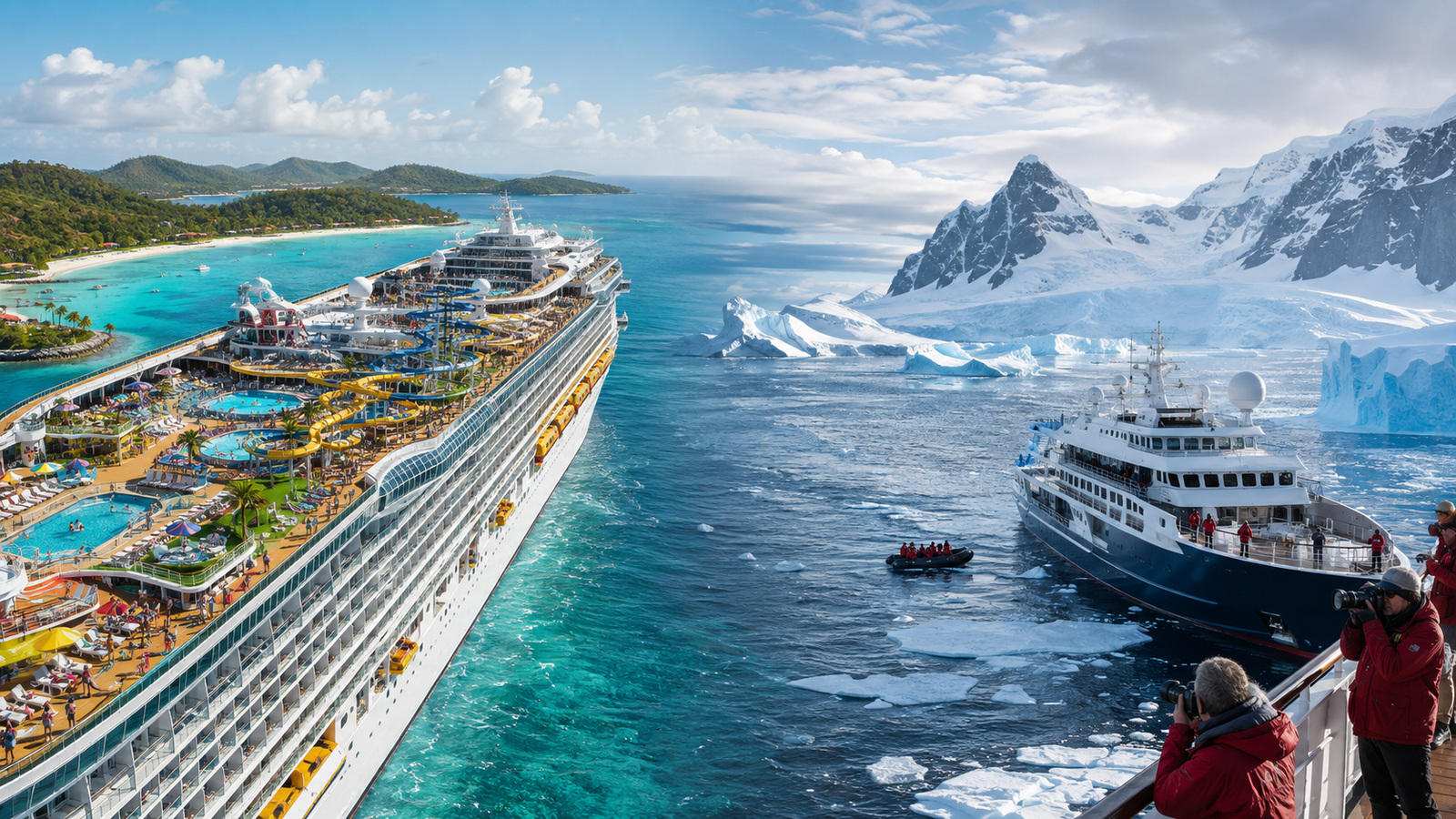
The industry is currently bifurcating into two distinct paths: Mega-Resorts and Expedition Cruising. Mega-ships, such as the Icon of the Seas, can carry over 7,000 passengers and are designed to be destinations in themselves. These vessels focus on high-volume, family-oriented markets, primarily in the Caribbean and Mediterranean. Conversely, the expedition segment is seeing a 12 percent year-over-year growth rate. These smaller, ice-classed vessels target high-net-worth individuals seeking unique experiences in Antarctica, the Galapagos, and the Arctic. This segmentation allows cruise lines to capture a wider range of the consumer lifecycle, from first-time budget cruisers to seasoned luxury travelers.
What This Means For You
For the average consumer and the strategic investor, the current state of the cruise industry offers several actionable insights:
- Value for Money: Despite rising costs in the broader travel sector, cruising remains one of the most cost-effective ways to visit multiple destinations without the logistical overhead of flights and hotels.
- Enhanced Connectivity: With the rollout of high-speed satellite internet, the barrier for digital nomads to work from sea has been removed.
- Environmental Awareness: Travelers can now choose ships based on their environmental footprint, as cruise lines are becoming more transparent with their sustainability reporting.
- Booking Windows: The industry is seeing a return to longer booking windows, meaning the best rates and cabin selections are often found 12 to 18 months in advance.
Expert Verdict and Future Outlook
The cruise industry is positioned for sustained growth through the end of the decade. The primary risks include port over-tourism and localized environmental regulations, such as those seen in Venice and Amsterdam. However, the industry's ability to pivot, moving ships to different regions and investing in shore power, demonstrates a high level of adaptive capacity. We expect to see a greater emphasis on land-and-sea packages, where cruise lines own private islands and shore-side resorts to control the entire guest experience and maximize revenue per capita. The integration of biometrics for frictionless boarding and AI personal assistants for onboard service will become the industry standard by 2027.
FAQ
How safe are modern cruise ships?
Modern cruise ships are among the safest modes of travel. They are subject to stringent international regulations under the SOLAS (Safety of Life at Sea) treaty. Ships undergo regular inspections by coast guards and classification societies to ensure structural integrity and fire safety protocols are maintained.
What is the environmental impact of a cruise ship?
While historically high, the impact is decreasing. New ships use LNG and advanced wastewater treatment systems that produce effluent cleaner than most shore-side municipal systems. The industry is also investing in shore power, allowing ships to turn off engines while in port.
Is cruising becoming more expensive?
Base fares have remained relatively stable when adjusted for inflation, but onboard spending for specialty dining, excursions, and drinks has increased. Strategic booking during wave seasons (January to March) typically yields the best value.
Are cruises suitable for solo travelers?
Yes, the industry is increasingly catering to solo travelers by adding single-occupancy cabins and reducing or waiving the single supplement fee, which was previously a major barrier.
What happens to a cruise ship at the end of its life?
Ships typically have a 30-year lifespan. At the end, they are either sold to smaller regional operators or sent to specialized ship-breaking yards where metals and components are recycled according to the Hong Kong Convention for the Safe and Environmentally Sound Recycling of Ships.
Conclusion
The cruise ship industry serves as a masterclass in operational resilience and strategic pivoting. By embracing technological disruption and aggressively pursuing sustainability, the sector has secured its place in the future of global tourism. For stakeholders, the focus remains on balancing the massive capital requirements of new builds with the need for agile response to global economic shifts. As the fleet modernizes, the cruise ship will continue to evolve from a vacation option into a sophisticated platform for global exploration and digital connectivity.
Important Note: Financial Disclaimer: This content is for educational purposes only and does not constitute professional financial advice. Always consult with a certified financial planner before making investment decisions.



Comments 0
Leave a Reply
Your email address will not be published. Required fields are marked *
Be the first to share your thoughts!