

💡 Singer: Strategic Analysis of the Vocal Performance Industry
An authoritative analysis of the global vocal performance industry, examining economic trends, streaming data, and the strategic evolution of the modern professional singer.
Executive Summary
The global music industry, anchored by the professional singer, reached a record revenue of 26.2 billion dollars in 2023, according to the IFPI Global Music Report. This growth is primarily driven by paid subscription streaming, which now accounts for 67 percent of total market value. This strategic analysis explores the shift from traditional performance models to the modern 360-degree artist brand. Key findings indicate that while streaming provides the reach, live performance and brand partnerships provide the majority of a singer's net income. The emergence of artificial intelligence and the decentralization of distribution channels have transformed the barriers to entry, requiring artists to function as both creative entities and sophisticated business enterprises.
Introduction
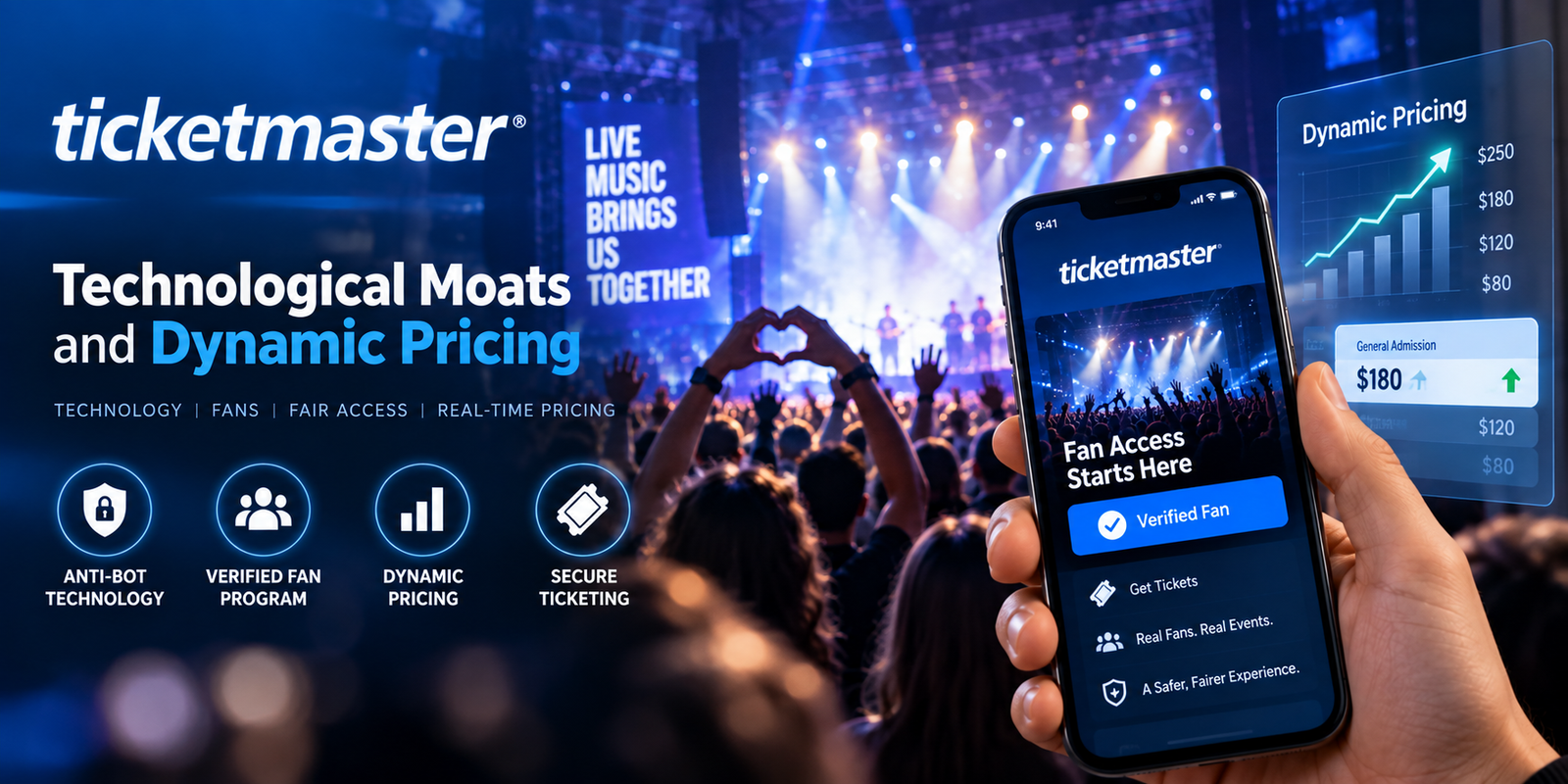
The role of a singer has transitioned from a purely artistic endeavor into a complex, data-driven career path within the global entertainment ecosystem. In the current landscape, vocal ability is merely the baseline for entry. Success is defined by a combination of digital presence, intellectual property management, and the ability to command live audiences. The industry has moved away from the monolithic control of major labels toward a more fragmented yet high-opportunity environment. As the infrastructure of live events evolves, as seen in the Ticketmaster: Strategic Analysis of Global Ticketing Authority, the primary revenue driver for top-tier vocalists remains the ability to convert digital listeners into physical ticket buyers. This article examines the economic, technological, and strategic pillars that define the modern singer's authority in a competitive global market.

The Deep Dive: Economic and Strategic Pillars
The economic reality for a professional singer today is vastly different from the era of physical media dominance. To understand the current state of the industry, we must look at the specific data points that govern artist compensation and market reach.
1. The Streaming Economy and Revenue Distribution
Streaming platforms like Spotify, Apple Music, and YouTube have democratized access to music, but they have also altered the compensation structure. Spotify currently pays roughly 0.003 to 0.005 dollars per stream. For a singer to earn a living wage through streaming alone, they require millions of monthly listeners. This has led to a strategic pivot where streaming is viewed as a marketing tool rather than a primary income source. Data shows that independent artists are the fastest-growing segment, with their revenue increasing by 16.7 percent in recent years, outperforming the growth of major labels. This shift is enabled by digital distribution services that allow singers to retain 100 percent of their master rights, a critical factor in long-term financial stability.
2. The Live Performance Powerhouse
Live music remains the most lucrative sector for established singers. Following the global hiatus of live events, the demand for concerts has surged. In 2023, the top 100 global tours generated over 9 billion dollars in gross revenue. The strategic importance of the live circuit cannot be overstated. It is the primary venue for merchandise sales, which can account for up to 30 percent of an artist's tour income. Furthermore, maintaining a clean professional reputation is vital for securing these high-stakes opportunities, a concept explored in the Noel Clarke: Strategic Analysis of Industry Authority, which highlights how industry standing impacts long-term career longevity and public perception.
3. The Impact of Artificial Intelligence and Vocal Synthesis
Artificial Intelligence (AI) presents both a threat and an opportunity for singers. Generative AI can now replicate vocal timbres with startling accuracy. Leading artists are now strategically licensing their voices to AI platforms, creating a new revenue stream where they earn royalties from AI-generated content that uses their likeness. This technological shift requires singers to be increasingly vigilant about their vocal rights and digital identity. Industry experts suggest that the future of the industry will involve a hybrid model where human emotion and AI-assisted production coexist to meet the insatiable demand for new content.

4. Media Visibility and Brand Integration
A singer's authority is often amplified by their presence in legacy and digital media. Securing appearances on prominent platforms, analyzed in the Today Show: Strategic Analysis of Morning Media Authority, provides the mass-market reach necessary for chart dominance and brand credibility. Beyond traditional media, social platforms like TikTok have become the primary discovery engine for new vocal talent. A single viral clip can lead to a 500 percent increase in streaming numbers within 48 hours, creating a pipeline from social media to the Billboard charts that bypasses traditional gatekeepers.
What This Means For You
For the aspiring singer or the industry professional, the data suggests a clear path forward. Success in the modern era requires a diversified approach to career management. You must prioritize the following actions:
- Focus on Master Ownership: Retaining the rights to your recordings is the most effective way to ensure long-term wealth.
- Build a Direct-to-Consumer Relationship: Use social media and email lists to own your audience data rather than relying solely on platform algorithms.
- Diversify Income Streams: Combine streaming royalties with live performance, merchandise, and digital collectibles or fan clubs.
- Invest in Professional Training: Vocal health is the most important physical asset for a singer. Sustainable careers are built on technical proficiency that prevents burnout and injury.
- Understand the Legal Landscape: As AI and digital rights evolve, having a firm grasp of copyright law is essential to protect your intellectual property.

Expert Verdict and Future Outlook
The future of the singer as a strategic entity is bright, provided they adapt to the rapid technological shifts. We are moving toward an era of the hyper-independent artist. With the cost of high-quality production falling and the availability of global distribution rising, the power is shifting from the institution to the individual. However, this autonomy comes with the responsibility of managing a complex business. The expert consensus is that the next decade will be defined by immersive experiences, such as virtual reality concerts and personalized AI-driven fan interactions. The singers who thrive will be those who view themselves as CEOs of a global brand rather than just performers on a stage.
FAQ
How much does the average professional singer earn?
Earnings vary wildly. While top-tier artists earn millions, the Bureau of Labor Statistics reports that the median hourly wage for singers and musicians is approximately 39 dollars. However, this does not account for royalties and secondary income streams.
Do singers still need record labels in 2024?
Labels are no longer mandatory for distribution, but they still provide significant capital for marketing and global promotion. Many artists now choose partnership deals rather than traditional restrictive contracts.
How has TikTok changed the career of a singer?
TikTok has become the primary tool for music discovery. It allows singers to reach a global audience without a marketing budget, though it requires a consistent and engaging content strategy to maintain momentum.
What is a 360 deal in the music industry?
A 360 deal is a contract where a record label receives a percentage of all an artist's income streams, including touring, merchandise, and endorsements, in exchange for increased financial support and promotion.
Is vocal training still necessary with modern technology?
Yes. While technology can enhance a voice, the physical demands of touring and live performance require significant vocal stamina and technique to prevent permanent damage.

Conclusion
The modern singer must navigate a landscape where artistic talent is integrated with digital strategy and business acumen. By leveraging streaming as a discovery tool, maximizing the revenue potential of live performance, and protecting intellectual property in the age of AI, vocalists can build sustainable and authoritative careers. The strategic takeaway is clear: the most successful singers of the future will be those who balance creative excellence with a rigorous understanding of the global music economy.




Comments 0
Leave a Reply
Your email address will not be published. Required fields are marked *
Be the first to share your thoughts!