
💡 What is Nuggets vs warriors?
An in-depth exploration of the tactical and physical challenges faced by the Denver Nuggets and Golden State Warriors during their high-intensity NBA matchups.
The Clash of Philosophies in the Western Conference
The rivalry between the Denver Nuggets and the Golden State Warriors represents one of the most intellectually stimulating matchups in modern professional basketball. While both teams have achieved championship glory, their paths to success and their on-court identities could not be more different. The Warriors, led by their revolutionary perimeter play, and the Nuggets, centered around the most unique passing big man in history, create a tactical chess match every time they meet. Understanding the nuances of this matchup requires looking beyond the box score and examining the underlying strategies that define these two powerhouses.
According to global basketball analysts, this specific matchup serves as a barometer for the evolution of the sport. It pits the traditional importance of size and post-play against the modern emphasis on spacing and long-range shooting. When these two teams face off, the game often becomes a battle of wills: can Denver force the game into a half-court grind, or will Golden State turn it into a high-speed track meet?
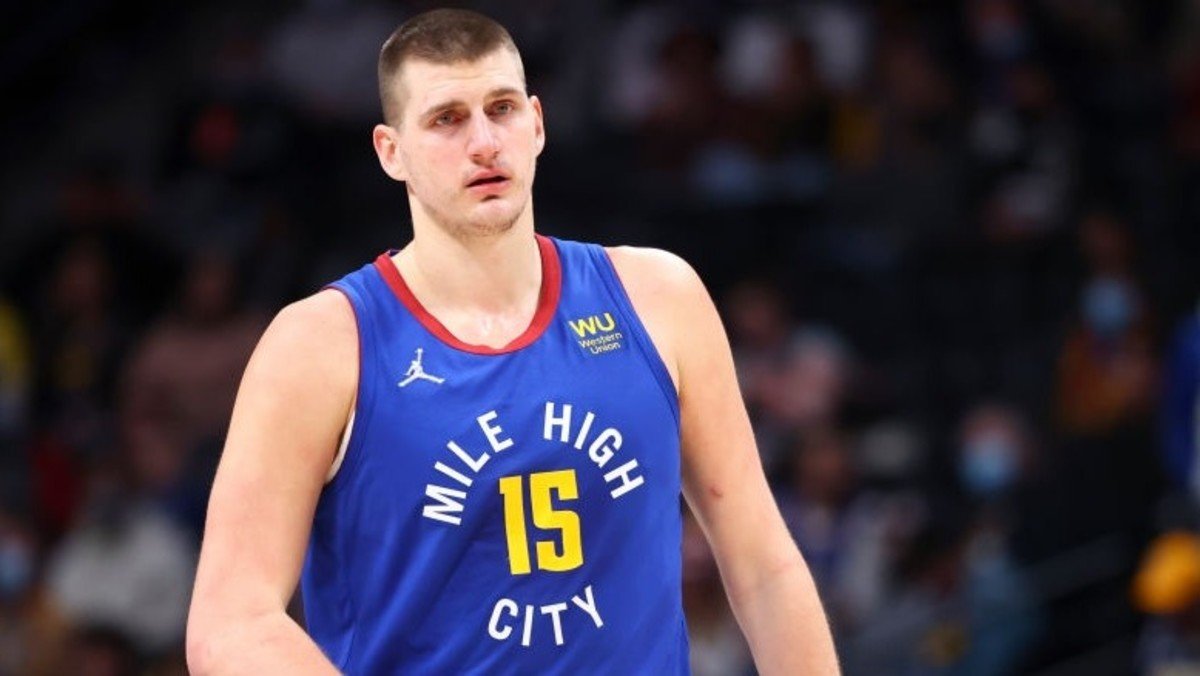
Who are the key figures in the Nuggets vs Warriors rivalry?
To understand the dynamics of this matchup, one must first look at the foundational players who dictate the flow of the game. For the Denver Nuggets, the sun rises and sets with Nikola Jokic. As a multi-time MVP, Jokic functions as a point-center, a role that forces opposing defenses into impossible choices. If a team double-teams him, he finds the open man with precision passing. If they play him straight up, he uses his massive frame and soft touch to score at will.
On the other side, the Golden State Warriors are defined by the gravity of Stephen Curry. Experts suggest that Curry changed the geometry of the basketball court. His ability to shoot from nearly anywhere past half-court forces defenders to stay attached to him, creating massive lanes for his teammates. Alongside Draymond Green, who acts as the defensive anchor and primary facilitator, the Warriors utilize a motion offense that relies on constant cutting and screening.
How do the Golden State Warriors defend the paint?
One of the most significant challenges for the Warriors when facing the Nuggets is managing the size disadvantage. Historically, Golden State has favored small-ball lineups, often utilizing Draymond Green or Kevon Looney to handle much larger centers. Against a player of Jokic's caliber, this strategy is put to the ultimate test. As per recent industry reports on defensive efficiency, teams that find success against Denver are those that can disrupt the passing lanes without leaving their own basket unprotected.
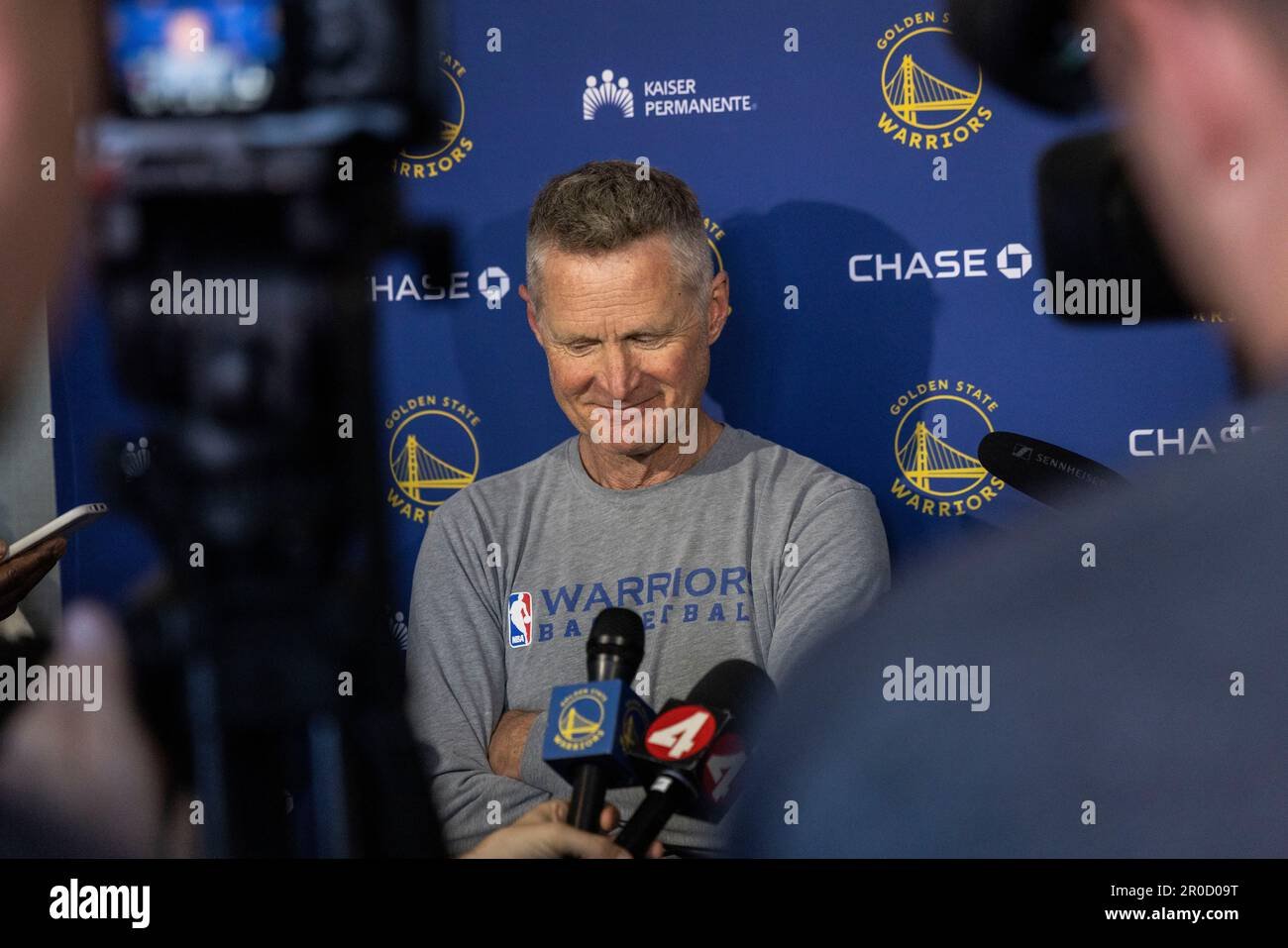
The Warriors often employ a fronting technique in the post, attempting to prevent the ball from reaching Jokic in his preferred spots. This requires immense coordination from the weak-side defenders, who must be ready to rotate and help if a lob pass is attempted. The tactical complexity of these rotations is a hallmark of the coaching philosophy under Steve Kerr.
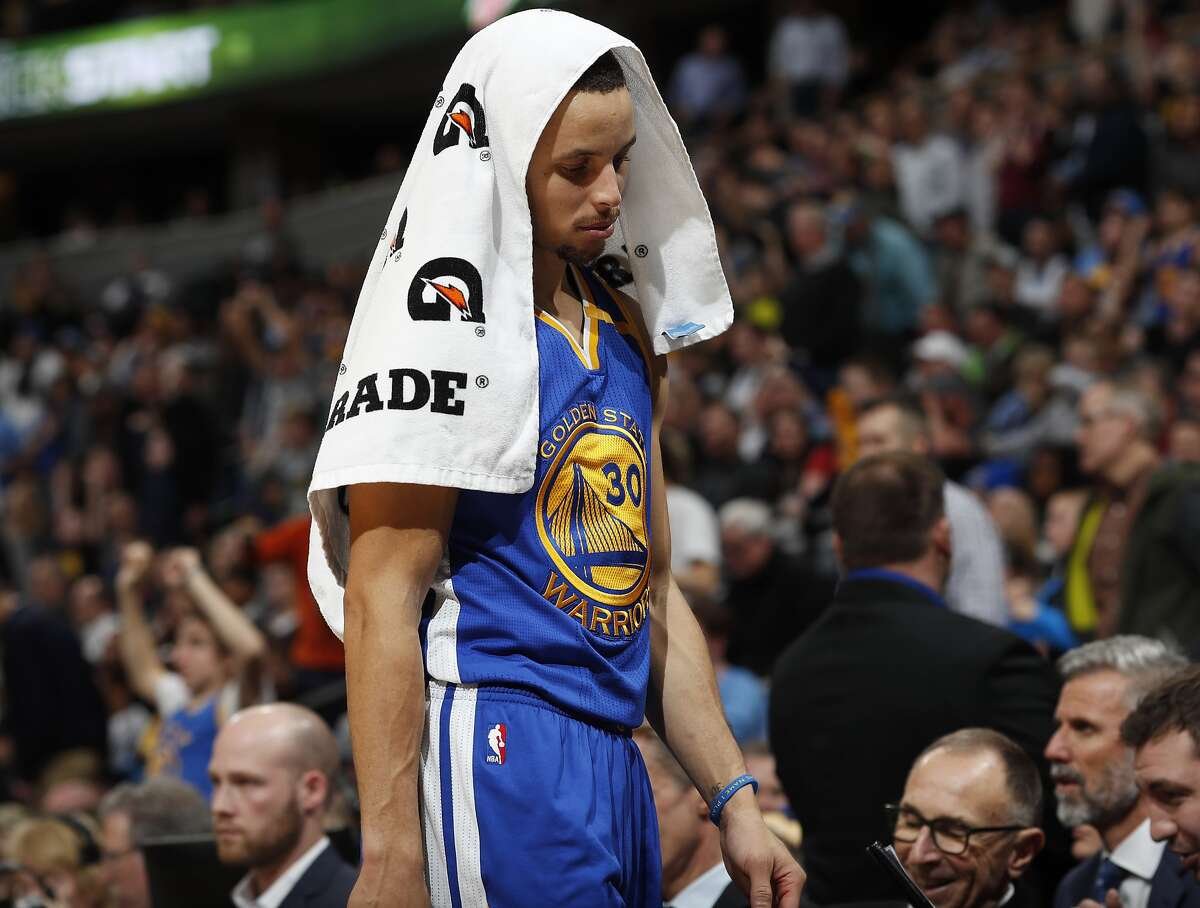
What is the impact of injuries on high stakes NBA matchups?
Injuries are an unfortunate but inevitable part of professional sports, and they play a massive role in the outcome of Nuggets vs Warriors games. When a starter leaves a game due to injury, the entire tactical structure of the team must shift in real-time. For the Denver Nuggets, losing a key component like a primary ball-handler or a versatile wing defender can disrupt the chemistry that their offense relies upon. According to sports medicine experts, the high altitude in Denver can also impact recovery times and physical fatigue, making depth even more critical.
When a significant player is sidelined, the coaching staff must look to their bench for specific contributions. This often leads to a change in the pace of the game. For example, if a defensive specialist is injured, the team might attempt to increase their offensive output to compensate for the lack of stops. This transition requires players to step into unfamiliar roles, which can lead to both unexpected breakthroughs and costly mistakes.
Core Concepts: Small Ball vs. The Modern Big Man
The Nuggets vs Warriors matchup is the perfect case study for the debate between small-ball and big-man dominance. Here are the core concepts that define this tactical battle:
- Offensive Spacing: The Warriors use spacing to create open shots, while the Nuggets use Jokic's positioning to create high-percentage looks near the rim.
- Pace of Play: Golden State thrives in transition, looking for quick shots before the defense can set. Denver often prefers a controlled tempo to maximize their half-court execution.
- Defensive Versatility: The Warriors rely on switching everything on defense, while the Nuggets often use a drop coverage or a hedge-and-recover system to protect the paint.
- Bench Depth: In long series or high-intensity regular-season games, the performance of the second unit is often the deciding factor.
Real-Life Examples of Tactical Adjustments
In previous encounters, we have seen masterclasses in coaching adjustments. When the Warriors found themselves struggling to contain the Nuggets' size, they shifted to a zone defense to confuse the passing angles. Conversely, when the Nuggets struggled with the Warriors' speed, they implemented a more aggressive offensive rebounding strategy to punish Golden State for their lack of height and to slow down their transition opportunities.
Experts suggest that these adjustments are often made during the second and third quarters, as coaches gather data on what is working in that specific game. The ability of players like Aaron Gordon or Klay Thompson to adapt to these mid-game shifts is what separates elite contenders from average teams.
What are common mistakes in defensive assignments?
In the heat of a Nuggets vs Warriors game, mental lapses can be just as damaging as physical ones. One common mistake is over-committing to a ball-handler and leaving a shooter open on the perimeter. Against the Warriors, losing track of a shooter for even a second usually results in three points. Against the Nuggets, failing to box out after a missed shot allows Denver to reset their offense and wear down the defense.
Another frequent error is the lack of communication during screens. Both teams use complex screening actions to create mismatches. If the defenders do not communicate clearly whether they are switching or fighting through the screen, a lane to the basket often opens up. As per performance analysts, the teams with the highest basketball IQ usually prevail in these high-pressure moments.
Pro Tips for Analyzing This Matchup
For fans and analysts looking to dive deeper into the Nuggets vs Warriors rivalry, consider these expert insights:
- Watch the Off-Ball Movement: Instead of just following the ball, watch how Steph Curry or Jamal Murray move when they don't have it. Their gravity creates the space for everyone else.
- Monitor the Foul Count: Because both teams rely heavily on their stars, early foul trouble for a player like Nikola Jokic or Draymond Green can completely change the game's trajectory.
- Pay Attention to the Dunker Spot: The Nuggets often utilize the dunker spot (the area just outside the lane) to create easy scoring opportunities when the defense rotates to Jokic.
- Check the Shooting Percentages from the Corners: Both teams prioritize corner threes, which are statistically the most efficient shots in the game.
Frequently Asked Questions
Why is the Nuggets vs Warriors game considered a classic matchup?
It is considered a classic because it represents two different but equally successful ways to play basketball. The contrast in styles, combined with the high level of talent on both rosters, consistently produces exciting and strategically deep games.
How does the Denver altitude affect the Warriors?
The altitude in Denver (5280 feet above sea level) can lead to quicker fatigue for visiting teams. The Warriors, who rely on a high-paced motion offense, must manage their rotations carefully to avoid burning out their starters in the fourth quarter.
Who is the primary defensive stopper for the Nuggets against Steph Curry?
The Nuggets typically use a combination of perimeter defenders like Kentavious Caldwell-Pope and Aaron Gordon to bother Curry. They focus on using length and lateral quickness to make every shot as difficult as possible.
What happens to the Nuggets' offense when Nikola Jokic goes to the bench?
The offense usually shifts from a post-centric system to a more traditional pick-and-roll or isolation-heavy style. Maintaining offensive efficiency during these minutes is often the biggest challenge for the Denver coaching staff.
How do the Warriors handle the size of Aaron Gordon?
The Warriors often use their most versatile defenders, like Draymond Green or Andrew Wiggins, to match Gordon's physicality and athleticism, especially when he is used as a lob threat or a baseline cutter.
Conclusion
The rivalry between the Denver Nuggets and the Golden State Warriors is a testament to the depth and complexity of modern professional basketball. By analyzing the tactical shifts, the impact of physical health, and the unique brilliance of their star players, we gain a deeper appreciation for the sport. Whether it is a battle of size in the paint or a flurry of shots from the perimeter, these matchups continue to define the standard of excellence in the Western Conference. As both franchises evolve, their encounters will remain essential viewing for anyone interested in the highest level of strategic competition.
Related Media
Quick View: The Strategic Evolution of Denver Nuggets vs Golden State Warriors: Tactics, Injuries, and Team Dynamics





Comments 0
Leave a Reply
Your email address will not be published. Required fields are marked *
Be the first to share your thoughts!