💡 What is Weather?
A comprehensive guide exploring the atmospheric science, cloud seeding technology, and infrastructure management behind intense storm systems in the UAE and the wider Gulf region.
How Do Desert Weather Systems Function?
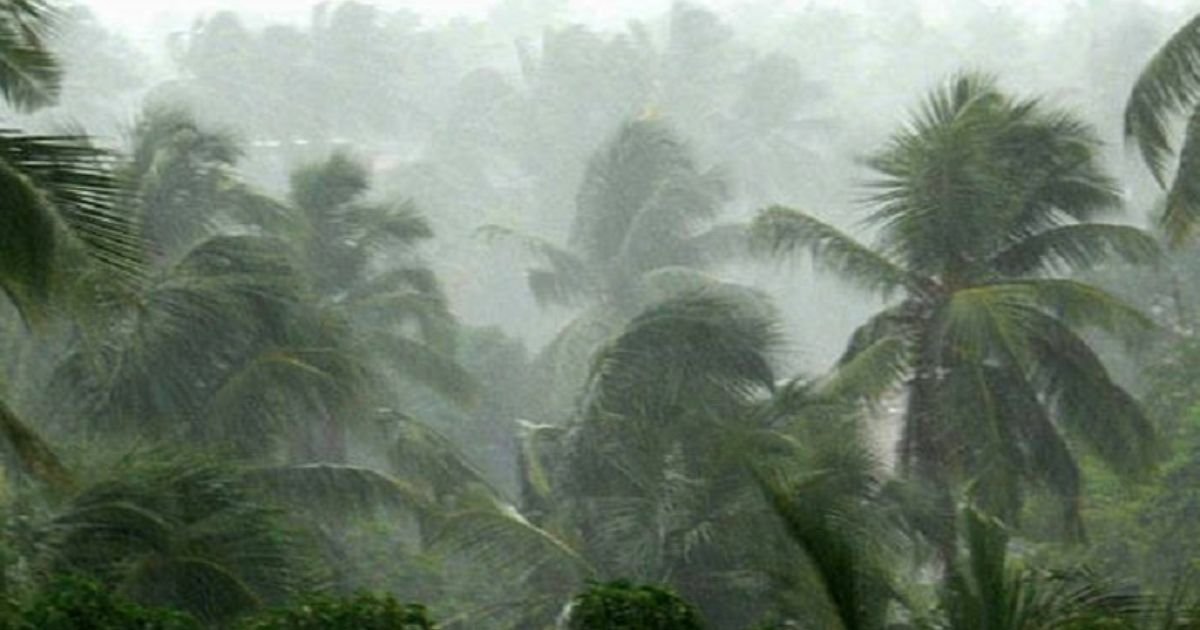
The weather patterns in the United Arab Emirates and the surrounding Gulf region are some of the most unique and complex in the world. While the region is primarily known for its arid climate and high temperatures, it occasionally experiences intense rainfall and storm systems that can transform the landscape in a matter of hours. Understanding the mechanics of these weather events is essential for residents and planners alike.In many cases, weather systems in this region are influenced by the interaction between high-pressure areas over the Indian Ocean and low-pressure systems moving from the Mediterranean.
For example, in recent years, cities like Dubai and Abu Dhabi have experienced sudden heavy rainfall that caused waterlogging and traffic disruptions. These events show how unpredictable desert weather can be and why it is important to understand it properly.
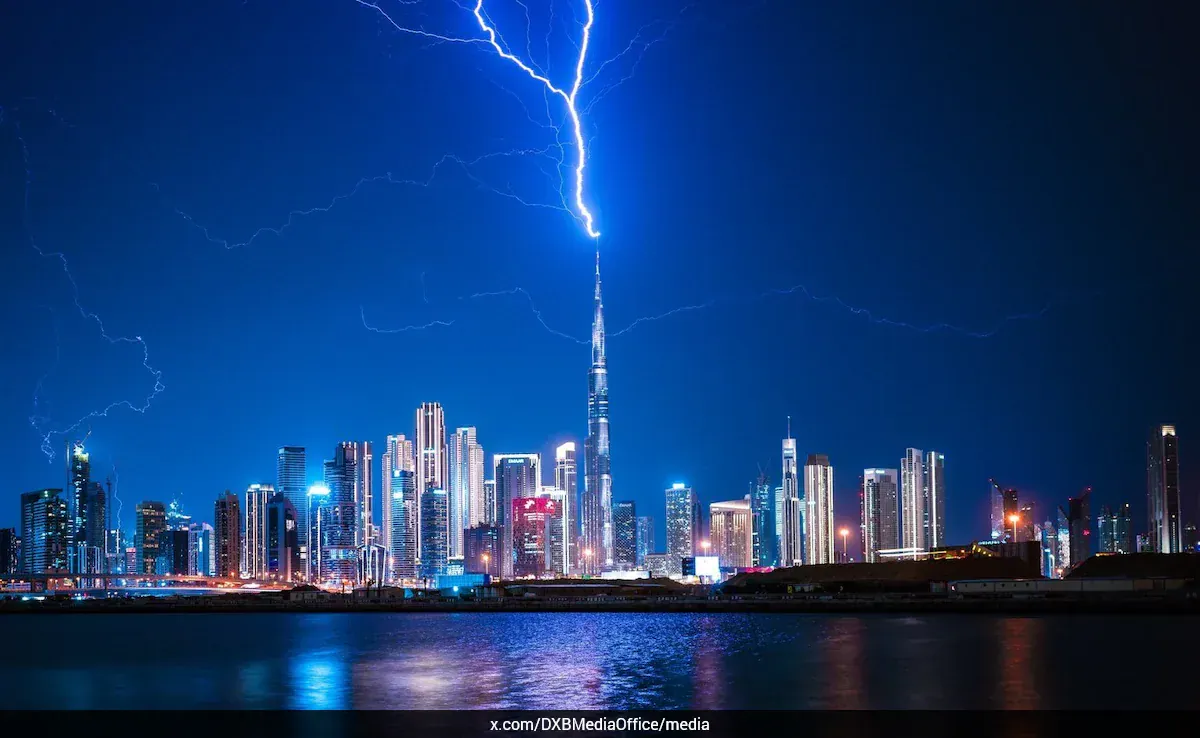
In a desert environment, the atmosphere behaves differently than in temperate zones. The extreme heat during the day creates significant thermal lift, but without sufficient moisture, this rarely results in rain. However, when specific atmospheric conditions align, the result is often a convective storm. These storms are characterized by rapid development, intense lightning, and heavy precipitation over a localized area. As global temperatures continue to change, weather patterns are also becoming less predictable, which may lead to more frequent extreme weather events in desert regions.
What Is Cloud Seeding and How Does It Influence Rainfall?
One of the most discussed aspects of weather in the UAE is the practice of cloud seeding. This is a proactive meteorological intervention designed to enhance the amount of precipitation a cloud can produce. The process is managed by specialized agencies, such as the National Center of Meteorology (NCM), which monitor the skies for suitable convective clouds. As per recent industry reports, cloud seeding does not create clouds from thin air. Instead, it improves the efficiency of existing clouds by introducing natural salts into the updrafts.
When these salt particles enter the cloud, they act as nuclei for water vapor to cling to. This causes the vapor to condense into droplets more quickly, eventually becoming heavy enough to fall as rain. Studies have shown that cloud seeding can help increase rainfall under the right conditions, although the results may vary depending on humidity and air quality. It is a vital tool for water security in a region where groundwater is a precious and finite resource.
How to Prepare for Intense Storm Cycles in Arid Regions?
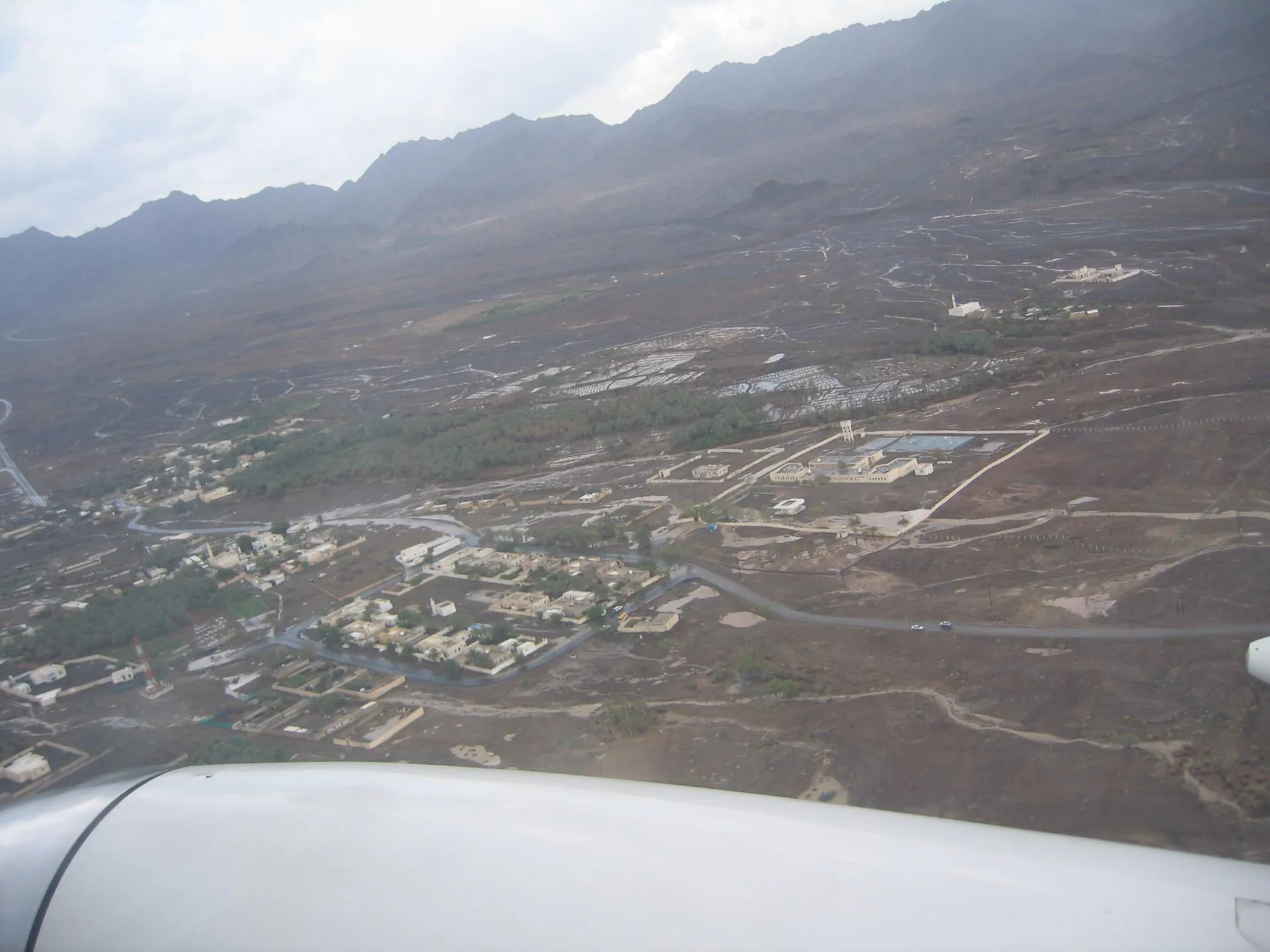
Preparing for a storm in a desert environment requires a different approach than in coastal or tropical areas. Because the ground in the UAE is often hard and non-porous, even moderate rainfall can lead to rapid surface runoff. This makes infrastructure management and personal readiness critical. To navigate these cycles safely, one should follow a structured approach to property and transport safety.
Many people living in desert areas do not expect heavy rainfall, which often leads to poor preparation. Being aware of weather alerts and taking simple precautions can help avoid dangerous situations.
- Structural Inspection: Ensure that roof drainage systems and gutters are clear of sand and debris. Desert winds often carry fine dust that can clog drainage points over time.
- Vehicle Readiness: Check tire tread and windshield wipers. In the desert, the first few minutes of rain can make roads extremely slippery as water mixes with accumulated oil and dust on the tarmac.
- Communication Channels: Stay tuned to official meteorological alerts. In the UAE, the NCM and local police departments provide real-time updates through mobile applications and social media.
- Wadi Safety: Avoid valleys and mountain foothills. These areas are prone to flash floods, which can occur even if it is not raining in your immediate vicinity.
What Are the Primary Benefits of Rainfall in the Desert?
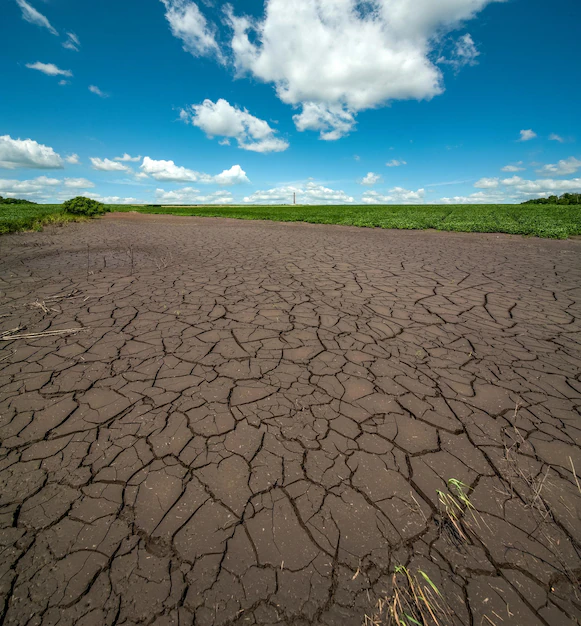
While storms can cause temporary disruptions, they bring significant long-term benefits to the ecosystem and the economy. The most immediate benefit is the recharge of underground aquifers. In regions where desalination provides the bulk of drinking water, natural rainwater is essential for maintaining the health of the soil and supporting local agriculture. Experts suggest that a single heavy storm can provide more water to the desert flora than several months of artificial irrigation.
Furthermore, rainfall has a cleansing effect on the atmosphere. It washes away suspended dust particles and pollutants, leading to significantly improved air quality in the days following a storm. This "scrubbing" effect is particularly beneficial in urban centers like Dubai and Abu Dhabi, where sand and construction dust can often reduce visibility and air purity. Additionally, the cooling effect of the rain provides a much-needed respite from the intense heat, lowering the energy demand for air conditioning across the country.
What Are Common Mistakes People Make During Stormy Weather?
One of the most frequent mistakes is underestimating the power of moving water. Many residents are accustomed to dry wadis and may attempt to cross them during a storm. This is extremely dangerous, as flash floods can move at high speeds and carry heavy debris. According to safety experts, even a few inches of moving water can lose a vehicle's traction or sweep a person off their feet.
Another common error is failing to adjust driving habits. High-speed driving during a desert storm is a major cause of accidents. The combination of low visibility, hydroplaning, and strong winds requires a significant reduction in speed and an increase in following distance. Finally, many people ignore the potential for lightning. In an open desert landscape, tall structures or even people standing in open areas can become targets for electrical discharges during convective storms.
Pro Tips for Managing Weather Fluctuations
To stay ahead of the weather, experts recommend maintaining a "weather-ready" mindset throughout the winter and spring months. This includes keeping a basic emergency kit in your vehicle, including a flashlight, a first-aid kit, and a portable power bank. For homeowners, investing in high-quality weather stripping for doors and windows can prevent fine sand and water from entering the home during high-wind events. Furthermore, understanding the specific terminology used in weather forecasts, such as the difference between a "trough" and a "front," can help you better interpret the severity of an incoming system.
Frequently Asked Questions
Has climate change affected rainfall in the UAE?
Yes, changing global climate patterns are believed to influence rainfall in the UAE. While the region remains mostly dry, there has been an increase in irregular and sudden rain events in recent years.
Is cloud seeding safe for the environment?
Yes, the materials used in cloud seeding, primarily natural salts like sodium chloride and potassium chloride, are not considered harmful to the environment in the concentrations used. These salts are already present in nature and do not introduce toxic chemicals into the water cycle.
How long do desert storms typically last?
Most desert storms are short-lived but intense. A typical convective cell may pass over an area in 30 to 60 minutes. However, larger weather systems or troughs can result in intermittent rain and unstable conditions that last for several days.
What is a Shamal wind?
A Shamal is a northwesterly wind that blows across the Persian Gulf. It is often associated with large dust storms and can precede or follow a rain system. These winds can be quite strong and are a major factor in the region's weather during the winter months.
Can the UAE infrastructure handle heavy rainfall?
The UAE has invested heavily in drainage and pumping infrastructure. While older areas may still experience temporary flooding, newer developments and major highways are equipped with advanced systems to divert water quickly. Continuous upgrades are being made to ensure the cities can handle increasingly intense weather events.
Conclusion
Understanding the unique weather patterns of the UAE is essential for navigating the occasional but intense storm cycles that characterize the region. Through a combination of natural atmospheric science and advanced technologies like cloud seeding, the country manages its water resources and infrastructure effectively. By staying informed and following expert safety advice, residents can appreciate the benefits of rainfall while minimizing the risks associated with desert storms.
Related Media
Quick View: Predicting the Weather Tomorrow: A Comprehensive Guide to Meteorology and Safety Preparation





Comments 0
Leave a Reply
Your email address will not be published. Required fields are marked *
Be the first to share your thoughts!