
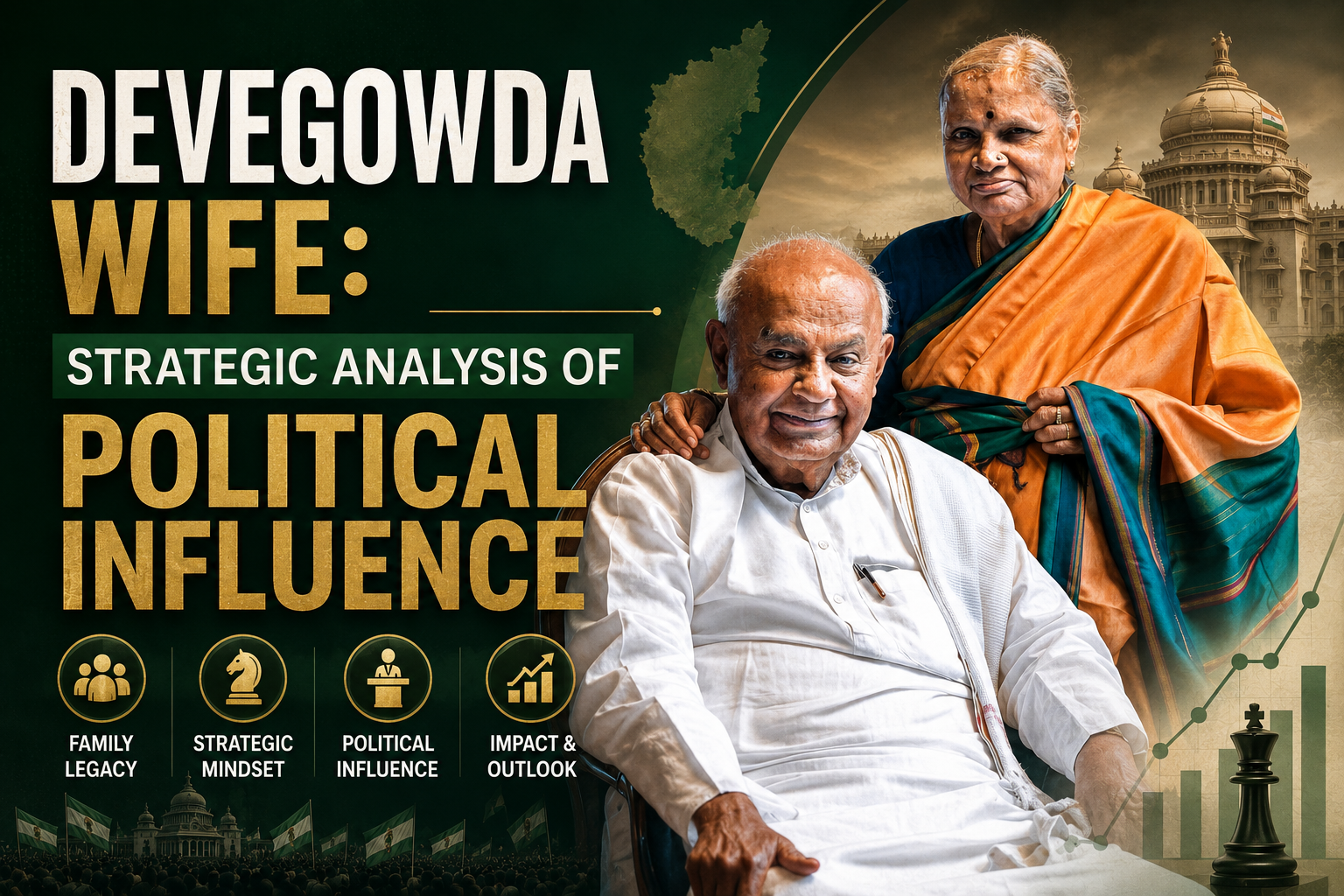
💡 Devegowda Wife: Strategic Analysis of Political Influence
An in-depth analysis of Chennamma Devegowda, her role in the Janata Dal (Secular) party, and her influence on Karnataka's political landscape.
Executive Summary
Chennamma Devegowda, the spouse of former Indian Prime Minister H.D. Deve Gowda, represents a significant yet often understated pillar in the architecture of Karnataka politics. While she has never held an official elective office, her strategic influence over the Janata Dal (Secular) or JD(S) party and the Vokkaliga community is profound. Data indicates that the Vokkaliga community constitutes approximately 11 to 15 percent of Karnataka's population, and the Deve Gowda family remains its most prominent political representative. This analysis highlights Chennamma's role as a matriarchal figure who ensures family cohesion, managing a political dynasty that has produced a Prime Minister, a Chief Minister, and multiple Members of Parliament. Key findings suggest that her public appearances are strategically timed with religious and cultural milestones to consolidate the party's core voter base.
Introduction
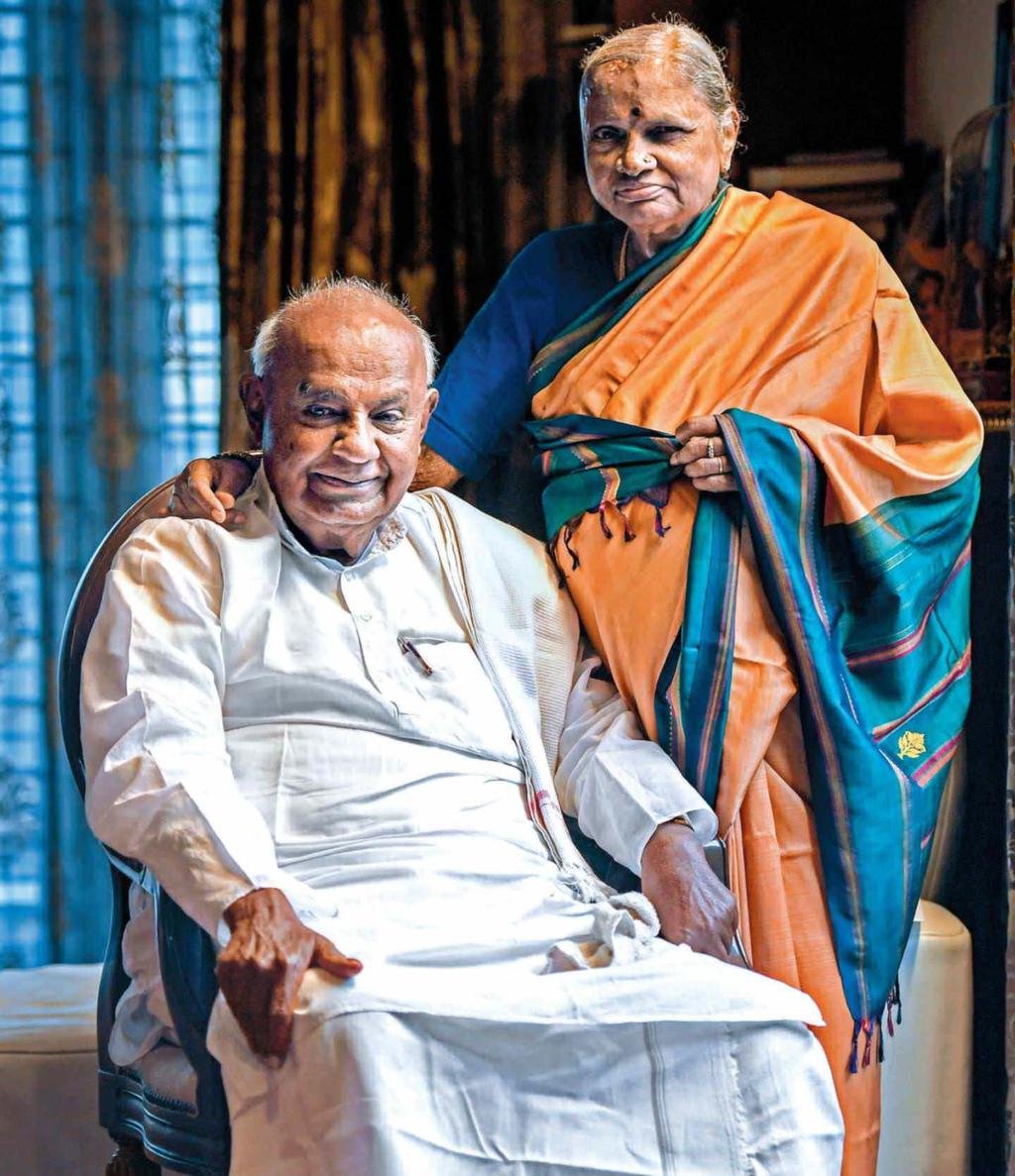
In the complex landscape of Indian regional politics, the role of a spouse often transcends domestic boundaries to become a symbol of stability and traditional values. Chennamma Devegowda, married to Haradanahalli Doddegowda Deve Gowda since 1954, exemplifies this dynamic. As the wife of the 11th Prime Minister of India, her journey mirrors the rise of the JD(S) from a grassroots agrarian movement to a kingmaker in the state of Karnataka. To understand the political longevity of the Deve Gowda family, one must look beyond the legislative floor and into the internal family structure where Chennamma operates as the primary mediator. This article provides a strategic analysis of her influence, the family's political reach, and the socio-cultural impact of their leadership.
The Deep Dive: A Strategic Analysis of Influence
The political career of H.D. Deve Gowda spans over seven decades, and for nearly 70 of those years, Chennamma has been the constant factor in his personal and professional life. Her role can be categorized into three strategic pillars: family consolidation, community symbolism, and crisis management.
1. Family Consolidation and Succession
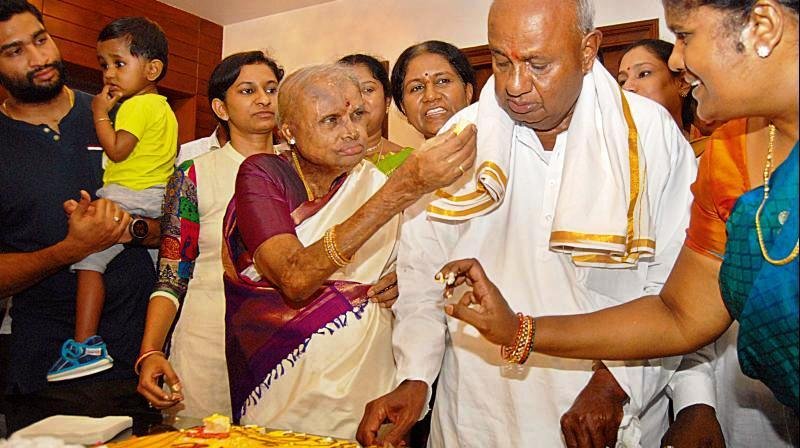
The Deve Gowda family is one of the most prolific political dynasties in India. They have four sons and two daughters. Two of their sons, H.D. Kumaraswamy and H.D. Revanna, have held significant portfolios, with Kumaraswamy serving as the Chief Minister of Karnataka twice. The third generation, including Nikhil Kumaraswamy and Prajwal Revanna, has also entered the electoral fray. Chennamma is credited with maintaining unity among these powerful individuals. In a political culture where family splits often lead to party fragmentation, the JD(S) has remained remarkably intact under her matriarchal guidance. This unity is essential for the party's survival, especially during competitive election cycles where every percentage point of the vote share matters.
2. Community Symbolism and Cultural Capital
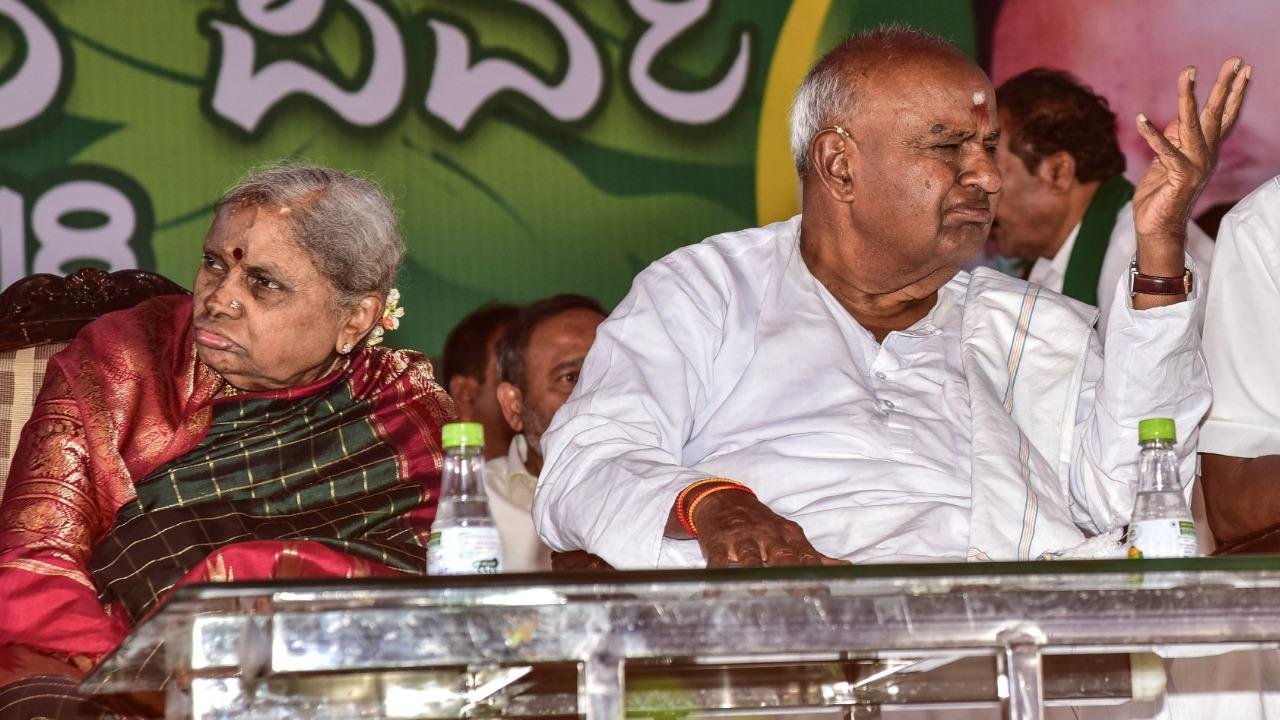
The JD(S) draws its primary strength from the Old Mysore region of Karnataka. Chennamma's public persona is deeply rooted in traditional Indian values, which resonates with the rural and agrarian Vokkaliga heartland. Her participation in temple rituals and local festivals is not merely personal piety but a strategic communication of the family's commitment to heritage. This cultural capital is vital in an era where digital presence and traditional roots must coexist. Interestingly, the way traditional narratives are managed in the digital age can be compared to how major media entities curate content, as explored in the Hotstar: Strategic Analysis of the Streaming Powerhouse report, which details the importance of regional resonance.
3. Strategic Crisis Management
During times of political upheaval, such as the fall of coalition governments or internal party disputes, Chennamma has often acted as the silent mediator. While she avoids the microphone, her residence at Padmanabhanagar becomes the hub for high-level discussions. Analysts suggest that her approval is often the final step in major family decisions regarding ticket distribution and alliance formations. This level of influence is often guided by a deep understanding of traditional cycles and timing. For instance, the family is known to consult traditional calendars for auspicious timings, a practice that mirrors the broader cultural interest in such dynamics, as seen in the Rashiyan: Strategic Analysis of Astrological Dynamics study.
Data and Statistical Context
To quantify the influence of the family Chennamma helps lead, consider the following data points from recent Karnataka Assembly elections:
- In the 2018 Assembly elections, the JD(S) secured 37 seats with a vote share of 18.3 percent, allowing H.D. Kumaraswamy to become Chief Minister in a coalition.
- In the 2023 elections, despite a dip to 19 seats, the party maintained a significant 13.3 percent vote share, proving its continued relevance in the Vokkaliga belt.
- The family's educational and social trusts, which Chennamma oversees in an advisory capacity, provide a support network for thousands of constituents, reinforcing the "Mother Figure" image that is central to their political branding.
What This Means For You
For the average observer or a student of political science, the story of Chennamma Devegowda offers several key takeaways about the nature of power in regional India:
- Soft Power is Real: Official titles are not the only measure of influence. Matriarchal figures in political families often hold the key to long-term stability.
- Regional Identity Matters: The success of the JD(S) is tied to its ability to represent a specific community's interests, a model that remains effective despite the rise of national parties.
- Legacy Management: Building a political brand requires more than just policy; it requires a consistent family image that voters can trust over generations. This is similar to how institutions manage their growth and seat allocations, much like the patterns observed in the NMC MBBS Seat Matrix: Strategic Analysis of Medical Education.
Expert Verdict / Future Outlook
Industry experts and political analysts agree that the future of the JD(S) depends heavily on the transition of power to the third generation. While H.D. Deve Gowda remains the ideological head at age 91, Chennamma's role as the emotional and structural glue of the family is more critical than ever. As the political landscape shifts toward more centralized national narratives, the JD(S) will need to leverage Chennamma's image of traditional stability to retain its core base. The future outlook suggests that as long as the family remains unified under her matriarchal influence, they will continue to be a formidable force in Karnataka's coalition politics.
FAQ: Frequently Asked Questions
Who is Chennamma Devegowda?
She is the wife of H.D. Deve Gowda, the former Prime Minister of India and the former Chief Minister of Karnataka. She is a prominent matriarchal figure in the Janata Dal (Secular) party.
Does she hold any political office?
No, Chennamma has never held an elective political office. Her influence is exercised through her role within the family and her symbolic presence in the community.
How many children does she have?
She has six children: four sons (H.D. Balakrishna, H.D. Revanna, H.D. Kumaraswamy, and H.D. Ramesh) and two daughters (Anusuya and Shailaja).
What is her role in the JD(S) party?
While she has no official role, she acts as a mediator in family disputes and a symbolic representative of traditional values to the party's Vokkaliga voter base.
Why is she considered influential in Karnataka politics?
Her influence stems from her ability to maintain unity within a powerful political dynasty and her deep connection to the cultural and religious sentiments of rural Karnataka.
Conclusion
Chennamma Devegowda remains a vital, though often silent, architect of the Deve Gowda political legacy. Her strategic role in maintaining family unity and cultural authenticity ensures that the JD(S) remains a significant player in the competitive arena of Karnataka politics. As the family navigates the challenges of a changing political climate, her influence as a stabilizing matriarch will be the deciding factor in their continued relevance.




Comments 0
Leave a Reply
Your email address will not be published. Required fields are marked *
Be the first to share your thoughts!