
💡 Dodger Game: Strategic Analysis of Sports ROI and Brand Equity
An authoritative analysis of the Los Angeles Dodgers' economic impact, the Shohei Ohtani effect, and the strategic evolution of MLB fan engagement.
Executive Summary
The Los Angeles Dodgers represent far more than a Major League Baseball franchise; they have evolved into one of the most valuable and commercially influential sports organizations in the world. Forbes valued the Dodgers at approximately $7.8 billion in 2026, with estimated 2025 revenue of $850 million, placing the franchise second in MLB valuation behind the New York Yankees.
This strategic analysis examines the key drivers behind the modern Dodger game experience, including the commercial impact of Shohei Ohtani, the organization's long-term media strategy, record-setting attendance, stadium operations, sponsorship growth, and its aggressive investment in elite talent. Ohtani's 10-year, $700 million contract, signed in December 2023, represented not only a major baseball investment but also a significant opportunity to expand the Dodgers' international brand, particularly in Japan. MLB has highlighted his broader impact on sponsorship, merchandising, and worldwide brand awareness.
The Dodgers' commercial strength is also reflected in their attendance. In the 2025 regular season, the team drew 4,012,470 fans, averaging 49,537 spectators per game, becoming the first franchise in MLB history to surpass four million in a season.
The organization's long-term local media position is another important component of its financial model. The Dodgers are associated with a reported $8.35 billion, 25-year local media arrangement through 2038, while Forbes reported that the club's local television deal was estimated to have generated more than $200 million in the most recent season.
Together, these assets create a diversified sports-business model built around media rights, ticket sales, sponsorships, premium hospitality, merchandise, stadium operations, and global brand expansion. At the same time, the Dodgers' willingness to maintain one of baseball's highest player-spending levels creates significant financial commitments, making the balance between competitive success, revenue growth, and long-term profitability an important part of the franchise's strategic outlook.
Introduction
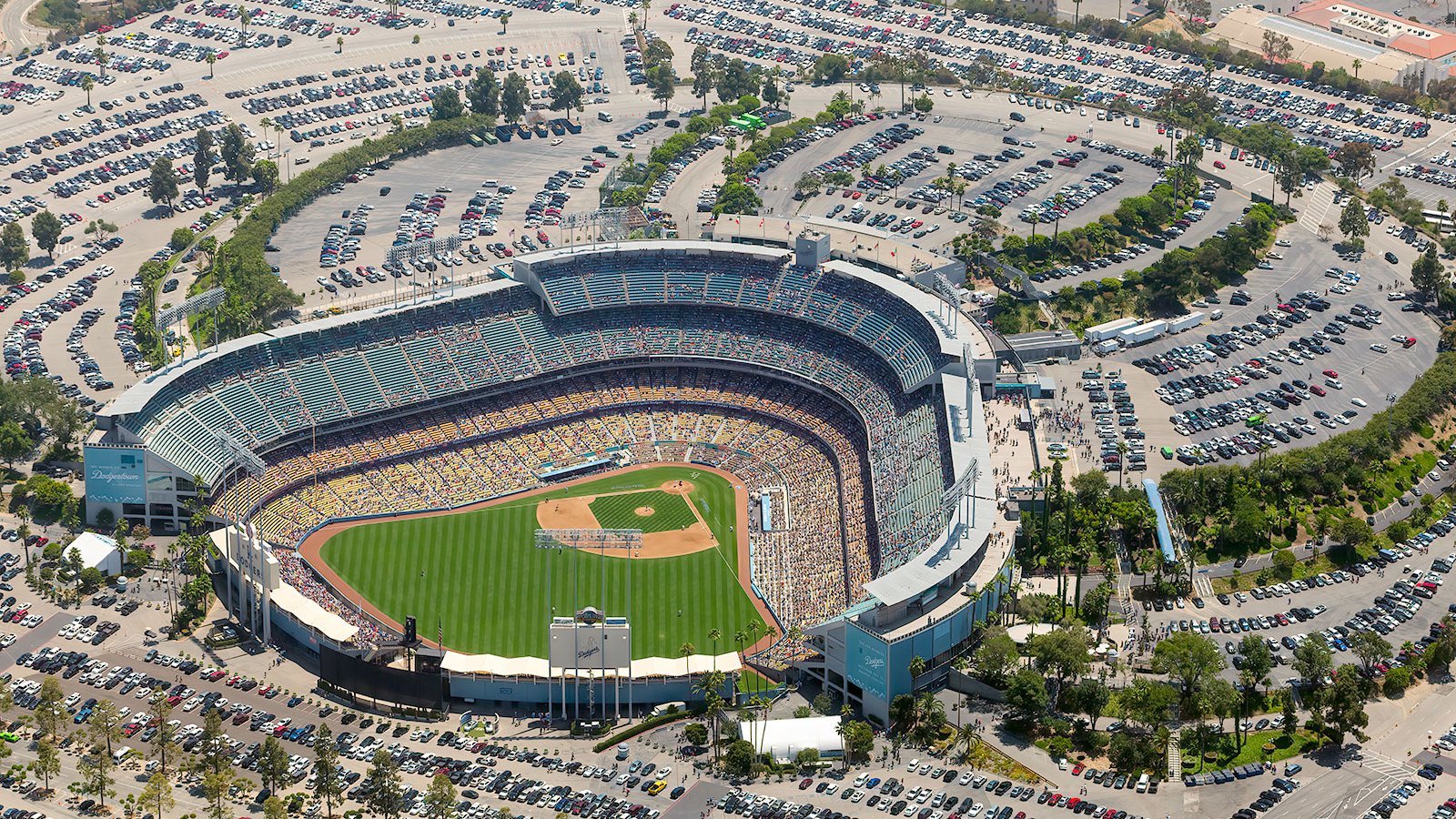
Attending a Dodger game is a cornerstone of Southern California culture, but beneath the blue-clad crowds and iconic Dodger Dogs lies a sophisticated sports and entertainment business. Dodger Stadium, which opened in 1962 and remains one of Major League Baseball's oldest active ballparks, serves as the physical center of a brand that combines professional sports, media, sponsorship, hospitality, and international marketing.
In today's sports economy, the value of a Dodger game extends far beyond the final score. It includes ticket sales, premium hospitality, food and beverage, merchandise, media distribution, sponsorship exposure, digital engagement, and the broader economic activity generated around the stadium.
The Dodgers' growing international profile has added another dimension to this business model. The arrival of Shohei Ohtani has strengthened the franchise's connection with Japanese audiences and international sponsors, while the team's long-term media position provides an additional source of commercial value. Understanding these strategic pillars provides a useful case study in modern sports management, brand equity, and sports-business ROI.
THE DEEP DIVE: The Economics of the Dodger Game
1. The Shohei Ohtani Effect and Global Market Expansion
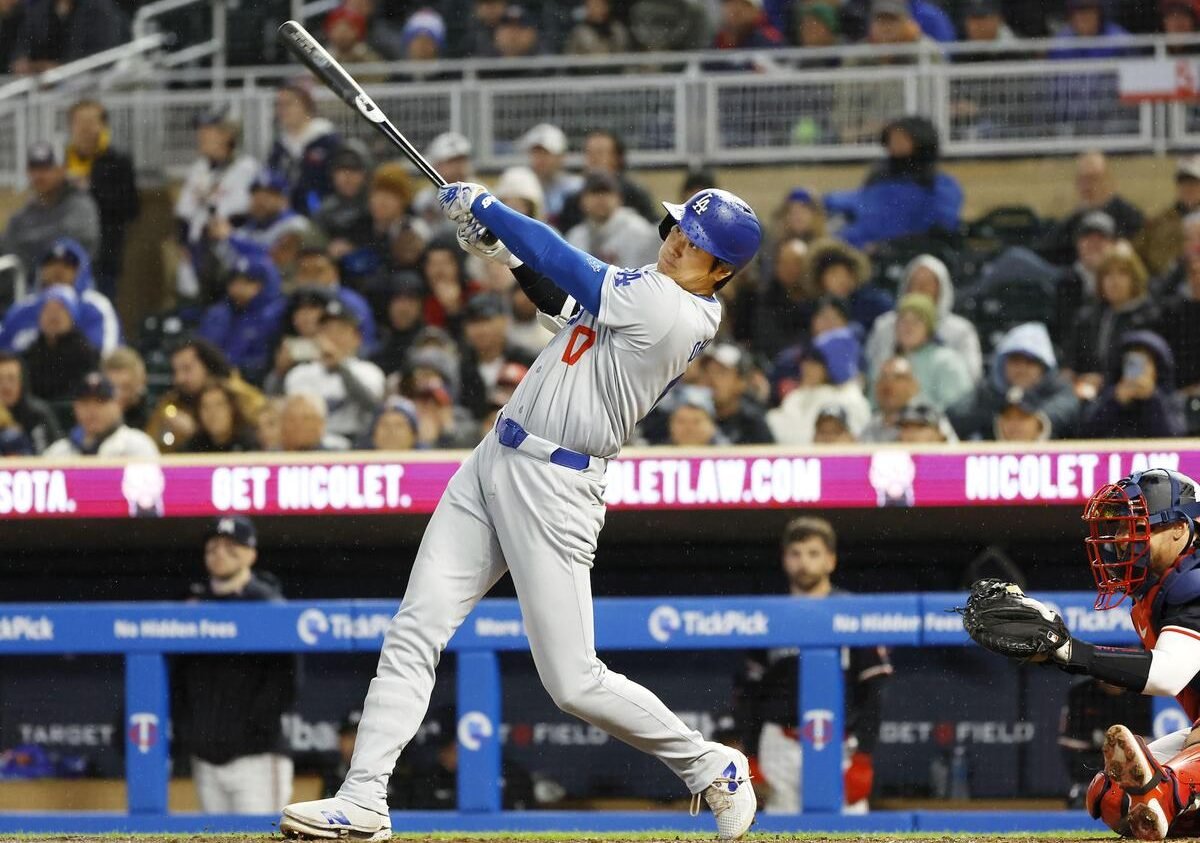
The signing of Shohei Ohtani to a 10-year, $700 million contract in December 2023 was not simply a major baseball acquisition; it also created significant commercial opportunities for the Dodgers. MLB confirmed the agreement as the largest contract in baseball history at the time.
Ohtani's value extends beyond his performance on the field. His international popularity, particularly in Japan, has increased the Dodgers' visibility among global audiences and created new opportunities for sponsorships, merchandise, media exposure, and international brand development.
According to research from SponsorUnited reported by Forbes, Ohtani was associated with approximately $70 million in incremental sponsorship revenue for the Dodgers in 2024. During the same period, the Dodgers added 12 Japan-based partners, demonstrating the commercial importance of his international appeal.
This makes Ohtani an important example of how elite athletes can function as global brand assets. His strategic value is not limited to ticket sales or on-field performance; he also helps the Dodgers connect with international consumers and sponsors.
The broader lesson is that star-player investment can generate value across multiple areas of a sports organization, including sponsorship, merchandise, international marketing, media exposure, and brand equity.
2. Media Rights and Revenue Distribution
Media rights remain one of the most important financial pillars of the Dodgers' business model.
The Dodgers are associated with a 25-year, approximately $8.35 billion local media agreement through 2038 involving SportsNet LA. The agreement originated with Time Warner Cable and SportsNet LA and remains one of the largest local sports-media arrangements in North American sports.
However, it is important not to describe the $8.35 billion figure as a simple guaranteed annual television-rights payment. The structure includes both media-rights and SportsNet LA ownership/equity components. Forbes has reported that the agreement has an average annual value of approximately $334 million, with the value changing over the life of the contract.
The scale of the agreement gives the Dodgers a significant long-term media asset. Forbes' 2026 valuation report states that the Dodgers' local television arrangement was estimated to have generated more than $200 million in the latest reported season, considerably above the MLB average.
This media position is particularly important as the traditional regional sports-network model faces disruption from cord-cutting and changing consumer viewing habits. The Dodgers' large Los Angeles market, strong attendance, recognizable brand, and international following provide additional commercial advantages.
For advertisers and sponsors, a Dodger game is therefore more than a live sporting event. It represents a media product capable of reaching audiences through television, streaming, digital platforms, social media, sponsorship integrations, and the stadium itself.
3. Stadium Operations and Fan Engagement ROI
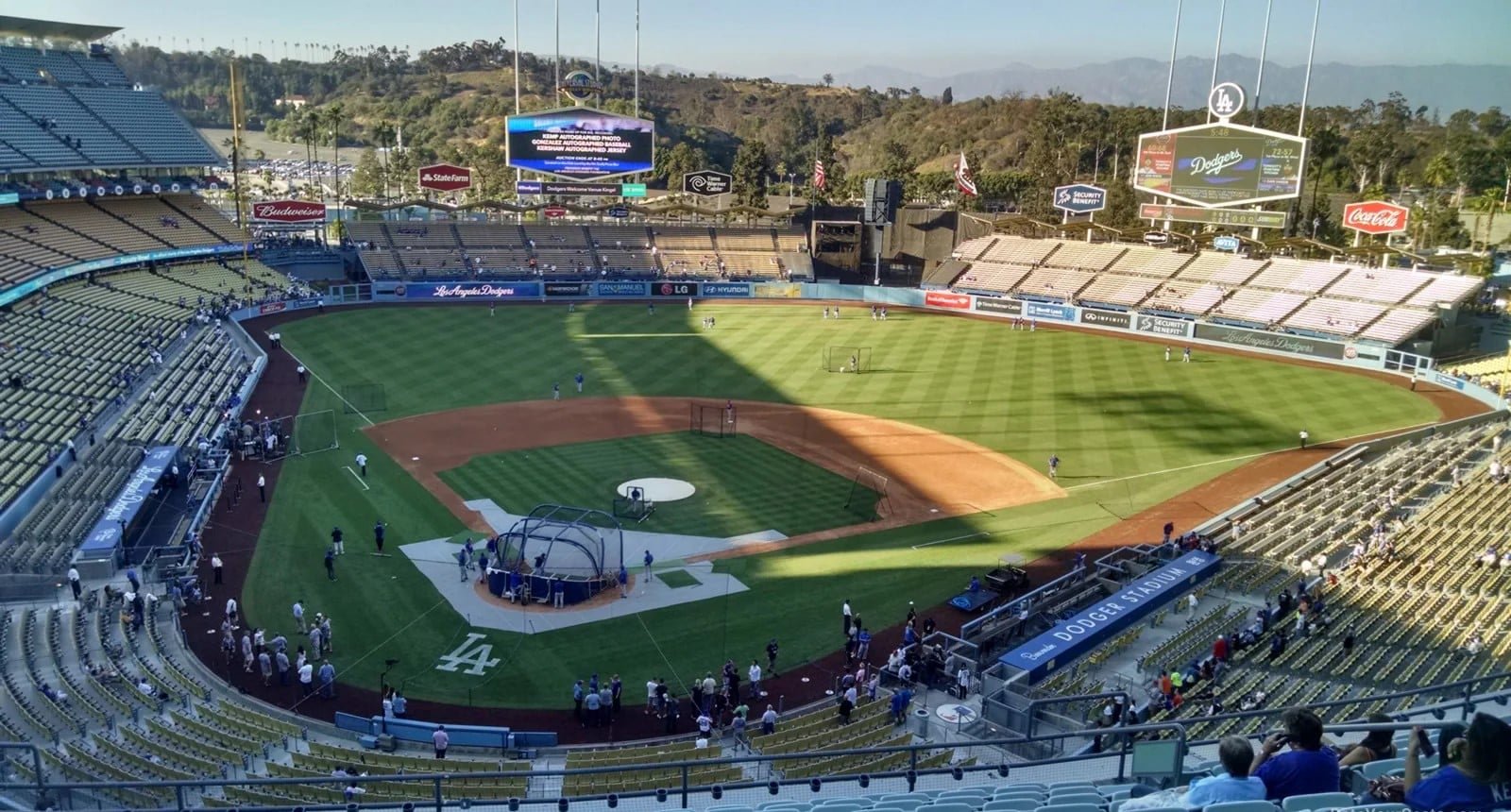
Dodger Stadium has a seating capacity of 56,000, making it the largest-capacity ballpark currently used in Major League Baseball. The stadium also provides approximately 16,000 automobile parking spaces across 21 terraced lots, making transportation and parking an important part of the overall game-day business model.
The Dodgers have also invested heavily in modernizing the historic venue while preserving its original character. One of the most significant projects was the $100 million renovation completed around the 2020 season, which introduced a new Centerfield Plaza, improved outfield pavilions, new elevators and bridges, additional food and entertainment areas, and improved circulation throughout the stadium. The Dodgers had already invested approximately $200 million in the venue since acquiring the club in 2012 at the time the $100 million project was announced.
The Centerfield Plaza was designed to transform the stadium experience from simply watching a baseball game to spending more time exploring food, entertainment, retail, social spaces, and other fan amenities. The project also created a 360-degree circulation route around the ballpark, allowing fans to move more easily between different areas of the stadium.
Concessions
The Dodger Dog remains one of the stadium's most recognizable food products and has historically been its best-selling food item. The Dodgers previously reported sales of more than 1.5 million Dodger Dogs per season, while historical estimates have placed annual consumption even higher in some periods. Because current official annual sales figures are not consistently published, the claim that the Dodgers currently sell exactly 2.5 million Dodger Dogs every year should be avoided.
Parking
Parking is another important component of the Dodger Stadium game-day economy. For 2026, general parking costs $40 when purchased in advance and $45 at the gate. Preferred parking is listed at $65 in advance, while oversized vehicles have separate rates.
With approximately 16,000 parking spaces, the scale of the parking operation is substantial. However, it is better to describe parking as an important revenue and operational component rather than claim a specific daily revenue figure without published financial data.
Merchandise
Dodgers merchandise benefits from the franchise's historic brand, strong attendance, championship success, and globally recognized players. The arrival of Shohei Ohtani has further strengthened the team's international merchandise and sponsorship opportunities, particularly in Japan. However, the exact claim that the Dodgers “consistently rank in the top three for MLB merchandise sales” should be removed unless supported by a specific MLB or licensed-merchandise sales report.
Overall, the stadium's business model demonstrates how modern sports venues generate value through a combination of tickets, premium experiences, food and beverage, parking, merchandise, sponsorship activation, and fan engagement.
4. Competitive Strategy and the Luxury Tax
The Dodgers operate with one of the highest player-spending levels in Major League Baseball and have repeatedly exceeded the league's Competitive Balance Tax (CBT) threshold.
For 2026, the MLB CBT threshold is $244 million, while Spotrac currently projects the Dodgers' tax payroll at approximately $396 million, putting the club more than $150 million above the threshold. Spotrac also classifies the Dodgers as a 50% repeater-tax team.
This demonstrates that the Dodgers' competitive strategy involves considerably more than simply staying below the luxury-tax threshold. The organization has shown a willingness to accept significant tax obligations in pursuit of sustained competitive success.
However, the strategy is not based solely on expensive free agents and superstar contracts. Long-term competitiveness also depends on:
- Player development
- Professional scouting
- International talent acquisition
- Analytics
- Roster depth
- Injury management
- Cost-controlled players
- Strategic use of long-term contracts
This combination allows the Dodgers to surround highly paid stars with players who can provide value at lower salary levels.
The financial trade-off is significant. In 2026, Spotrac's projection shows a potential Dodgers luxury-tax bill exceeding $140 million, although the exact figure can change as the season and payroll calculations develop.
Therefore, rather than saying that the strategy “guarantees long-term sustainability,” it is more accurate to say that the Dodgers are balancing aggressive spending with organizational depth, player development, and revenue-generating capabilities.
By consistently competing at the highest level, the organization can strengthen the attractiveness of its overall sports product to fans, sponsors, broadcasters, and corporate partners. However, maintaining that model requires continued revenue growth and careful management of payroll and tax obligations.
WHAT THIS MEANS FOR YOU
For the average fan or business stakeholder, the evolution of the Dodger game experience has several practical implications:
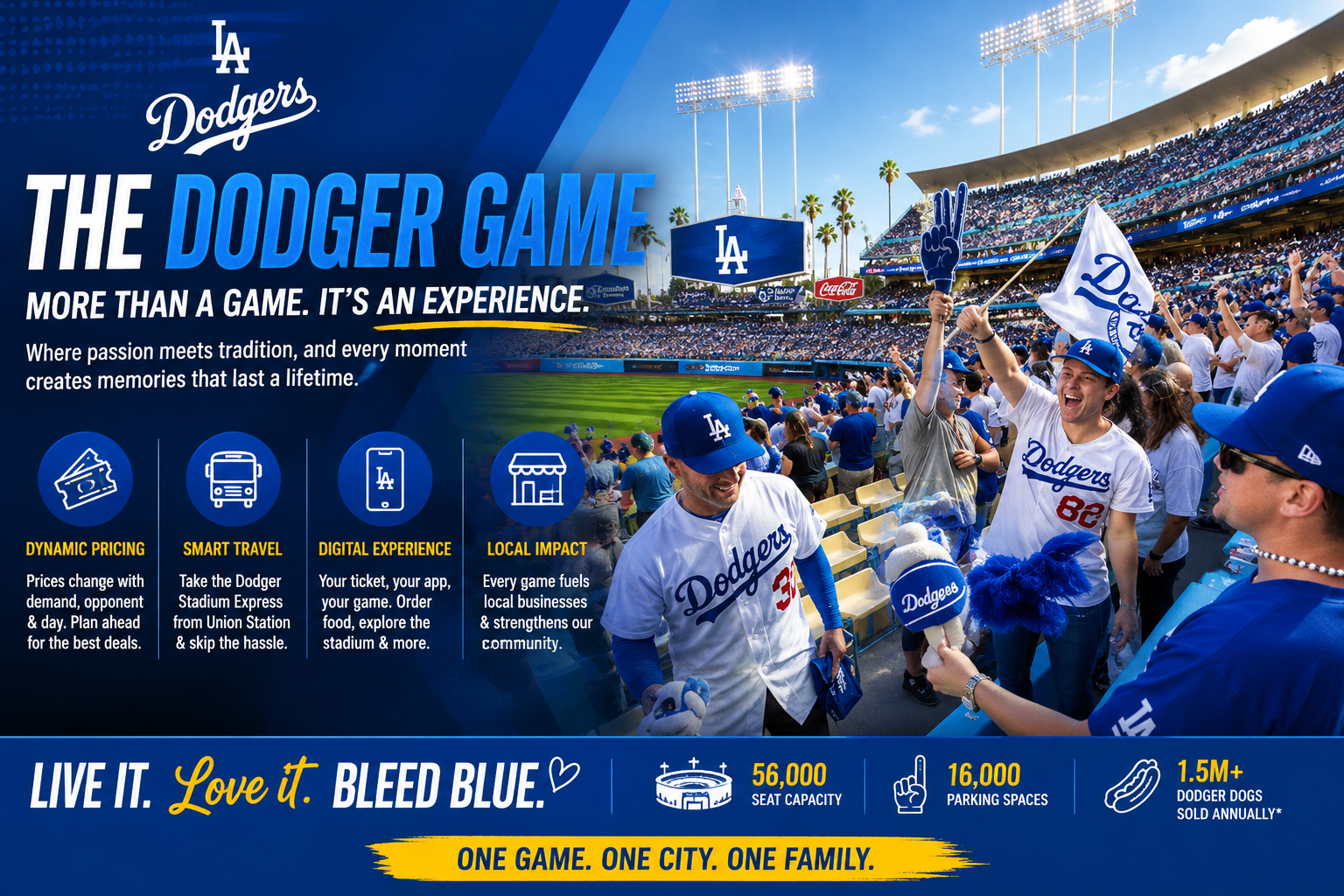
- Dynamic Pricing: Ticket prices can vary based on factors such as the opponent, game date, seat location, promotions, and demand. Comparing different games and booking ahead can help fans find better-value options.
- Transportation Logistics: Game-day traffic around Dodger Stadium can be significant. The Dodger Stadium Express provides a free transportation option for ticket holders traveling from Union Station and the South Bay, offering an alternative to driving and paying for stadium parking.
- Digital Integration: The MLB Ballpark app is required for accessing Dodgers tickets digitally, and the app also provides stadium maps, gate information, schedules, and other game-day features. Dodger Stadium is cashless, and the venue also offers food and beverage ordering options. The previous claim that mobile ordering can save up to 20 minutes should be removed because there is no reliable published figure supporting that exact time saving.
- Economic Opportunity: Dodgers home games can contribute to increased demand for restaurants, transportation, hospitality, retail, and other businesses in the surrounding Los Angeles area. However, the exact economic impact varies by location and event, so it is more accurate to describe the games as an important contributor to local economic activity rather than the primary driver of foot traffic in specific neighborhoods.
Expert Verdict / Future Outlook
The future of the Los Angeles Dodgers is closely linked to the globalization of baseball. The franchise has already developed a strong international profile, particularly in Japan, while the broader MLB strategy continues to expand baseball's global audience.
The media landscape is also evolving. The Dodgers now offer SNLA+, a direct-to-consumer streaming service that provides in-market fans with access to SportsNet LA programming and Dodgers games through the MLB app and MLB.com. In 2026, SNLA+ is available as a monthly or seasonal subscription, giving fans an alternative to traditional television distribution.
Future developments may include greater use of digital personalization, immersive technology, and data-driven fan engagement inside the stadium. However, specific predictions about widespread augmented-reality implementation should be treated as potential opportunities rather than confirmed plans.
The Dodgers' ability to combine historical brand strength, elite players, international marketing, media distribution, and technology gives the organization a strong position within modern professional sports. However, the long-term financial performance of its roster investments will continue to depend on revenue growth, competitive success, payroll management, and effective player development.
FAQ
What is the best time to arrive at a Dodger game?
To maximize the experience and reduce the risk of last-minute congestion, arriving early is recommended. Parking and stadium gates generally open approximately 2.5 hours before the start of the game. This gives fans additional time to park, enter the stadium, explore the Centerfield Plaza, and get to their seats.
How has Shohei Ohtani impacted ticket prices?
Shohei Ohtani has significantly increased the Dodgers' international visibility and commercial appeal, particularly in Japan. However, the specific claim that secondary-market ticket prices increased by 15 to 25 percent should not be presented as a general fact without a reliable market study. Ticket prices vary depending on the opponent, date, seating location, promotions, and demand.
Is Dodger Stadium cashless?
Yes, Dodger Stadium is a cashless venue. Food, beverages, merchandise, and other purchases can be made using credit or debit cards and digital wallets. Cash-to-card kiosks are also available for fans who need to convert cash into a prepaid card.
What are the most cost-effective seating areas?
The Top Deck and Reserve levels are generally among the more affordable options for fans who want to experience a Dodger game without paying premium prices for Field or Loge seating. Actual prices vary by game, opponent, seat location, and demand.
How does the Dodgers' payroll affect the local economy?
The Dodgers' high payroll contributes to the broader sports-business ecosystem through team operations, employment, stadium activity, sponsorships, media, and visitor spending. However, the relationship between team payroll and local tax revenue is complex, so it is more accurate to view payroll as one component of the franchise's broader economic impact rather than a direct cause of increased local tax revenue.
Important Note: Financial Disclaimer: This content is for educational purposes only and does not constitute professional financial or investment advice. Always consult with a qualified financial professional before making investment decisions.
Conclusion
The strategic management of a Dodger game involves a complex interplay of global branding, media distribution, elite player recruitment, stadium operations, and digital fan engagement. By investing in international stars such as Shohei Ohtani, maintaining a historic yet continually modernized venue, and expanding its digital media offerings, the Los Angeles Dodgers have strengthened their position as one of the most valuable and influential organizations in professional baseball.
For stakeholders and fans alike, the Dodgers demonstrate how a traditional sporting event can evolve into a broader sports-entertainment business. The combination of competitive performance, international brand development, media rights, sponsorship, technology, and fan engagement provides the foundation for the franchise's long-term commercial strength.




Comments 0
Leave a Reply
Your email address will not be published. Required fields are marked *
Be the first to share your thoughts!